At 24, She Lost Both Parents Eight Weeks Apart — Then Became the Caregiver Her Family Needed
At 24, Dallas Miranda thought she understood responsibility.
She was married, raising a 10-month-old son and living with her husband in Texas. Then, in the space of just eight weeks in 2020, she lost both of her parents.
Grief alone would have been enough to turn her world upside down. But their deaths also left Dallas facing another reality almost immediately: her older sister and younger brother still needed someone to care for them.
Dallas stepped into that role.
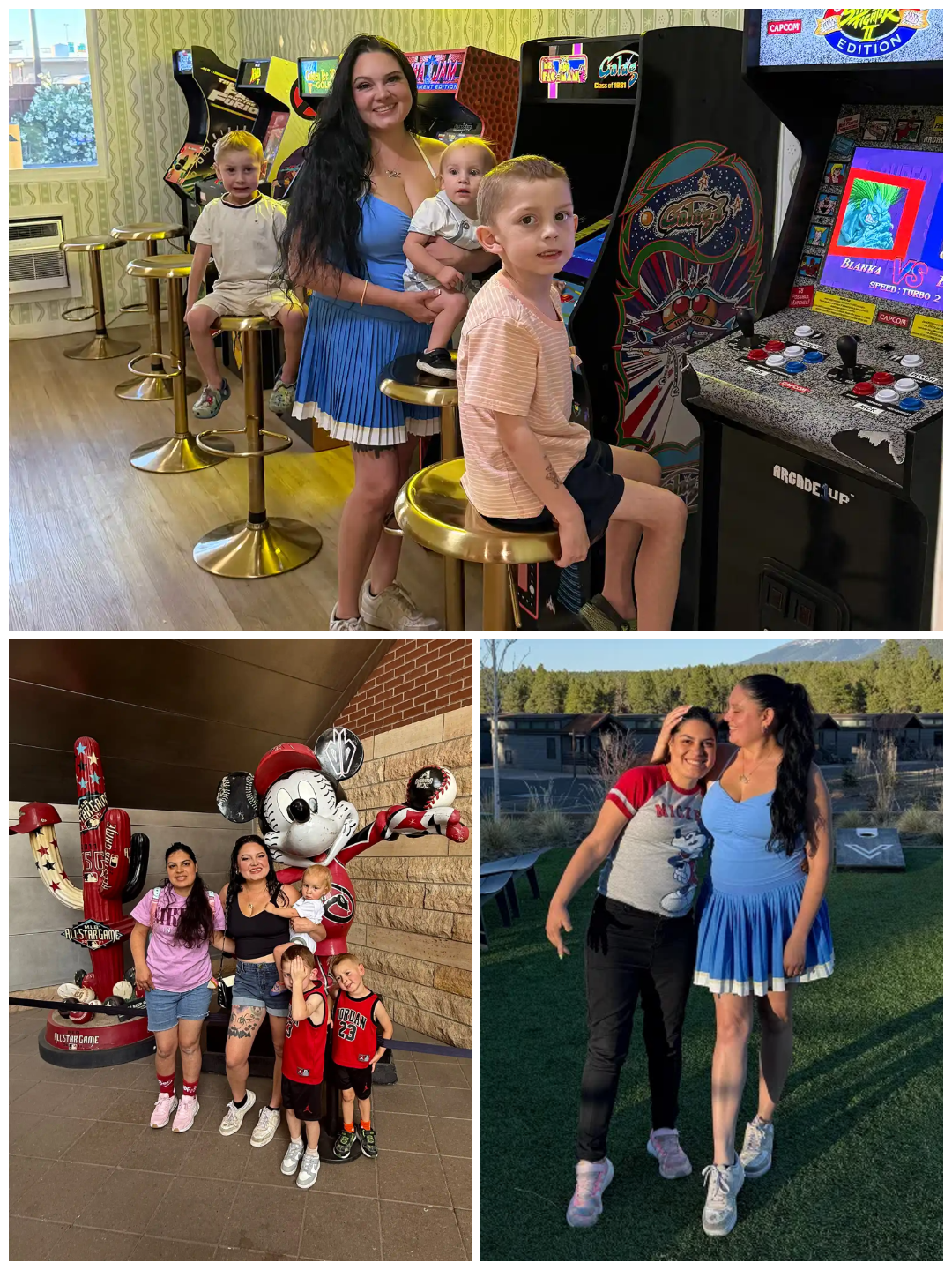
Today, at 29, she is raising three young sons while serving as the primary caregiver for her 33-year-old sister, Tati, who has cerebral palsy and epilepsy. Her younger brother, David, now 17, also became part of the household after losing their parents.
The life Dallas once knew changed almost overnight.
Her mother died on Sept. 25, 2020. Her father died on Nov. 25 — Thanksgiving Day that year.
The holiday has never felt the same since.
Dallas has said Thanksgiving can still bring the trauma rushing back while she is doing something as ordinary as preparing a family meal.
Yet what happened after those losses would eventually reshape not only her own life, but the lives of the siblings she refused to leave behind.
A Family Already Familiar With Serious Illness
Long before Dallas became a caregiver herself, health challenges were woven into her family’s everyday life.
Her mother lived with multiple sclerosis and was later diagnosed with stage 4 breast cancer. Her father dealt with heart failure and kidney disease.
Tati, roughly four years older than Dallas, was born with disabilities and experienced frequent seizures while growing up.
As their mother’s health worsened, Dallas was already helping with her sister.
She knew there was a possibility that responsibility for Tati might one day fall more heavily on her.
She simply never expected that day to arrive when she was still in her 20s.
After both parents died, Dallas traveled from Texas back to Arizona, where her family had been living.
Initially, she was going there to help.
What she found convinced her she could not simply return to her previous life.
Dallas decided to stay.
Her brother David, then 12, eventually came to live with her as well.
Suddenly, the young mother who had been focused on raising an infant was also navigating responsibilities that stretched in completely different directions.
She was caring for an adult sister with disabilities.
She was helping raise a grieving 12-year-old boy.
And she was still building her own family.
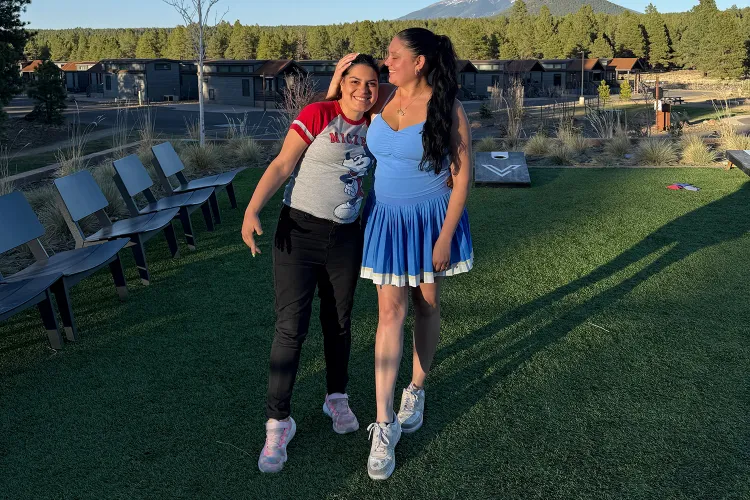
Learning to Raise a Brother While Being His Sister
Taking responsibility for David brought its own challenges.
Dallas had never raised a teenager before. She was his sister, but the deaths of their parents forced their relationship into unfamiliar territory.
She had to become one of the adults responsible for guiding him through adolescence while processing her own grief at the same time.
Five years later, their household has grown even busier.
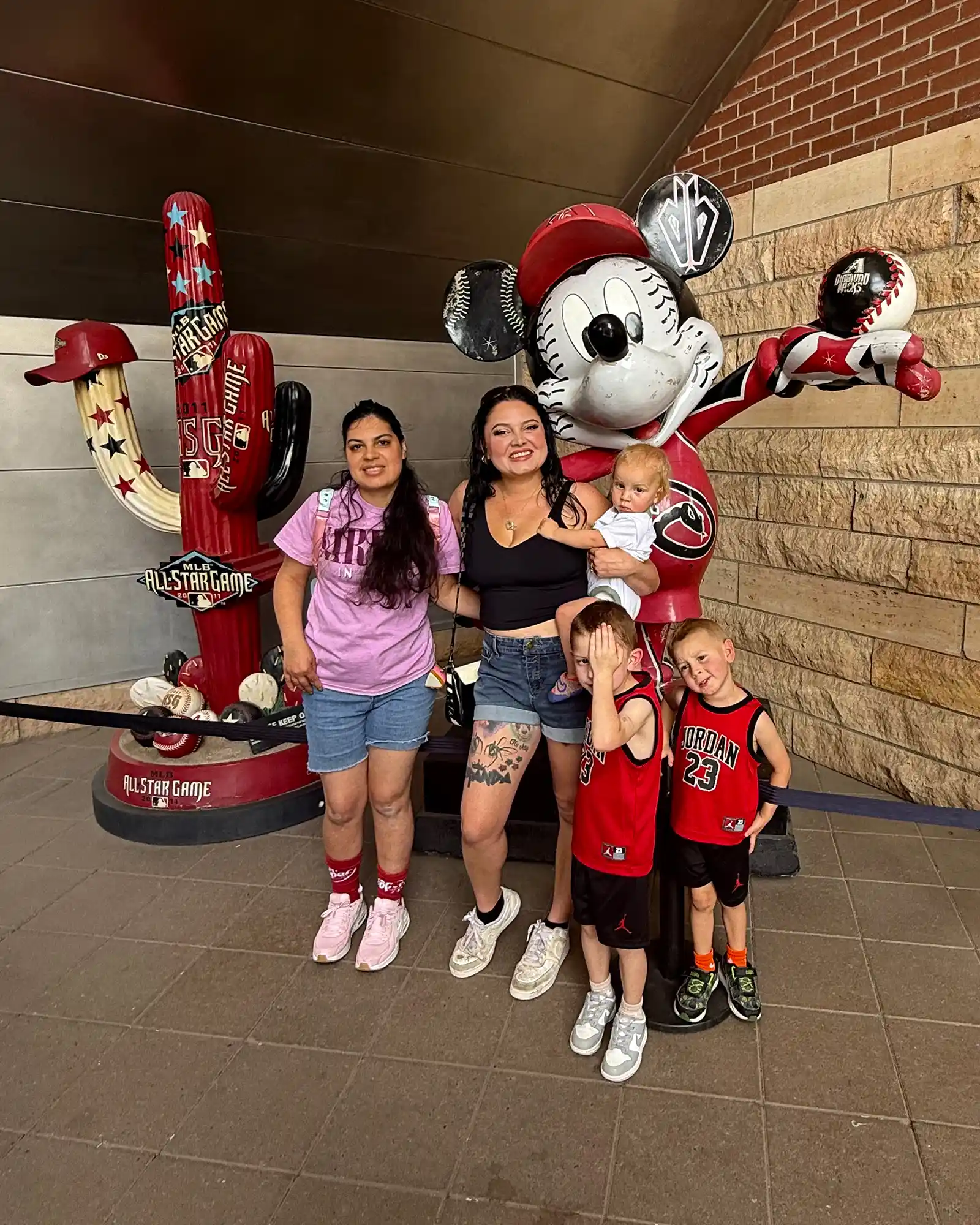
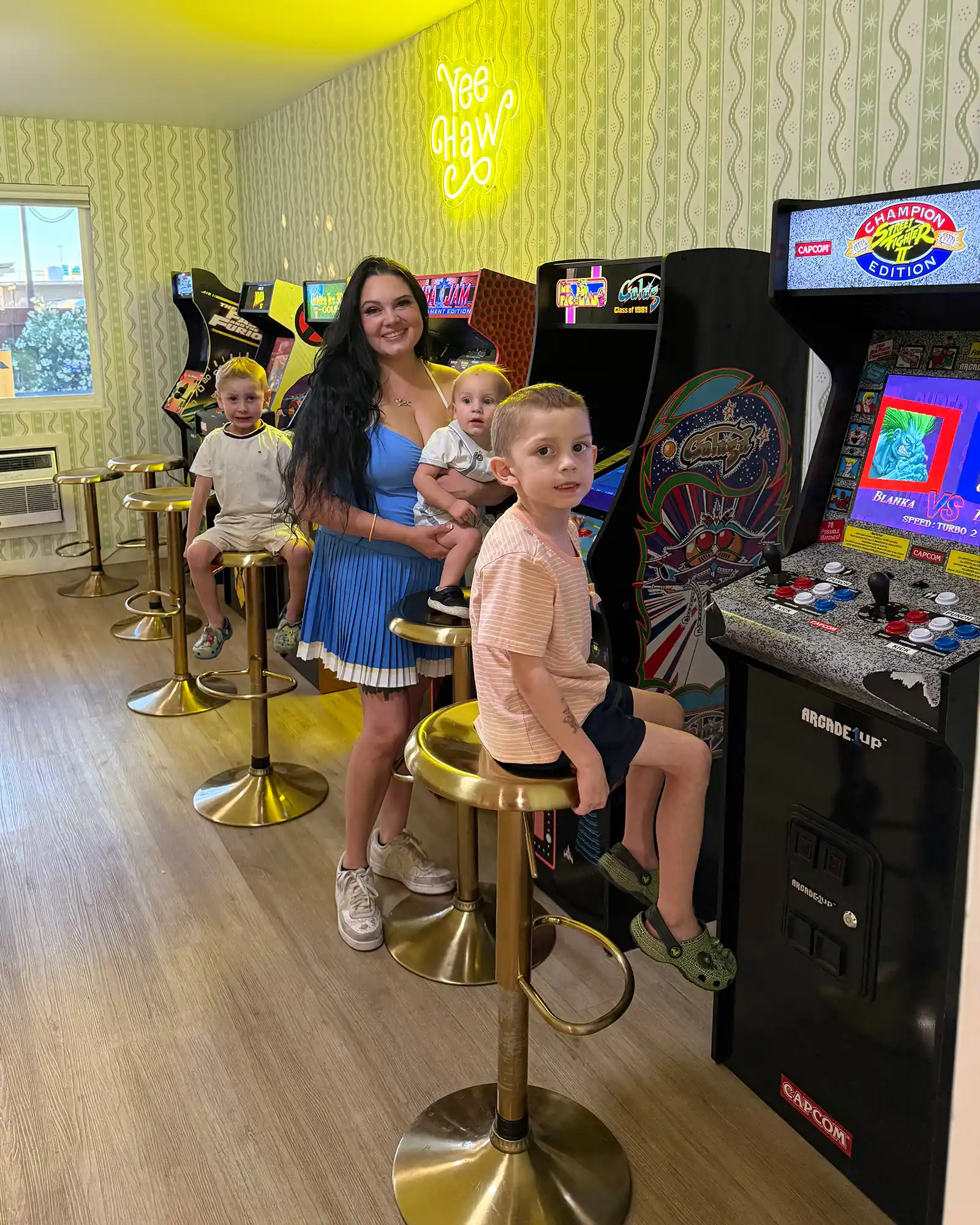
Dallas and her husband now have three sons, ages 5, 3 and 1. Tati and David live with them as well.
It is an unconventional family arrangement created by tragedy, but Dallas has continued building a home around all of them.
And amid the pressure, she has found reasons to feel proud.
Some of the most meaningful changes have come through Tati.
The Milestones That Tell Dallas She Is Doing Something Right
When Dallas first took over much of her sister’s care, Tati needed help with basic daily tasks.
Over time, Dallas began watching her become more independent.
One milestone stands out: Tati learned to dress herself.
To someone outside their world, getting dressed might appear routine.
To Dallas, it represented progress.
When doctors notice improvements in Tati and tell Dallas she is doing better, those comments reassure her that the difficult choices she made after her parents’ deaths have mattered.
They give her a sense that, despite all the uncertainty and exhaustion, she is helping her sister move forward.
Dallas has also worked hard to make sure people see Tati as more than a diagnosis.
Tati loves shopping, puzzles, heels and fashion. She also has a romantic life of her own and shared that she had been dating her boyfriend, Bubba, after meeting him at an ability center she attends during the week.
For Dallas, details like those are important.
She wants people to understand that her sister has her own personality, opinions, dreams and desires.
Disability is part of Tati’s life.
It is not the entirety of who she is.
Sharing Their Family With Hundreds of Thousands
That message has become central to the family’s unexpected social media presence.
Dallas began sharing pieces of their life online, eventually building a TikTok following of more than 700,000 people.
At first, she was hesitant to put Tati in front of such a large audience.
Dallas worried that strangers might judge her sister because of her disabilities.
Instead, viewers embraced her.
Tati’s cheerful personality became one of the reasons people kept returning to the family’s videos, while Dallas used the platform to talk candidly about caregiving, disability and grief.
For Dallas, seeing people respond warmly to her sister has been especially meaningful.
The online community also offers a window into a type of responsibility that is often difficult to understand from the outside.
Dallas did not become a caregiver after years of careful planning.
She became one because two deaths eight weeks apart left her family needing someone to step forward.
She was only 24.
What Tati Has Given Back
From the outside, Dallas can easily be seen as the person making sacrifices.
She changed where she lived.
She became responsible for siblings while raising children of her own.
She took on caregiving at an age when many people are still trying to figure out the direction of their own lives.
But Dallas does not describe the relationship as entirely one-sided.
Tati has taught her things, too.
One of the biggest lessons has been to approach life with more lightness.
Dallas describes her sister as loving and as someone who does not take everything too seriously.
That perspective carries special weight in a family that has endured so much.
Their parents’ illnesses had already exposed the siblings to years of medical challenges. Then both parents disappeared from their lives within two months.
The family that remained had to figure out what came next together.
Five years later, Dallas is still doing that.
She is a mother of three, a sister, a caregiver and, in many ways, one of the people holding several generations of her family together.
There are still hard days.
There are still holidays tied to devastating memories.
There are still responsibilities she never imagined carrying before turning 30.
But there are also signs of progress: a sister gaining independence, a younger brother growing into adulthood, three young boys being raised in a home filled with extended family, and hundreds of thousands of strangers learning that people with disabilities have full lives that deserve to be seen.
Dallas could not change what happened during those eight weeks in 2020.
What she could decide was what happened afterward.
When her family suddenly needed someone to stay, she stayed.