Lindsay Clancy Trial: Chaplain Describes Mother’s Emotional State After Deaths of Three Children
The murder trial of Lindsay Clancy continued in Plymouth, Massachusetts, with emotional testimony from a hospital chaplain who spoke about Clancy’s condition after the deaths of her three children.
Clancy, a former labor and delivery nurse, is accused of killing her children — Cora, 5, Dawson, 3, and Callan, 8 months — at the family’s home in Duxbury, Massachusetts, in January 2023. She has pleaded not guilty by reason of insanity, with her defense arguing that she was suffering from severe postpartum psychosis at the time.
During Thursday’s testimony, hospital chaplain Sheila Cavanaugh told jurors about her conversations with Clancy following the tragedy.
Cavanaugh said she had visited Clancy more than 200 times across several hospitals since the incident and described her as someone who frequently spoke about her children and expressed deep grief.
“Lindsay talks frequently about her children; she loves them deeply. She carries immense grief,” Cavanaugh told the court.
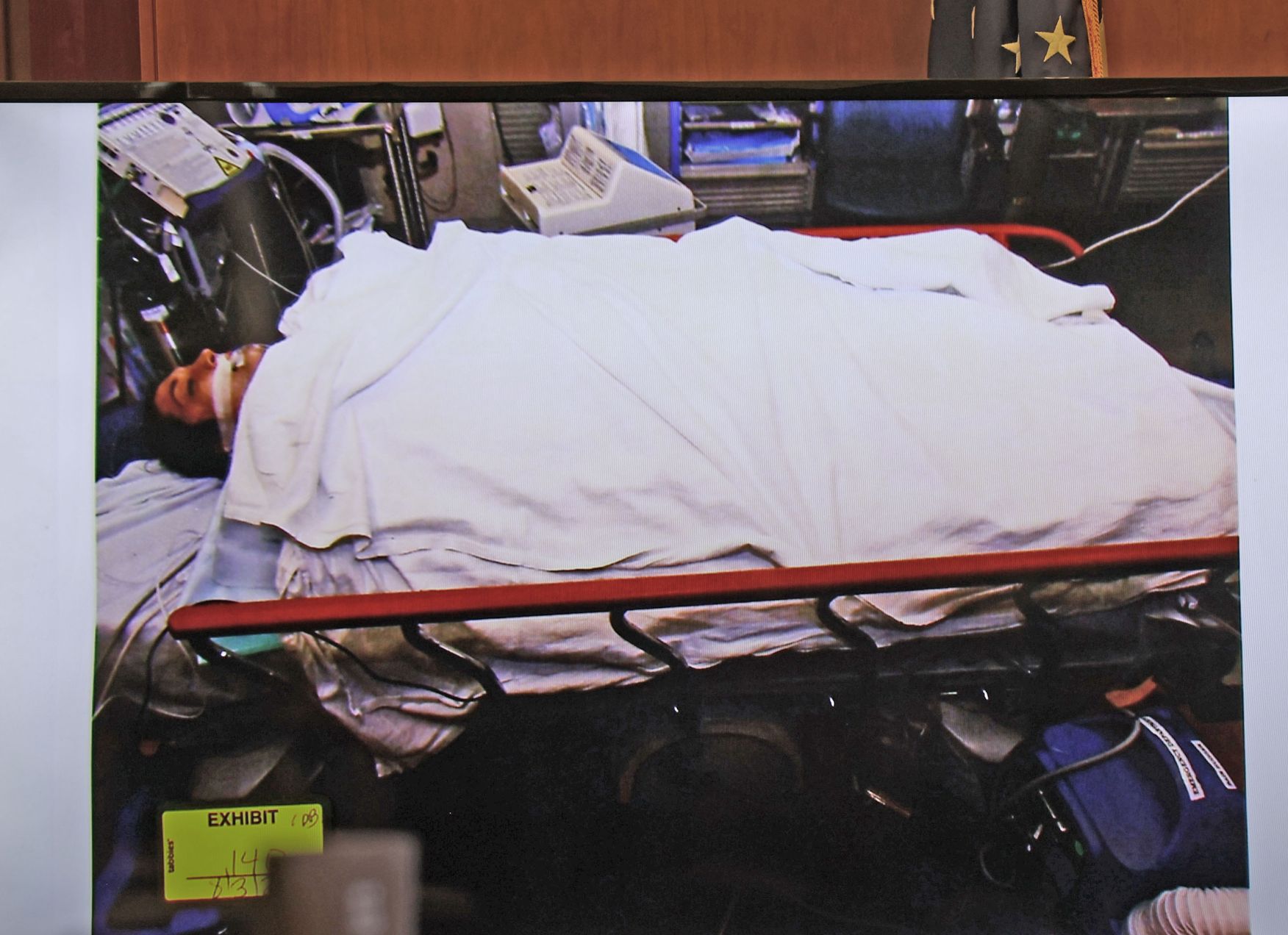
The chaplain recalled meeting Clancy shortly after the deaths, when she was hospitalized and unable to speak because of medical treatment. Cavanaugh said Clancy was surrounded by medical equipment and unable to communicate normally, but she still prayed with her.
Days later, after Clancy was able to speak again, Cavanaugh testified that one of the first things Clancy said was that she was “so glad my children are safe.”
The testimony came as the trial approaches its final stages. Judge William Sullivan indicated that closing arguments could begin early next week, after both sides finish presenting their remaining witnesses.
Clancy’s defense team has argued that her mental health condition played a major role in what happened. They say she was experiencing a severe psychiatric crisis and should not be held legally responsible.
Prosecutors, however, have challenged that argument and have presented evidence they say shows Clancy understood her actions and should be held accountable.
The court has heard weeks of testimony from medical experts, investigators, family members and other witnesses, as both sides attempt to explain what led to the deaths of three young children.

Patrick Clancy, Lindsay’s former husband and the children’s father, previously testified about the devastating discovery of his children after the incident. He has said publicly that he continues to grieve their loss while also seeking answers.
The case has attracted national attention because it sits at the intersection of criminal responsibility, mental health and a family tragedy that shocked the community.
As the trial moves toward closing arguments, the jury will ultimately face the central question: whether Lindsay Clancy was legally responsible for the deaths of her children or whether her mental state prevented her from understanding her actions.
The final decision will be left to the jury after all evidence has been presented.