The Woman Beside Patrick Clancy: Why Rachel Danis Is Suddenly at the Center of Attention During Lindsay’s Trial
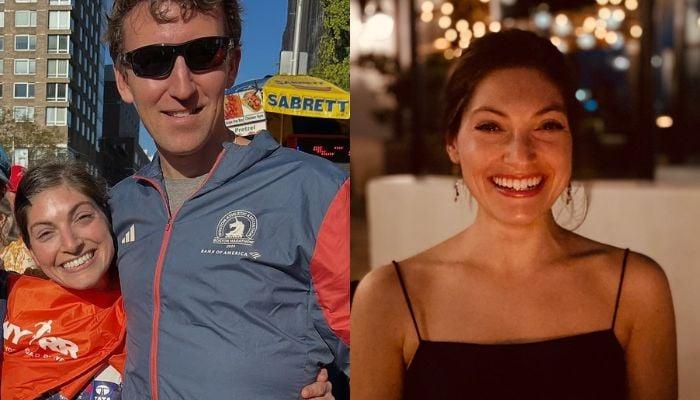
As Lindsay Clancy’s closely watched murder trial moves toward its final stages, attention has increasingly turned beyond the courtroom — to the woman now standing beside Lindsay’s former husband, Patrick Clancy.
Her name is Dr. Rachel Danis, a New York reproductive endocrinologist and fertility specialist who married Patrick in April 2026.
Rachel has largely stayed out of the spotlight throughout the case. She has not testified at Lindsay’s trial, but her connection to Patrick has drawn renewed public interest as the proceedings revisit the devastating events of January 2023.
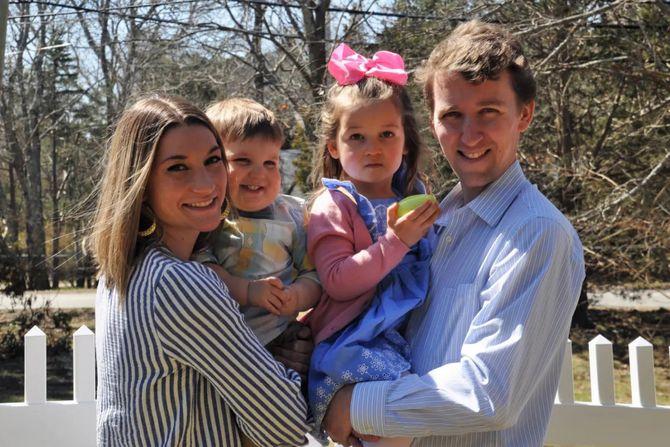
Lindsay is accused of killing her three children — Cora, 5, Dawson, 3, and Callan, 8 months. Her defense argues that she was experiencing severe postpartum psychosis and should not be held criminally responsible, while prosecutors dispute that explanation.
Then came the New York sighting
While the trial was taking a break, Patrick and Rachel were photographed together at a Manhattan apartment.
According to TMZ, the couple appeared visibly stressed during the roughly 30-minute encounter. Patrick was reportedly taking phone calls and pacing, while Rachel remained nearby and also took calls.
The timing immediately attracted attention because it came as Patrick’s former wife was facing weeks of emotionally difficult testimony in court.
But there is another reason Rachel’s background has generated curiosity.
Rachel’s profession has drawn attention
Rachel is a board-certified reproductive endocrinologist and fertility specialist in New York. Her medical career focuses on reproductive health and fertility.
That has led some outlets and social-media users to examine whether her professional background could intersect with the medical issues being debated in Lindsay’s trial.
One recent report has specifically discussed Rachel’s connection to research involving elagolix, a medication whose potential psychiatric side effects have become part of online discussion surrounding the case. However, this should not be interpreted as evidence that Rachel caused, contributed to, or had any involvement in what happened to Lindsay’s children.

The courtroom itself remains focused on Lindsay’s mental state and legal responsibility — not on accusations against Rachel.
Patrick’s life has changed dramatically
After losing his three children, Patrick eventually moved to New York and rebuilt his life. He later married Rachel, and the couple became involved with the Heard Foundation, established in memory of his children and focused on improving perinatal mental-health care.
Now, while Lindsay’s trial enters its final phase, Patrick is attempting to move forward with a new chapter of his life — even as the events that changed everything continue to unfold publicly in court.
And that is what makes Rachel’s presence so intriguing to followers of the case:
She is not a defendant. She is not a witness. She is not part of Lindsay’s trial. Yet her identity, profession and relationship with Patrick have suddenly become another fascinating chapter surrounding one of the most closely followed criminal cases in the country.
As closing arguments approach, the jury’s decision will ultimately come down to Lindsay’s mental state and whether she can be held criminally responsible for the deaths of her three children.