Lindsay Clancy Trial: Psychiatrist Says Mother Believed She Was “Doing Her Children a Favor” Before Their Deaths

The emotional trial of Lindsay Clancy took another dramatic turn as a forensic psychiatrist testified that the Massachusetts mother allegedly believed she was “helping” her three children when they died — a belief he said was caused by a severe mental health crisis.
Dr. Phillip Resnick, a nationally recognized forensic psychiatrist who has testified in several high-profile criminal cases, told jurors that Clancy was experiencing severe psychosis at the time of the tragedy.
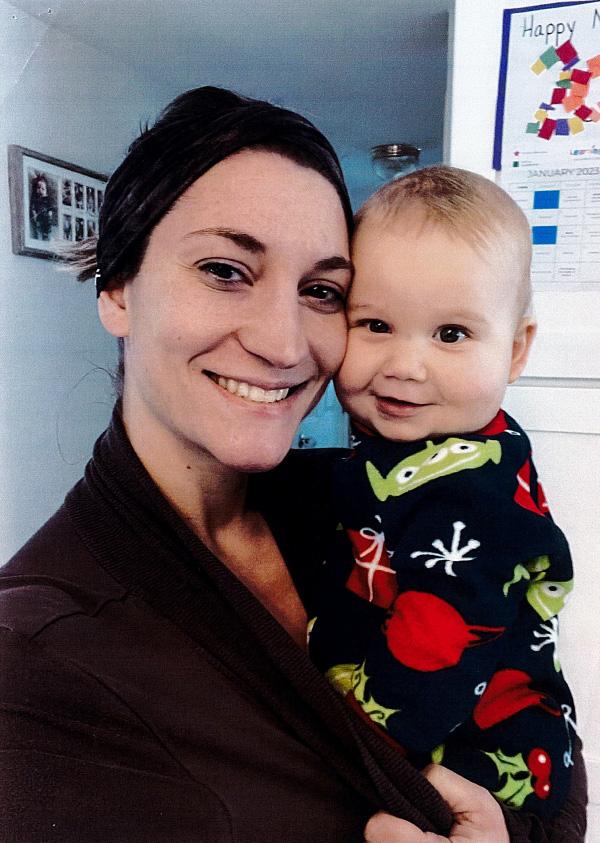
According to his testimony, Clancy had developed a distorted belief that her children would suffer without her and that taking them with her was the only way to protect them.
“In her mind, she believed she was doing what was right for her children,” Resnick told the court, describing a state of thinking he said was shaped by psychotic symptoms.
Clancy, 36, is accused of killing her three young children — Cora, 5, Dawson, 3, and Callan, 8 months — at their home in Duxbury, Massachusetts, in January 2023.
Her defense team argues that she was suffering from severe postpartum psychosis and should not be held legally responsible because she was unable to understand the wrongfulness of her actions.
Resnick, who previously testified in the case of Andrea Yates, a mother who was found not guilty by reason of insanity after drowning her five children, said he believed Clancy’s case involved similar issues surrounding extreme postpartum mental illness.
The psychiatrist testified that Clancy experienced what he described as a “command voice” and a feeling that she was being controlled by an outside force, comparing it to feeling like “a puppet” whose actions were being directed by something else.
However, prosecutors have challenged that explanation, arguing that Clancy understood what she was doing and carefully carried out the killings.
The prosecution’s psychiatric expert, Dr. Avram Mack, testified that while Clancy experienced major depression, he did not find evidence that she was suffering from psychosis or bipolar disorder at the time.
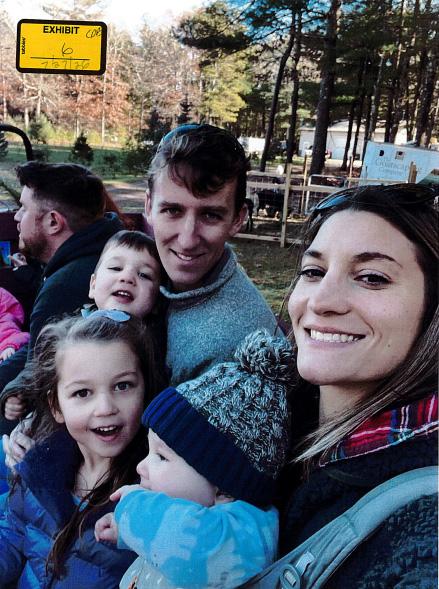
Mack argued that Clancy’s actions showed planning and organization, and that she was aware of the consequences of what she was doing.
After Resnick completed his testimony, Clancy’s defense team officially rested its case after calling 10 witnesses, including family members, friends and medical experts.
The trial now moves into a critical stage as prosecutors continue presenting their rebuttal evidence before closing arguments.
The case has captured national attention, raising difficult questions about mental illness, postpartum disorders and the limits of legal responsibility in a heartbreaking family tragedy.