Malcolm-Jamal Warner’s Widow Says He Made Specific Promises Before His Death. An Older Estate Plan Complicated Everything

For millions of viewers, Malcolm-Jamal Warner will always be remembered as Theo Huxtable, the quick-witted son at the center of one of television’s most recognizable families.
But after Warner’s death in 2025, a far more private family matter became the subject of a legal dispute.
His widow, Tenisha Warner, says her husband had made specific financial promises to her before his death — promises she argues were not reflected in an older estate plan that remained in place.
The dispute involves more than $1.2 million, a premarital agreement, life insurance, retirement contributions and other financial commitments.
Then, in August 2026, Warner’s mother, Pamela Warner, announced that a separate proposed settlement had been reached concerning her granddaughter’s share of the estate.
If approved by the court, Pamela said, the agreement would leave the majority of the remaining trust and estate to Malcolm’s young daughter.
That development may eventually settle one part of the case.
But the central question raised by Tenisha’s lawsuit remains unusually specific:
What had Warner allegedly promised his wife before his death that his existing estate arrangements did not provide?
Warner Died at 54
Malcolm-Jamal Warner died on July 20, 2025, at age 54.
His death shocked fans who had followed his career since childhood.
Warner became famous playing Theo on The Cosby Show, which ran from 1984 to 1992 and became one of the defining television series of its era.
He later built a long career beyond the role, working as an actor, director, musician and producer.
But exactly one year after his death, on July 20, 2026, his widow filed a lawsuit involving the Warner family trust.
Tenisha is seeking more than $1.2 million.
Her claim is not simply that she believes she deserves a larger inheritance.
Instead, she points to a 2022 premarital agreement and says Warner had agreed to provide several specific financial benefits that were never fully carried out.
That distinction is what makes the case more complicated than a typical dispute over who receives what from an estate.

The Lawsuit Points to a $1 Million Life Insurance Promise
One of the largest alleged commitments involves life insurance.
According to the lawsuit, Warner agreed in the couple’s premarital agreement to maintain a $1 million life-insurance policy for Tenisha’s benefit.
Tenisha claims that obligation was not fulfilled before his death.
Her filing also cites other financial promises.
Those allegedly included annual payments, contributions to a Roth IRA and compensation connected to employment.
Together, those obligations form the basis of the more than $1.2 million Tenisha is seeking.
From her perspective, the dispute is not about asking the court to invent new benefits after Warner’s death.
It is about enforcing commitments she says he had already made while he was alive.
Tenisha Says Warner Intended to Update His Estate Plan
Another major part of the case concerns the timing of Warner’s estate documents.
Tenisha has said that her husband intended to update an older estate plan but died before completing the process.
That created a gap between what she says Warner had promised more recently and what his existing trust documents actually provided.
Estate disputes frequently become complicated for exactly this reason.
A person may make new commitments through a marriage agreement, a contract or private financial planning but fail to revise older trusts, beneficiary designations or insurance arrangements before death.
When that happens, courts may be asked to determine how those different documents interact.
Tenisha’s argument is essentially that Warner’s more recent commitments should not disappear simply because an earlier estate structure remained technically in effect.
The lawsuit asks the court to recognize what she says were binding obligations established by the 2022 agreement.
Warner’s Mother Has Pushed Back
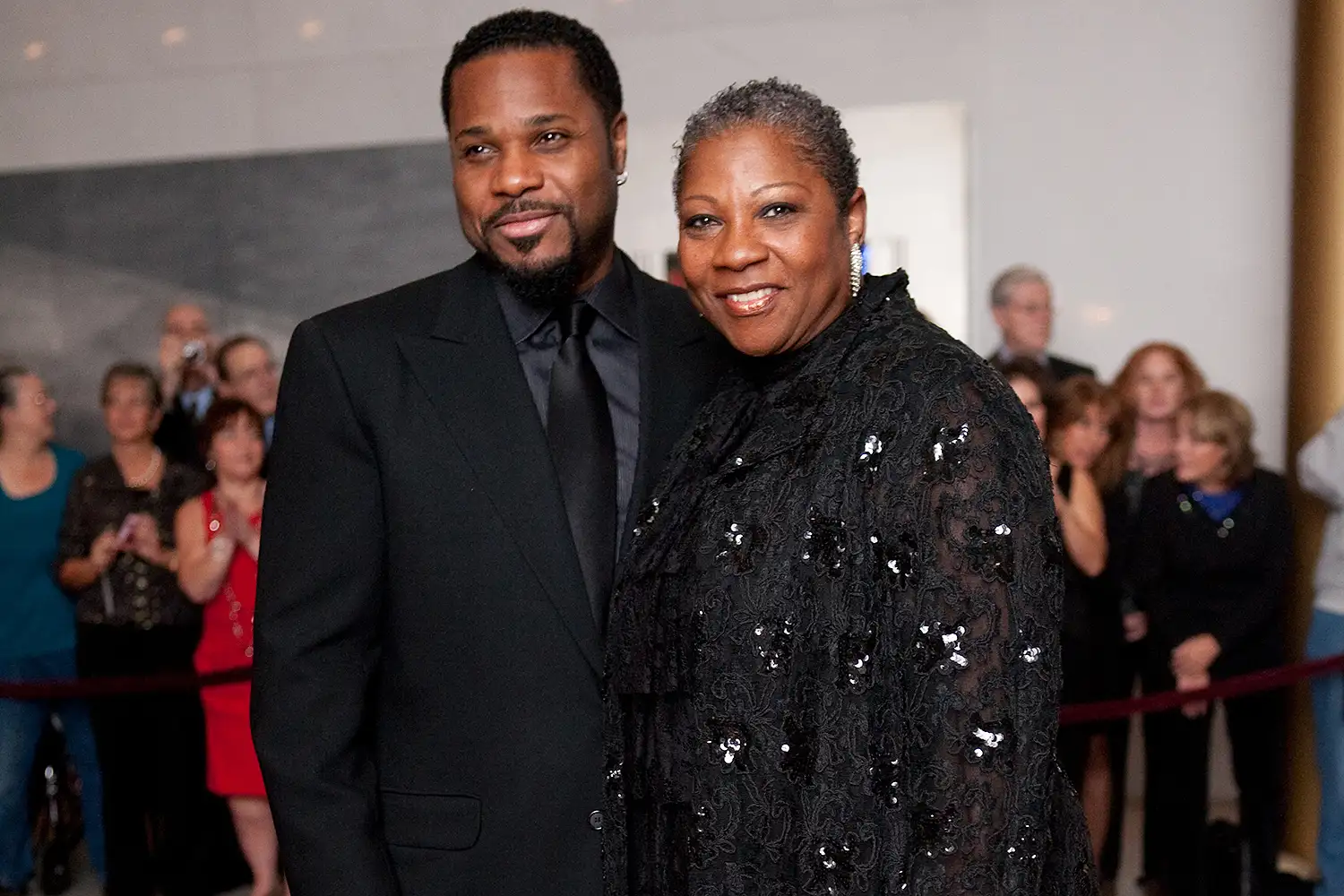
Pamela Warner has publicly disputed any suggestion that she intended to deprive her granddaughter of financial support.
As trustee, she has become a central figure in the legal conflict.
But she has said the estate proceedings have been misunderstood.
The disagreement became particularly emotional because it involved not only Warner’s widow but also his child.
That is where the August 13 development became significant.
Pamela announced that a proposed settlement had been reached with representatives of Warner’s daughter.
According to Pamela, the agreement would leave the majority of the remainder of the trust and estate to the child.
The settlement still requires court approval.
If approved, it could resolve concerns over how much Warner’s daughter ultimately receives.
But it does not necessarily erase the separate issues raised by Tenisha’s lawsuit over the premarital agreement.
The Settlement and the Lawsuit Are Related — But Not Identical
It can be tempting to view the case as one large family fight over a single pool of money.
The reality is more complicated.
Tenisha’s lawsuit focuses on obligations she says Warner personally made to her before his death.
The proposed settlement announced by Pamela, meanwhile, addresses the daughter’s interest in the trust and estate.
Those are related because they involve the same family finances, but legally they are not necessarily the same claim.
One concerns alleged contractual promises to a spouse.
The other concerns the distribution of assets to Warner’s child.
That is why the settlement does not automatically mean the entire dispute is over.
The court still has to consider the terms of the proposed agreement, and Tenisha’s separate claims may require their own resolution.

The Premarital Agreement Could Become Crucial
Premarital agreements are often thought of as documents designed only for divorce.
But they can also contain obligations that apply if one spouse dies.
Life insurance requirements are a common example.
A couple may agree before marriage that one spouse will maintain a policy naming the other as beneficiary, ensuring financial protection regardless of how other estate assets are distributed.
If Tenisha can establish that Warner made such a commitment and failed to satisfy it, the court may have to determine whether the trust or estate is responsible for compensating her.
The same could apply to other alleged obligations involving annual payments, retirement-account contributions or compensation.
That makes the wording of the 2022 agreement potentially more important than the emotional arguments surrounding the family dispute.
A Case About Intent Versus Paperwork
At its heart, the legal fight highlights a problem that can arise even in families with professional estate planning.
Intent and paperwork do not always stay synchronized.
A person’s circumstances change.
They marry.
They have children.
They make new financial promises.
But older trusts and estate documents may remain unchanged.
Tenisha says that is what happened here.
She has argued that Warner meant to update his planning but never completed the process.
Pamela, meanwhile, has defended her handling of the existing trust and rejected the idea that she was trying to keep assets away from Warner’s daughter.
Now, a proposed settlement could give that daughter the majority of what remains.
Whether the court approves it — and how Tenisha’s separate financial claims are resolved — will determine how much of the conflict remains.
The Question Is Not Simply Who Gets the Estate
For longtime fans, the headlines may initially sound like another celebrity inheritance battle.
But the case is more precise than that.
Tenisha Warner says her husband made identifiable financial commitments before his death.
A $1 million life-insurance policy.
Annual payments.
Retirement-account funding.
Employment compensation.
She says those promises were never fully reflected in the older estate plan left behind.
Meanwhile, Warner’s mother says the family has now reached a proposed arrangement designed to ensure that his young daughter receives the majority of the remaining estate.
One part of the family may be moving toward resolution.
Another still depends on what the court decides Warner had legally promised before he died.
And that may ultimately be the most important distinction in the entire case: not simply who inherits Malcolm-Jamal Warner’s money, but whether the plans on paper truly matched what he intended to provide for the people closest to him.