Lindsay Clancy Trial Nears Final Stage as Experts Clash Over Her Mental State Before Children’s Deaths
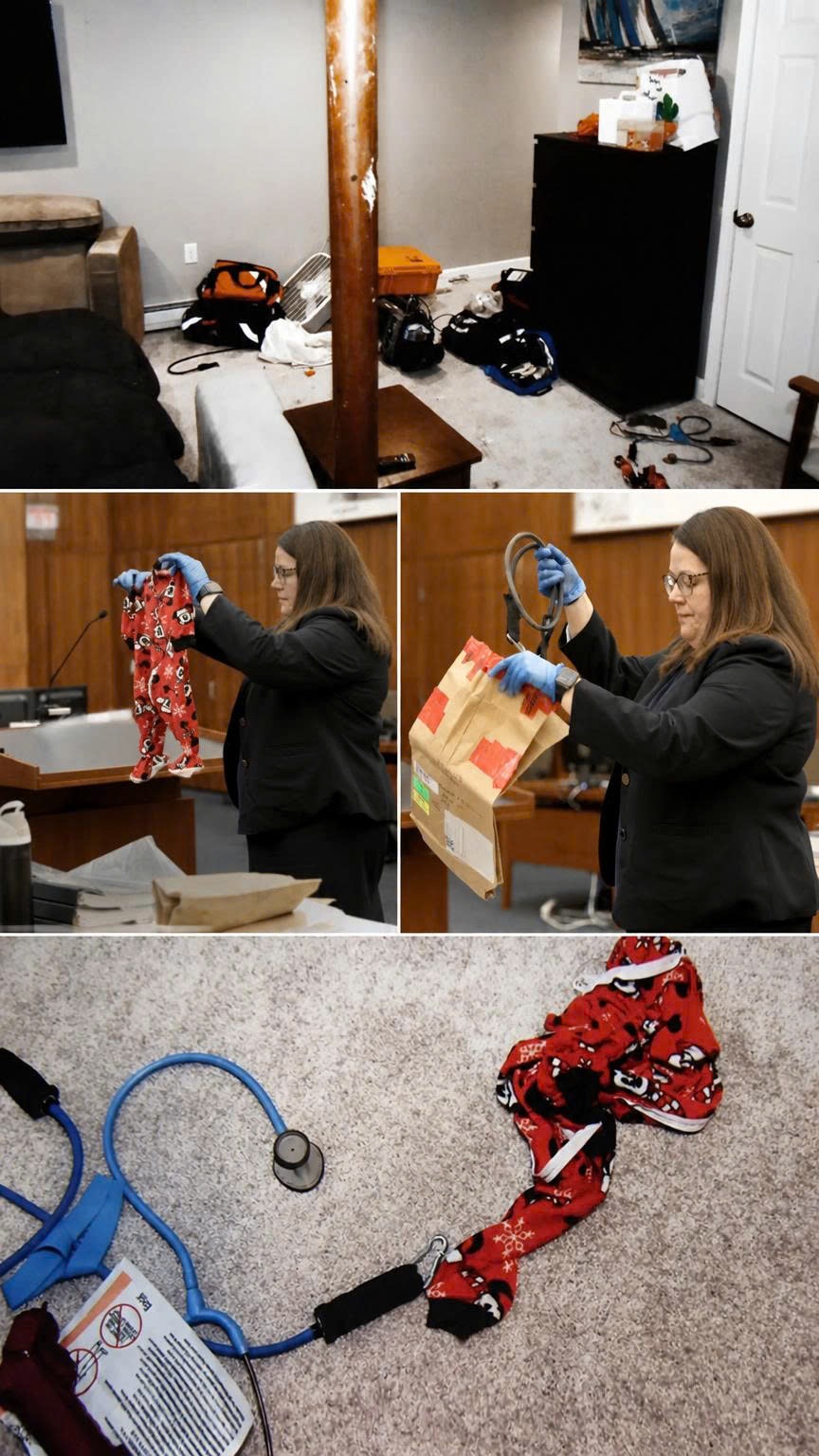
The highly watched Lindsay Clancy trial is entering its final stage as prosecutors and defense attorneys continue to battle over one central question: whether severe mental illness affected her ability to understand her actions at the time her three children died.
Clancy, 36, is facing charges connected to the deaths of her children — Cora, 5, Dawson, 3, and Callan, 8 months old — in their Duxbury, Massachusetts home in January 2023. Her defense team has not disputed that she caused their deaths but argues she was experiencing severe postpartum mental illness and was not criminally responsible.
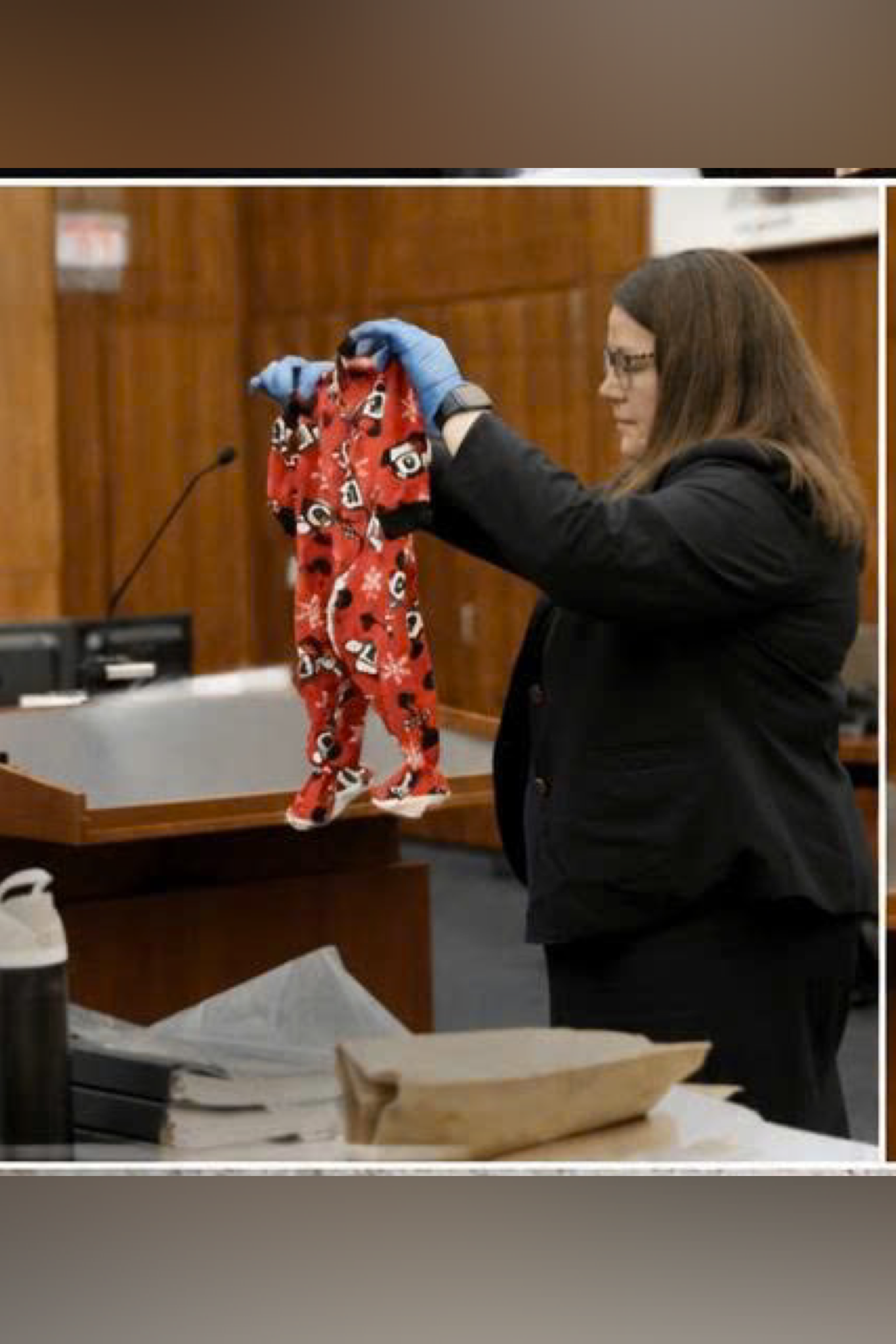
The defense recently rested its case after calling forensic psychiatrist Dr. Phillip Resnick, who testified that Clancy was experiencing a severe psychiatric episode and believed she was acting to protect her children. He said she experienced what he described as command hallucinations and a distorted perception of reality.
Prosecutors, however, presented a different picture. Their expert witness, Dr. Avram Mack, testified that while Clancy suffered from depression, he did not find evidence that she was experiencing psychosis or unable to control her actions. Prosecutors have argued that her actions showed planning and awareness.
The trial has also included emotional testimony from family members and medical experts. Clancy’s mother and sister previously told the court that they noticed significant changes in her mental health in the months before the deaths, including increased anxiety, fear and disturbing thoughts.
The case has attracted worldwide attention because it raises difficult questions about postpartum mental health, accountability and whether warning signs were missed before the tragedy occurred.
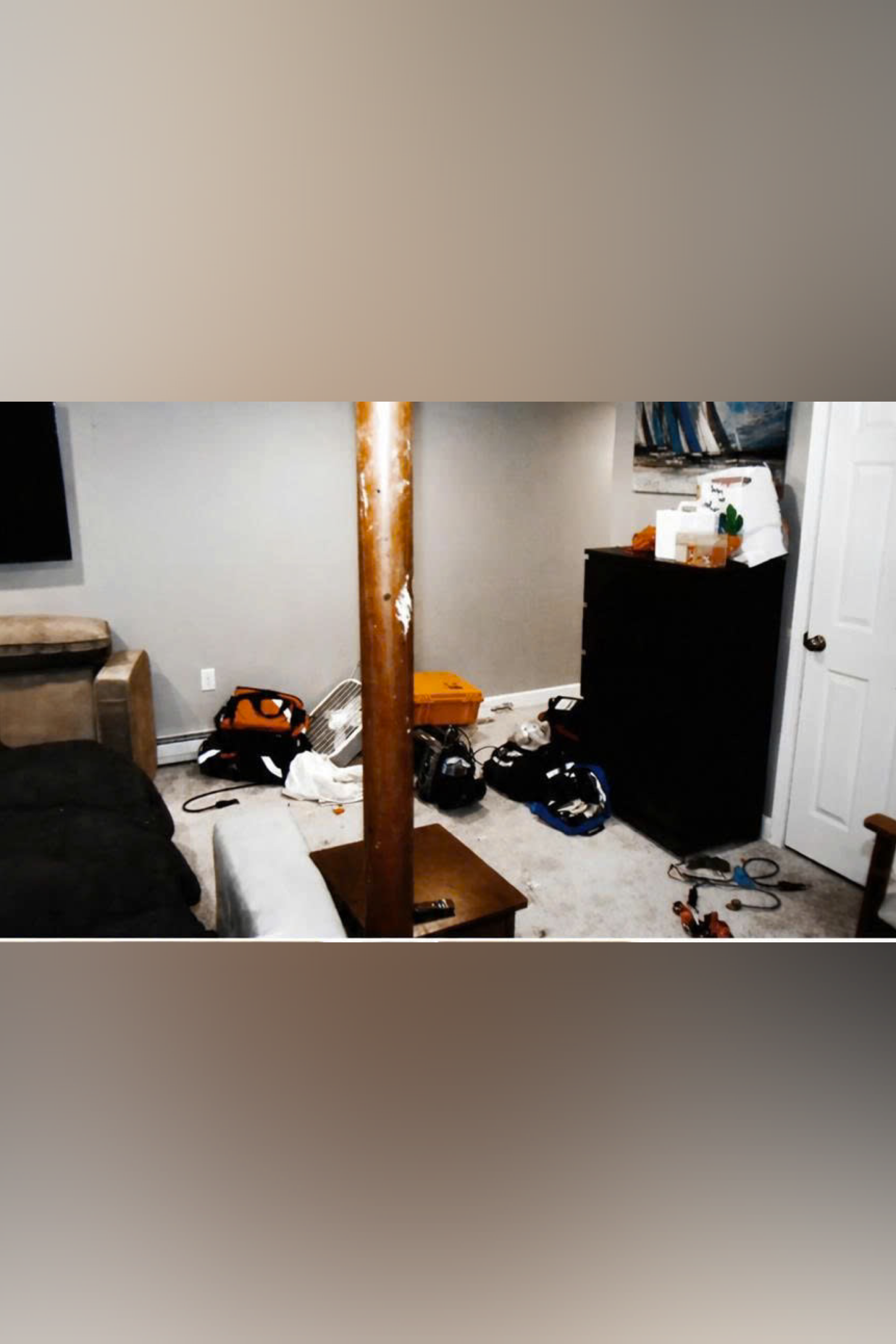
Closing arguments are expected soon, after which the jury will begin deliberations and decide whether Clancy was legally responsible for her actions or whether her mental condition prevented her from understanding the consequences of what happened.