Sandra Bullock explains how she talked to her kids about her late partner’s ALS
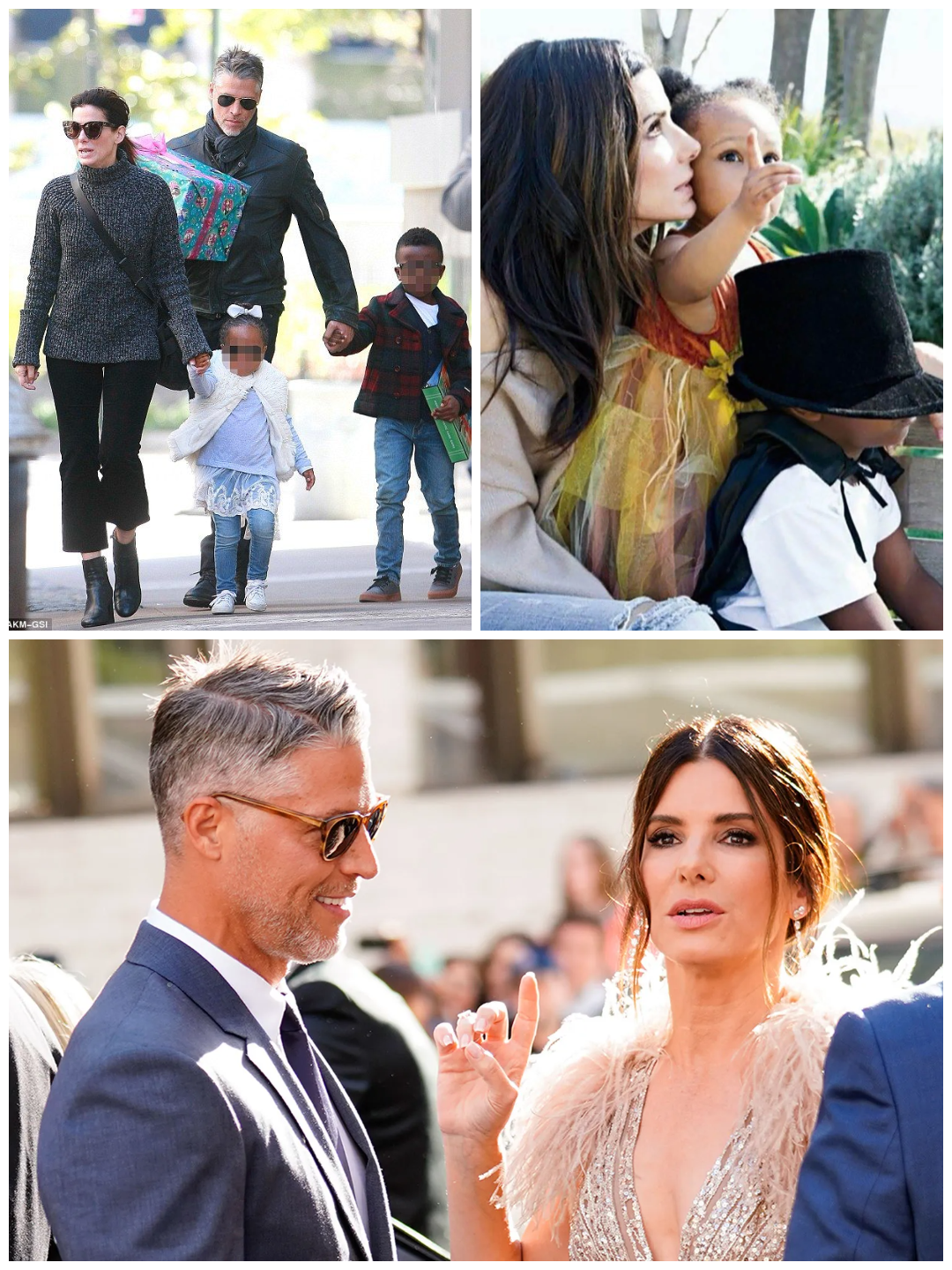
Sandra Bullock says her children were never shielded from the reality of Bryan Randall’s illness.
They could see what was happening.
They could see the physical changes. They could see how their mother’s behavior changed as she became increasingly focused on his care. And as Randall’s ALS progressed, Bullock says she made a deliberate choice not to pretend everything was normal.
Instead, she helped her children understand what was happening — while also giving each of them permission to cope in a completely different way.
Speaking on the SmartLess podcast, Bullock opened up about how her son Louis, 16, and daughter Laila, 12, experienced Randall’s illness before his death from ALS in August 2023.
Bullock said the children were “completely aware” of his condition, particularly once Randall became bedridden and required extensive care inside the family home.
Her approach was not to force them into a particular role.
Instead, she brought in professional support and listened when each child decided how close — or how distant — they needed to be.
Bullock Brought in a Child Therapist Early
Randall, a photographer and former model, began dating Bullock in 2015 after photographing Louis’ birthday party.
He was diagnosed with ALS in 2020.
ALS, or amyotrophic lateral sclerosis, is a progressive neurological disease that affects nerve cells responsible for voluntary muscle movement. As the disease advances, everyday abilities such as walking, speaking and breathing can become increasingly difficult.
Bullock kept Randall’s diagnosis private during his illness.
Inside the home, however, secrecy was not possible.
Her children were living alongside the reality of his condition.
Bullock said she arranged for a child therapist to be available to Louis and Laila after Randall’s diagnosis.
She understood that even if she tried to protect them emotionally, they were perceptive enough to notice what was changing around them.
“They have eyes,” Bullock said, describing both children as extremely astute.
They saw Randall changing physically.
They also saw their mother changing.
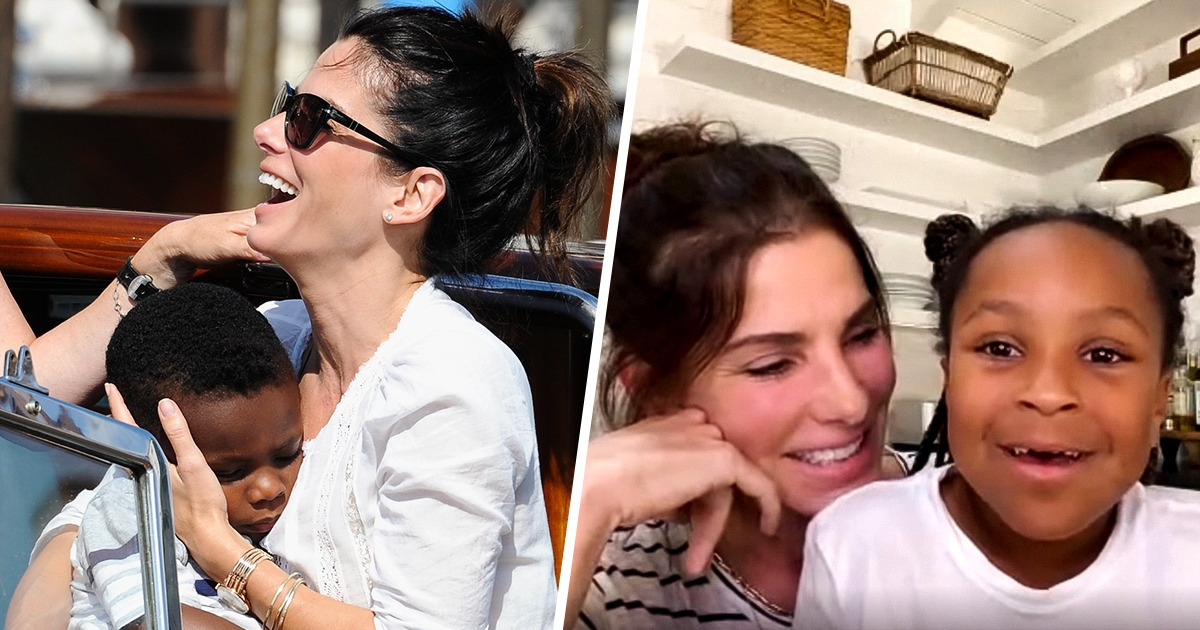
Bullock Says She Became Hypervigilant
As Randall’s condition worsened, Bullock became intensely focused on maintaining his care.
She described herself as becoming almost consumed by vigilance.
She had to make sure Randall was safe, but she also had to keep an entire home-care system functioning.
That was particularly difficult because much of his illness unfolded during the COVID-19 pandemic.
Bullock needed nurses who could safely enter the home, handle the physical demands of caring for Randall and respect the extreme privacy surrounding his diagnosis.
Randall was 6-foot-2, which meant Bullock specifically needed caregivers physically capable of helping move and support him.
Eventually, she assembled a team of four male nurses.
Finding them, she joked, felt like a covert intelligence operation.
Bullock said she contacted a doctor she knew and pleaded for help while insisting that Randall’s diagnosis remain confidential.
That level of constant management inevitably affected the household.
And her children noticed.
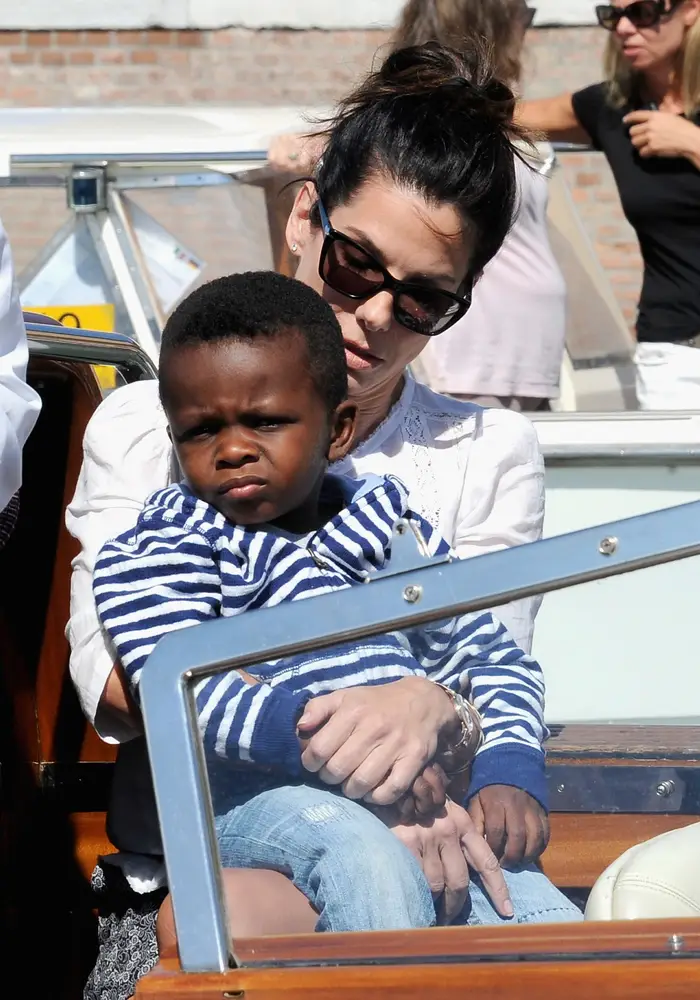
Louis Chose to Create Some Distance
One of the most revealing parts of Bullock’s account is how differently Louis and Laila responded.
Louis eventually decided that remaining deeply involved in the situation was emotionally unhealthy for him.
Bullock said that roughly two years before Randall’s death, her son recognized that he needed some distance.
Rather than interpreting that as abandonment, Bullock respected it.
She said Louis remained supportive and helped her with things that felt manageable to him, but he intentionally stepped away from the more difficult parts of Randall’s illness.
Bullock considered that decision mature.
She also made sure Louis understood that he was not expected to become “the man of the family.”
That distinction mattered.
A teenage boy watching his mother care for a seriously ill partner could easily feel pressure to become another caregiver or assume responsibilities beyond his age.
Bullock did not want that.
When Louis essentially told her that he needed to occupy a safer emotional space, Bullock told him that was acceptable.
“I got this,” she recalled telling him.
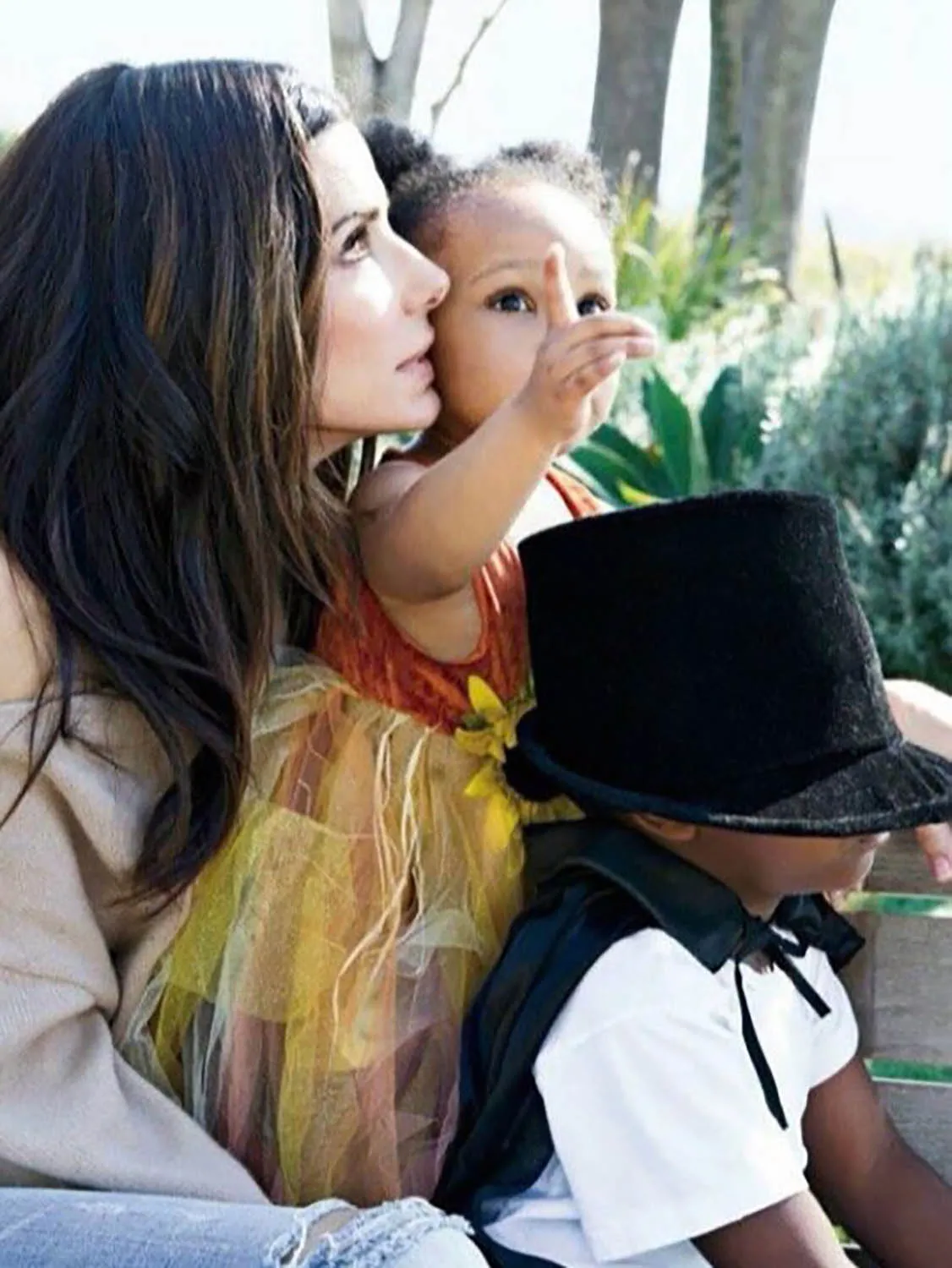
Laila Stayed Close Longer — Until She Couldn’t
Laila reacted differently.
Bullock said her daughter remained more closely bonded to Randall through much of the illness.
But eventually, she reached her own limit.
About six months before Randall’s death, Laila asked her mother to begin declining invitations for her to visit him.
Again, Bullock did not push.
She told her daughter she could stop going.
But she also left the door open.
If Laila ever changed her mind and wanted to see Randall, Bullock promised she would accompany her and stay beside her.
And if the experience became too much, they could leave immediately.
That response illustrates the philosophy Bullock appears to have adopted throughout Randall’s illness.
Her children needed information.
They needed support.
But they did not need to prove their love by exposing themselves to more than they could emotionally handle.

Randall’s Care Had Its Own Area of the House
Bullock was able to make an unusual arrangement inside her home that helped separate Randall’s medical care from the rest of family life.
She said the layout allowed her to close off an entire section of the property.
Randall and his care team had their own area, with a separate entrance and access to an outside garden.
The arrangement also helped Bullock maintain strict COVID precautions.
She said she would not allow people to move freely in and out of the house without extensive testing.
That separation may also have given Louis and Laila some control over how much of Randall’s day-to-day decline they witnessed.
ALS was present inside their home, but the medical environment did not have to occupy every room.
Bullock Had the Financial Resources to Provide In-Home Care
Bullock also openly acknowledged something many families confronting ALS do not have.
She could afford extensive in-home care.
She said she was fortunate to have the financial resources necessary to create the arrangement.
That acknowledgment is important because caring for someone with advanced ALS can require enormous physical, emotional and financial resources.
Bullock was able to bring medical professionals into the home and adapt the space around Randall’s needs.
Even with those advantages, she described the experience as intensely difficult.
The logistical burden alone was enormous.
And underneath all of it was the knowledge that her children were watching someone they loved become progressively more ill.
Randall Died After a Private Three-Year Battle
Randall died in August 2023 after living with ALS for approximately three years.
He was 57.
His family announced his death at the time and explained that he had chosen to keep his battle with the disease private.
They also thanked the medical professionals who had helped care for him.
Bullock largely withdrew from public discussion of the loss afterward.
Her new comments provide one of the clearest accounts yet of what those years looked like inside the household.
They reveal not only what Randall endured, but how Bullock tried to manage the emotional impact on her children.
There Was No Single “Right” Way for Her Children to Cope
Perhaps the most striking part of Bullock’s story is that Louis and Laila did almost opposite things.
Louis stepped back earlier.
Laila stayed close longer.
Then Laila eventually asked for distance too.
Bullock accepted both responses.
She did not appear to measure their love for Randall by how often they visited him or how much of his illness they could tolerate watching.
Instead, she let them recognize their own emotional boundaries.
That approach may be why her recollection feels so different from the usual celebrity story about caregiving.
It is not simply about devotion.
It is also about permission.
Permission for a child to say, “This is too much for me.”
Permission to stay close.
Permission to step away.
And permission to return later without guilt.
Bullock could not protect Louis and Laila from knowing that Bryan Randall was seriously ill.
They were too perceptive, and the disease eventually became too visible.
What she could do was make sure they did not have to navigate that reality alone.
She gave them a therapist.
She explained what was happening.
She built a care system inside the home.
And when each child decided how much they could emotionally handle, she listened.
Randall’s ALS changed everyone in the household.
Bullock’s goal was not to make her children pretend otherwise.
It was to help them survive that change in the way each of them needed.