Crystal Hefner Says Life Inside the Playboy Mansion Left Her Feeling ‘Brainwashed’ Years After Hugh Hefner’s Death
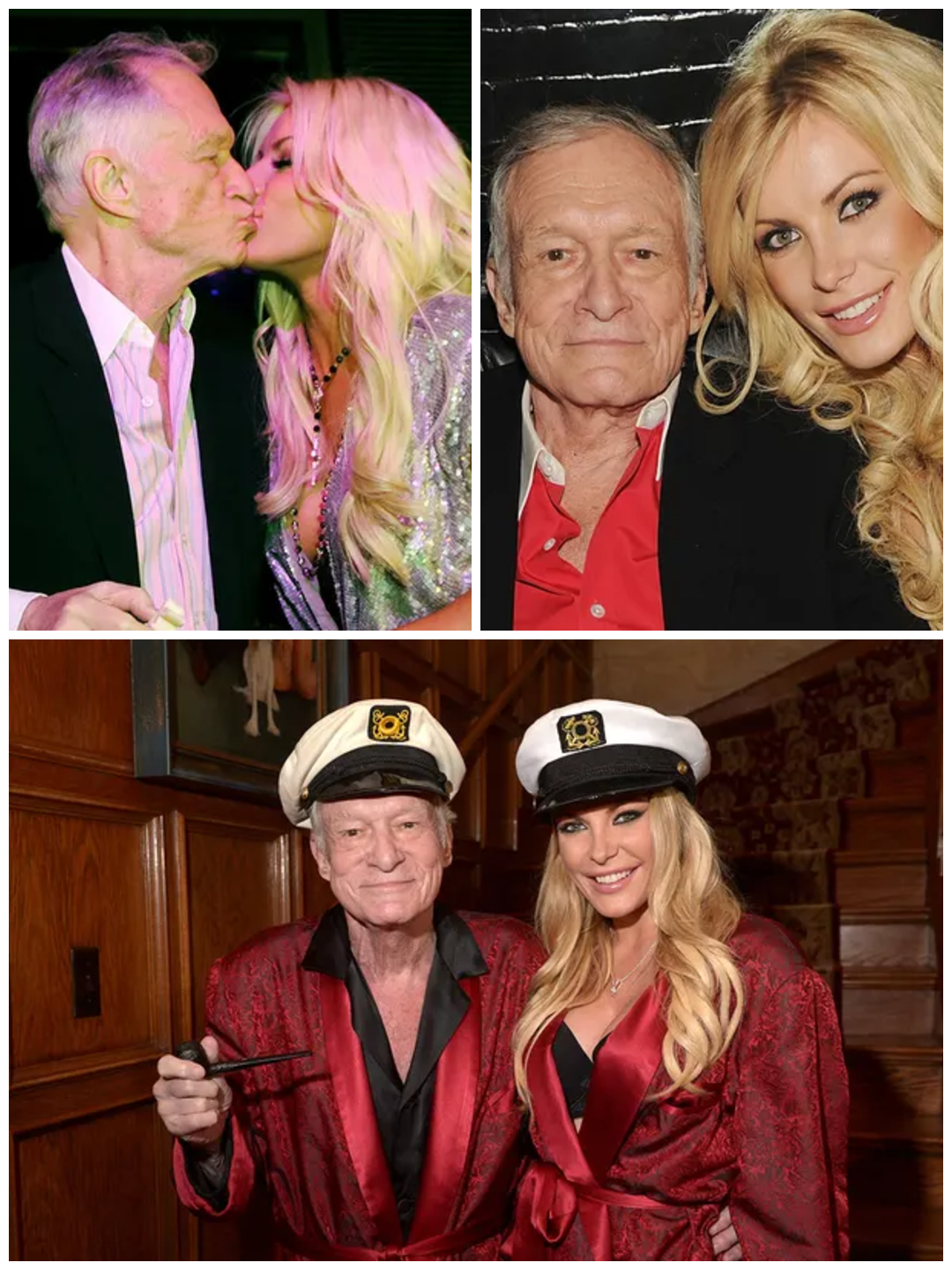
For years, the Playboy Mansion was presented to the outside world as a symbol of luxury, celebrity and endless parties.
But Crystal Hefner says the life she experienced behind its gates looked very different from the fantasy people saw in magazines and on television.
Crystal, who married Playboy founder Hugh Hefner in 2012 and remained his wife until his death in 2017, is once again speaking openly about the rules, isolation and emotional pressure she says shaped their relationship.
During a recent appearance on the No One Asked Her podcast with Firerose, Crystal said that she now believes she had become “absolutely brainwashed” while living with Hefner. At the time, however, she struggled to understand why her private experience seemed so different from the public image surrounding her husband.
She Wondered If She Was the Problem
One of the most difficult parts of Crystal’s experience, she explained, was seeing Hefner celebrated almost everywhere she looked.
For decades, the Playboy founder had been portrayed as a cultural icon — a wealthy publisher surrounded by celebrities and beautiful women at one of America’s most famous private residences.
Crystal said that widespread admiration caused her to question her own feelings.
If so many people regarded Hefner as extraordinary, she wondered whether something might instead be wrong with her.
Looking back, she believes that mentality caused her to defend things she would now view very differently. She recalled watching old interviews involving Hefner and women who challenged his views, yet finding herself instinctively taking his side even when doing so conflicted with her own interests.
That disconnect became clearer only after she had spent years away from the mansion.
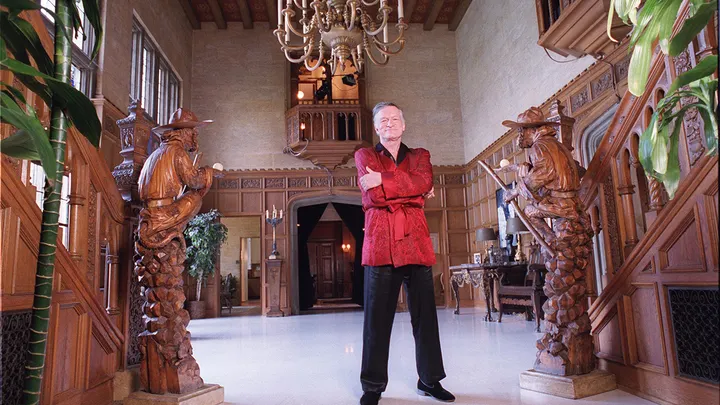
The Mansion Had Rules That Controlled Her Daily Life
Crystal said control did not always arrive in the form of an obvious command.
Sometimes it appeared as part of the mansion’s routine.
She recalled that movie nights began at 6 p.m., meaning she was expected to be home early. What may have sounded like a simple household tradition effectively became a curfew, she said.
The routine became so deeply embedded in her life that after Hefner died, Crystal realized she barely knew how to use the headlights in her own car because she had become accustomed to returning home before darkness.
She also described living in an environment where dozens of employees were constantly around her, contributing to the feeling that her life was being observed and structured.
Crystal began dating Hefner when she was only 21. Their relationship attracted particular attention because of their enormous age difference.
The couple became engaged in 2010, when Crystal was 24 and Hefner was 84.
Their first wedding plans fell apart dramatically in 2011, when Crystal called off the ceremony only days before it was scheduled to happen. They later reconciled, however, and married in 2012.
Crystal was 26. Hefner was 86.
They remained married until his death at age 91 in September 2017.
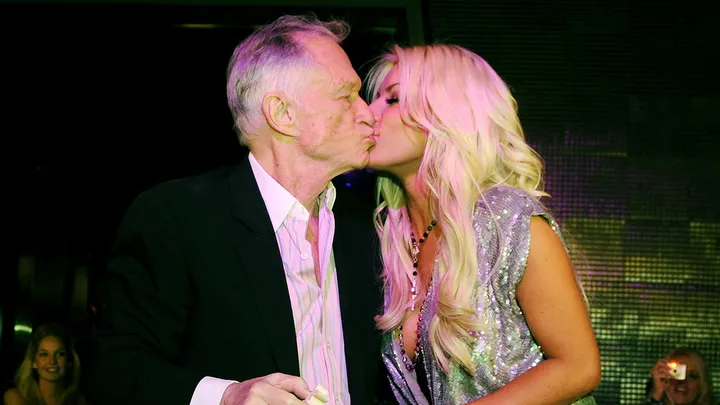
Even Her Appearance Was Subject to Rules
The restrictions Crystal now describes went far beyond schedules.
She has previously said Hefner made comments about her weight and expected her to maintain a particular appearance.
According to Crystal, he would tell her what kinds of clothing to wear, which nail colors were acceptable and how her hair should look. She said she was expected to keep her blonde roots carefully maintained and to wear clothing displaying the Playboy logo.
When her roots began growing out, Crystal recalled Hefner drawing attention to them as a signal that she needed to have them fixed.
At the time, instead of questioning why another person had so much influence over her appearance, Crystal said she interpreted the criticism as motivation to improve herself.
That reaction is something she now finds revealing.
Rather than thinking that Hefner had crossed a line, she focused on becoming thinner, dressing differently or doing whatever she believed would make him happier.
Years later, Crystal has described their marriage as emotionally abusive, saying Hefner could alternate between charm and cruelty.
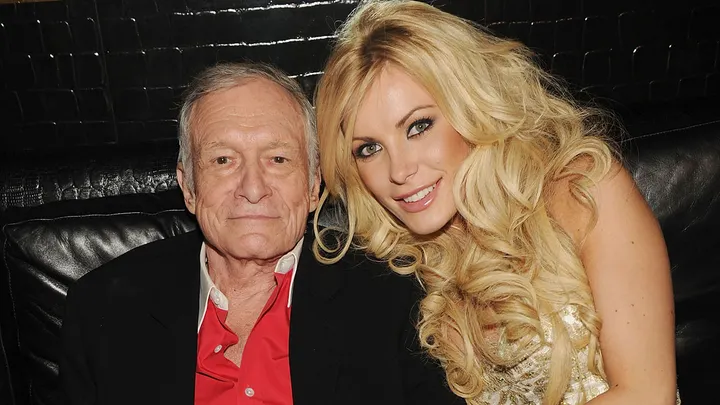
Hefner’s Death Did Not Immediately Make Leaving Easy
When Hugh Hefner died, Crystal suddenly found herself facing a world outside the highly controlled environment where she had spent much of her adult life.
Leaving was not as simple as walking through the mansion gates.
Crystal said she remained inside the house for approximately six weeks after his death and had difficulty even leaving the bedroom where she was staying.
She also avoided the bedroom she had shared with her husband.
Part of the confusion, she explained, came from Hefner having been elderly throughout much of their relationship. Because he had remained a major public figure for so long, she had developed an almost subconscious feeling that he would simply always be there.
Her immediate comments after his death reflected a very different perspective from the one she expresses today.
Shortly after Hefner died, Crystal publicly spoke with gratitude about the experiences and opportunities he had given her. She credited him with exposing her to a world she otherwise might never have experienced.
That difference between her comments then and now, she says, came after years of distance and therapy.
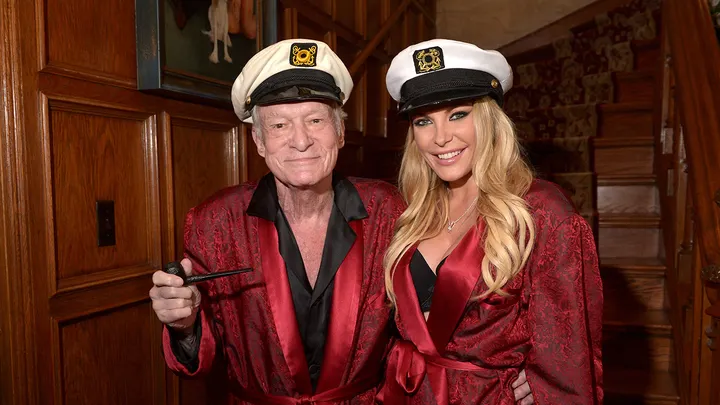
Five Years Away Changed How She Saw the Relationship
Crystal began reexamining her Playboy years after leaving the mansion and spending significant time in therapy.
She previously told Fox News Digital that being away for roughly five years helped her realize how deeply the experience had affected her.
Her reflections eventually became the foundation of her 2024 memoir, Only Say Good Things: Surviving Playboy and Finding Myself.
The title itself carried a particular meaning.
Crystal had spent years protecting Hefner’s legacy and presenting their relationship positively. Her book represented an attempt to describe the parts of her life at the mansion that she felt had been hidden behind Playboy’s glamorous public image.
When the memoir was released, Playboy did not respond to Fox News Digital’s request for comment regarding Crystal’s claims.
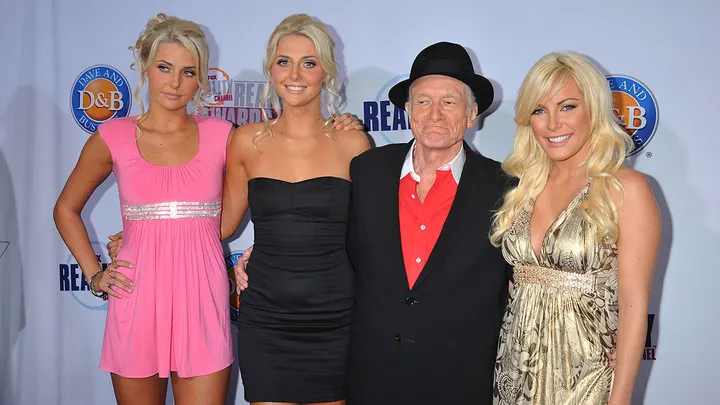
She Now Uses a Very Different Word for What Happened
Crystal has gone so far as to compare her emotional attachment to Hefner with Stockholm syndrome, describing the mansion as a closed environment where circumstances that might have seemed troubling elsewhere could gradually begin to feel normal.
She has also questioned why she felt such a powerful need to protect Hefner, even when she believed his behavior was hurting her.
Perhaps she sympathized with him, she has suggested. Perhaps living inside such an isolated world changed how she interpreted what was happening.
Whatever the explanation, Crystal says she sees those years very differently at 40 than she did as the young woman who first entered Hefner’s world at 21.
From the outside, the Playboy Mansion represented freedom and excess.
For Crystal Hefner, however, the most lasting story may be about something almost entirely opposite: how easily rules, routines and expectations can become normal when someone lives inside them long enough — and how much distance it can take before that person begins to see the experience differently.