Psychiatrist Says Lindsay Clancy Was in a “Serious Psychiatric State” Before Her Children’s Deaths
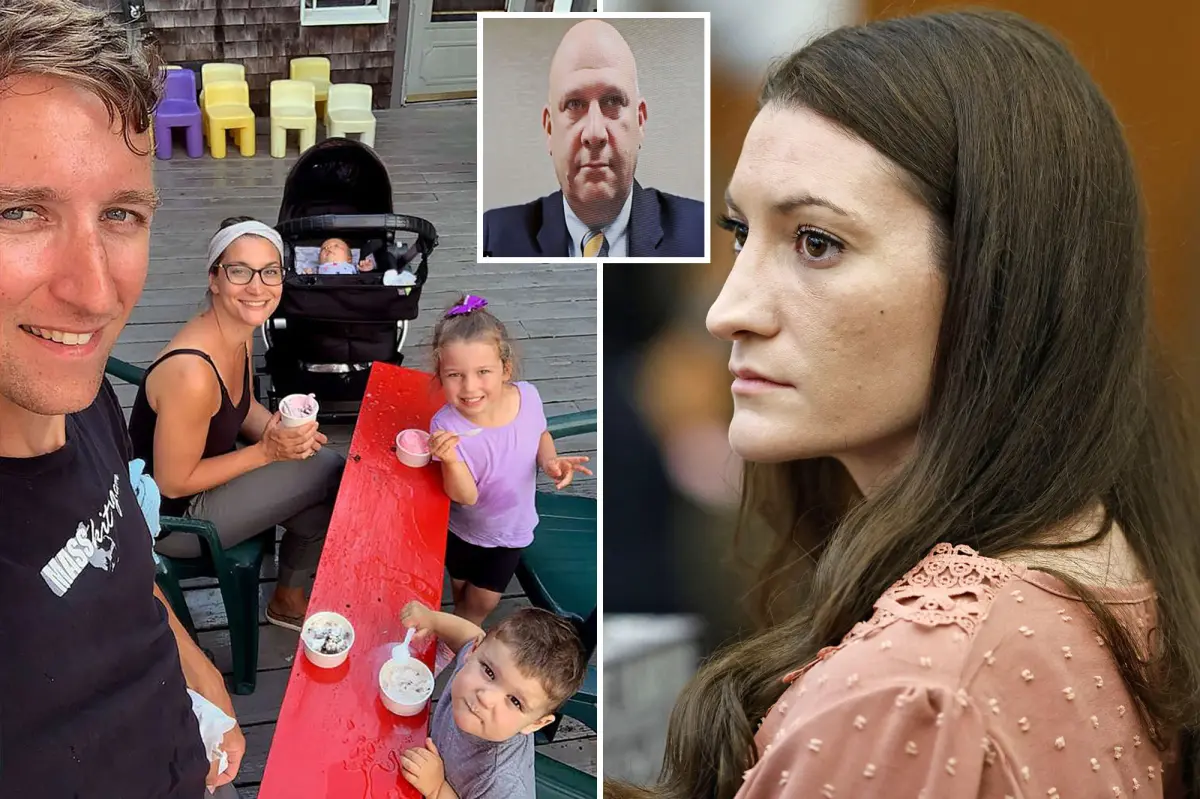
Psychiatrist Says Lindsay Clancy Was in a “Serious Psychiatric State” Before Her Children’s Deaths
PLYMOUTH, Massachusetts — A psychiatrist testifying for the prosecution in Lindsay Clancy’s closely watched murder trial acknowledged that the Massachusetts mother was experiencing a serious psychiatric crisis before her three children lost their lives.
But despite acknowledging the severity of her condition, Dr. Avram Mack told jurors that he did not believe Clancy was suffering from psychosis or that her mental state prevented her from understanding that her actions were wrong.
His testimony has become a key part of the prosecution’s effort to challenge the defense’s argument that Clancy should not be held criminally responsible because of severe postpartum psychosis.
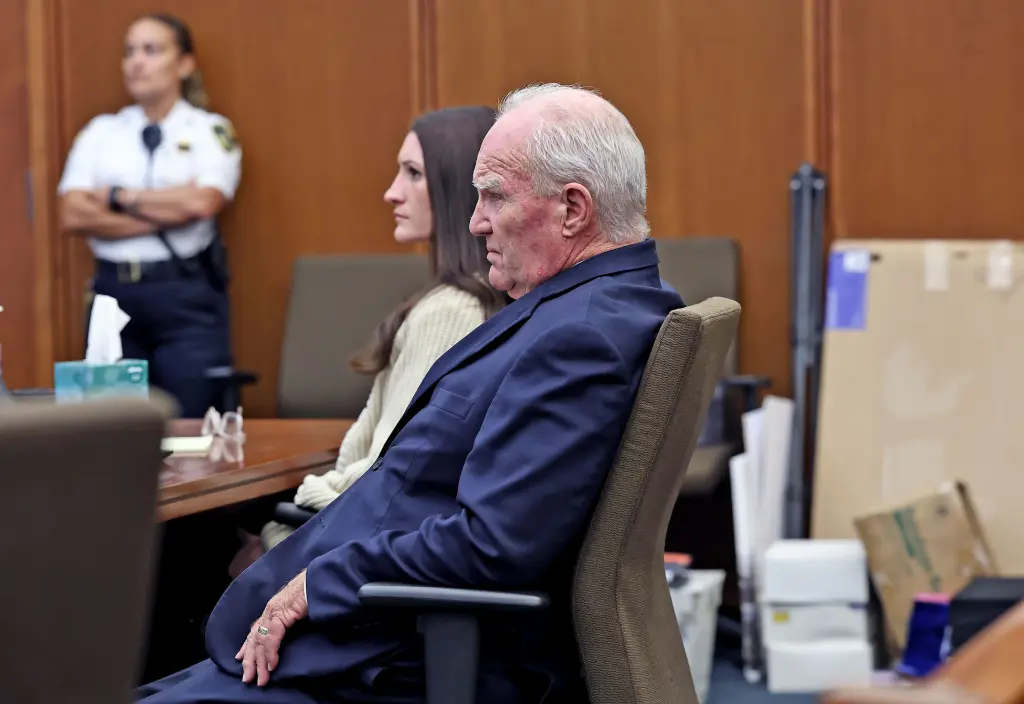
Psychiatrist Acknowledges She Was Struggling
Mack told the court that Clancy was suffering from a major depressive episode around the time of the January 2023 tragedy.
He agreed with defense attorney Kevin Reddington that Clancy was experiencing significant psychological suffering.
However, Mack said he found no evidence in her medical records that she displayed psychotic symptoms.
“I didn’t find any evidence of psychosis in her record,” Mack testified, according to the report.
The distinction is crucial because the defense is arguing that Clancy’s mental illness left her unable to appreciate the wrongfulness of what she was doing.

Defense Argues Postpartum Psychosis
Clancy’s attorneys have acknowledged that she was responsible for the deaths of her three children but argue that she should not be found criminally responsible because she was experiencing severe postpartum psychosis.
The defense says Clancy had struggled with depression, anxiety, intrusive thoughts and other serious mental-health symptoms in the months leading up to the tragedy.
Defense experts have testified that she was experiencing a severe psychiatric disorder and that her condition may have been affected by the medications she was taking.
The prosecution, however, argues that Clancy’s condition did not reach the level required to excuse her from criminal responsibility.
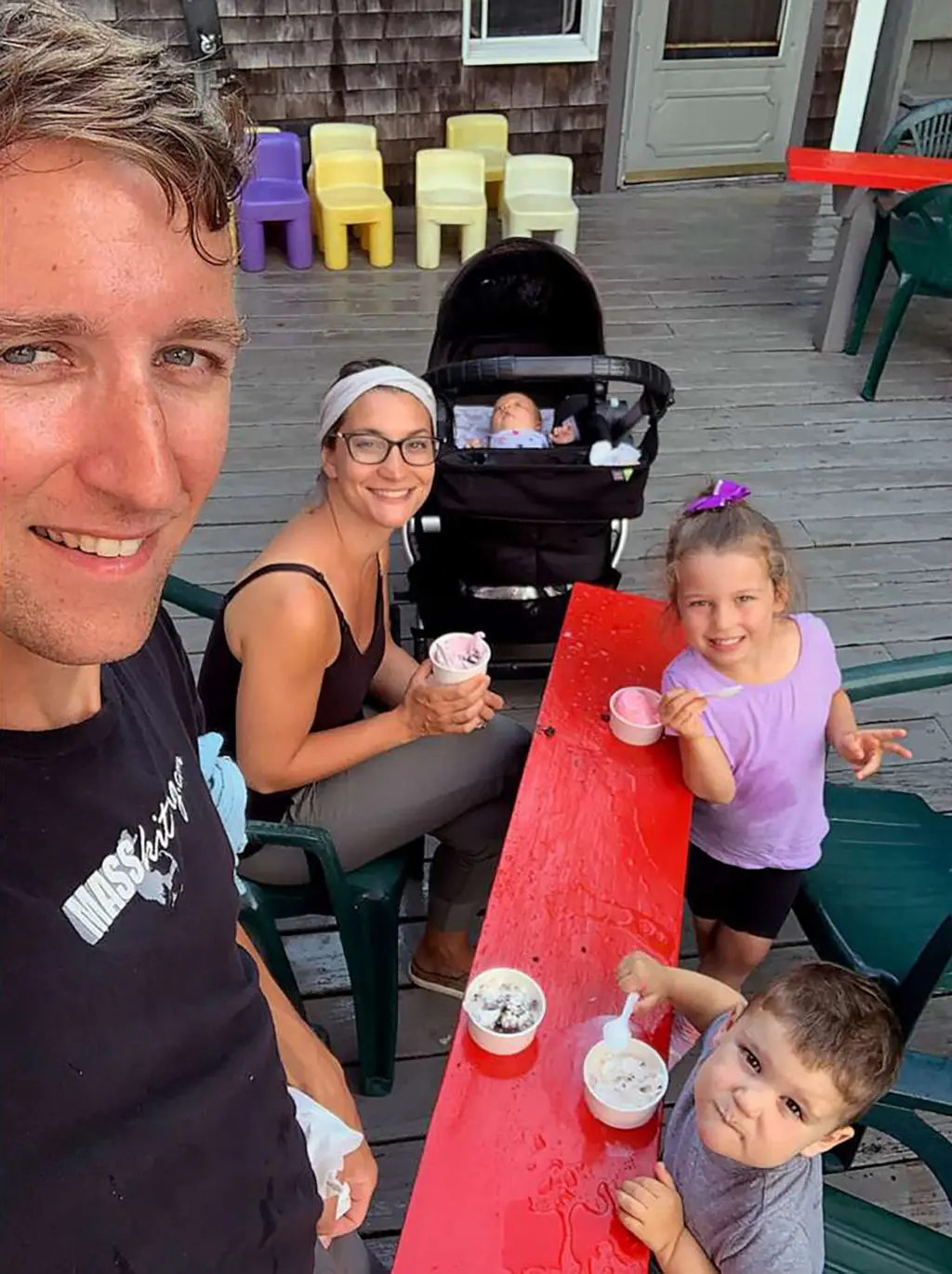
Prosecutor’s Expert Disputes Hallucination Claims
Another prosecution witness, forensic psychologist Dr. Kirk Heilbrun, also challenged Clancy’s account of experiencing a male voice shortly before the incident.
Heilbrun told jurors that he did not believe the alleged hallucination was consistent with typical psychosis.
He pointed to what he described as inconsistencies in Clancy’s accounts and noted that she reportedly described hearing the voice only around the time of the tragedy rather than experiencing similar hallucinations beforehand or afterward.
The defense disputes that interpretation and maintains that Clancy’s psychiatric condition was much more severe than prosecutors acknowledge.

Mental Health Is at the Center of the Trial
The trial has increasingly focused on an important question: Can someone be held criminally responsible for an act committed while experiencing an extreme psychiatric disorder?
Prosecutors argue that Clancy understood the nature of her actions and knew they were wrong.
The defense argues that her mental illness prevented her from fully appreciating the consequences of what she was doing.
The competing expert testimony has placed Clancy’s mental state at the center of the case.

Her Earlier Struggles Have Also Been Examined
Earlier testimony in the trial revealed that Clancy had sought professional help before the tragedy.
She had experienced significant anxiety, depression and intrusive thoughts and had sought treatment from multiple medical providers.
She also spent several days at a psychiatric facility in early January 2023, only weeks before the deaths of her children.
Phone records presented in court also showed searches involving mental-health conditions, medication side effects and other concerns during the weeks before the tragedy.
The defense says those records demonstrate how seriously Clancy was struggling.
Prosecutors, meanwhile, have argued that she had access to medical care and that doctors did not observe evidence of psychosis or a plan to harm her children.

Trial Nears Its Final Stage
Mack was among the final witnesses expected to testify as prosecutors presented their rebuttal case.
The trial, which has attracted significant national attention, is now approaching closing arguments and jury deliberations.
The jury will ultimately have to decide whether Clancy’s mental state meets the legal standard for being found not criminally responsible.
For the defense, the testimony about her psychiatric condition is central to its case.
For prosecutors, the fact that Mack acknowledged she was suffering while still concluding that she understood the wrongfulness of her actions is a crucial distinction.
The case therefore continues to revolve around a difficult question at the intersection of mental illness, postpartum psychiatric disorders and criminal responsibility, with the final decision now resting with the