The Good Nurse: The True Story Charles Graeber Found Was Even Darker Than the Movie
When journalist Charles Graeber first became interested in Charles Cullen, he wasn’t planning to spend years investigating one of the most disturbing cases in American medical history.
At the time, Cullen was already behind bars.
The former nurse had admitted killing patients while working at hospitals in New Jersey and Pennsylvania, and the broad outline of his story appeared to be settled: a disturbed health-care worker had secretly murdered vulnerable patients until authorities finally caught him.
But one unusual detail caught Graeber’s attention.
Cullen was trying to donate a kidney from prison.
That strange development made Graeber curious enough to start asking questions.
What he eventually discovered was far more complicated than the familiar story of a lone serial killer hiding inside hospitals.
Cullen had worked within the health-care system for approximately 16 years. During that period, warning signs repeatedly appeared. Yet he continued moving from facility to facility, often leaving with references that allowed him to find another nursing job.
For Graeber, the story was no longer simply about Charles Cullen.
It was about the institutions that repeatedly failed to stop him.
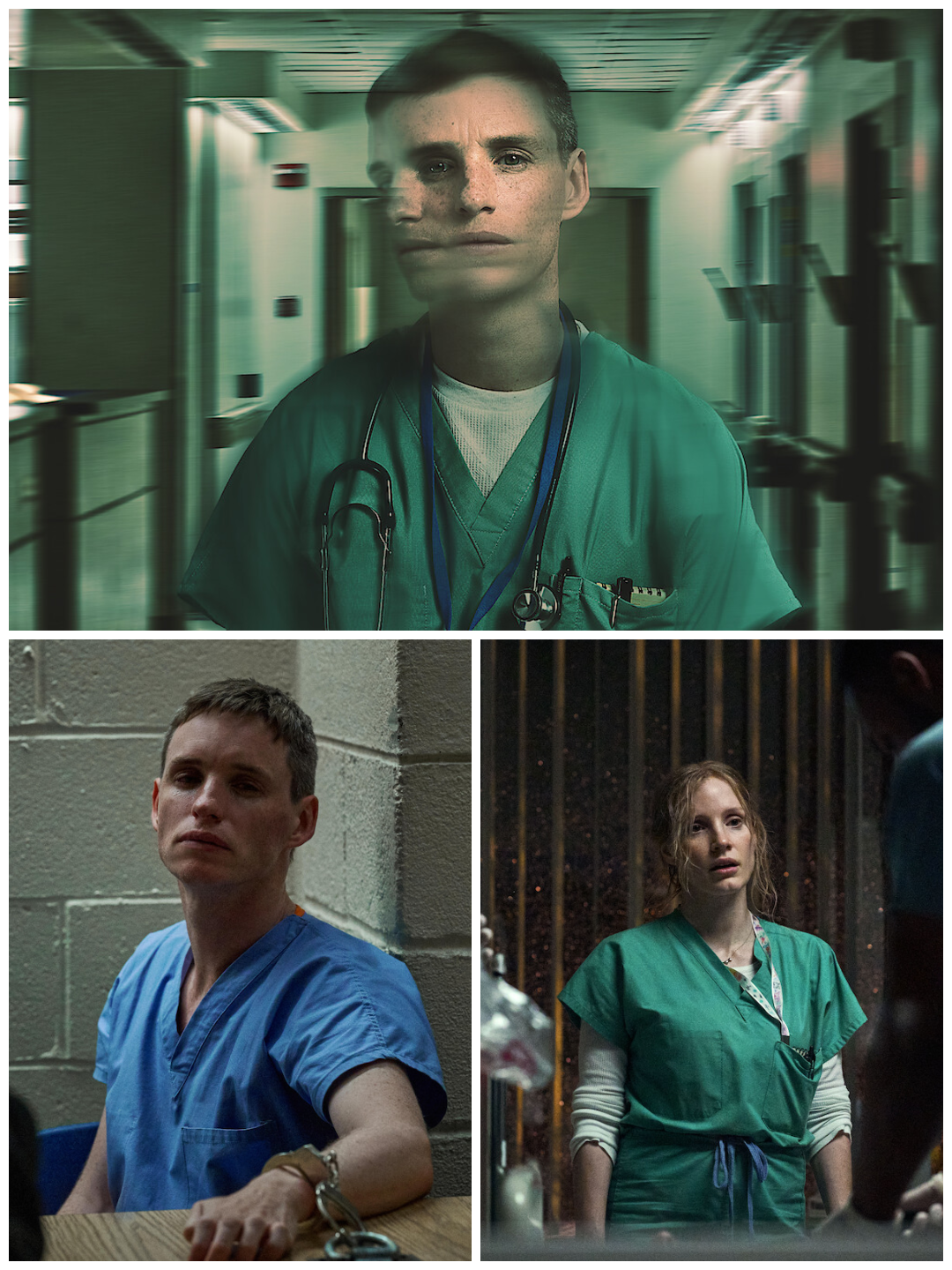
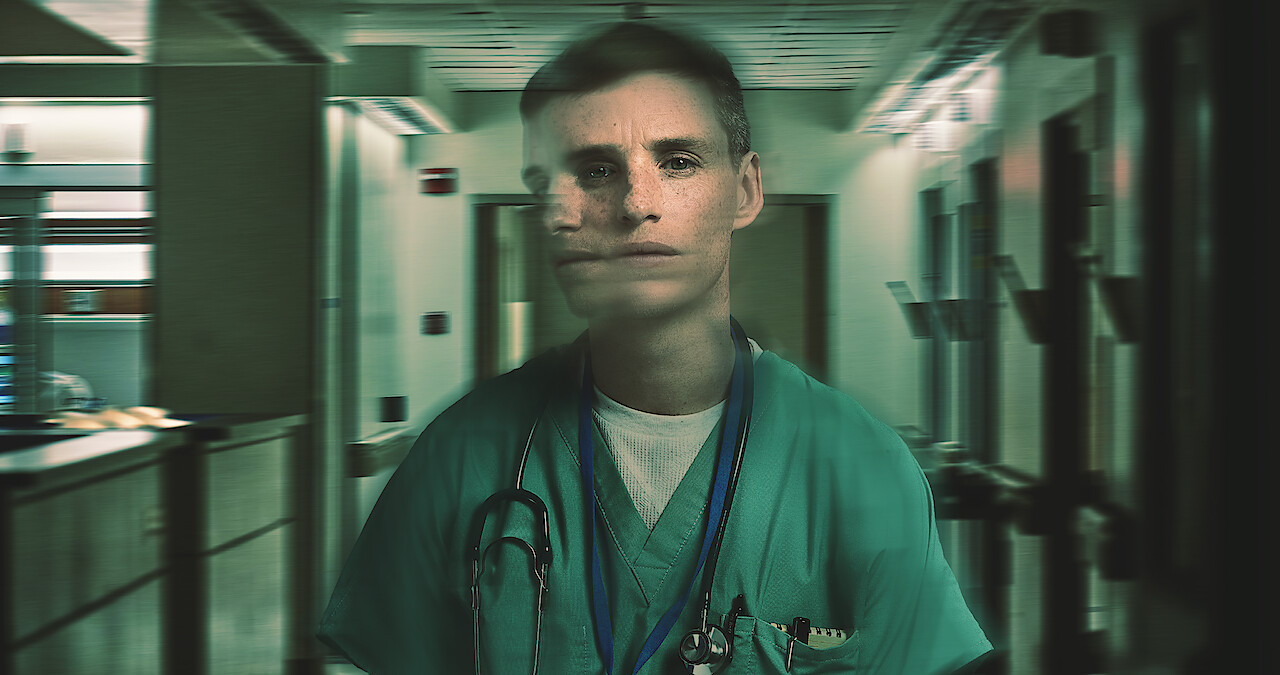
That investigation became Graeber’s 2013 book The Good Nurse: A True Story of Medicine, Madness, and Murder, which later inspired Netflix’s The Good Nurse, starring Eddie Redmayne as Cullen and Jessica Chastain as nurse Amy Loughren.
Graeber Initially Thought He Was Investigating a Much Simpler Crime Story
When Graeber first heard about Cullen, the common version of events was relatively straightforward.
A so-called mercy killer had somehow been able to murder patients inside hospitals.
Eventually, the hospitals recognized what was happening.
Authorities caught him.
He went to prison.
Case closed.
Except that Cullen wasn’t interested in talking about what had happened.
Graeber said Cullen appeared determined to disappear into prison and take the full story with him.
The hospitals involved did not seem particularly eager for further scrutiny either.
Then something unexpected happened.
Cullen began communicating with Graeber.
First came letters.
Eventually, the two began meeting.
Those conversations helped Graeber realize that the story he thought he understood was almost backward.
Cullen Had Been Flagged Again and Again — Yet Kept Finding New Jobs
The most disturbing discovery was not simply how long Cullen had been killing patients.
It was how many opportunities there had been to stop him.
According to Graeber, Cullen moved through nine hospitals and a nursing home over roughly 16 years.
Concerns repeatedly surfaced.
Investigations happened.
Employers became suspicious.
Yet Cullen was able to move on and obtain work elsewhere, sometimes receiving neutral or even positive references.
Graeber said experts he consulted believed Cullen’s real victim count could have been somewhere between 300 and 400 people, far beyond the number of murders officially established.
That estimate remains an estimate rather than a proven body count.
But even without knowing the exact number, the pattern raised an extraordinary question:
How could someone repeatedly attract suspicion in medical institutions and still continue gaining access to patients?
For Graeber, that institutional failure became as important as Cullen himself.
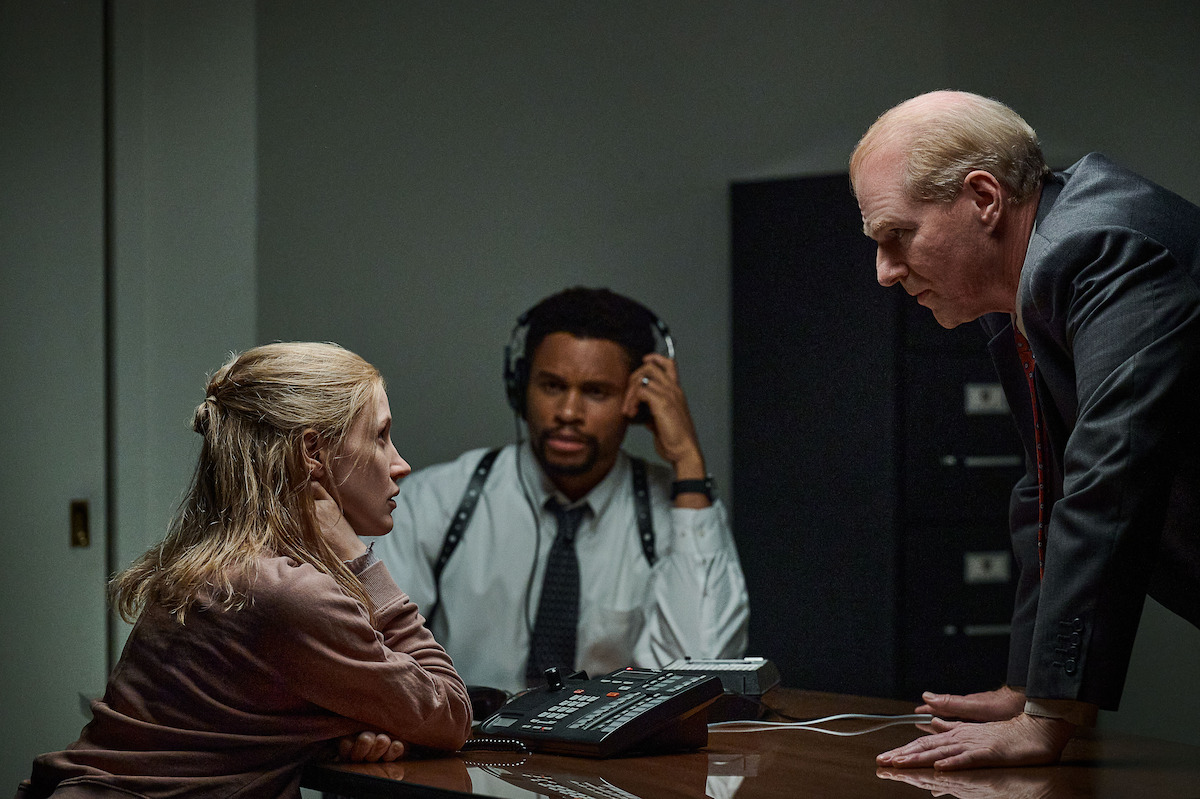
Then Graeber Found Amy Loughren
Amy Loughren wasn’t initially the person Graeber expected to become the emotional center of the story.
As he investigated Cullen’s career, more people began trusting him with pieces of information.
Detectives spoke with him.
So did nurses, relatives, priests and whistleblowers.
Somewhere in those accounts, Graeber came across a brief reference to another nurse who had helped investigators.
That nurse was Amy Loughren.
He tracked her down.
What he discovered changed the way he understood the entire Cullen story.
Unlike homicide investigators, Amy did not spend her professional life dealing with killers.
Unlike Cullen, she did not view death through the distorted mindset of someone deliberately causing it.
She was an ordinary nurse with a family, a demanding job and serious health problems of her own.
That made her the person through whom audiences could understand the horror of discovering that someone they trusted might be killing patients.
Graeber came to see Amy not simply as another witness but as the heart of the story.
Amy and Charlie Really Were Close Friends
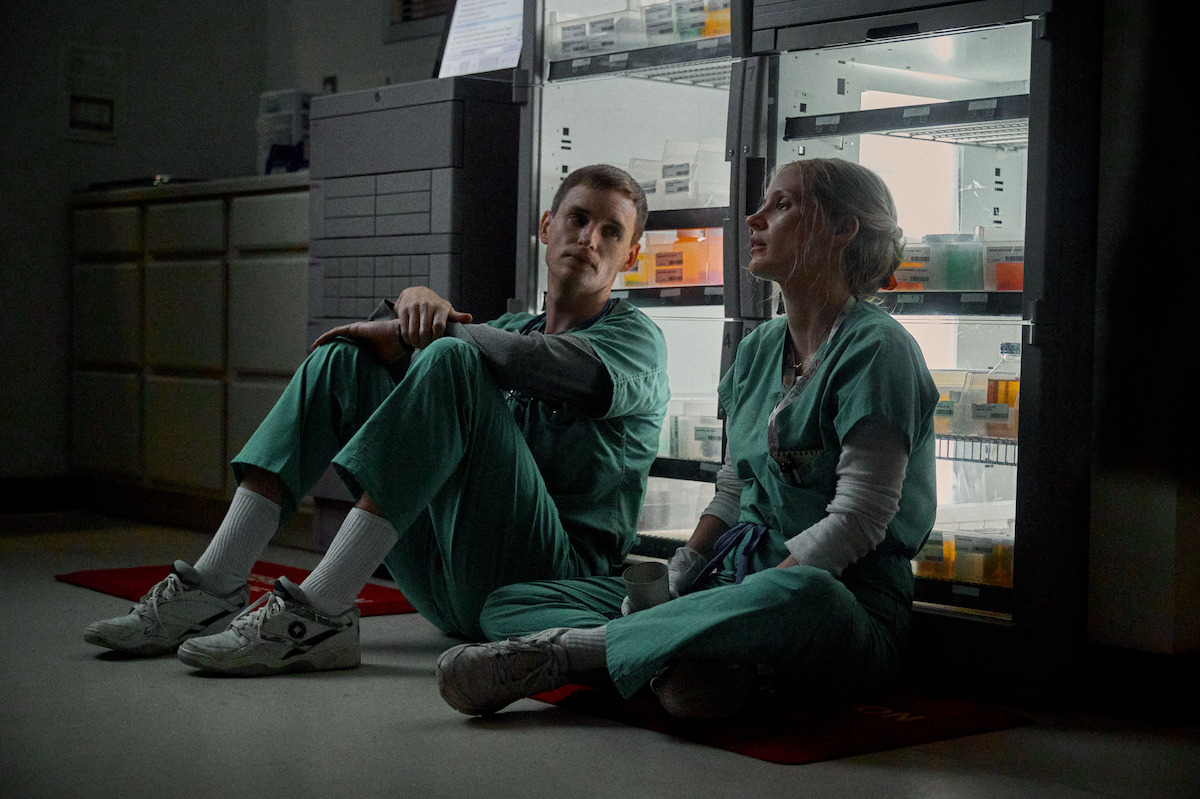
One of the most important relationships in Netflix’s The Good Nurse is also one of its most unsettling.
Amy doesn’t initially see Charlie Cullen as a monster.
She trusts him.
The two work difficult shifts together.
He helps her.
She protects him.
And according to Graeber, that closeness was real.
He described Amy and Charlie as something like workplace spouses.
Amy had experienced hardship earlier in life and developed a personality that was fiercely loyal toward people she considered friends.
Charlie appeared to need exactly that kind of person.
Cullen repeatedly formed close relationships with women who felt protective toward him.
Amy therefore believed she was helping a vulnerable colleague.
At the same time, she depended on him too.
Amy was suffering from a serious heart condition and was trying to continue working until she qualified for health insurance.
Charlie helped her during difficult shifts as her condition worsened.
Their friendship included trust, dependence and the dark humor health-care workers sometimes use to survive emotionally difficult jobs.
That reality makes the later revelation more disturbing.
Amy wasn’t exposing a stranger.
She was slowly realizing that someone she considered a friend might be responsible for the unexplained deaths surrounding them.
Graeber Believed the Movie Needed to Be About More Than a Serial Killer
Although his book provided the foundation for the film, Graeber didn’t officially serve as its screenwriter.
He did, however, work closely with the people adapting his research.
Screenwriter Krysty Wilson-Cairns arrived with a heavily marked copy of his book and a long list of questions.
Director Tobias Lindholm also consulted him.
Graeber shared original materials he had accumulated during years of reporting, including recordings connected to the investigation.
One particularly important piece was the real audio from the undercover operation in which Amy wore a wire while meeting Cullen.
Graeber also possessed recordings of Cullen’s confessions and, perhaps most importantly, knowledge gained from his direct conversations with Cullen.
His goal was not simply to help filmmakers make Eddie Redmayne look like a convincing murderer.
Graeber wanted them to understand what he believed the larger story was actually about.
He compared it to Titanic: the iceberg may trigger the catastrophe, but the movie isn’t really about a piece of ice.
In the same way, Cullen may be the killer at the center of The Good Nurse, but the deeper story concerns Amy, the investigators and the institutions surrounding him.
Eddie Redmayne Faced an Unusual Acting Problem
Playing Cullen created a difficult challenge for Eddie Redmayne.
Actors normally build characters by searching for motivation and emotional logic.
But how do you approach someone accused of killing patient after patient without simply turning him into a theatrical monster?
Graeber remembered Redmayne arriving with an enormous number of questions.
He wanted to know how Cullen moved.
How he interacted with people.
What seemed to motivate him.
And perhaps most difficult of all, how an actor could portray someone whose empathy appeared fundamentally different from that of the people around him.
Graeber shared observations from his own meetings with Cullen.
Redmayne absorbed details that Graeber himself barely remembered mentioning.
The result impressed people who had actually investigated the case.
After detectives saw the finished movie, Graeber said their reaction was essentially immediate:
They recognized Cullen.
Certain moments were apparently so accurate that viewers familiar with the real man wondered how Redmayne had reproduced him so closely.
The Movie, Book and Documentary Tell Three Different Versions of the Same Story
Netflix ultimately approached Cullen through more than one format.
The scripted movie focuses tightly on Amy and Charlie.
That makes sense dramatically.
Audiences experience Cullen through someone who knows and trusts him, then gradually recognizes what may be happening around her.
Graeber’s book takes a different approach.
It begins much more deeply inside Cullen’s life.
Rather than introducing him immediately as a monster, Graeber wanted readers to watch a person move through life making increasingly terrible choices.
He believed empathy — not sympathy — was an important storytelling tool.
Understanding someone’s path does not mean excusing the destination.
The documentary Capturing the Killer Nurse faced another challenge.
Documentaries cannot enter a person’s thoughts the same way a nonfiction writer can, and Cullen himself was not participating.
Instead, the documentary could use interviews, archival material and witnesses to create a wider historical picture.
That wider perspective reveals something the dramatized movie only hints at.
Amy’s experience represented the final portion of a story that had already been unfolding for approximately 16 years.
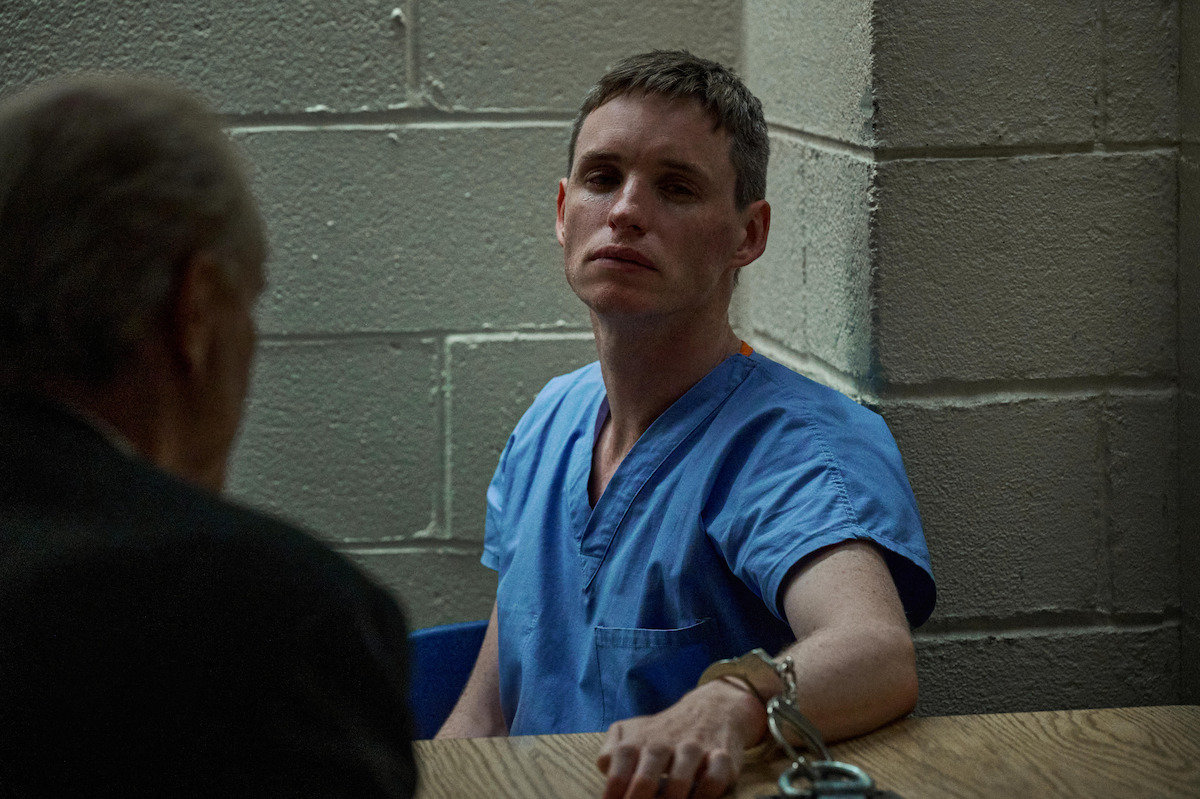
The Full Cullen Story Was Almost Too Extreme for One Movie
A conventional thriller might invent increasingly shocking obstacles to keep audiences engaged.
Graeber believed the opposite problem existed with Cullen.
There was simply too much.
Over the years, suspicions repeatedly emerged.
Investigations occurred.
Cullen changed hospitals.
He continued working.
Warning signs followed him.
Yet somehow the process repeated itself.
The movie therefore concentrates largely on the period when Cullen worked alongside Amy because that relationship gives audiences a manageable way into the story.
The documentary could step backward and show the larger pattern.
Graeber said that if filmmakers attempted to reproduce everything exactly as it happened, audiences might think it was unrealistic.
Reality had already exceeded what most screenwriters would dare invent.
For Graeber, the Unanswered Question Was Never Only Why Cullen Killed
True-crime stories often focus intensely on motive.
Why did the killer do it?
What happened during childhood?
What psychological mechanism transformed someone into a murderer?
Graeber’s investigation led him toward another question.
Why was Cullen able to continue?
Hospitals existed to protect patients.
Administrators had access to employment records.
Medical staff noticed unusual events.
Yet Graeber argued that institutions repeatedly protected themselves rather than confronting the possibility that a nurse might be deliberately harming patients.
He noted that there was never a grand jury examination of the hospitals’ role in allowing Cullen to move through the system.
From his perspective, there was never a complete institutional reckoning.
Cullen went to prison.
The organizations around him continued operating.
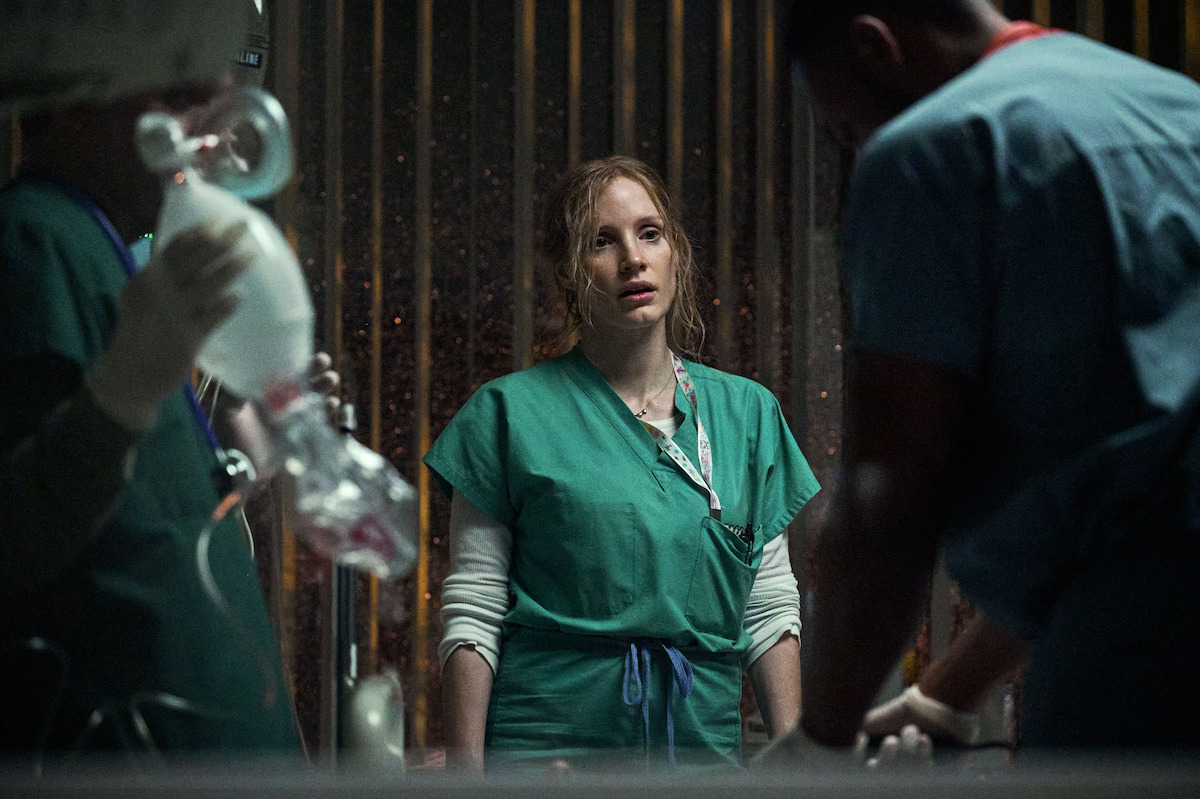
The Good Nurse Ultimately Asks Who the Health-Care System Is Supposed to Protect
That became the larger point Graeber hoped audiences would take from the story.
Cullen was eventually stopped.
Amy helped stop him.
Detectives pursued the case.
But focusing only on the serial killer risks ignoring the environment that gave him repeated access to patients.
Graeber questioned whether hospitals should primarily function as businesses designed to protect financial interests and institutional reputations — or as organizations whose first obligation is the well-being of patients.
At the same time, he did not want the story to become an attack on nurses.
Quite the opposite.
Graeber hoped the book, movie and documentary would increase appreciation for the people doing difficult medical work under extraordinary pressure.
Nurses spend their careers dealing with people during some of the most frightening and vulnerable moments of their lives.
They work exhausting hours.
They make decisions where the consequences can literally involve life and death.
Amy Loughren’s role in the Cullen investigation represented the best side of that profession.
She risked herself to help expose someone she had considered a friend.
And that is ultimately why Graeber’s story became The Good Nurse rather than simply another portrait of a serial killer.
Charles Cullen provides the darkness.
Amy provides the reason the story can be told as something more than darkness.
Because the most important question isn’t only how one nurse became a killer.
It’s how another nurse finally helped make him stop.