Lindsay Clancy Trial Takes Dramatic Turn as Psychiatric Expert Admits Her Struggles Were “Minimized”

The final witness in Lindsay Clancy’s emotional murder trial made a striking admission that could become a key moment for the defense: the prosecution’s description of her mental health struggles did not fully capture what she was experiencing before the deaths of her three children.
Forensic psychiatrist Dr. Gregory Saathoff, called by prosecutors in Plymouth County, Massachusetts, acknowledged during cross-examination that an opening statement from the prosecution “really minimizes” the severe challenges Clancy was facing in the months before the tragedy.
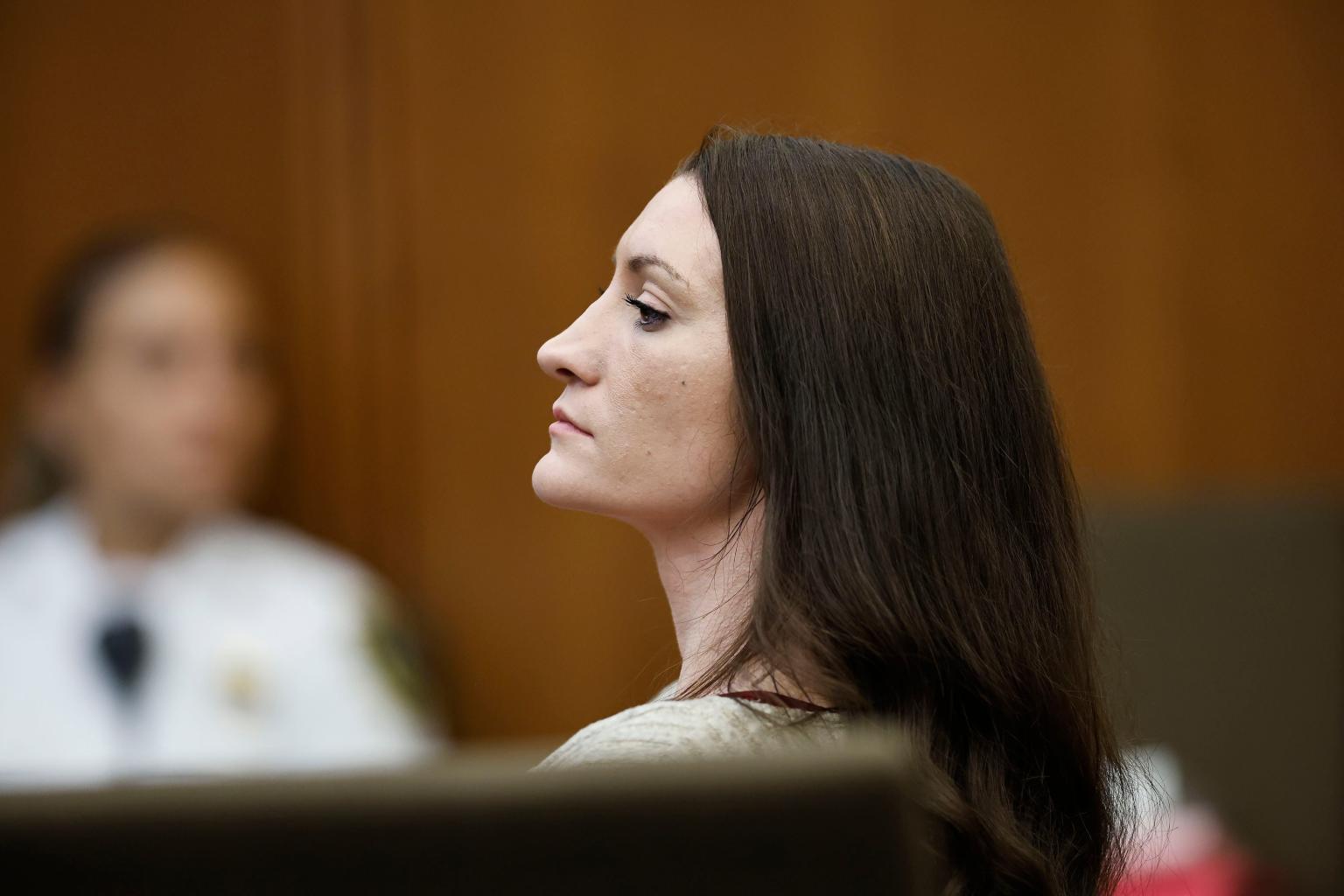
The admission came after defense attorney Kevin Reddington read portions of prosecutor Shanan Buckingham’s argument, which accused Clancy of making a deliberate choice, manipulating medical providers and abandoning treatment when she did not receive the outcome she wanted.
“Would you agree that the evidence in your opinion supports that contention?” Reddington asked.
Saathoff responded carefully, saying there was “a lot” contained in the statement.
But when pressed further, the psychiatrist acknowledged that the wording did not fully reflect the seriousness of Clancy’s condition.
“I think that statement that you read really minimizes what [Clancy] was going through,” Saathoff said.
The exchange marked one of the most significant moments in a trial centered on a difficult question: whether Clancy was a woman who knowingly committed an unimaginable crime or a severely mentally ill mother experiencing a devastating psychiatric crisis.
A Mother’s Mental Health Battle Before the Tragedy
Clancy, a former labor and delivery nurse, has pleaded not guilty by reason of insanity. Her defense argues that she was suffering from severe postpartum psychosis when she killed her three children — Cora, Dawson and Callan — in January 2023.

According to testimony presented during the trial, Clancy spent months seeking help before the tragedy.
Medical records showed that she struggled with extreme insomnia, depression, anxiety, suicidal thoughts and frightening intrusive thoughts involving harm. She contacted a suicide hotline, entered a psychiatric facility for several days and sought treatment from multiple mental health providers.
Jurors also heard that Clancy repeatedly expressed fear about her own mental state and reached out to loved ones for help.
Her defense team argues that these actions show a mother desperately trying to survive a psychiatric emergency rather than someone planning a crime with a clear mind.
Prosecutors, however, have argued that Clancy was aware of her actions and that her behavior showed planning and control.
Expert Questions Her Claims, But Acknowledges Complexity
While Saathoff supported the prosecution’s argument that Clancy was criminally responsible, his testimony also highlighted the complexity of her mental state.
The psychiatrist testified that Clancy appeared “methodical, quite controlled and organized” on the day of the killings.
He also questioned parts of her account, including her claim that she heard a male voice instructing her to kill her children and herself. Saathoff said there were inconsistencies regarding when the voice allegedly began and noted that it was unusual that she reported hearing it only during the killings and never before or afterward.
But his testimony also revealed the seriousness of the psychological crisis surrounding the case.
During the trial, jurors learned that Clancy had been prescribed numerous psychiatric medications while seeking treatment and that doctors had documented her worsening mental health struggles.
A Case That Has Divided Public Opinion
The trial has drawn national attention because it sits at the intersection of criminal responsibility, motherhood and severe mental illness.
Supporters of the defense argue that Clancy’s repeated attempts to seek help show she was suffering from an illness that overwhelmed her ability to understand reality.
Prosecutors maintain that despite her struggles, she remained responsible for her actions.
After the deaths, Clancy attempted to take her own life by cutting herself, taking multiple prescribed medications and jumping from a second-story window. The fall left her permanently paralyzed and wheelchair-bound.
Now, after weeks of testimony from about 85 witnesses, the jury faces one of the most difficult decisions in the case: whether Lindsay Clancy should be held legally responsible for the deaths of her children or whether her severe psychiatric condition prevented her from understanding the nature of her actions.
As closing arguments approach, the courtroom remains focused on one haunting question — where does the line fall between a devastating mental health crisis and criminal responsibility?
Course: NY Post