Missouri Grandma Refuses to Stop Serving Free Breakfasts After Health Officials Order Her to Get a Permit
Missouri Grandma Refuses to Stop Serving Free Breakfasts After Health Officials Order Her to Get a Permit
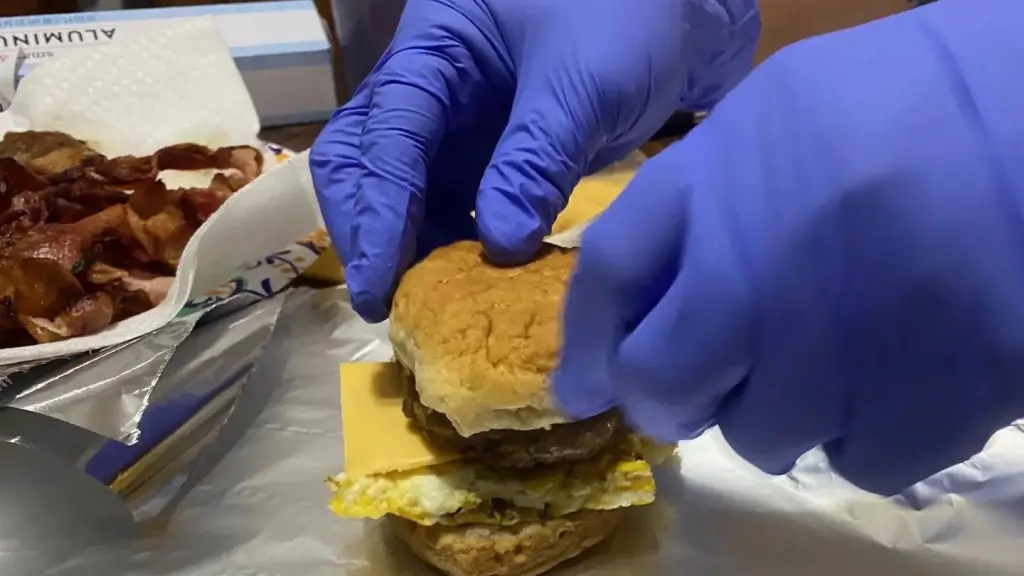
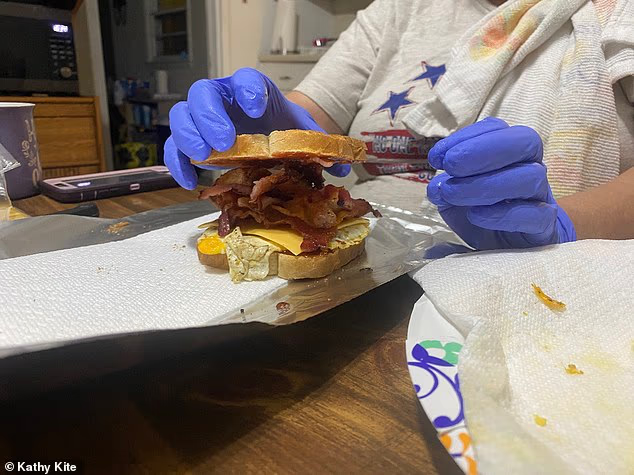
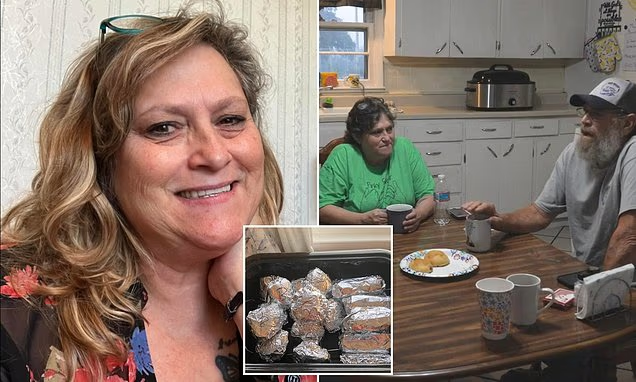
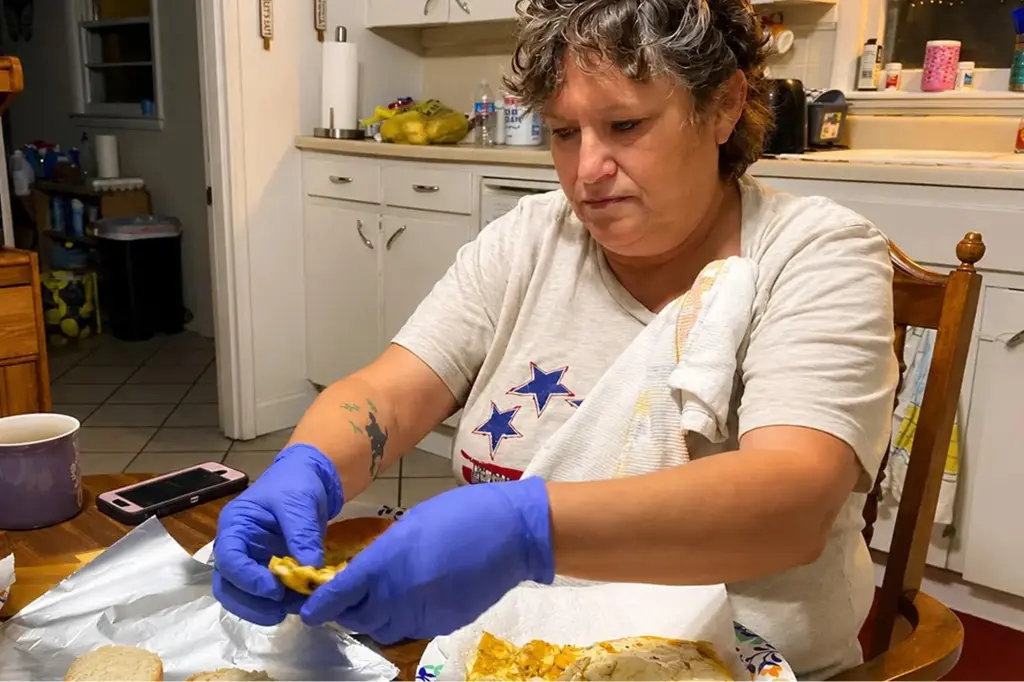
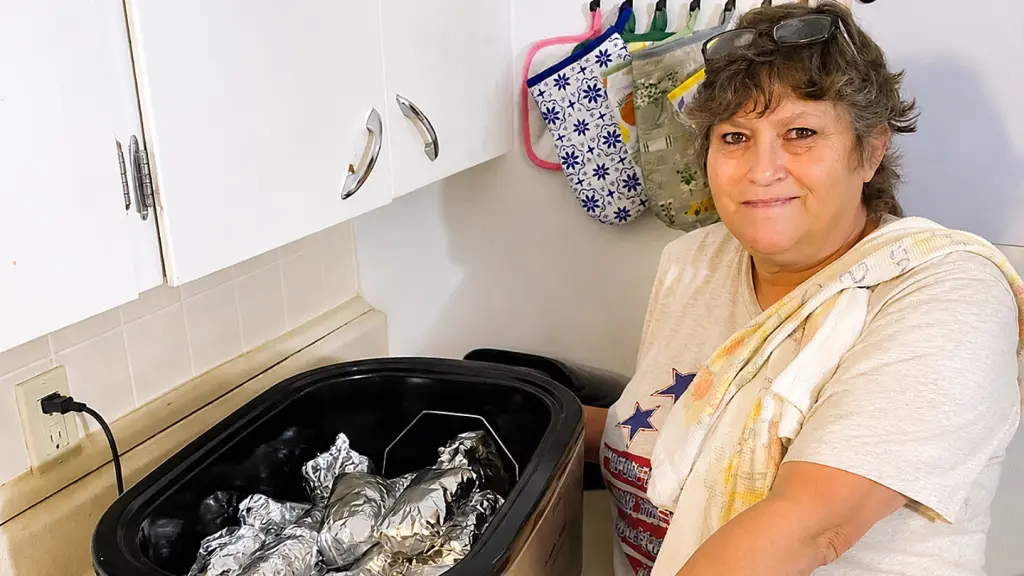
HARRISBURG, Missouri — Every weekday morning, the smell of bacon, biscuits and fresh coffee drifts through the home of Kathy Kite, where neighbors gather for a free homemade breakfast that has become the heart of her small town.
Now, the 66-year-old grandmother says she’s being told to stop.
County health officials have informed Kite that her community breakfasts qualify as a public food operation and require a food permit. But after months of feeding dozens of neighbors without charging a penny, she says she has no intention of giving up.
“They are my family,” Kite said. “I’m not going to stop feeding my community.”
A Tradition Born From Kindness
Kite began hosting the breakfasts in May 2026 after her town’s only gas station stopped serving morning meals following the pandemic.
Rather than watch neighbors lose their daily gathering place, she opened her own kitchen.
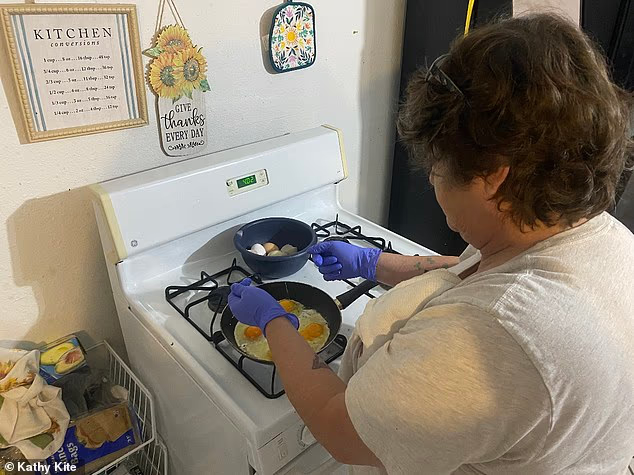
What started as a handful of friends quickly grew into a beloved routine. Farmers, retirees, teachers and local workers began meeting at her 115-year-old home for eggs, pancakes, biscuits and gravy, coffee and conversation.
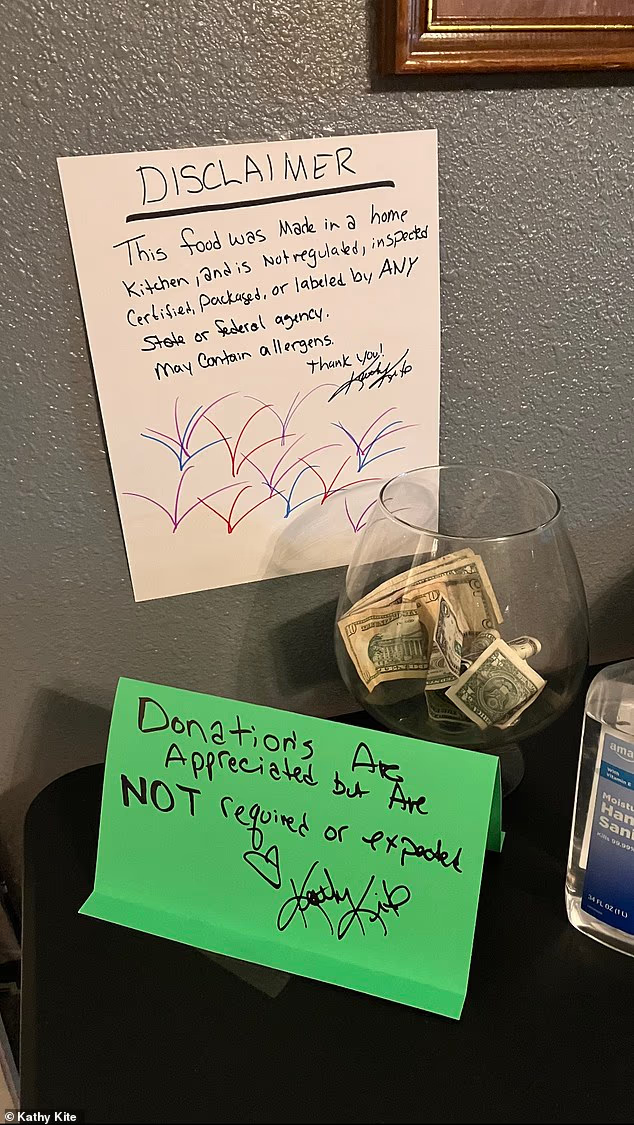
No one is required to pay. A small tip jar sits on the counter for anyone who wants to help cover groceries, but Kite says many guests simply show up hungry and leave feeling like family.
Health Department Says a Permit Is Required
The dispute began in July, when Kite received a letter from the Columbia/Boone County Public Health and Human Services Department.
Officials said visible signs outside her home, social media posts promoting the breakfasts and the presence of a tip jar meant the operation met the definition of a food establishment under county regulations. The letter warned she needed to obtain the appropriate permit before continuing to serve food publicly.
Kite says the notice frightened her because she believed she could face legal consequences if she continued cooking.
County officials later clarified that they have not issued citations and said their goal is to ensure food safety rather than punish community volunteers.
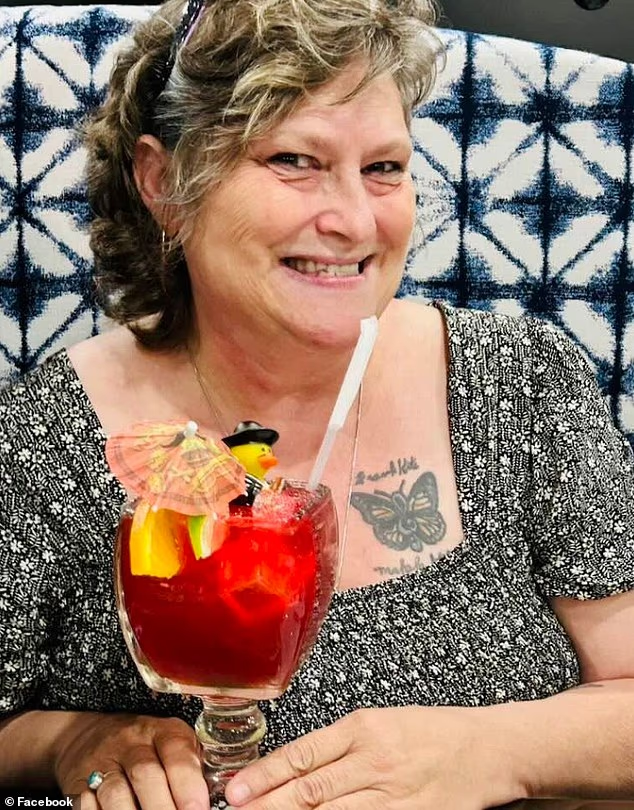
“This House Isn’t a Restaurant”
For Kite, obtaining a permit isn’t a realistic option.
She says converting her historic farmhouse into a commercial kitchen would cost tens of thousands of dollars and permanently change the character of the home where her family has lived for generations.
“This isn’t a business,” she said. “It’s my kitchen.”
She insists the breakfasts are about loneliness as much as food. Many of her regulars are elderly residents who live alone and say the daily meal gives them companionship they otherwise wouldn’t have.
Legal Fight Brewing
The controversy has attracted national attention, with the Goldwater Institute, a public-interest legal organization, stepping in to challenge the county’s interpretation of the law.
The group argues that requiring permits for free neighborhood hospitality represents government overreach and says ordinary people should not need commercial licenses simply to feed their community.
County health officials disagree, maintaining that food safety rules exist to protect the public regardless of whether meals are sold or given away.
More Than Breakfast
Each morning, long before sunrise, Kite begins cooking enough food for dozens of people she may never have met before this year.
She says she doesn’t see customers sitting around her dining room table.
She sees widows, veterans, farmers and neighbors who have become an extended family.
As the legal debate continues, one thing has become clear: in Harrisburg, Kathy Kite’s breakfasts are no longer just about eggs and coffee—they’ve become a symbol of what one grandmother believes a community should be.
And for now, she says the griddle is staying hot.