Jaye P. Morgan, 1950s Hitmaker and Unforgettable TV Personality, Dies at 94
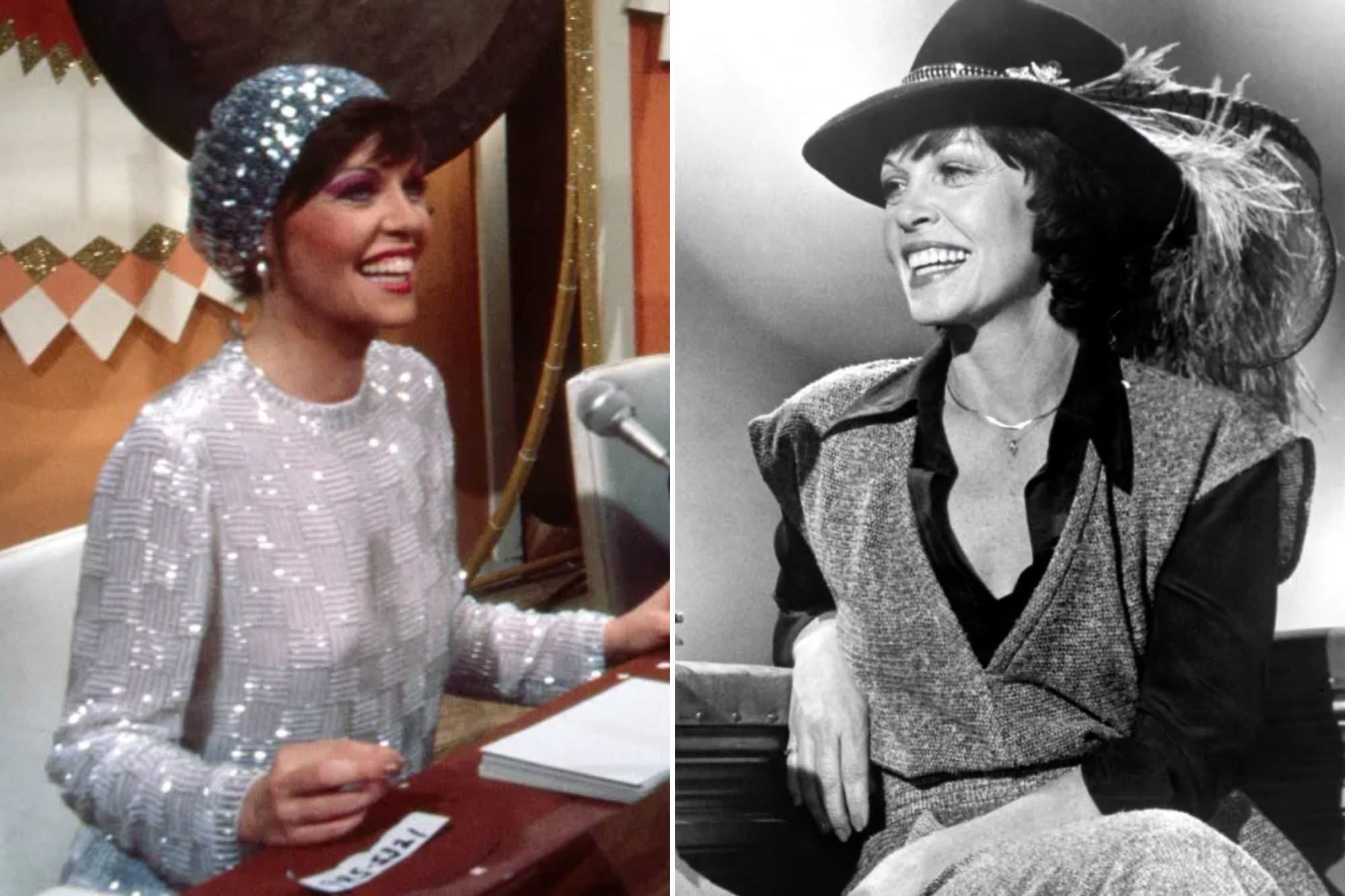
Jaye P. Morgan, the powerhouse singer who became one of the biggest female recording stars of the 1950s before reinventing herself as a beloved and famously unpredictable television personality, has died. She was 94.
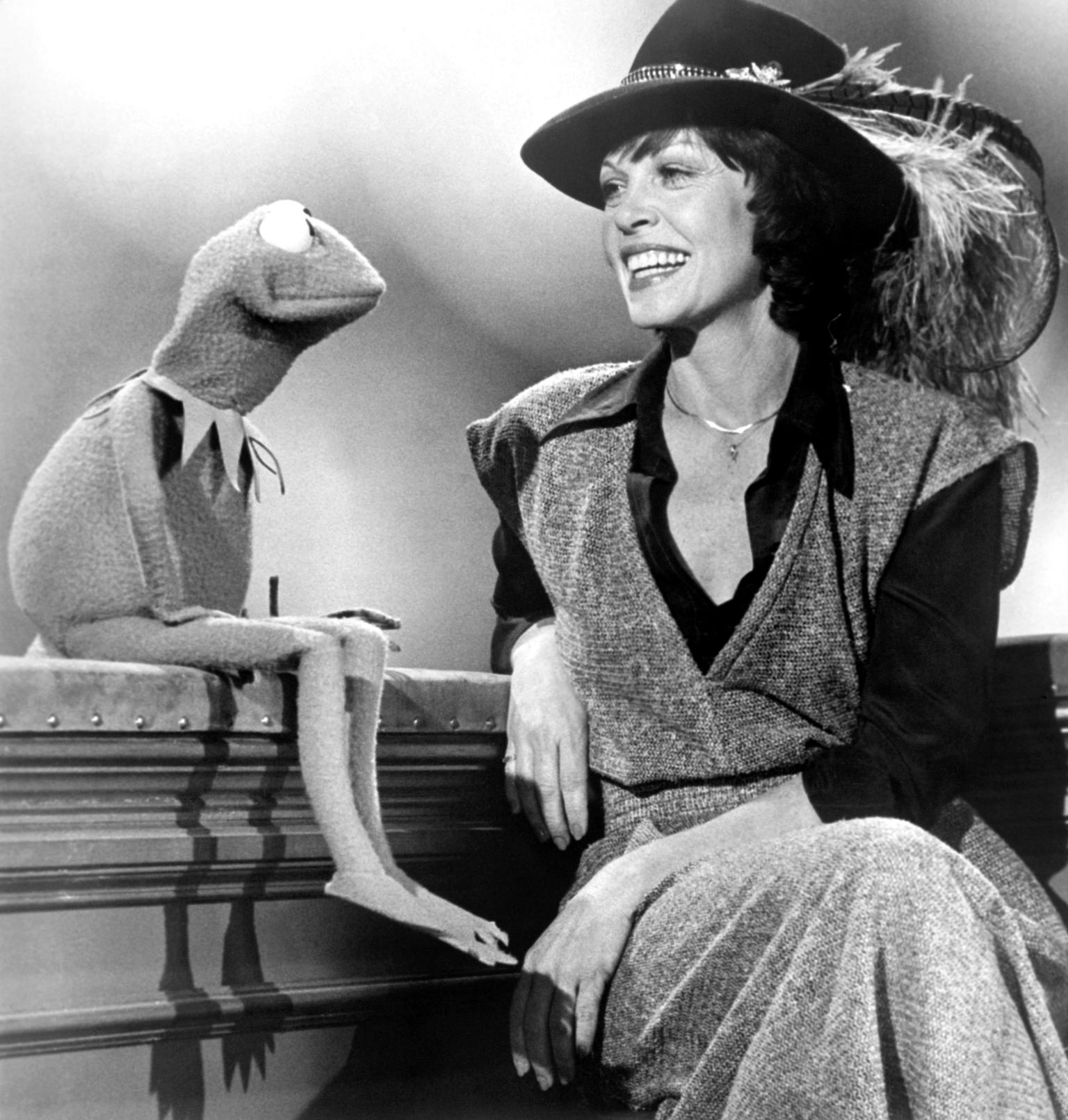
Morgan died Monday of natural causes in Longview, Washington, according to longtime attorney and friend Mark Sendroff. She had been living with her niece and nephew, Peggy Sue Spencer and Duke Morgan Spencer.
Her career stretched across music, television, film and live entertainment — but it was her unmistakable personality that eventually made her a household name.
A Major Voice of the 1950s
Before she became known for outrageous television moments, Morgan was already a major recording artist.
In 1955 alone, she scored five hits, including “That’s All I Want From You,” which reached the Top 10.
Other successful recordings included “The Longest Walk,” “Danger! Heartbreak Ahead,” “If You Don’t Want My Love” and “Pepper-Hot Baby.”
She also recorded memorable collaborations with Perry Como, including “Chee Chee-Oo Chee (Sang the Little Bird)”and “Two Lost Souls.” Her recording with Eddy Arnold, “Mutual Admiration Society,” also became a Billboard hit.
At the height of her music career, Morgan was performing in nightclubs across the country and eventually made her Las Vegas debut.
But she was far from finished.
From Hit Singer to Television Wild Card
Morgan gradually became a familiar face on American television.
She appeared regularly on “The Tonight Show” and made memorable appearances with hosts including Merv Griffin, Dick Cavett and Mike Douglas.
Then came the show that permanently changed how audiences remembered her.
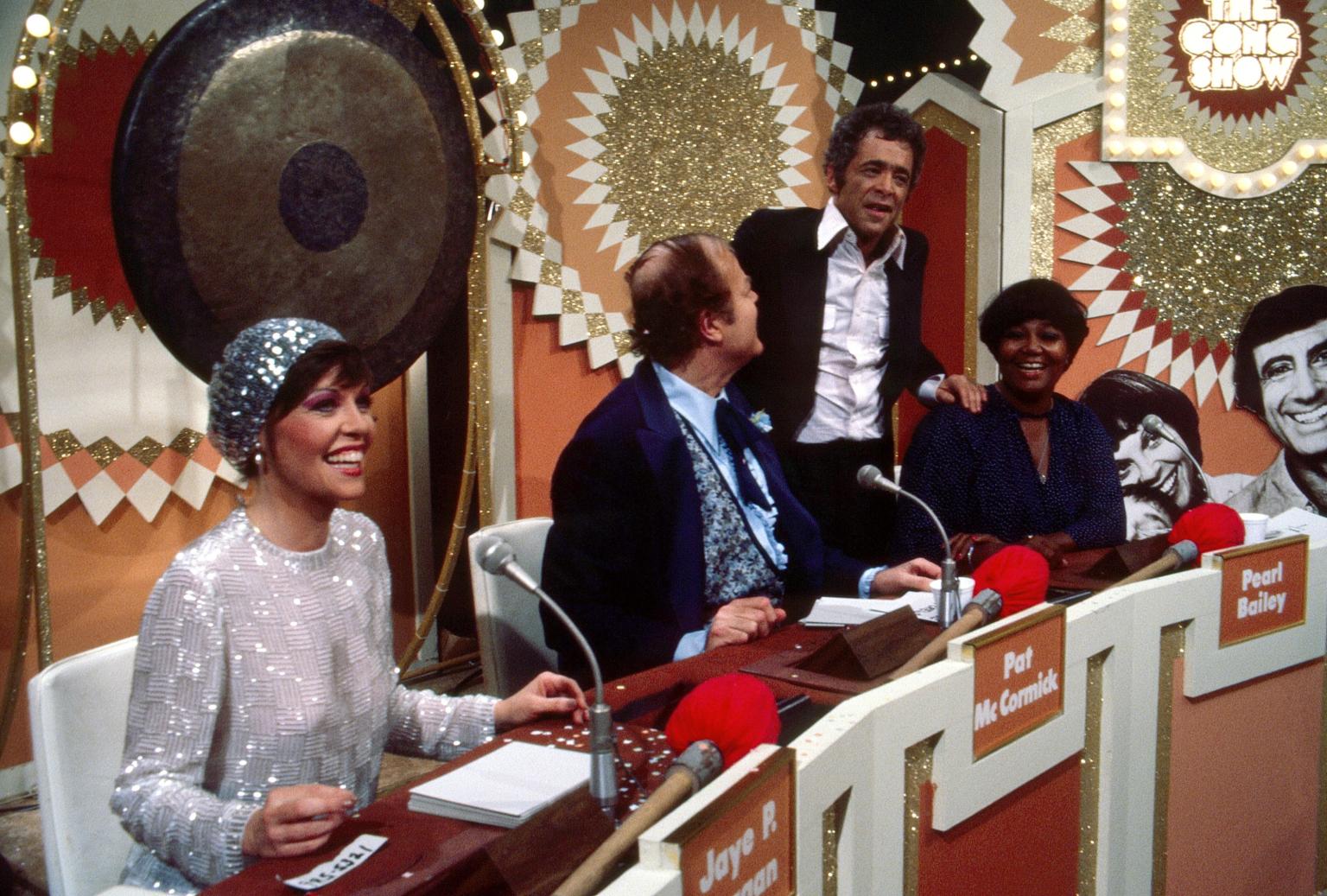
In 1976, Morgan joined the celebrity judging panel of “The Gong Show,” alongside personalities including Jamie Farr and Rip Taylor.
The bizarre variety program allowed amateur performers to take the stage. If a judge couldn’t take an act anymore, they could simply slam the gong and end the performance.
Morgan embraced the show’s chaotic spirit completely.
During one particularly unforgettable episode, while Gene Gene the Dancing Machine was performing, Morgan suddenly opened her blouse in an outrageous stunt that became one of the show’s most talked-about moments.
Rather than allowing that incident to define her, Morgan later looked back on her time on the program with affection.
“It paid good money, and it was great exposure,” she said in a 1992 interview. “I really enjoyed it.”
She Never Took Herself Too Seriously
Morgan’s appeal came from more than her singing voice.
She possessed a fearless, mischievous sense of humor that made her unpredictable on camera.
That personality was on full display during a memorable appearance on “The Muppet Show.”
Dressed in a bird costume, Morgan delivered deliberately deadpan responses to Kermit the Frog, turning what could have been an ordinary guest appearance into another unforgettable television moment.
Her acting credits also included films such as “The All-American Boy,” “Loose Shoes,” “The Gong Show Movie,” “Night Patrol” and George Clooney’s “Confessions of a Dangerous Mind.”
She even appeared in “Home Alone 2.”
A Performer From the Very Beginning
Morgan’s entertainment career began long before television fame.
Born Mary Margaret Morgan in Mancos, Colorado, she entered show business at just 3 years old as part of the Morgan Family, a traveling vaudeville act featuring her parents, sister and five brothers.
After her father’s death in 1945, the family act ended.
But Morgan wasn’t finished performing.
By 17, she was singing professionally again, and in 1950 she joined Frank De Vol’s orchestra, where she spent three years developing the voice that would eventually make her famous.
Her early recordings with De Vol helped launch her professional recording career, eventually leading to a contract with RCA Records.
In 1954, DownBeat magazine named her the year’s best new female singer in its annual DJ poll.
A year later, she was one of the country’s biggest female recording stars.
A Career That Refused to Fit One Label
Morgan’s extraordinary career is difficult to put into a single category.
She was a pop singer.
A nightclub performer.
A television personality.
A comedian.
An actress.
And, above all, an entertainer who understood how to make an audience remember her.
While many stars of her generation became associated with a single era, Morgan continued reinventing herself as entertainment changed around her.
She moved effortlessly from the polished world of 1950s pop music to the anything-goes atmosphere of 1970s television.
That ability to surprise audiences became one of her greatest trademarks.
Remembering Jaye P. Morgan
Morgan’s death closes the story of a performer whose career lasted for more than seven decades.
She survived the transition from radio and big-band entertainment to television, Las Vegas, variety shows and modern Hollywood.
She leaves behind her son, Paul Kane.
For generations of viewers, however, her legacy will live through the songs that first made her famous and the outrageous television moments that later made her unforgettable.
Jaye P. Morgan never seemed interested in being predictable.
And that may be exactly why audiences never forgot her.
Course: NY Post