Aaron Paul Helped Make ‘Breaking Bad’ a Streaming Phenomenon — Then Revealed What Netflix Was Paying Him
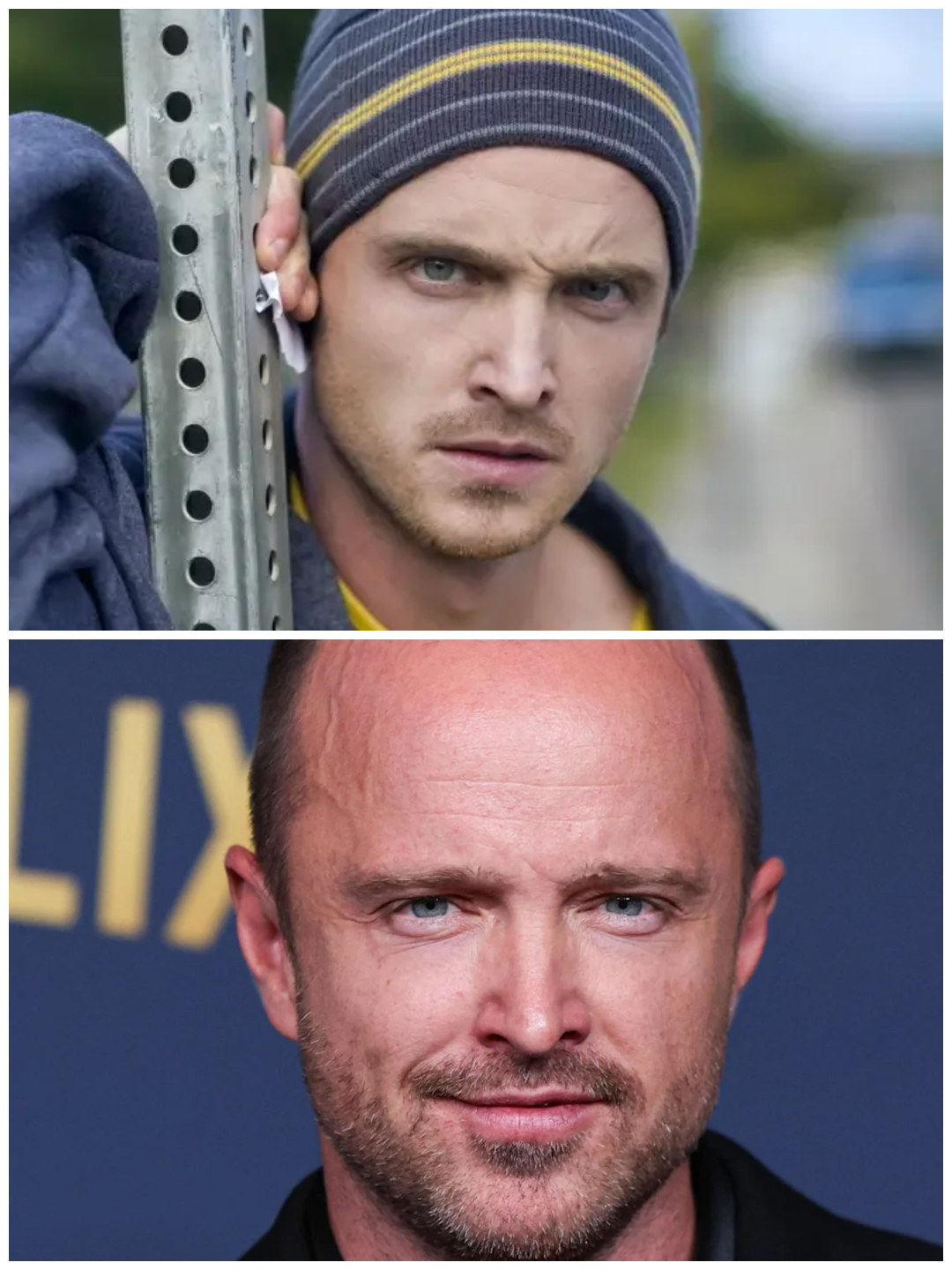
Aaron Paul spent five seasons helping turn Jesse Pinkman into one of television’s most unforgettable characters.
The role earned him three Primetime Emmy Awards. It made “Yeah, science!” part of television culture. And it transformed Jesse from a character who was originally not expected to survive the early stages of Breaking Bad into the emotional heart of the series.
Then something happened after the show became successful on AMC.
Millions of people discovered it somewhere else.
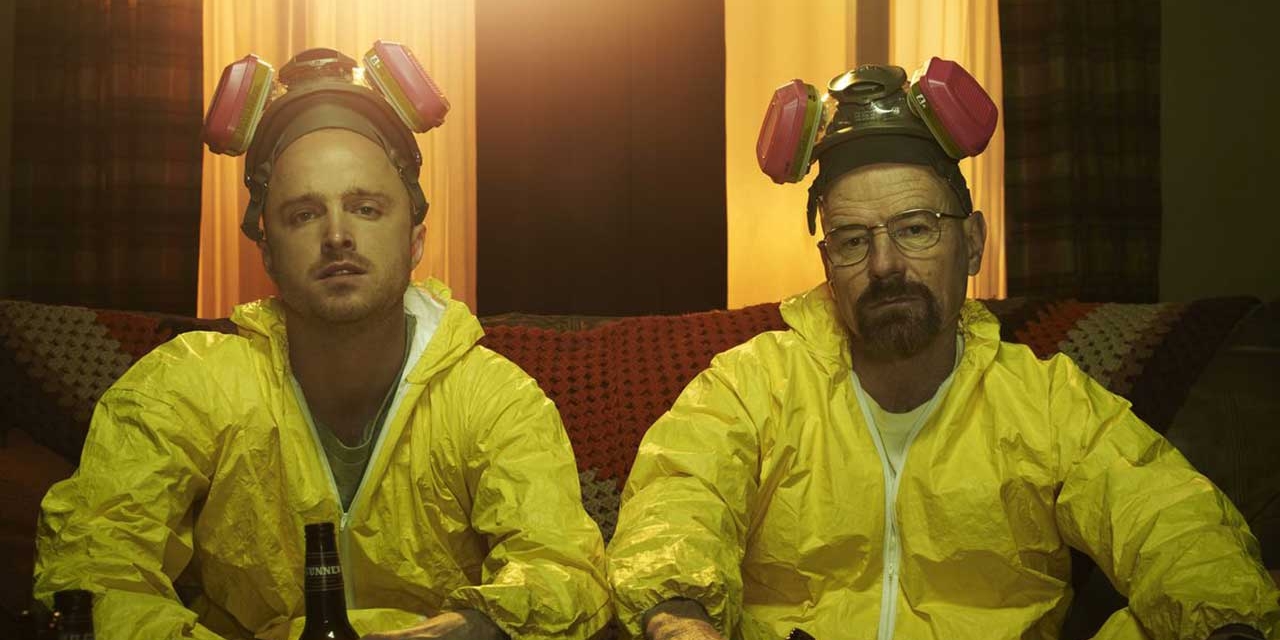
Netflix helped give Breaking Bad an extraordinary second life, allowing viewers to binge earlier seasons while new episodes were still being produced and introducing Walter White and Jesse Pinkman to audiences who had never watched them on cable.
Years after the finale, Paul could still open Netflix and see Breaking Bad trending again.
The show, he said, could effectively continue living on streaming platforms indefinitely.
There was just one part of that arrangement he found difficult to understand.
According to Paul, Netflix was paying him nothing for those streams.
Paul Made the Revelation on a Picket Line
The surprising admission came in August 2023, during the SAG-AFTRA strike that brought much of Hollywood production to a standstill.
Paul reunited with Bryan Cranston, Jesse Plemons and other performers and creators from the Breaking Bad and Better Call Saul universe outside Sony Pictures Studios in Culver City, California.
They were not there promoting a reunion special.
They were carrying picket signs.
Actors had joined writers in a historic labor fight centered on issues including wages, artificial intelligence and a business model that had been dramatically changed by streaming.
Breaking Bad offered Paul an unusually powerful example of the problem.
The series had ended on AMC a decade earlier, yet it remained enormously valuable as a piece of streaming entertainment. The Associated Press noted at the time that the show had maintained enduring popularity on Netflix even years after its finale.
Paul then explained what that popularity meant for him financially.
“I don’t get a piece from Netflix on ‘Breaking Bad,’” he said.
He called that situation “insane.”
For many viewers, the statement sounded almost impossible.
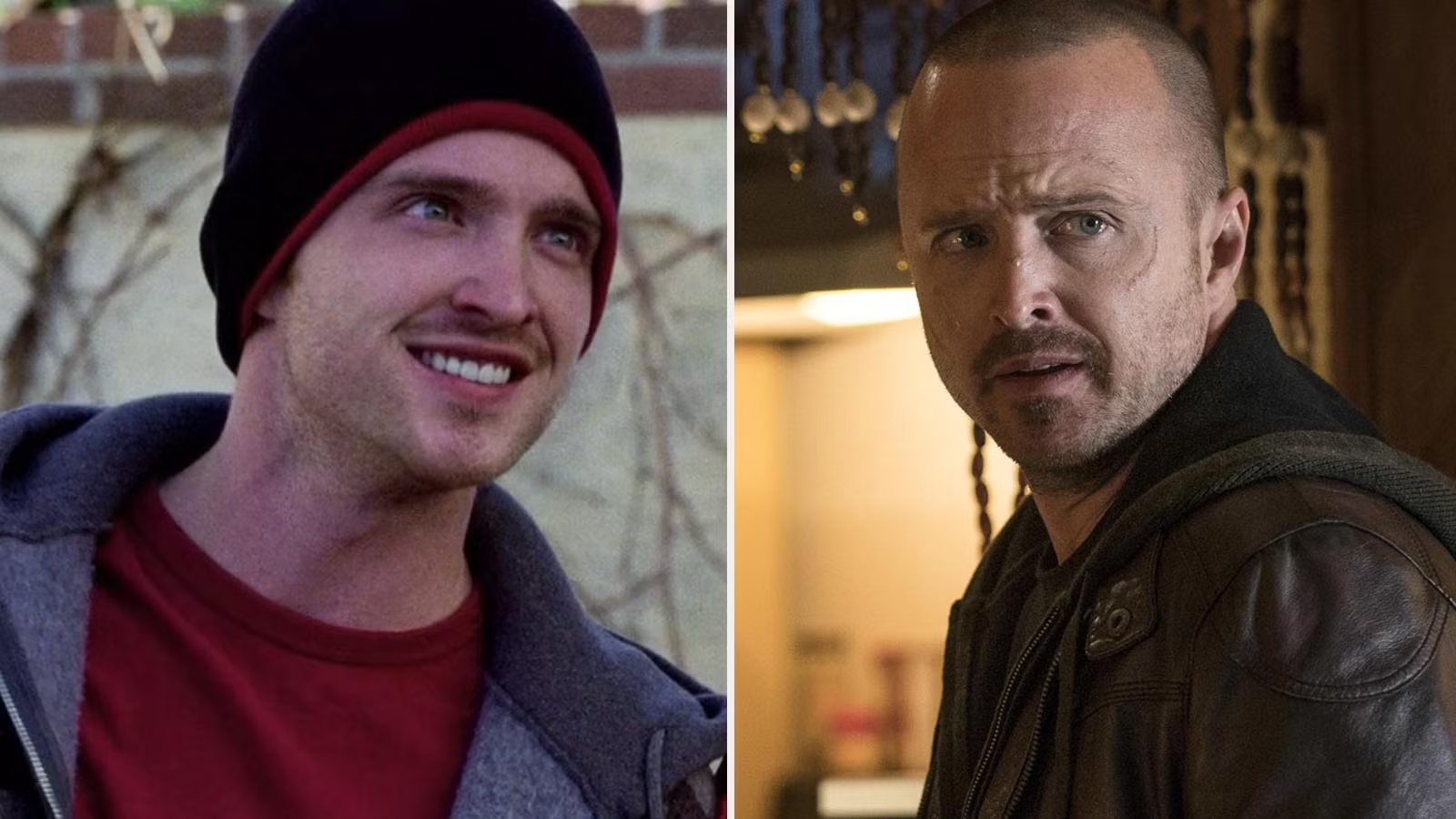
How Could Jesse Pinkman Be Everywhere and Paul Get Nothing From Netflix?
To understand why Paul’s comments attracted attention, it helps to understand how radically streaming changed television economics.
Under the traditional television system, actors could receive residual payments when shows were rerun, syndicated or distributed through various secondary markets.
Those checks could become extremely important.
Not every actor becomes a superstar, and employment in Hollywood can be unpredictable. A performer might work intensely on a series for several months and then go a long period without another major job.
Residuals helped fill those gaps.
They are essentially payments connected to the continued reuse or exhibition of an actor’s work, although the formulas vary depending on the production and the way it is distributed. The issue has repeatedly been at the center of Hollywood labor disputes because new technologies keep changing where and how audiences watch entertainment.
Streaming complicated that system.
A television episode no longer needed to “rerun” at a particular hour.
It could simply sit inside a digital library, available day and night to millions of subscribers.
And a show could suddenly become popular again without anyone involved creating a new episode.
That was exactly what Paul saw happening with Breaking Bad.
Netflix Had Helped Give the Show a Remarkable Second Life
Paul was not dismissing streaming.
In fact, only months before the strike, he had praised what streaming had done for Breaking Bad.
Speaking ahead of a 2023 Super Bowl commercial reunion with Cranston, Paul credited streaming platforms with helping the series continue reaching younger generations long after its original run.
People who had been too young to watch Walter White’s transformation when the show premiered in 2008 could discover the entire story years later.
For Paul, that continuing audience was one of the remarkable things about the series.
That made his complaint during the strike more striking.
He was not arguing that Netflix had hurt Breaking Bad culturally.
Almost the opposite.
Streaming helped keep the show culturally alive.
But Paul believed that when a platform continued benefiting from that popularity, the people whose performances made the show valuable should participate more meaningfully in that success.
He pointed out that he had recently seen Breaking Bad trending on Netflix again.
The show could rise, disappear and rise again as another group of viewers discovered it.
From his perspective, the entertainment had become almost permanent.
The compensation model had not kept pace.
Paul Wasn’t Saying He Had Never Received Any Residuals
There is an important distinction in Paul’s comments.
He did not say that he had never received a residual payment connected with Breaking Bad from any source.
His specific complaint was that he did not receive a piece from Netflix for the show being watched on Netflix under the arrangement that existed at the time.
That distinction matters because Breaking Bad was originally an AMC television production from Sony Pictures Television, not a Netflix original.
The complicated contracts governing older shows were created in a very different era from the streaming-first industry that later developed.
When Breaking Bad premiered in January 2008, Netflix streaming itself was still relatively new.
By 2023, services such as Netflix had become central to the entire entertainment industry.
Yet contracts and residual formulas had often been negotiated years before anyone knew exactly how valuable an enormous digital library would become.
Paul’s story therefore became bigger than one wealthy, famous actor asking about one television show.
It illustrated a problem actors said affected performers throughout the industry.
Bryan Cranston Said the Problem Went Beyond Stars
Cranston joined Paul on the picket line and emphasized that the strike was not supposed to turn studio executives into villains.
The actors expected to work with those same companies again.
What they wanted, he said, was recognition that the economic reality of Hollywood had changed.
The issue was particularly important for less famous working actors.
A star with decades of success may be able to survive without a meaningful streaming check.
A supporting actor who appeared in several episodes of a successful series may depend far more heavily on continuing payments between jobs.
That was part of the broader argument behind the strike: streaming had changed how entertainment generated value, so performers wanted their compensation system to change with it.
The strike ultimately lasted 118 days.
When SAG-AFTRA reached a new agreement with the major studios in November 2023, the union announced that it had secured a new streaming participation bonus as part of the contract. Members ratified the agreement the following month.
The new system did not simply rewrite every old contract or guarantee that a legacy series like Breaking Bad would suddenly generate the kind of payment Paul had been demanding.
But it showed how central streaming compensation had become to Hollywood’s labor fight.
The Irony of ‘Breaking Bad’ Made the Story Hard to Ignore
There may have been no better television series to demonstrate the strange economics of the streaming era.
Breaking Bad ended in 2013.
Jesse Pinkman did not disappear.
Paul returned to the character in Netflix’s 2019 movie El Camino: A Breaking Bad Movie and later appeared again in Better Call Saul.
Meanwhile, new viewers continued discovering the original show.
That is the promise of streaming.
A performance can survive far beyond its original broadcast.
An actor can finish shooting a scene, a series can end, and years later somebody on the other side of the world can press play for the first time.
Aaron Paul understood the value of that better than most.
Netflix helped make sure that generations who missed Breaking Bad on AMC could still discover Jesse Pinkman.
But standing on a picket line in 2023, Paul revealed the uncomfortable flip side.
The character could keep working for Netflix every time somebody pressed play.
According to Paul, Netflix wasn’t sending him a piece of that action.