Rosie O’Donnell Shared Her Daughter’s Texts From Prison — What They Talked About Was Surprisingly Ordinary
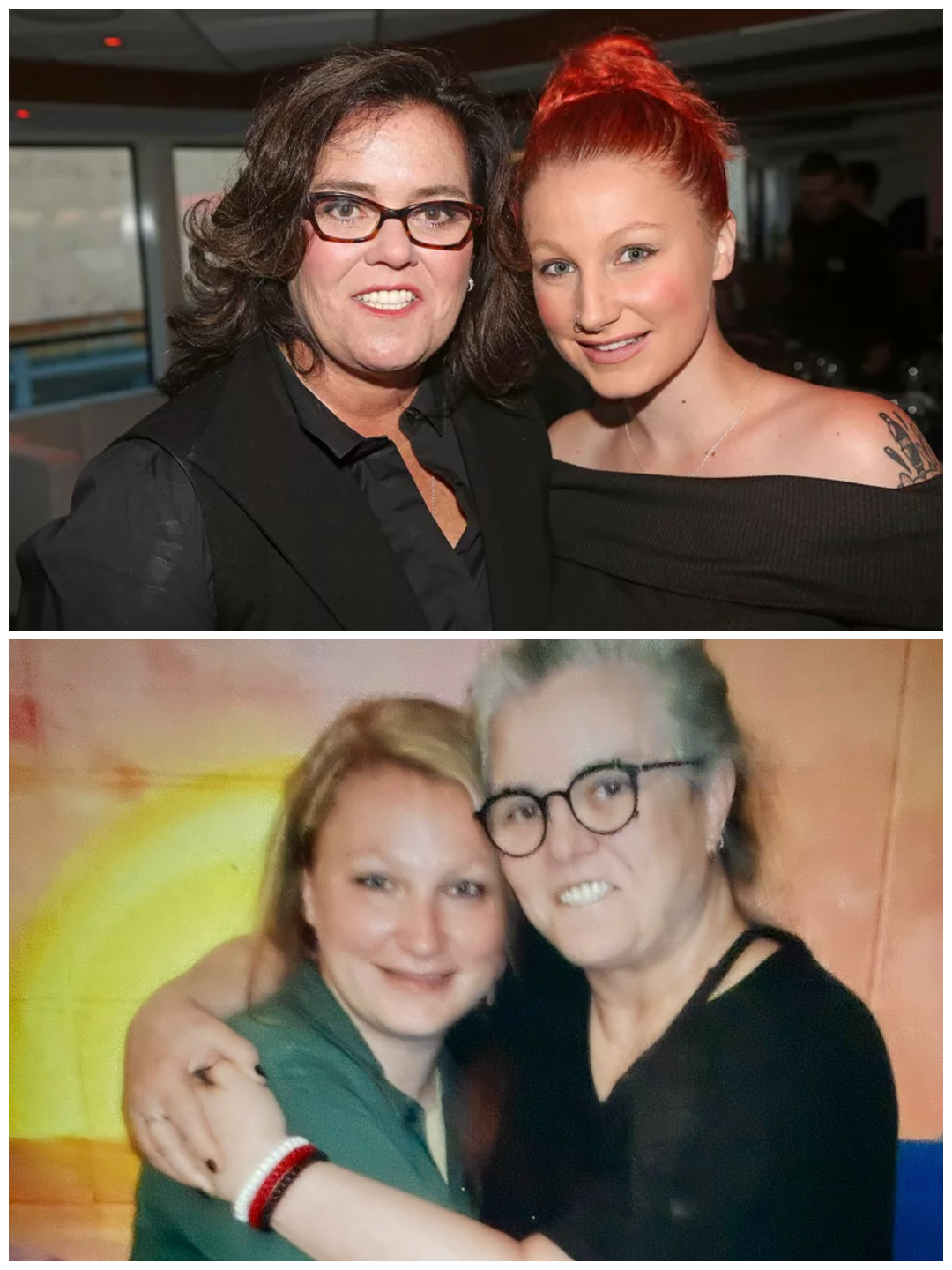
For nearly a decade, Rosie O’Donnell and her daughter Chelsea struggled to have even a normal conversation.
Their relationship had been marked by estrangement, addiction, public disagreements and repeated legal trouble. At times, mother and daughter seemed to be living almost completely separate lives.
Now Chelsea is in prison.
And strangely, it is from behind bars that something between them appears to be changing.
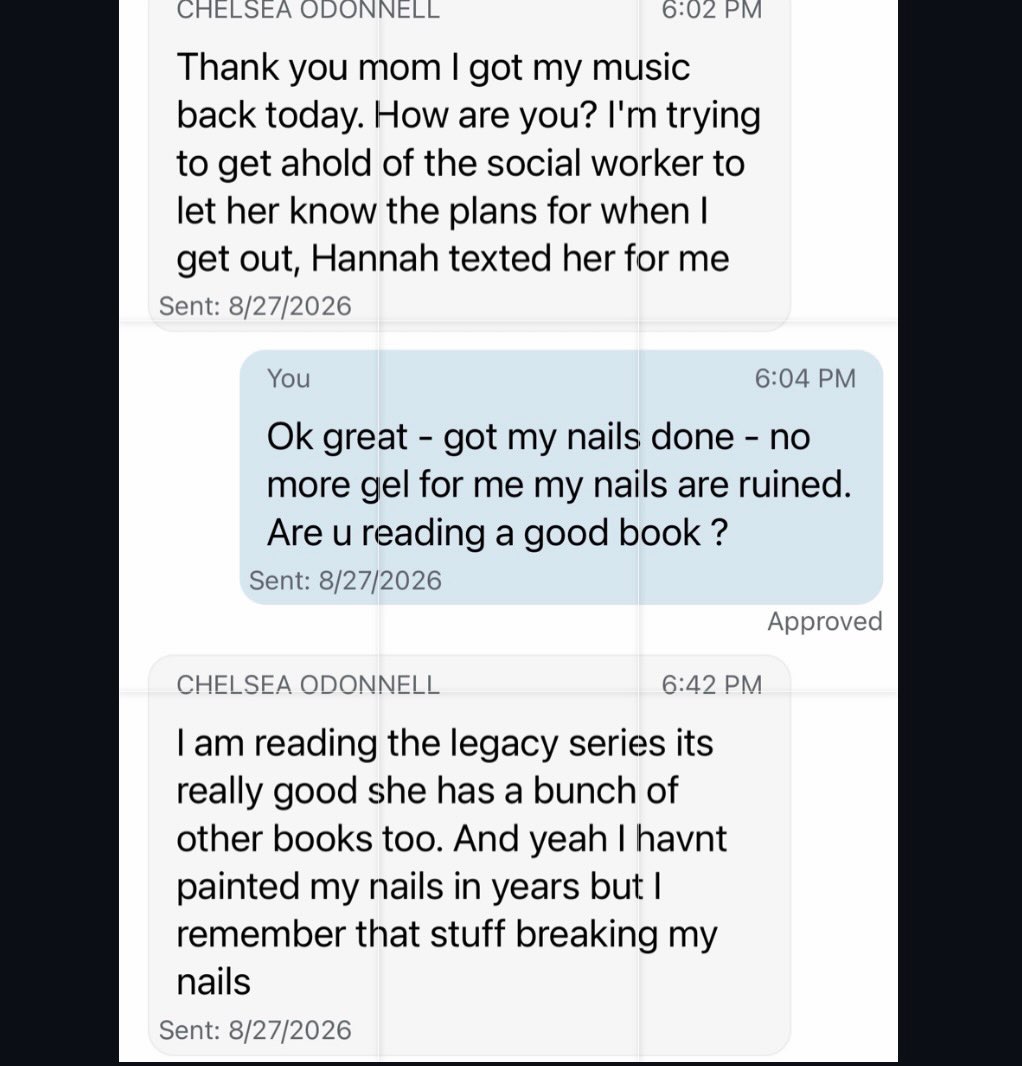
On Aug. 27, O’Donnell shared several recent text messages exchanged with Chelsea, offering an unusually intimate glimpse into their relationship as they attempt to rebuild it.
There was no dramatic declaration.
No long apology.
No discussion of years of family conflict.
Instead, they talked about music.
Books.
Nail polish.
And what Chelsea hopes to do when she eventually gets out.
For a mother and daughter whose relationship had become so fractured that Rosie says they had not managed a conversation longer than 25 minutes in approximately 10 years, the ordinariness of those messages may be the most significant detail of all.
Chelsea Started With a Small Piece of Good News
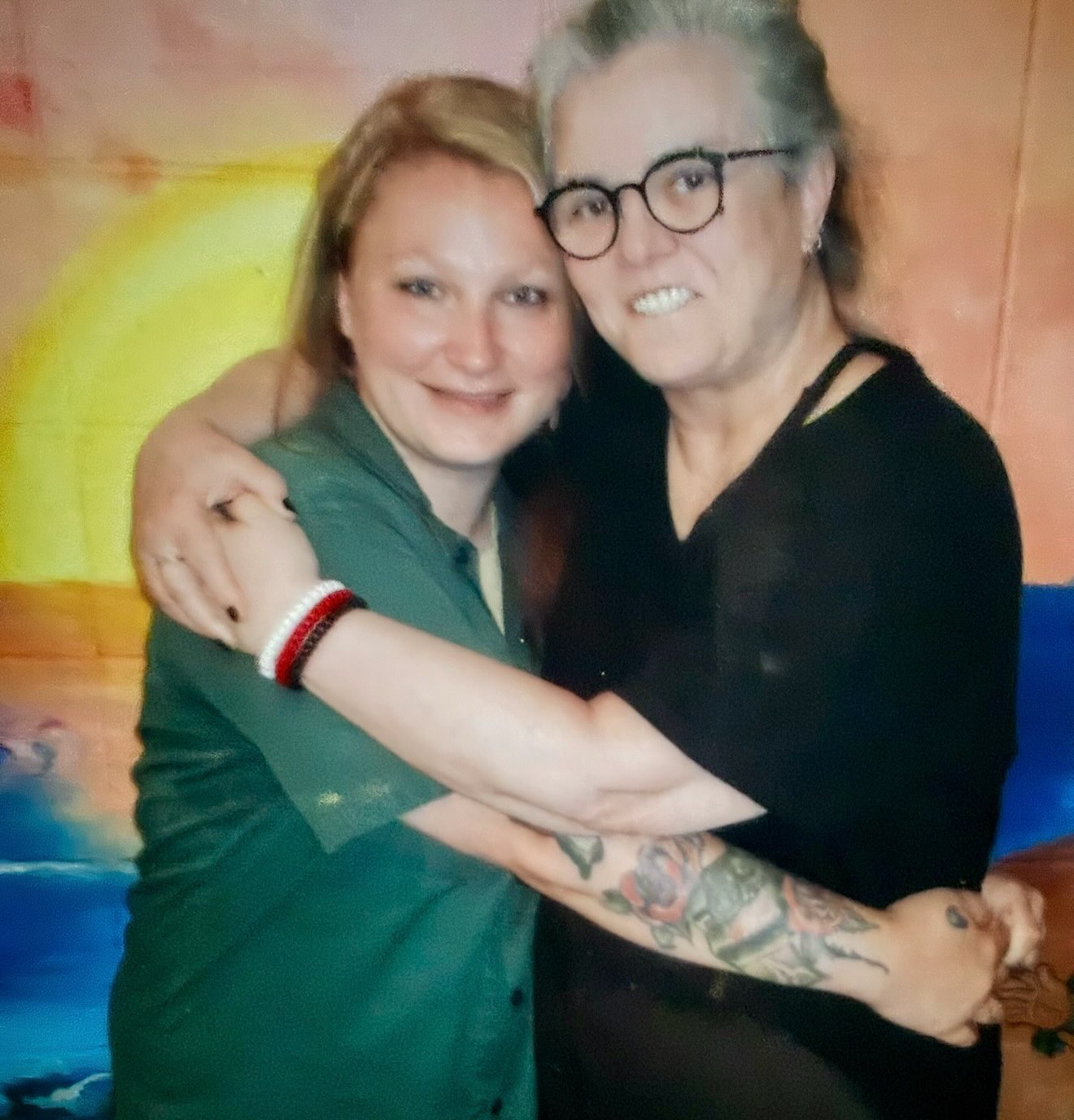
O’Donnell, 64, shared a throwback photo of herself hugging Chelsea along with screenshots of their conversation.
Chelsea opened by telling her mother that she had regained access to her music.
She then asked how Rosie was doing and explained that she was trying to contact a social worker about plans for her eventual release.
Rosie responded in the way countless mothers might.
She mentioned getting her nails done, complained that gel had damaged them and then asked Chelsea whether she was reading anything good.
Chelsea said she had been reading the Legacy series and was enjoying it. She then responded to her mother’s nail complaint by remembering how similar products had damaged her own nails years earlier.
On the surface, none of this sounds extraordinary.
That may be exactly why it matters.
They were simply talking.
Not as a celebrity and her troubled adult daughter.
Not through attorneys or public statements.
Just as a mother asking what her daughter is reading and a daughter asking how her mother’s day is going.
Prison Has Become an Unexpected Place for Reconciliation
Chelsea has been incarcerated since October 2025 after her probation was revoked.
She had previously pleaded guilty in February 2025 to three felony counts: resisting or obstructing an officer, felony bail jumping and possession of methamphetamine.
In March of that year, she received six years of probation, consisting of two years on each count. The conditions included maintaining complete sobriety, avoiding controlled substances without a valid prescription, staying away from known drug users and dealers, and not possessing firearms.
After violating probation, Chelsea was sentenced to prison on Oct. 22.
It was an outcome Rosie had publicly feared after years of watching her daughter struggle.
But something unexpected happened after Chelsea entered custody.
Their communication began to improve.
Rosie revealed in June that Chelsea had started calling her from prison every day.
Then Chelsea asked her mother to visit.
Rosie agreed.
Their First Long Conversation in 10 Years Happened Behind Bars
The prison visit became a major turning point.
Rosie later said the approximately four hours she spent with Chelsea marked the first time in a decade that the two had managed a conversation lasting longer than about 25 minutes.
That statement gives the new text messages very different weight.
For most families, exchanging recommendations about novels would barely register.
For Rosie and Chelsea, maintaining a simple conversation represented progress after years when communication repeatedly broke down.
Rosie said the prison visit was also the first time in years that she felt she saw a consistent empathetic response from Chelsea.
The visit ended sooner than planned because of a tornado warning.
Chelsea cried when they had to separate.
Rosie later processed the experience publicly through poetry.
She remembered watching Chelsea enter the visiting room wearing a green prison uniform and immediately seeing not the adult woman in front of her, but the little girl she had raised.
Despite everything that had happened, Rosie wrote that all she could see was the blonde baby she remembered from years earlier.
Rosie Said Sobriety Has Changed Their Relationship
Chelsea’s struggles with substance abuse have been a central part of the family’s difficulties.
Rosie has spoken openly about the pain of watching her daughter cycle through addiction and legal trouble.
In July, she said Chelsea had been sober for nearly two years and described that sobriety as an important reason their relationship was beginning to improve.
Rosie has also acknowledged that motherhood did not work the way she once imagined it would.
She adopted Chelsea as a baby and believed deeply that love could overcome almost anything.
Years later, she admitted that life had forced her to question that assumption.
Love could remain.
But love alone could not erase addiction or guarantee that a child’s life would follow the path a parent desperately wanted for them.
Still, Rosie has repeatedly emphasized that she continues to love and support Chelsea.
After Chelsea’s legal problems intensified, she described addiction as a painful journey affecting not just her daughter but Chelsea’s four young children as well.
Chelsea’s Children Remain Part of the Pain
Chelsea is a mother herself.
Rosie revealed after her prison visit that Chelsea’s four children had not visited her there.
She believed that absence was painful for her daughter.
That has made planning for Chelsea’s eventual release about more than simply leaving prison.
Rosie has written about hoping Chelsea can remain drug-free, reconnect with her children, make amends and create a more stable future.
The new texts suggest those plans have become more concrete.
Chelsea specifically told her mother she was attempting to contact a social worker about arrangements for when she gets out.
It is a small sentence.
But compared with the chaos that characterized much of the previous decade, talking about what happens next may represent a major shift.
Rosie Is Even Letting Chelsea Help Tell Their Story
O’Donnell is currently examining motherhood and her relationship with Chelsea in her one-woman show, Common Knowledge.
What is unusual is that she has not simply decided to tell Chelsea’s story from a mother’s perspective.
She has asked Chelsea to participate.
Rosie said she sent portions of the material to her daughter and asked for feedback because she wanted Chelsea’s voice represented accurately.
She believes Chelsea may now be ready to offer that perspective.
That is another meaningful change.
Their relationship has played out publicly for years, sometimes through painful conflicting accounts.
Now Rosie appears to be trying to tell the story with her daughter rather than only about her.

The Most Important Text May Be the Most Normal One
There is no guarantee that reconciliation will be simple.
Chelsea still has a prison sentence to complete.
She will eventually face the challenges of maintaining sobriety outside a controlled environment, rebuilding relationships and reconnecting with her children.
Years of conflict cannot disappear because of one prison visit or a series of friendly messages.
Rosie seems to understand that.
But the latest conversation offers something their relationship has often lacked:
normality.
Chelsea got her music back.
Rosie got her nails done.
They compared damaged nails.
Rosie asked about books.
Chelsea recommended one.
Then they talked about preparing for life after prison.
Nothing in those messages could erase the past decade.
But after years when Rosie says even a 25-minute conversation between them was difficult, perhaps a completely ordinary exchange is exactly what progress looks like.
For once, Rosie O’Donnell and her daughter were not communicating through a crisis.
They were simply talking to each other.