Dolly Parton Left One Childhood Treasure Behind When She Went to Nashville — Years Later, Only One Piece of It Remained
- NgoPhong
- August 29, 2026
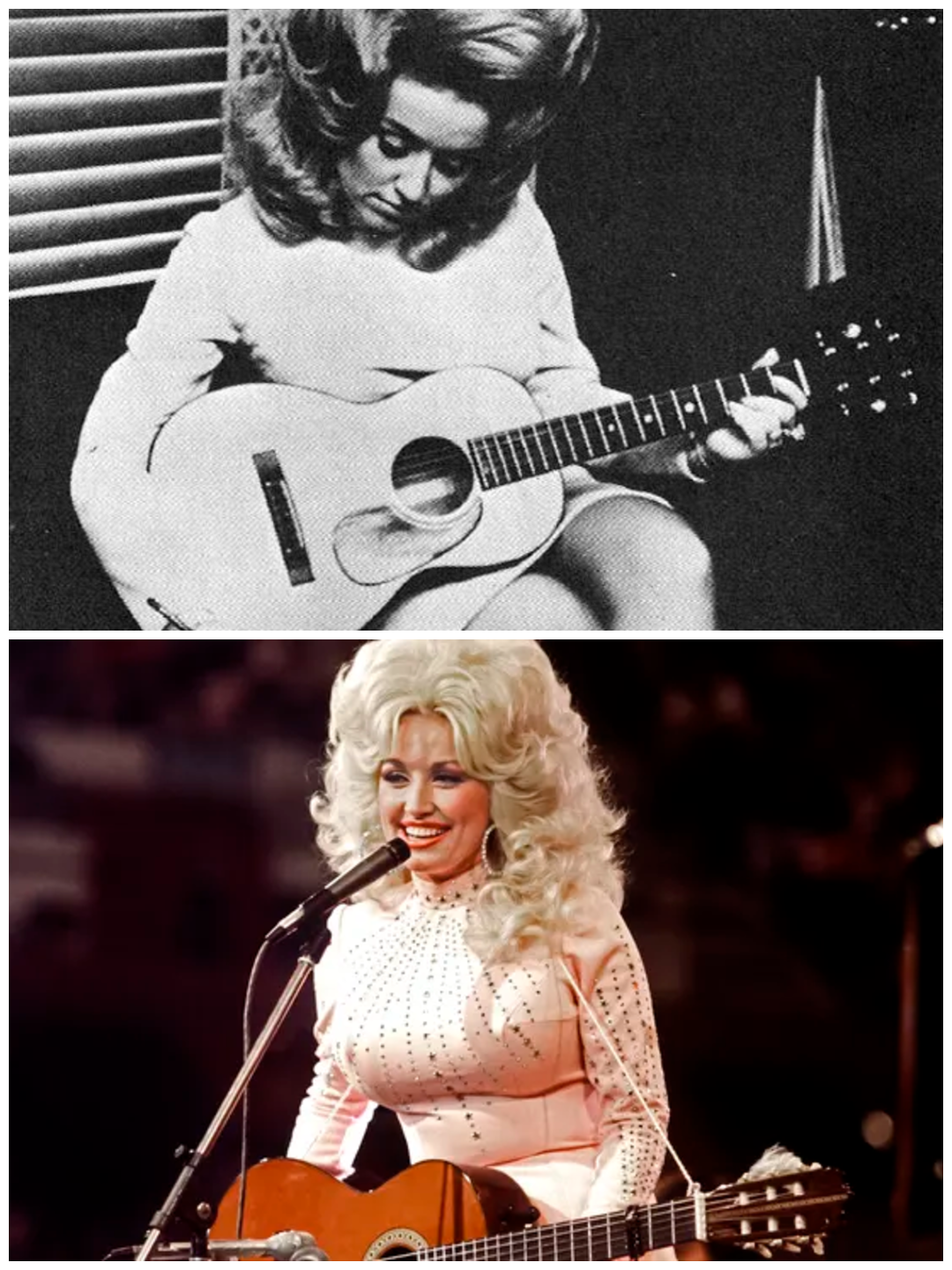
When Dolly Parton left her Tennessee home at 18 to chase a music career in Nashville, she carried enormous ambitions with her.
One thing she did not take was a battered little guitar she had loved since childhood.
It was not because the instrument no longer mattered.
Quite the opposite.
The small Martin had been given to Dolly by her uncle Lewis after he realized just how seriously his young niece took music. She treasured it, played it until it was worn and eventually decided the guitar deserved something she could not yet afford.
Professional restoration.
So Dolly placed it in the loft at home before leaving for Nashville with a promise to herself: someday, if the dream worked and she actually had money, she would come back and have the guitar repaired.
The dream did work.
Dolly became rich. She became famous. She became one of the most successful songwriters in country music history.
But the guitar never got its restoration.
By the time Dolly could have afforded almost any repair imaginable, a fire had already destroyed nearly all of it.
Only the neck survived.
Music Was Everywhere in Dolly’s Childhood
The importance of that guitar makes more sense when placed inside the world in which Dolly grew up.
Born in Locust Ridge, Tennessee, in 1946, she was one of 12 children. Money was scarce, but music was not.
Dolly later remembered that her mother’s relatives were especially musical and that family members played various instruments. As a child, she was constantly finding opportunities to pick up whatever instrument happened to be available.
The guitar quickly became her favorite.
Her interest appeared almost immediately.
The Library of Congress notes that by 1951 she was already writing songs, and in 1953 she fashioned an early guitar for herself using an old mandolin and two bass-guitar strings. By age 10, she was performing regularly on The Cas Walker Show in Knoxville.
This was not a child casually pretending she might become a singer someday.
Dolly was treating music like her future before most children had decided what they wanted to be.
Two of her uncles played important roles in that development.
Bill Owens became especially important to her professional ambitions, helping take her to performances and introducing her to people in the music business.
Her uncle Lewis gave her something more personal.
He had a small Martin guitar.
Dolly loved it.
Lewis noticed.
And when he realized how serious she was about music, he gave the instrument to her.
Dolly later described it simply as her “treasure.”
She Played It Until It Was Worn Out
The little Martin was not preserved as a perfect childhood souvenir.
Dolly used it.
By the time she was ready to leave home, the guitar had become badly worn.
That was not surprising. She had spent years singing, learning, performing and writing while pursuing opportunities far beyond the mountains where she grew up.
But at 18, Dolly was still an aspiring artist rather than the wealthy superstar the world would eventually know.
Properly restoring an old Martin guitar cost money.
Money was something she did not yet have.
So she came up with a plan.
She would store it safely at home.
Then, after she made it in Nashville — after she had enough money to fix things properly — she would come back for it.
“My plan was always to — when I got money, when I got rich and famous — have it fixed up,” she later recalled.
The wording is striking in retrospect.
“When I got rich and famous.”
Not if.
Dolly left home with the kind of confidence that would eventually become part of her legend.
And almost unbelievably, the confidence proved justified.
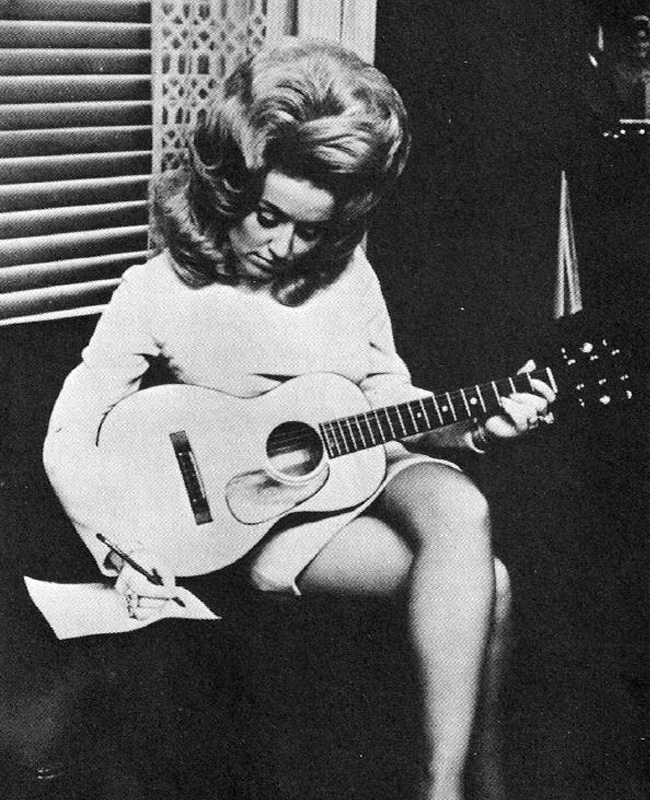
At 18, She Left for Nashville
After graduating from high school in 1964, Dolly moved to Nashville and pursued music full time.
Success was not immediate, but she already had years of experience behind her.
She had performed on local radio and television.
She had recorded “Puppy Love.”
She had appeared at the Grand Ole Opry as a teenager.
And her uncle Bill continued helping her navigate the music business.
By 1966, songs she had written with Bill were beginning to succeed. Their “Put It Off Until Tomorrow,” recorded by Bill Phillips with Dolly singing harmony, reached the country Top 10 and earned major industry recognition.
Then came Hello, I’m Dolly in 1967.
Then Porter Wagoner.
Then hit after hit.
Over the following years, the girl who had left an old guitar in a loft because she could not afford to repair it became exactly what she had predicted.
Rich.
Famous.
And successful enough to restore virtually any guitar she wanted.
There was only one problem.
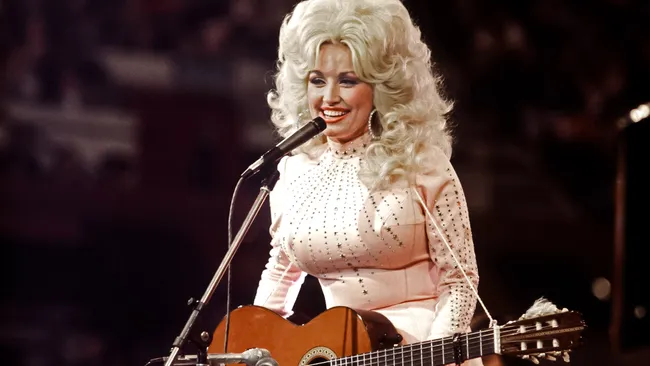
The Fire Got There First
At some point after Dolly left home, a fire damaged the loft where her Martin had been stored.
The guitar was caught in it.
Most of the instrument was destroyed.
Dolly never got the chance to carry out the promise she had made as a teenager.
She later explained the outcome with characteristic directness: the fire burned up the little guitar, leaving her with only its neck.
It is a remarkably cruel little twist in a life story otherwise famous for dreams coming true.
Dolly succeeded beyond almost anyone’s expectations.
She earned enough money not only to repair an old instrument but eventually to own valuable guitars, publishing companies, businesses and an entire theme park.
Yet money arrived too late to save the one object she had planned to rescue with it.
Some things cannot be bought back after success comes.
She Never Really Replaced It
Dolly did something interesting afterward.
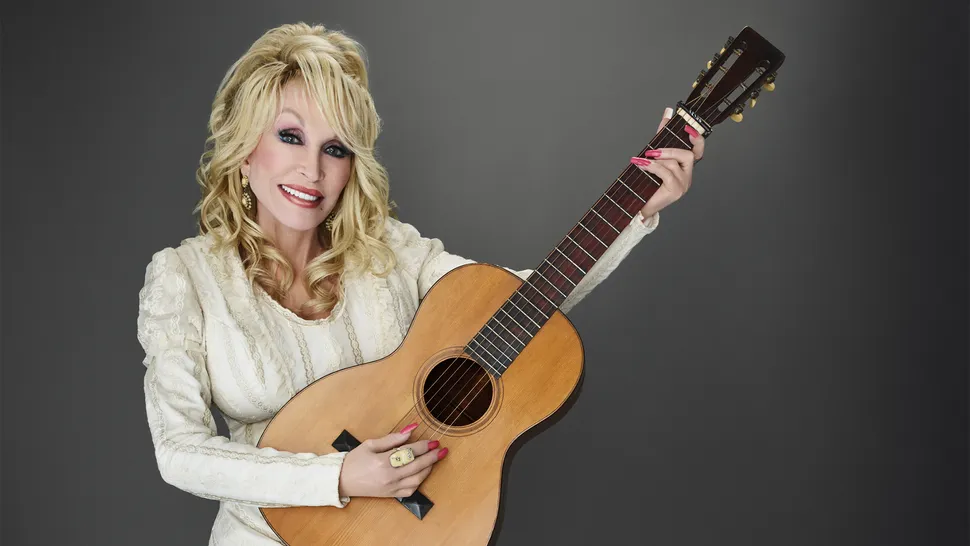
She started collecting small Martin guitars.
Over the years, she acquired classic examples and developed a particular fondness for small-bodied Martins — the kind that reminded her of the instrument Uncle Lewis had once given her.
She could afford beautiful guitars now.
She could own multiple Martins.
But none of them could literally be that guitar.
The original carried something no replacement could reproduce.
It came from an uncle who saw a little girl taking music seriously before the world knew her name.
It belonged to Dolly before “Jolene.”
Before “Coat of Many Colors.”
Before “9 to 5.”
Before “I Will Always Love You.”
Before Dollywood and Grammys and movie roles and millions of records.
It belonged to the version of Dolly who still had to imagine what being successful might feel like.
That may help explain why small Martins remained special to her long afterward.
The Surviving Neck Became Something More Than a Broken Guitar Part
There is a strange symbolism in what survived.
Not the full body.
Not an instrument that could simply be restrung and played again.
Only the neck.
A fragment.
Dolly never pretended that collecting other guitars could undo what happened. She simply kept the surviving piece and carried the memory forward.
Her career eventually became filled with objects people considered historically valuable: costumes, handwritten songs, awards, instruments and memorabilia associated with some of country music’s most famous moments.
But that battered childhood Martin represented something different.
Its value existed before anyone else cared about Dolly Parton memorabilia.
It mattered because her uncle gave it to her.
It mattered because she loved music.
It mattered because she played it enough to wear it down.
And it mattered because when she walked away from home at 18, she genuinely believed she would someday return successful enough to make it beautiful again.
She was right about the success.
She was simply wrong about how much time she had.
Dolly Parton eventually had enough money to buy all the guitars she wanted.
But the one she had been saving for her future was already gone.
All she could keep was its neck — and a lifelong affection for the little Martins that reminded her of the treasure she could never restore.