Viola Davis Grew Up Hungry and Afraid—Then She Built the Home She Had Always Needed
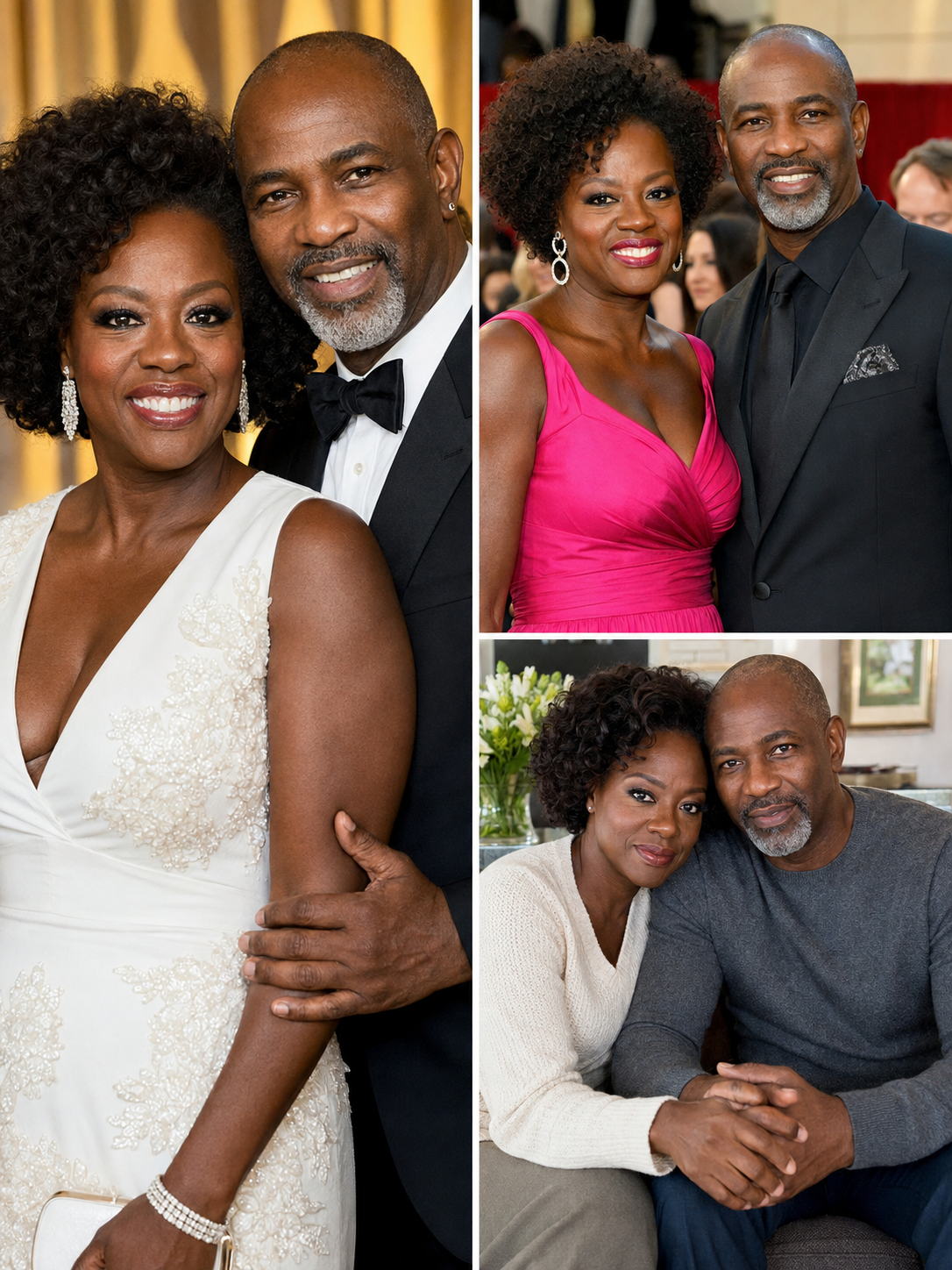
Before Viola Davis had an Oscar, an Emmy or a home filled with the family she once believed might never be hers, she was a frightened child measuring life by what was missing.
Food was scarce. Heat was unreliable. Rats moved through the family’s apartment in Central Falls, Rhode Island. At school, other children mocked her appearance and chased her through the streets. At home, she witnessed violence that left her constantly alert to the possibility that something terrible might happen.
Those experiences did not disappear when Davis escaped poverty and became an accomplished actress. Success changed her circumstances, but it did not immediately silence the shame and fear she had carried since childhood.
Years later, when she met actor Julius Tennon, Davis was still learning a lesson that fame could not teach her: she was worthy of being loved without having to hide the parts of herself she considered broken.
Together, they would build more than a marriage. They would create the stable home, creative partnership and family Davis had once struggled to imagine.
A Childhood Defined by Survival
Davis was born on August 11, 1965, on her grandmother’s farm in South Carolina. Her family moved to Rhode Island when she was still an infant, eventually settling in Central Falls.
She was one of six children. Her mother, Mae Alice, worked in factories and as a domestic employee while also participating in the civil rights movement. Her father, Dan, worked with horses at racetracks but struggled with alcohol and frequently abused Davis’ mother.
For years, the family lived in a deteriorating apartment Davis later referred to simply by its street number: 128.
The building was infested with rats. There were periods without working utilities, and the children regularly went hungry. Davis has recalled searching garbage containers and stealing food because she did not know where her next meal would come from.
The poverty followed her beyond the apartment.
She arrived at school wearing clothes that smelled because the family lacked adequate ways to wash them. Other students bullied her over her hair, skin, clothing and hygiene. Some chased her after class, forcing her to run home while carrying both her hunger and humiliation.
Acting eventually gave her somewhere to place those emotions.
After discovering theater as a teenager, Davis studied at Rhode Island College and later attended the Juilliard School in New York. She built a respected stage career and won her first Tony Award in 2001 for King Hedley II.
Yet professional recognition did not automatically create emotional security. Davis later explained that childhood trauma had shaped how she saw herself. A part of her remained the girl from apartment 128—frightened, ashamed and uncertain that she deserved the life she wanted.
The Prayer That Changed Her Life
By the late 1990s, Davis was working steadily, but she felt deeply lonely.
A friend encouraged her to stop describing what she did not have and pray specifically for the kind of partner she wanted. Davis followed the advice with remarkable detail.
She asked for a tall Black man from the South who had likely been married before and understood the artistic world. She wanted someone who loved God, attended church and could appreciate both her ambition and her emotional wounds.
Davis later joked that she approached the prayer almost like writing a letter and promised that she would become more committed to church if God sent such a man.
Approximately three weeks later, she met Julius Tennon.
The encounter happened in 1999 on the set of the CBS medical drama City of Angels. Tennon overheard Davis telling someone that she did not know many people in Los Angeles and offered her his card.
He had already built a career as a working actor, appearing in film and television projects including Dazed and Confused, Lonesome Dove and Murder One. Originally from Texas, he had also made history as the first Black graduate of the University of Tulsa’s theater program.
He was tall, Southern, religious, divorced and familiar with the uncertainty of an acting career—the qualities Davis had named in her prayer.
There was, however, no immediate fairy-tale beginning.
Davis waited several weeks before calling him because she worried that he might not be interested. When she finally reached out, Tennon invited her to church and then to brunch. He later called to tell her how much he had enjoyed their time together.
For a woman accustomed to questioning her own value, his directness mattered. Tennon did not treat her as someone who needed to prove she deserved affection. He saw her talent, but he also accepted the history and vulnerability behind it.
Davis would later describe their love as active and unconditional—something that embraced both her gifts and her “brokenness.”
Building a Marriage Beyond Hollywood
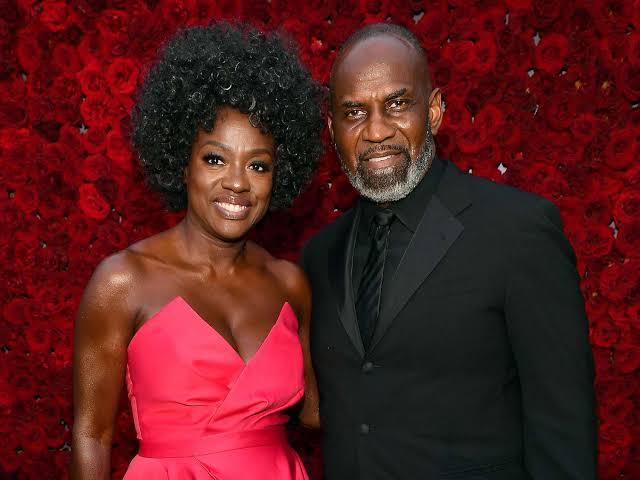
Davis and Tennon married on June 23, 2003.
Their partnership grew during a period when Davis’ career was beginning to accelerate. Her brief but devastating performance in the 2008 film Doubt earned her an Academy Award nomination despite appearing on screen for only a few minutes.
More major roles followed, including The Help, Fences, How to Get Away with Murder, Ma Rainey’s Black Bottom and The Woman King. She became the first Black performer to win acting’s Triple Crown—an Oscar, an Emmy and a Tony—and later achieved EGOT status when the audiobook of her memoir, Finding Me, won a Grammy.
Tennon remained beside her through the career changes, but Davis has never presented their marriage as a flawless celebrity romance.
She has described commitment as a practice requiring honesty, acceptance and the willingness to place the health of the relationship above individual pride. Tennon has spoken similarly about learning how to support a partner whose life and work carry enormous pressure.
In 2016, nearly 13 years after their wedding, the couple renewed their vows in a ceremony attended by their daughter and close friends.
The occasion was not an attempt to replace the past. It was a recognition of the life they had continued choosing together.
Becoming the Mother She Longed to Be
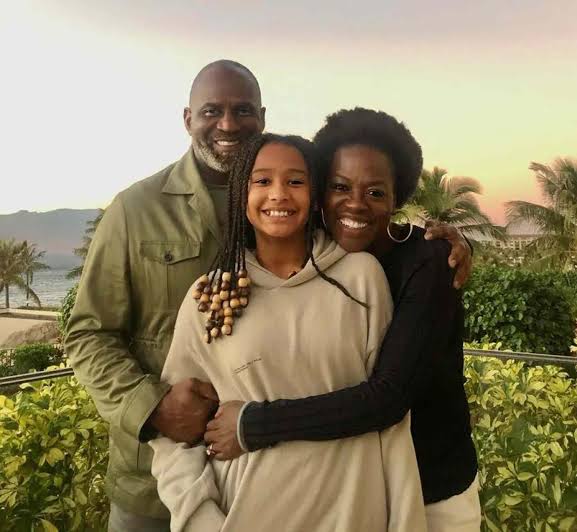
In 2011, Davis and Tennon adopted their daughter, Genesis.
Davis also became a stepmother to Tennon’s two children from previous relationships, creating the larger family structure she had once feared was beyond her reach.
Motherhood brought joy, but it also forced Davis to confront her childhood from a new direction. She wanted Genesis to grow up with the emotional security she had lacked—to know that home was a place where she would be protected, fed, heard and loved.
Davis has been open about the complexity of raising a child while carrying unresolved memories of deprivation. She understands that material comfort alone cannot guarantee confidence or happiness. Her goal has been to give Genesis both a secure foundation and the freedom to become her own person.
By 2026, Genesis was approaching adulthood, and Davis admitted that the prospect of an empty nest was difficult for her to accept. The anxiety was softened by humor, with Tennon appearing far more relaxed about their daughter eventually leaving home.
Behind the jokes was the depth of what motherhood represented to Davis.
The child who once ran from bullies now had a daughter who could run toward her for safety. The apartment where fear had dominated daily life had been replaced by a home in which love was expected rather than questioned.
Turning Their Partnership Into a Mission
Davis and Tennon also extended their partnership into their professional lives by founding JuVee Productions.
The Los Angeles-based company develops film, television, theater, digital and interactive projects, with a particular commitment to complex stories and voices historically overlooked by the entertainment industry.
For Davis, that mission is deeply personal.
She spent years watching Black women receive roles that failed to reflect the breadth of their experiences. Even after becoming one of the most respected actors of her generation, she continued speaking about the limited opportunities available to women who did not match Hollywood’s narrow expectations of beauty, age or marketability.
JuVee gave Davis and Tennon a way to create rather than wait for permission.
Their work together has included projects such as The First Lady, The Woman King and G20, along with a broader slate intended to place underrepresented characters at the center of their own stories.
The company’s purpose mirrors the home they built: it creates space for people whose value has too often been ignored.
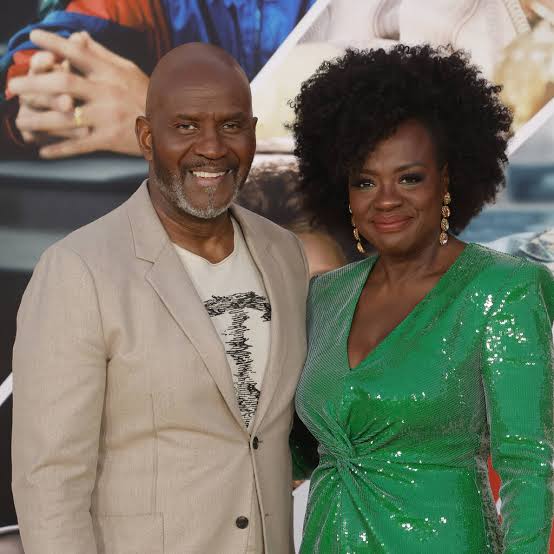
The Home Behind the Achievements
In June 2025, Davis marked 22 years of marriage by returning to the prayer that preceded it.
She wrote that she had asked for an active, unconditional love—someone capable of embracing her abilities as well as the wounds she still carried. Then, she said, Julius came into her life.
The statement captured why their marriage matters within the larger story of her rise.
Tennon did not rescue Davis from poverty; she had already fought her way through school, Juilliard and years of professional rejection. Nor did marriage erase the trauma of her childhood.
What he helped provide was something quieter: a relationship in which she no longer had to approach love as another struggle for survival.
Davis built her career through formidable talent and persistence. With Tennon, she built something that awards could never represent—a home where hunger was not normal, fear was not the governing force and a child could grow up knowing she belonged.
For the girl from apartment 128, that may be the most meaningful achievement of all.