Ed Asner Almost Blew the Audition That Made Him Famous — What Happened Next Had Never Been Done on TV
- NgoPhong
- August 29, 2026
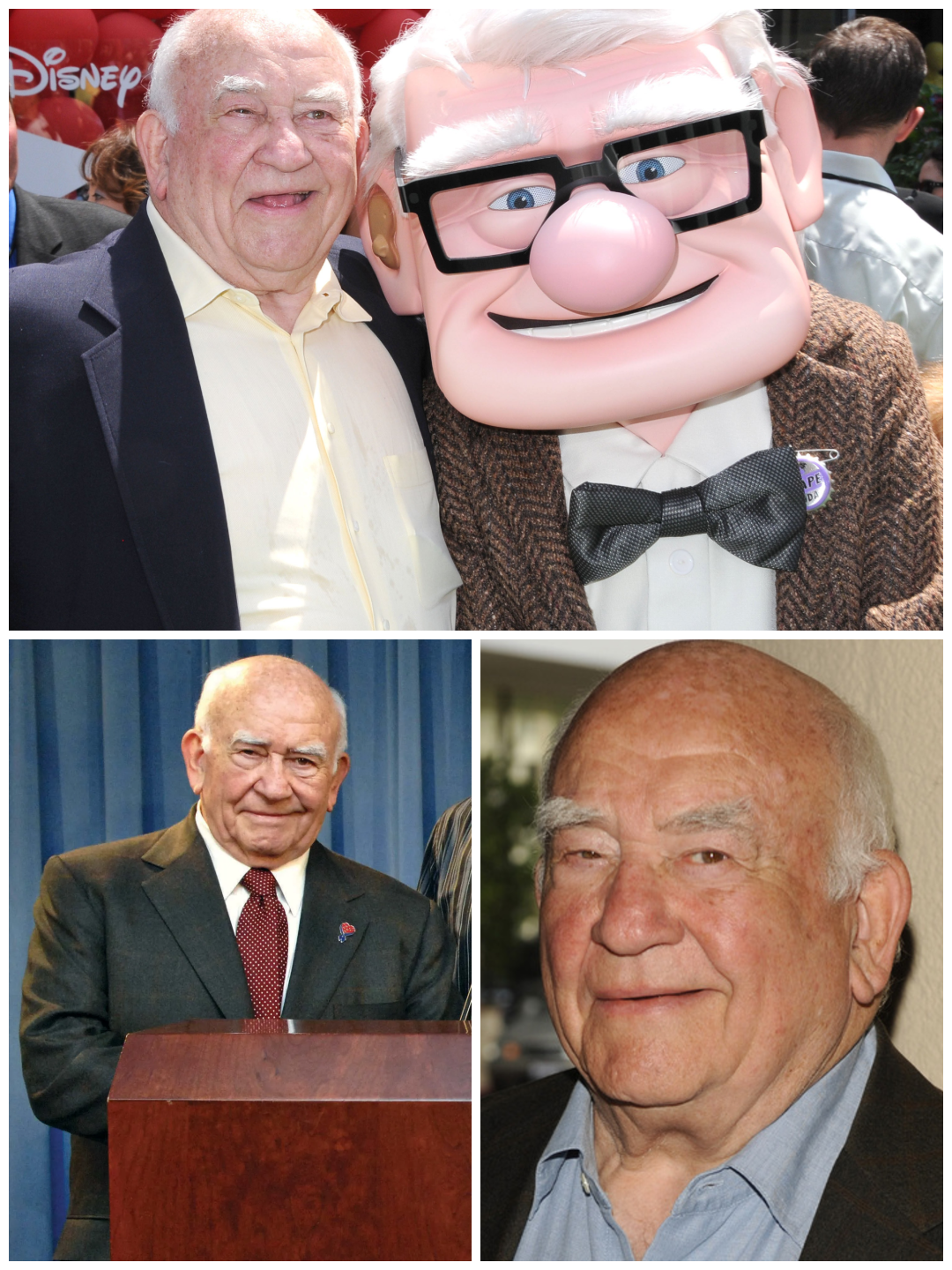
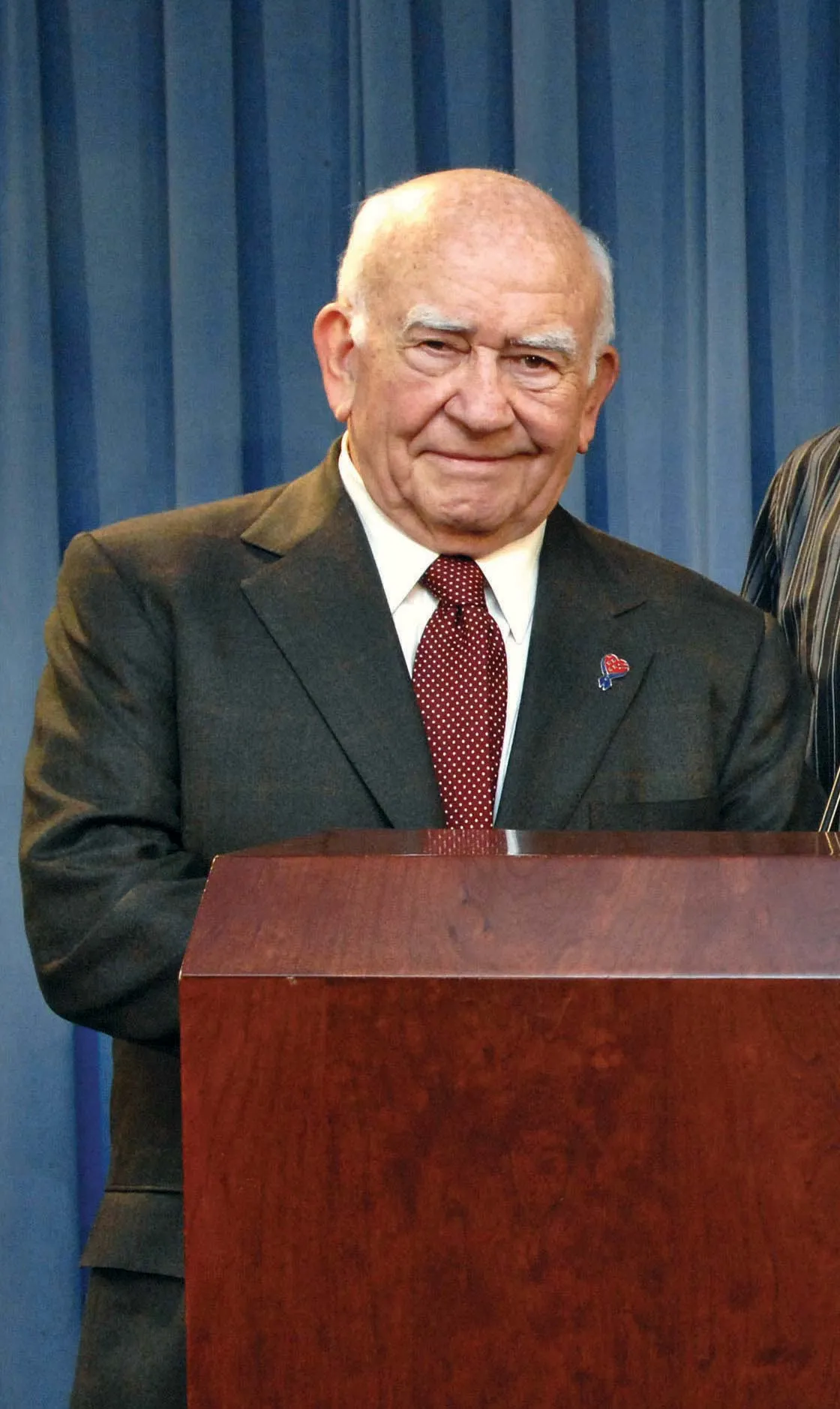
Five years ago today, on Aug. 29, 2021, television lost one of its most recognizable tough guys.
Ed Asner was 91.
To younger viewers, he might have been Santa Claus in Elf or the gravelly voice of Carl Fredricksen in Pixar’s Up. But for millions who watched American television in the 1970s, Asner was inseparable from another name:
Lou Grant.
Gruff, impatient and intimidating on the surface, Lou became the kind of television boss audiences slowly discovered had an enormous heart underneath the growling.
It is difficult to imagine anyone else playing him.
Yet Asner came surprisingly close to losing the role before he ever appeared on screen.
The creators of The Mary Tyler Moore Show had already spent months searching for the right actor. When Asner finally walked in, the audition did not immediately solve their problem.
According to the people who were there, he simply did not read very well.
His performance was so intense that Mary Tyler Moore later compared it to something closer to a terrifying movie villain than a sitcom boss.
Asner left believing the meeting was over.
Then, roughly 10 minutes later, he came back.
What he did next helped turn a shaky audition into television history.
They Had Been Looking for Lou Grant for Months
When The Mary Tyler Moore Show was being assembled in 1970, producers needed someone to play Mary Richards’ boss at fictional Minneapolis television station WJM.
Lou Grant had to be difficult without becoming hateful.
He could intimidate Mary one moment and reveal unexpected warmth the next.
Finding that balance was proving difficult.
Executive producer Allan Burns later remembered that the team had been auditioning actors for months and repeatedly coming up short.
Then Richard Crenna recommended Asner to Grant Tinker of MTM Enterprises.
Asner had already built a long career on stage, television and film, but he was hardly an obvious sitcom star.
He had the heavy build, deep voice and imposing presence of someone audiences might expect to see playing a police officer, criminal or hard-nosed authority figure.
Then he read for Lou.
Burns later admitted bluntly that Asner’s first attempt was not especially good.
Mary Tyler Moore remembered it even more vividly.
In her autobiography, she joked that Asner’s interpretation felt more like something from The Silence of the Lambs — far more threatening than funny.
The producers thanked him politely.
Asner walked out.
Most actors would have accepted the rejection and gone home.
Asner did something else.
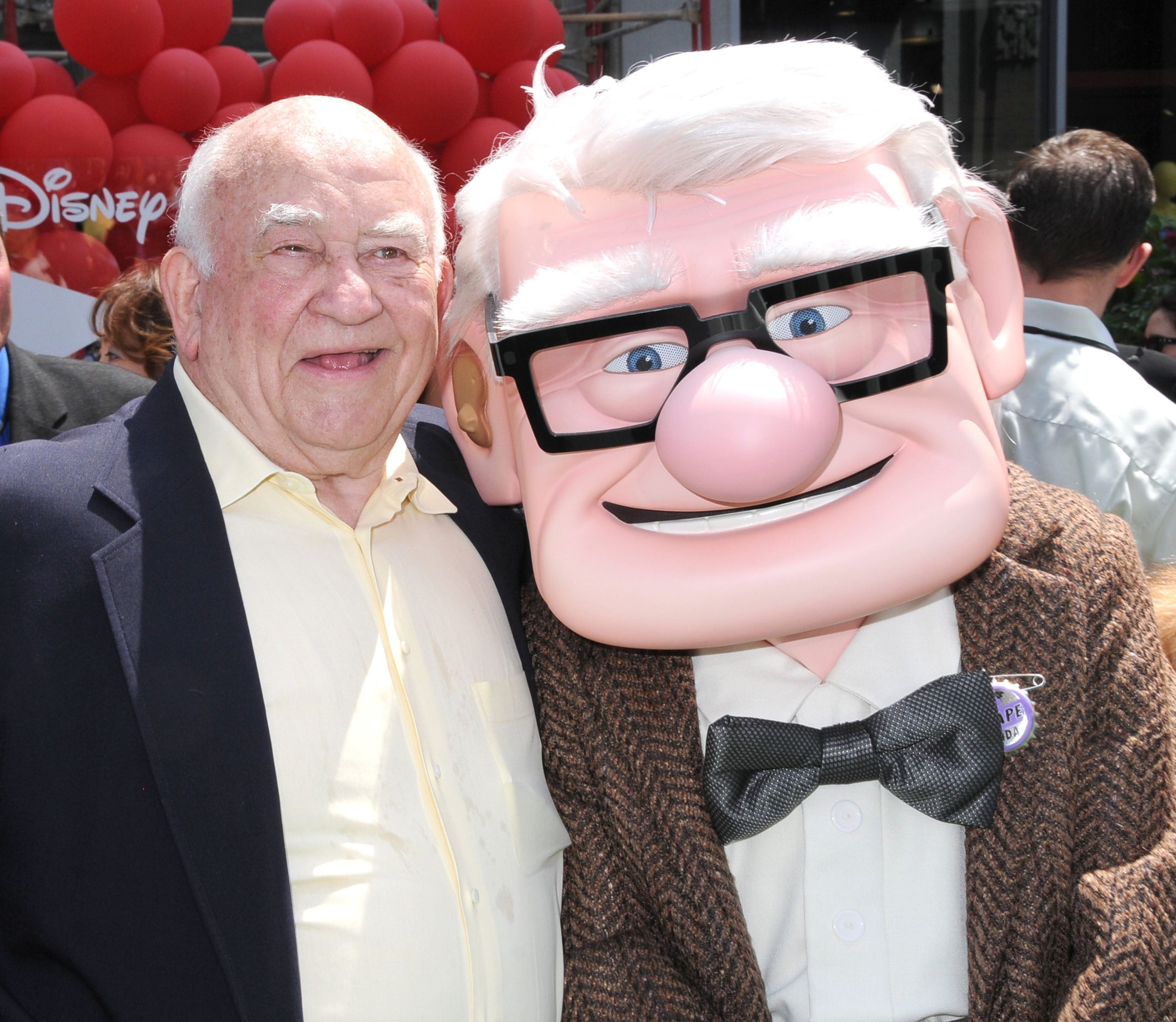
Ten Minutes Later, He Came Back Angry
Asner apparently sensed what had just happened.
The producers had smiled, thanked him and avoided directly telling him what was wrong.
He returned to the office roughly 10 minutes later and confronted them.
His message was simple: stop being polite.
If they wanted more comedy, tell him.
If he was doing something wrong, tell him what it was and give him the chance to fix it.
That willingness to demand criticism changed the audition.
The producers gave him direction.
Asner tried the scene again.
This time, they saw Lou Grant.
Burns later called hiring him one of the best decisions they ever made.
It is an extraordinary origin story considering how effortless Lou eventually seemed.
Asner did not simply arrive possessing the finished character.
He nearly lost the role because his first instinct was too severe.
Then he listened, adjusted and discovered the delicate line between intimidating and funny that would define Lou for seven seasons.
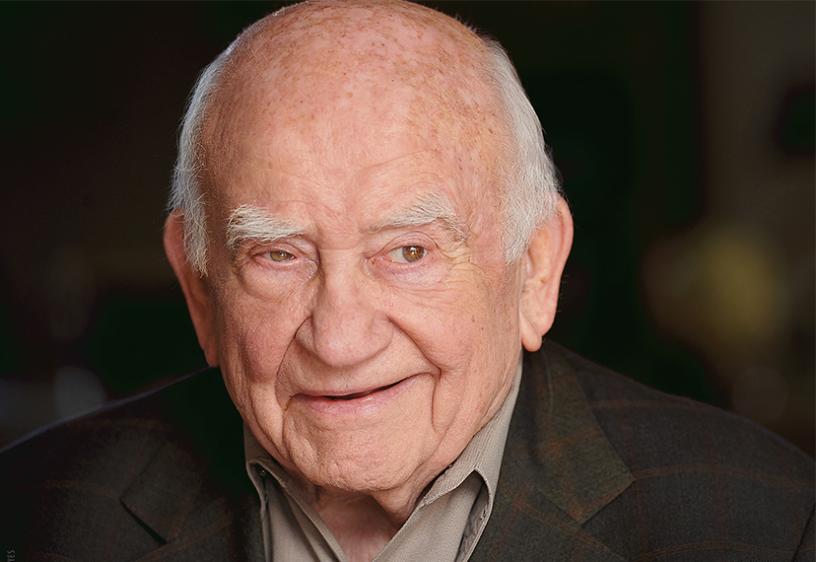
One Scene Immediately Explained Why Lou Worked
The pilot contains one of the defining exchanges in television comedy.
Lou interviews Mary for a job and asks increasingly inappropriate personal questions.
Eventually, he tells her that she has “spunk.”
Mary appears pleased.
Then Lou delivers the reversal:
He hates spunk.
It established their relationship almost instantly.
Lou could be impossible.
Mary would push back.
And beneath the irritation, the two characters gradually developed enormous affection for one another.
The Mary Tyler Moore Show premiered in September 1970 and became one of the defining sitcoms of its era.
Asner’s performance quickly became an essential part of it.
He won three Primetime Emmys for playing Lou on the comedy — in 1971, 1972 and 1975.
But the truly strange part of Lou Grant’s story began when the sitcom ended.
Normally, that would have been the end of the character too.
Instead, television tried something that sounded almost impossible.
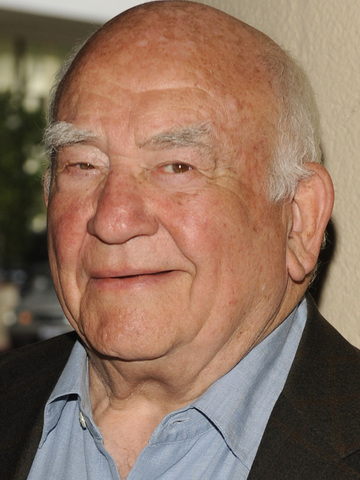
They Took a Sitcom Character and Put Him Into a Serious Drama
The Mary Tyler Moore Show ended in 1977.
That same year, CBS premiered Lou Grant.
Asner was still playing Lou.
But almost everything around him had changed.
The half-hour sitcom was gone.
The laugh track was gone.
WJM was gone.
Lou moved from television news in Minneapolis to newspaper journalism in Los Angeles, becoming city editor at the fictional Los Angeles Tribune.
And Lou Grant was a one-hour drama.
The new series tackled serious subjects involving journalism, corruption, social problems and ethical conflicts.
The Television Academy later compared Asner’s transformation to Babe Ruth changing from an elite pitcher into a legendary home-run hitter. Its Hall of Fame tribute described what Asner accomplished as taking a comedic character from one successful series and transforming him into a dramatic character in another successful series — something it said had never previously been done successfully on television.
Asner himself admitted the transition was miserable at first.
Asner Was Terrified of Losing the Old Lou
The challenge was not simply playing drama.
Asner had done serious work before.
The problem was deciding how much of sitcom Lou should survive.
Audiences already knew the character’s expressions, timing and comic rhythms. If Asner abandoned all of that, the new Lou might feel like a completely different man who merely shared the same name.
But if he kept forcing comedy into every scene, Lou Grant would never function as a serious drama.
Asner later said he felt enormous pressure to serve as the “watchdog” protecting the original character.
At first, he tried to emphasize every possible humorous moment.
It became exhausting.
Eventually, he gave up trying to preserve Lou artificially and simply began playing the scripts as written.
That was when the transformation finally worked.
The character had not disappeared.
He had matured into a different television environment.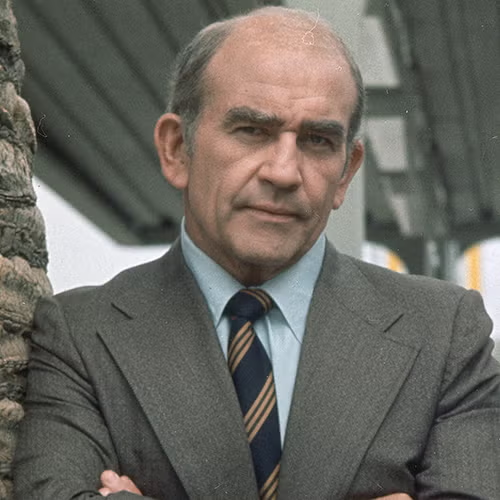
Then He Won Emmys in Both Comedy and Drama for the Same Character
If anyone still doubted whether the experiment worked, awards voters answered quickly.
Asner won the Emmy for Outstanding Lead Actor in a Drama Series for Lou Grant in 1978.
He won again in 1980.
That meant the same actor had won Emmys for the same character in two fundamentally different genres.
Three comedy wins for Lou Grant on The Mary Tyler Moore Show.
Two drama wins for Lou Grant on Lou Grant.
Asner also won Emmys for Rich Man, Poor Man and Roots, bringing his career total to seven.
The Television Academy still lists him as the most honored male performer in Primetime Emmy history, with seven wins from 17 nominations.
And all of it traces back to an audition that almost ended with a polite goodbye.
Lou Grant Never Really Left Him
Asner worked for decades after Lou Grant ended in 1982.
He appeared in movies, television dramas, comedies and animated projects.
Eventually, another generation knew his voice as Carl in Up, the irritable widower whose gruffness once again concealed a far softer emotional core.
There was something unmistakably Lou Grant-like about Carl.
Asner had become unusually good at playing men who seemed irritated with the entire world until audiences discovered how deeply they cared.
He continued working late into his life and was inducted into the Television Academy Hall of Fame in 1996.
Asner died in Los Angeles on Aug. 29, 2021. Today marks exactly five years since his death.
His résumé ultimately became enormous.
But no achievement explains his career better than Lou Grant.
The actor who initially read the role too aggressively walked back into the audition room and demanded another chance.
He got it.
Then he played Lou for seven years in one of television’s most beloved comedies.
When that show ended, he did something even less likely.
He took the same character into an hour-long drama and won again.
Ed Asner nearly blew the audition that made him famous.
Instead, he turned it into a character television had never seen before — twice.