Jimmy Buffett Almost Gave ‘Margaritaville’ a Very Different Name — Florida Changed Everything
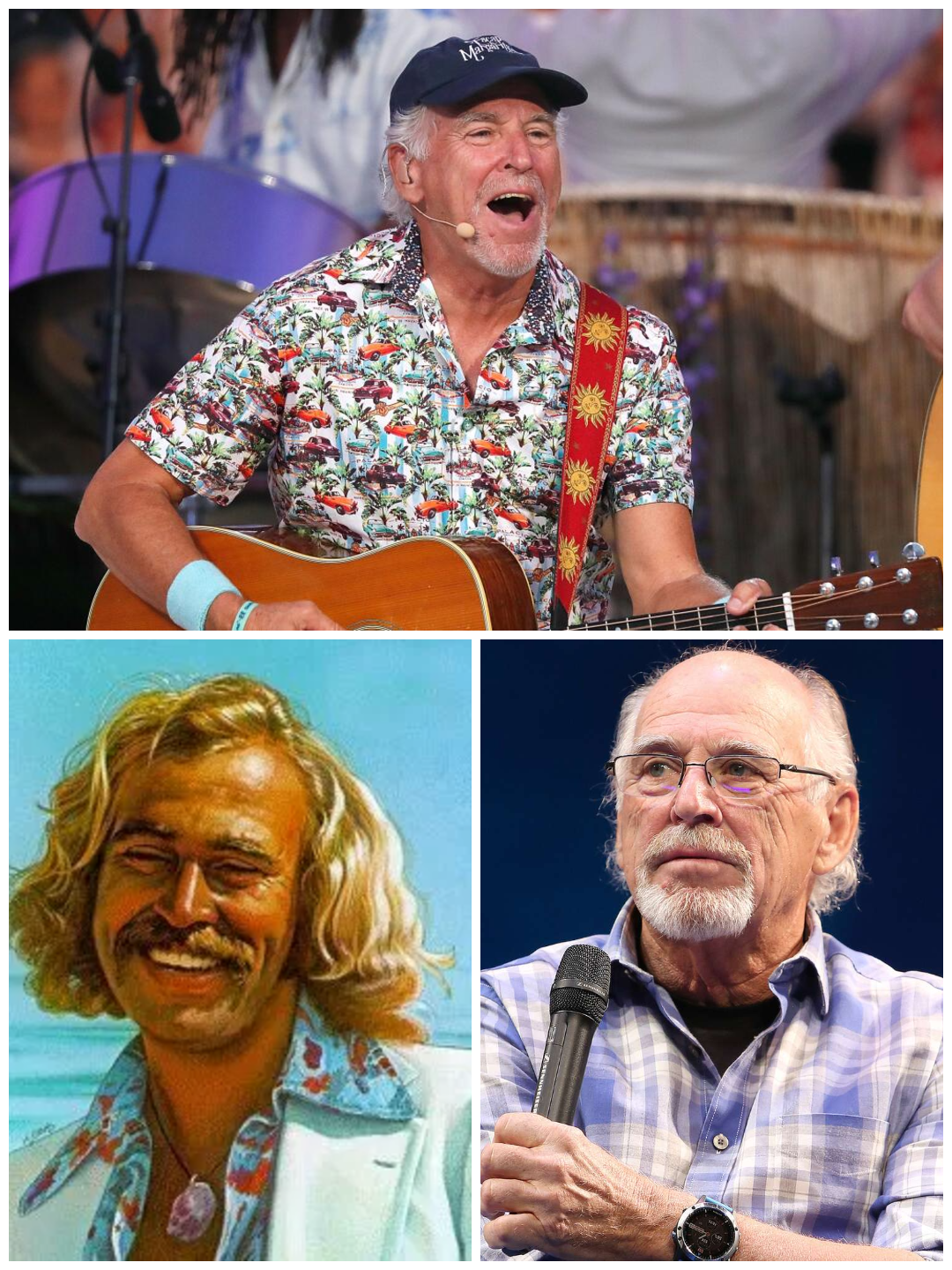
For millions of Americans, “Margaritaville” sounds like Florida.
It sounds like Key West, palm trees, boat docks, frozen drinks and the kind of afternoon where nobody seems especially worried about what time it is.
For Jimmy Buffett, the song eventually became much more than a hit. It became a lifestyle, a brand and, ultimately, the foundation for a business empire built around the fantasy of escaping ordinary life for someplace warmer and less complicated.
But one of the most “Florida” songs ever recorded did not actually begin in Florida.
It began in Austin, Texas.
And according to Buffett, the song that millions of fans now know as “Margaritaville” almost carried a title so different that it is difficult to imagine it ever becoming the cultural phenomenon it did.
As the third anniversary of Buffett’s death approaches on Sept. 1, the unlikely story behind his signature song offers another reminder of how casually some of America’s most enduring pieces of pop culture can begin.
In Buffett’s case, it started with a margarita.
The Song Started With a Drink in Austin
Before “Margaritaville” became a permanent part of American pop culture, Buffett was traveling, playing music and collecting the kinds of small experiences that regularly found their way into his songs.
One of those experiences happened in Austin.
Buffett had a margarita there, and something about the moment sparked an idea.
The concept was not immediately the polished, sun-soaked fantasy that listeners would eventually hear on the radio.
In fact, Buffett later recalled that the title he initially considered was something much closer to:
“Wasting Away Again in Austin, Texasville.”
It is a fascinating alternate history.
The famous phrase “wastin’ away again in Margaritaville” would eventually become almost inseparable from Buffett himself. Yet at the beginning, the imagined destination was not a tropical paradise at all.
It was Austin.
That early title captured the place where the idea had started, but it did not yet capture what the song would become.
For that, Buffett needed to keep moving.
Florida Changed the Song
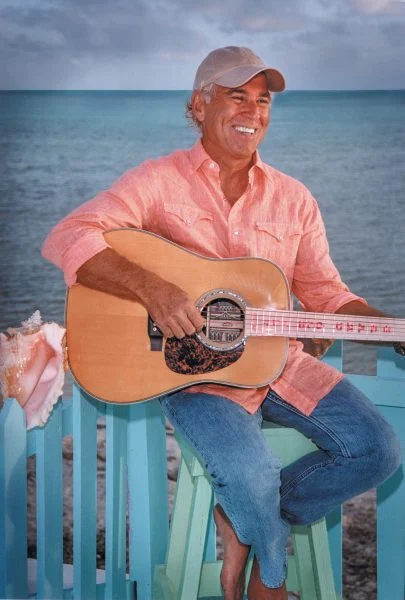
After leaving Austin, Buffett continued developing the idea while traveling back toward Florida.
That journey mattered.
As the song evolved, so did its geography.
The Texas reference gradually gave way to something more universal — a fictional place that felt real even though listeners could imagine it almost anywhere there was sunshine, salt air and a cold drink nearby.
“Margaritaville” was much more powerful than “Austin, Texasville.”
It did not belong to one city.
It became a state of mind.
That transformation continued as Buffett headed toward Key West, the island city that would become deeply associated with his music and public image.
Part of the song was reportedly completed while Buffett was stuck in traffic near Seven Mile Bridge on the drive toward Key West.
It is almost too appropriate.
A song associated with escaping schedules and responsibilities was being shaped while its writer was trapped in traffic.
The contrast fits Buffett perfectly.
His songs often took everyday frustrations and transformed them into stories about finding humor, freedom or escape somewhere inside them.
By the time he reached the Florida Keys, the song had moved far beyond the margarita that inspired the original idea.
It had found its world.
The First Audience Heard It in Key West
Today, “Margaritaville” feels like the kind of song that must have arrived fully formed, destined to become a hit.
That is not what happened.
Before millions of people heard it, Buffett tested it in one of the places that helped define his career.
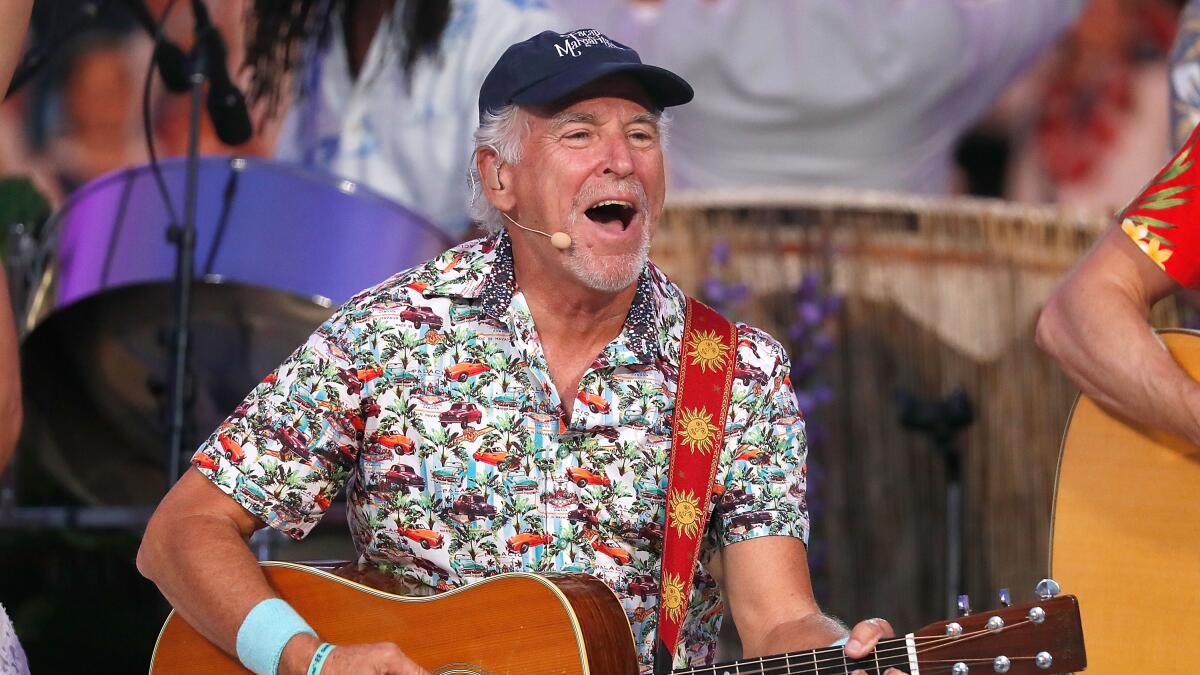
The night after working on the song during his trip south, Buffett performed it for the first time at a restaurant in Key West.
At that moment, there was no Margaritaville empire.
There were no branded resorts.
No restaurants carrying the name across tourist destinations.
No sprawling business identity built around the fictional location in the song.
There was simply Jimmy Buffett playing a new song.
Nobody in that room could have known how valuable the word “Margaritaville” would eventually become.
Not even Buffett could have fully predicted it.
Then One Song Became an Entire World
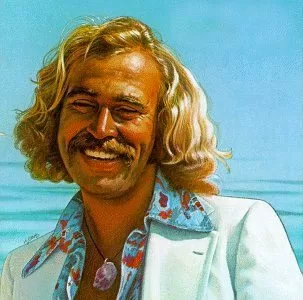
“Margaritaville” was released in 1977 on Buffett’s album Changes in Latitudes, Changes in Attitudes.
The song tells a deceptively simple story.
Its narrator spends his time relaxing, eating, drinking and watching tourists while trying to understand how his life reached this point.
There is humor in it, but also regret.
He wonders who is responsible for his problems.
At first, he suggests there may be a woman to blame.
Eventually, he admits the truth.
It is his own fault.
That small progression helped make the song more memorable than a simple drinking anthem.
Listeners could enjoy the fantasy while also recognizing the self-awareness underneath it.
But the title became something even bigger.
“Margaritaville” turned into shorthand for a particular version of escape: a place where shirts are optional, clocks barely matter and life’s complications can temporarily be postponed.
Buffett understood the power of that fantasy.
Over the decades, he expanded it far beyond music.
The Margaritaville name appeared on restaurants, resorts, hotels, merchandise and other ventures.
What began as a song inspired by a drink eventually became one of the most recognizable lifestyle brands associated with any American musician.
And it all depended on one crucial change.
Imagine the same empire carrying the name “Austin, Texasville.”
It is difficult.
Why “Margaritaville” Worked
The genius of the final title was its flexibility.
Austin is a real place.
Margaritaville could be anywhere.
That meant every listener could create his or her own version of it.
For someone in Michigan during winter, Margaritaville might mean a Florida vacation.
For someone on a boat, it might be the next marina.
For another listener, it might simply mean sitting in the backyard with a drink and deciding not to answer the phone for an hour.
Buffett did not merely name a location.
He named a feeling.
That is one reason the song survived long after its original release.
The world around it changed. Music trends changed. Generations changed.
Margaritaville remained.
Three Years Without Jimmy Buffett
Buffett died on Sept. 1, 2023, at age 76.
This Sept. 1 marks three years since his passing.
For longtime fans, his legacy remains tied to far more than one song. Buffett built a devoted following through decades of touring, songwriting and the easygoing philosophy that connected him with generations of “Parrotheads.”
But no song defines that legacy more immediately than “Margaritaville.”
The title now feels inevitable.
That may be the strangest part of its origin story.
It was not inevitable at all.
The song began with a margarita in Austin. Its earliest title was tied directly to Texas. Buffett kept writing as he headed back toward Florida, worked on it while caught in traffic near Seven Mile Bridge, and then introduced it to an audience in Key West.
Somewhere along that journey, “Austin, Texasville” disappeared.
“Margaritaville” took its place.
Years later, that one invented word would appear on signs, hotels, restaurants and products around the country.
But before it became an empire, it was simply the better name for a song Jimmy Buffett was still figuring out on the road.