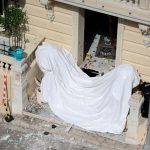
Dolly Parton’s Father Never Said Much About Her Fame — Then She Learned What He Was Doing to Her Statue at Night
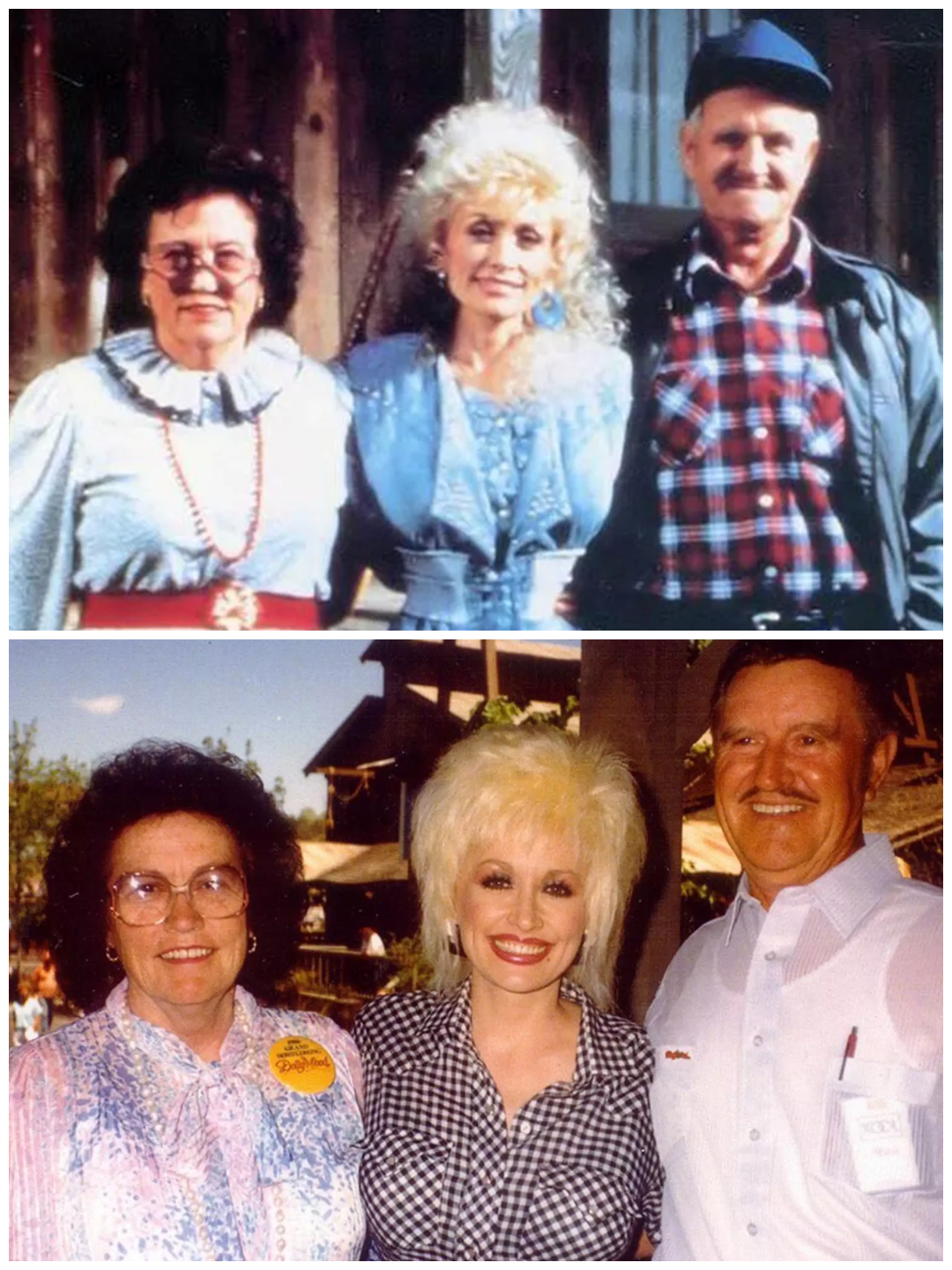
Dolly Parton spent most of her life being celebrated in ways that would have been unimaginable when she was a little girl growing up in the mountains of East Tennessee.
There were awards.
There were sold-out concerts.
There were hit songs, movie roles, television appearances and eventually an entertainment empire with her name attached to it.
Then her hometown gave her something even more permanent.
A statue.
For many parents, seeing a bronze likeness of their child standing in the center of town might have inspired speeches, photographs or endless bragging.
Dolly’s father was different.
Lee Parton was a private man who had grown up with little money and little formal education. He was not someone who seemed impressed by celebrity or interested in making grand public displays of emotion.
But Dolly eventually learned that her father had developed a private ritual involving that statue.
He did not tell her about it.
He did not ask anyone to praise him for it.
He simply went out at night, when almost nobody was watching.
And what he did there became one of Dolly’s favorite stories about the man whose approval mattered to her long before millions of strangers knew her name.
Dolly’s Fame Was Far Removed From Her Father’s World
Dolly Rebecca Parton was born into a large family in rural Tennessee, one of 12 children raised in modest circumstances.
Her childhood became part of the mythology surrounding her career.
She wrote about poverty without hiding from it. She turned family memories into songs. She spoke openly about growing up in a small home where money was scarce but music, faith and family filled much of the space.
Her father, Robert Lee Parton, worked hard to support the family.
Dolly often described him as intelligent and practical, even though he had not received the kind of education that might have allowed him to read and write with ease.
He was not part of the entertainment world Dolly eventually entered.
That distance made his response to her success especially meaningful.
As Dolly’s career exploded, her face appeared on television screens, album covers and movie posters.
Her name became famous far beyond Tennessee.
Yet to her father, she was still his daughter.
And when Sevierville, Tennessee, honored her with a statue, Lee Parton apparently found his own way of dealing with the strange sight of seeing his child immortalized in bronze.
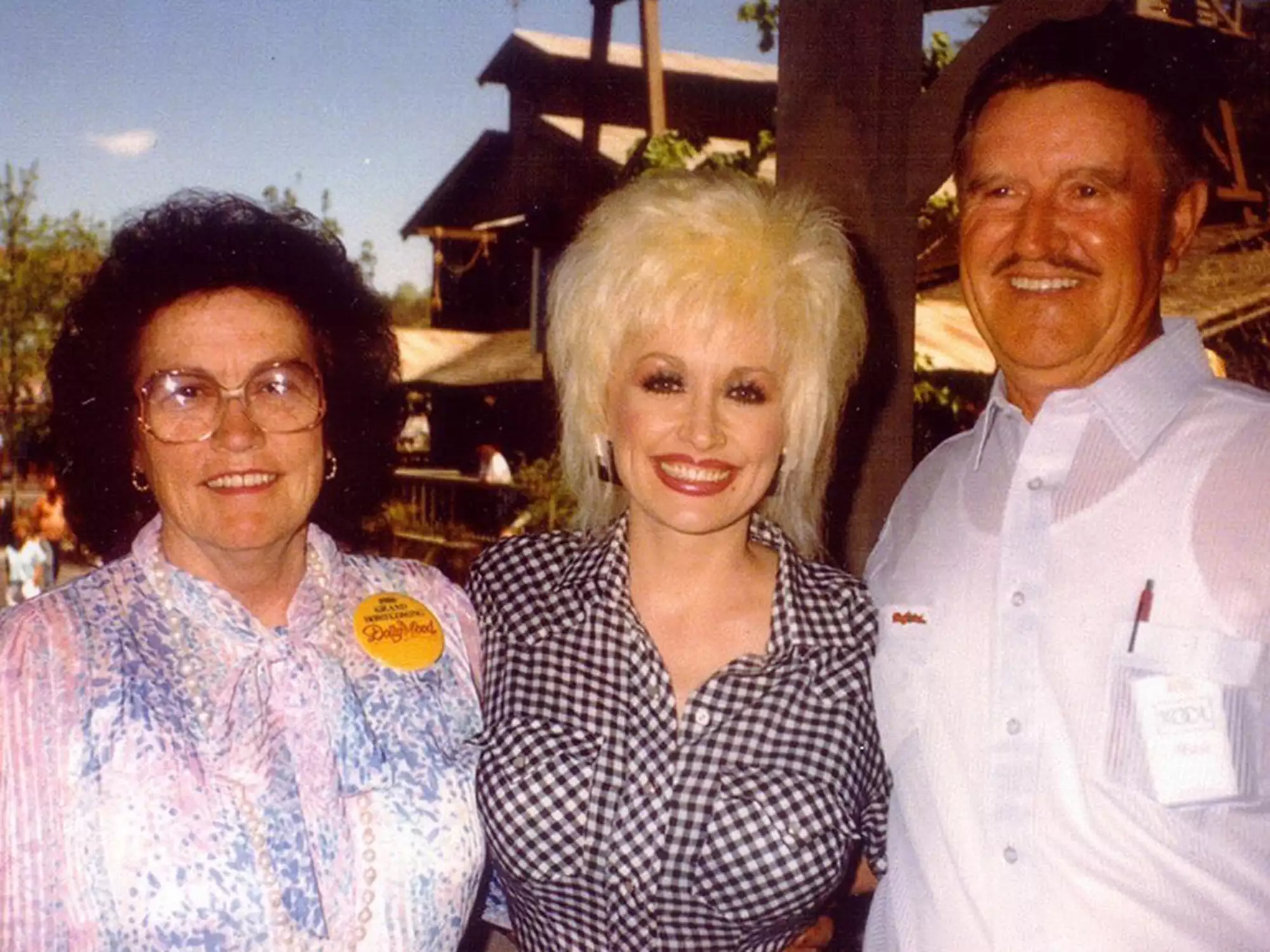
The Statue Became a Hometown Landmark
The Dolly Parton statue in Sevierville represented something bigger than celebrity.
It placed Dolly permanently in the community that had shaped her.
For fans, the statue became a destination.
For the town, it was a symbol of pride.
For Dolly, it was deeply personal.
A monument in someone’s hometown is different from an award handed out in Hollywood or Nashville.
It stands among people who remember where that person came from.
That appears to have mattered to her father too.
Lee reportedly took enormous pride in the statue.
He simply did not express that pride in the way people might expect.
Dolly later revealed that her father quietly visited the statue after dark.
And he brought cleaning supplies with him.
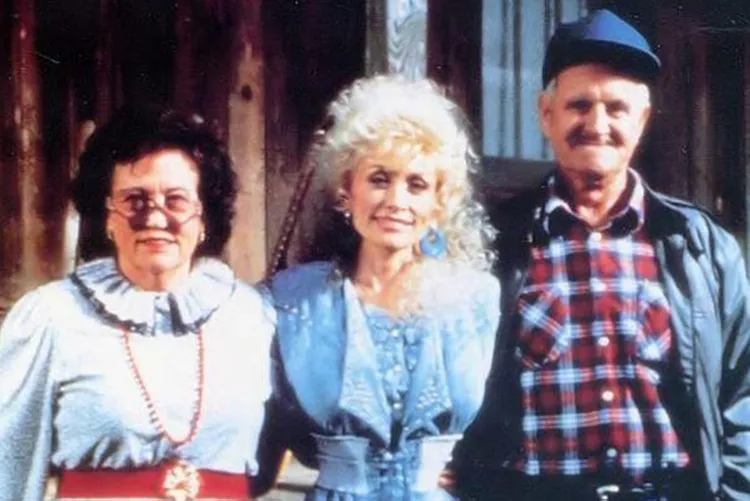
He Was Secretly Cleaning His Daughter’s Statue
According to Dolly’s telling of the story, her father would go to the statue at night carrying a bucket of soapy water.
Why?
Birds.
Like almost any outdoor monument, the statue occasionally became covered with bird droppings.
Lee Parton apparently could not stand the idea of leaving his daughter’s likeness that way.
So he would quietly clean it.
He reportedly scrubbed the bird mess from the statue himself, often at night, without turning the act into a public event.
There was no ceremony.
No photographer.
No announcement.
Just a father, a bucket of soapy water and a bronze statue of his daughter.
Dolly did not initially know he was doing it.
She learned about his nighttime cleaning visits later.
That detail transformed the story from something humorous into something far more emotional.
Her father had never needed to tell her how proud he was.
He was showing it when nobody was watching.
It Was a Very Lee Parton Way to Show Love
Dolly often spoke about her parents with a mixture of humor, affection and enormous respect.
Her mother, Avie Lee, had a strong musical influence on the children.
Her father represented something different: work, toughness, practicality and quiet devotion.
That contrast makes the statue story feel especially revealing.
Lee was not polishing a Grammy.
He was not attending a red carpet.
He was not standing in front of reporters talking about how successful his daughter had become.
He was taking care of something that represented her.
For a man who did not naturally express himself through fame or spectacle, cleaning the statue may have been a more authentic expression of pride than any public statement could have been.
It also fits the way Dolly frequently talked about her family.
Success did not erase where she came from.
In many ways, it made those relationships more important.
Dolly Never Forgot Where Her Story Started
Even as Dolly became one of the most recognizable entertainers in America, she continued to connect much of her public identity to East Tennessee.
The mountains appeared repeatedly in her songs and stories.
Her childhood became part of her songwriting.
Her family remained a central part of the way she explained herself to the world.
She could joke about rhinestones, wigs and exaggerated glamour, but underneath that image was someone who repeatedly returned to the values she associated with home.
That is one reason the story about her father resonates so strongly.
The statue represented everything fame had given her.
Her father’s cleaning bucket represented everything that came before it.
The contrast could not have been more Dolly.
One side was a public monument.
The other was private love.
The Story Feels Different Now
Dolly Parton died on Aug. 25, 2026, at age 80.
In the days since her passing, fans have revisited countless moments from her life: her songs, performances, friendships, philanthropy and the enormous influence she had across generations.
But some of the most revealing stories are smaller.
They are not about awards.
They are not about sales.
They are not about celebrity tributes.
They are about the people who knew her before the world did.
Lee Parton did not live long enough to see every chapter of his daughter’s extraordinary career.
But he saw enough to understand what she had become.
The little girl from a poor mountain family had grown into someone important enough for her hometown to build a statue in her honor.
And according to Dolly, her father was enormously proud.
He just expressed it in his own way.
A Bucket of Water Said What He Didn’t
There is something almost cinematic about the image.
A quiet Tennessee night.
A bronze statue standing in Sevierville.
And Dolly Parton’s father arriving with a bucket of soapy water because birds had made a mess of his daughter’s face.
It is funny.
Dolly herself understood that.
But underneath the humor was something unmistakably tender.
Lee Parton did not need an audience.
He did not need recognition for being the father of Dolly Parton.
He simply wanted her statue to look cared for.
For a daughter who spent decades receiving applause from millions of people, that small gesture appears to have meant something special.
The world showed its admiration for Dolly Parton loudly.
Her father did it quietly.
And sometimes, long after the awards and headlines disappear, the quiet gestures are the ones families remember most.