Patsy Cline Couldn’t Finish “Crazy” the First Time She Tried — Then She Returned and Sang It in One Take
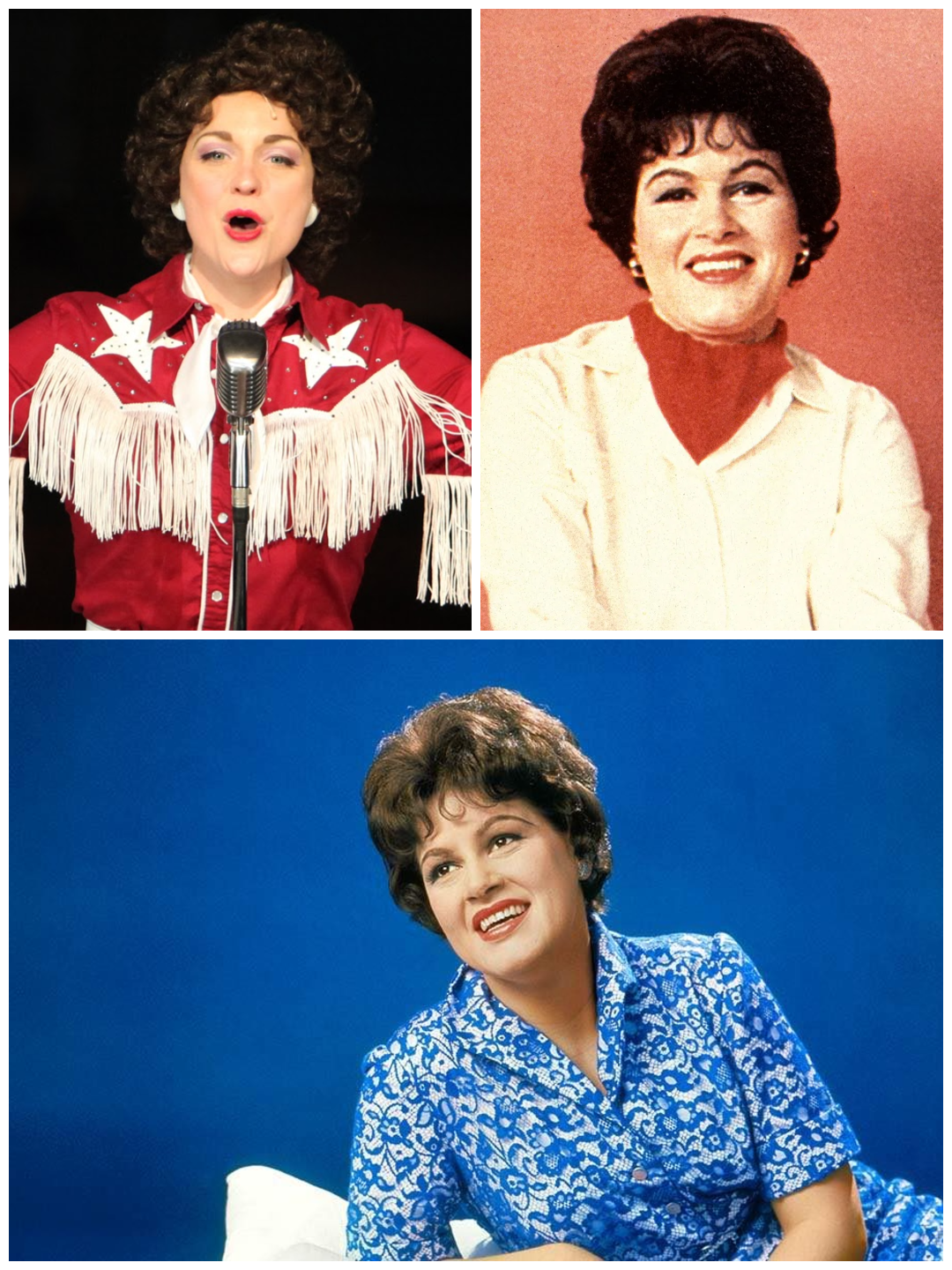
Today, “Crazy” sounds effortless.
Patsy Cline’s voice moves through the song with such control that it is easy to imagine her walking into a Nashville studio, standing behind a microphone and simply delivering one of the greatest country recordings of all time.
But that is not what happened.
When Cline first tried to record Willie Nelson’s song in 1961, she was still recovering from a serious car accident that had left her badly injured only a few months earlier.
Her body had not fully healed.
Breathing deeply hurt.
Certain notes required more physical strength than she could comfortably give.
And during the first recording session, one of the most powerful singers in country music found herself unable to finish the vocal.
She eventually had to leave the studio without completing it.
Then Cline returned after more time to recover.
What happened next became part of Nashville legend.
She reportedly stepped to the microphone and recorded the famous vocal for “Crazy” in a single take.
Willie Nelson’s Song Did Not Sound Like an Obvious Patsy Cline Hit
Before “Crazy” became inseparable from Patsy Cline, it belonged to a young songwriter named Willie Nelson.
Nelson had not yet become the instantly recognizable outlaw-country icon with braids, a battered guitar and decades of hits behind him.
He was a songwriter trying to establish himself in Nashville.
His writing was different.
His phrasing could be unconventional, stretching words across beats in ways that did not always follow the predictable rhythm of mainstream country songs.
“Crazy” was a perfect example.
The song is deceptively simple.
Its narrator knows a relationship is ending but cannot stop loving the person who is leaving.
There is no complicated plot.
Almost everything depends on emotion.
That required the right singer.
Cline had already proved she could turn heartbreak into something enormous without oversinging it.
But even she reportedly needed some convincing about Nelson’s unusual composition.
Once the song was reshaped into an arrangement that suited her style, however, it had the potential to become extraordinary.
There was still one major problem.
Cline’s body was not ready.
The Car Crash Had Nearly Killed Her
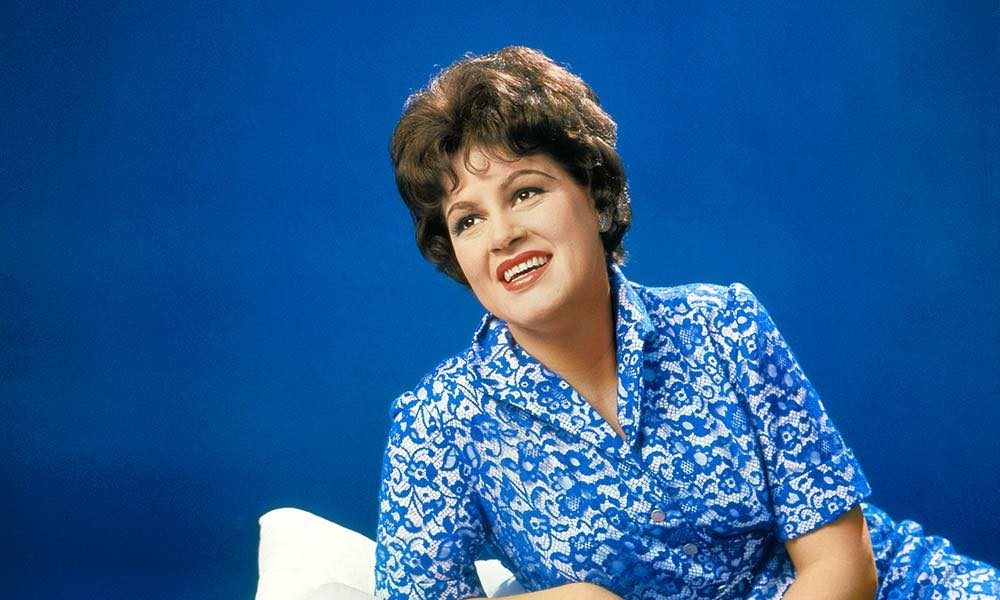
On June 14, 1961, Cline was involved in a severe automobile accident in Nashville.
The collision left her with significant injuries.
She suffered broken ribs and other trauma and spent time hospitalized while recovering.
The accident was serious enough that Cline reportedly feared she might not survive.
She eventually returned home, but recovery from injuries like hers did not happen simply because she was released from the hospital.
For a singer, damaged ribs were particularly difficult.
Singing is physical.
Holding notes requires breath support.
Power comes from controlling air through the body.
A vocalist can look perfectly still while doing an enormous amount of muscular work.
Cline might have been able to return to the studio, but that did not mean she could immediately sing the way she had before the crash.
And “Crazy” demanded control.
The First Session Became a Physical Struggle
When Cline entered the studio to work on “Crazy,” producer Owen Bradley assembled the musicians around her.
The instrumental track could be built.
The arrangement could be perfected.
But Cline struggled to deliver the complete vocal.
Her injuries were still causing pain, particularly when she needed the breath support required for some of the song’s more difficult passages.
She tried.
Her voice was still there.
Her body simply could not cooperate.
For a singer known for remarkable control, that must have been enormously frustrating.
But forcing the performance could have made things worse.
Rather than push through the pain simply to finish the record that day, Cline eventually stopped.
The session ended without the final vocal listeners know today.
The musicians had created the musical foundation.
Cline would have to come back.

“Crazy” Was Waiting for Her
That delay may have helped produce the recording people now remember.
Cline had more time to recover physically.
She also had time to live with the song.
By the time she returned to the studio, the instrumental arrangement was already waiting.
She did not need to sing repeatedly while the band adjusted around her.
She could focus on one thing:
the vocal.
And then she did something extraordinary.
According to the story that has followed the recording for decades, Cline sang the final vocal in one complete take.
One.
The performance that sounds almost impossibly polished did not require endless attempts after she came back.
She simply stepped into the song and delivered it.
The Pain Is Almost Impossible to Hear
Knowing what had happened makes the recording sound different.
There is no obvious strain in Cline’s voice.
She does not sound like someone recently injured.
She does not sound hesitant.
Instead, she sounds completely in command.
The opening feels intimate.
Then the voice grows without becoming theatrical.
She stretches certain words, pulls back on others and allows tiny pauses to carry as much emotion as the notes themselves.
That was one of Cline’s greatest gifts.
She could make technical control disappear behind feeling.
Listeners did not hear breathing technique.
They heard heartbreak.
They did not hear a singer calculating where to place a note.
They heard a woman trying to understand why she still loved someone who was leaving.
That illusion is even more remarkable knowing that breathing itself had recently been painful for her.
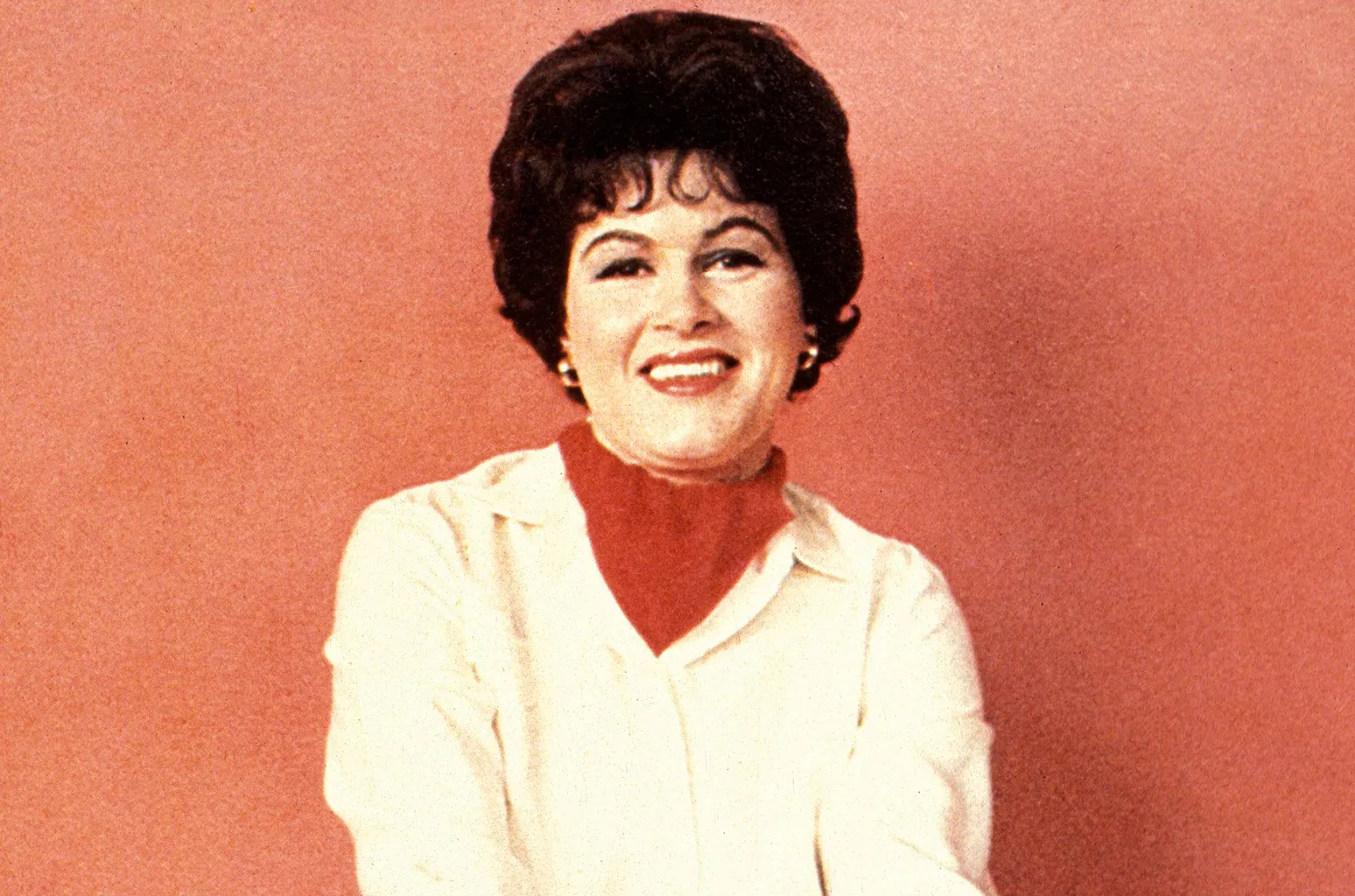
Willie Nelson Heard His Song Become Something Else
“Crazy” also became an important milestone for Willie Nelson.
His songwriting was already earning attention, but Cline’s recording demonstrated how powerful his unconventional compositions could become in the right hands.
She did not imitate Nelson’s own phrasing exactly.
She made the song hers.
That is often what happens with great compositions.
The writer creates the structure and the emotional truth.
Then another performer discovers an entirely different way to inhabit it.
Cline’s interpretation became so definitive that generations of listeners would hear “Crazy” and immediately think of her voice.
Nelson would eventually become one of the most celebrated performers in American music himself.
But this particular song would always carry Patsy Cline’s shadow.
“Crazy” Became Bigger Than Anyone Could Have Predicted
Released in 1961, Cline’s recording became a major hit and eventually one of the most enduring songs in country music.
Its reputation only grew after her death.
Cline was killed in a plane crash in March 1963 at just 30 years old.
Her recording career had been painfully short.
Yet songs such as “I Fall to Pieces,” “Walkin’ After Midnight” and “Crazy” helped create a legacy far larger than the number of years she had been able to record.
“Crazy” became especially important because it traveled beyond traditional country audiences.
It became a standard.
Other singers recorded it.
New generations discovered it.
But Cline’s version remained the reference point.
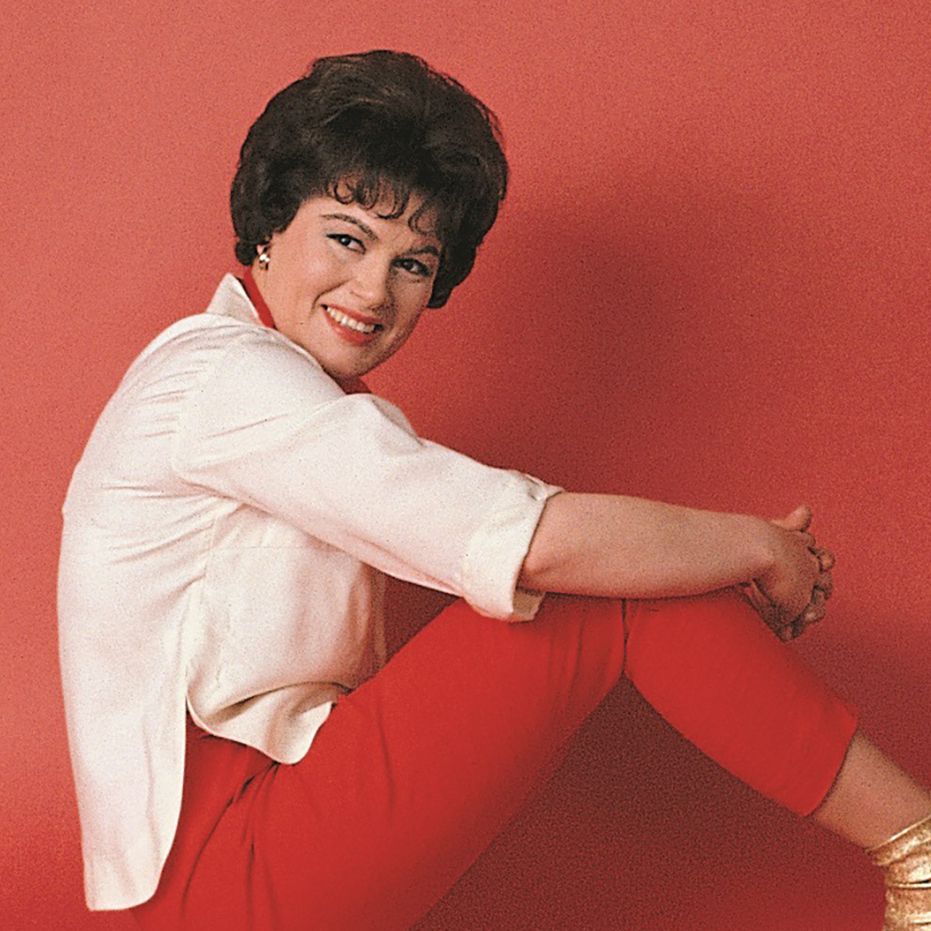
The One-Take Story Makes the Recording Even More Remarkable
There is a tempting tendency to imagine iconic recordings as inevitable.
Of course Patsy Cline recorded “Crazy.”
Of course it became a classic.
Of course her voice sounds exactly the way it should.
But nothing about the session was inevitable.
Only months earlier, Cline had been seriously injured.
When she first attempted the song, the physical consequences of that accident were still interfering with the thing she did best.
She could not complete the vocal.
She had to stop.
The future classic remained unfinished.
Then she waited.
She recovered.
She returned to the studio.
And when the microphone was finally in front of her again, Cline did not merely finish the job.
She created the performance that millions of people would still recognize more than six decades later.
In one take.
That may be the most remarkable thing about “Crazy.”
The finished record sounds like a singer who never struggled for a second.
Only the people who knew what happened before that final take understood how much pain had come first.