Richard Gere Wasn’t Sold on Pretty Woman — Then Julia Roberts Slid One Small Note Across His Desk
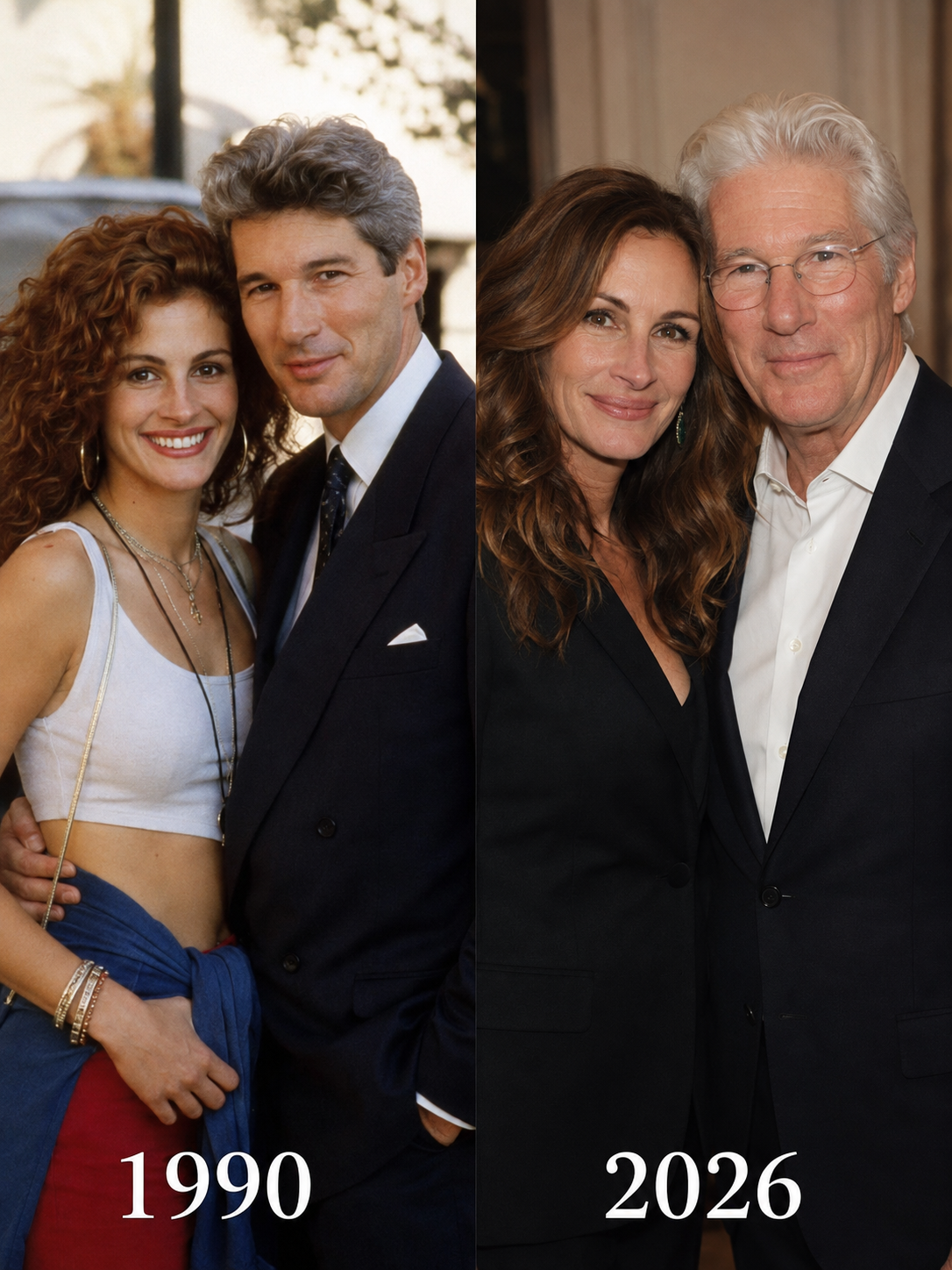
When Richard Gere and Julia Roberts appear together in Pretty Woman, it is difficult to imagine either half of the romance being played by anyone else.
Gere’s Edward Lewis is controlled, wealthy and emotionally guarded. Roberts’ Vivian Ward bursts into his carefully ordered world with laughter, curiosity and a refusal to behave the way the people around Edward expect.
Their chemistry became the center of the 1990 movie.
But before cameras started rolling, Gere did not see much of a character to play.
To him, Edward was too thin on the page — almost just a man wearing an expensive suit. Gere was not convinced there was enough there to make him want the role.
Director Garry Marshall had another idea.
Rather than keep arguing about the script, Marshall brought Julia Roberts to meet Gere and left the two actors alone together.
What happened during that meeting came down to one tiny piece of paper.
Gere Couldn’t See Enough of a Character in Edward
Gere was already an established movie star before Pretty Woman.
He had American Gigolo, An Officer and a Gentleman and other major films behind him, so he did not need to accept a romantic lead simply because it was offered.
The problem was Edward Lewis.
Gere later remembered looking at the part and feeling that Edward was essentially “the suit.” The character had money, expensive clothes and a powerful job, but Gere initially struggled to see what made him dramatically interesting.
He even joked years later that if all the movie needed was someone wearing a suit, almost anyone could do it.
Marshall believed the character could be developed.
But there was another major question to answer.
Could Gere and Roberts create the kind of connection the movie needed?
Roberts had already been cast as Vivian, and Marshall decided the easiest way to find out was simply to put the two actors together.
So he took Roberts to Gere’s place in New York.
Then he left.
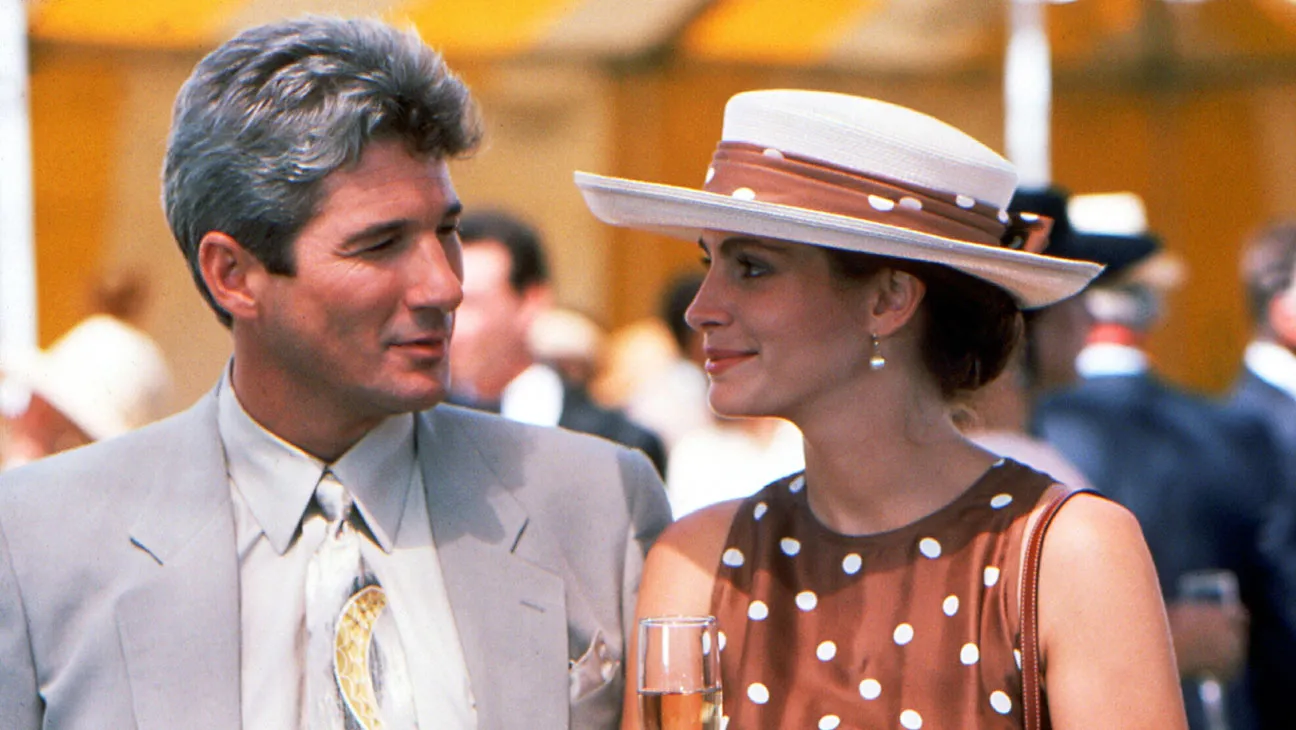
Garry Marshall Wanted to See What Happened When They Were Alone
The setup was remarkably simple.
Marshall introduced them and gave them space to talk.
There was no elaborate chemistry test in front of a room full of executives. Gere and Roberts were able to sit across from each other and get acquainted while Gere was still deciding whether he wanted to make the film at all.
Roberts was considerably earlier in her career.
She had already attracted attention and earned acclaim for Steel Magnolias, but Pretty Woman would soon lift her into an entirely different level of fame.
Gere, meanwhile, was the experienced star she hoped would become her leading man.
The two connected quickly.
Gere later described their first interaction as easy and flirtatious. Whatever reservations he had about Edward on the page, he clearly enjoyed the young actress sitting across the desk from him.
But he still had not officially agreed to make the movie.
Then the phone rang.
It was Garry Marshall.
Roberts Reached for a Post-it While Gere Was on the Phone
Marshall wanted to know how the meeting was going.
Gere began telling him that Roberts was great.
While he was speaking, Roberts noticed the Post-it notes sitting on Gere’s desk.
She took one.
She wrote something.
Then she turned the note around and pushed it across the desk toward him.
Gere looked down.
It said:
“Please say yes.”
That was it.
Three words.
Nearly 35 years later, Gere could still remember the tiny gesture that helped settle one of the biggest casting decisions of his career.
Faced with Roberts sitting across from him and personally asking him to join her, Gere essentially told Marshall that the decision had just been made.
He was saying yes.
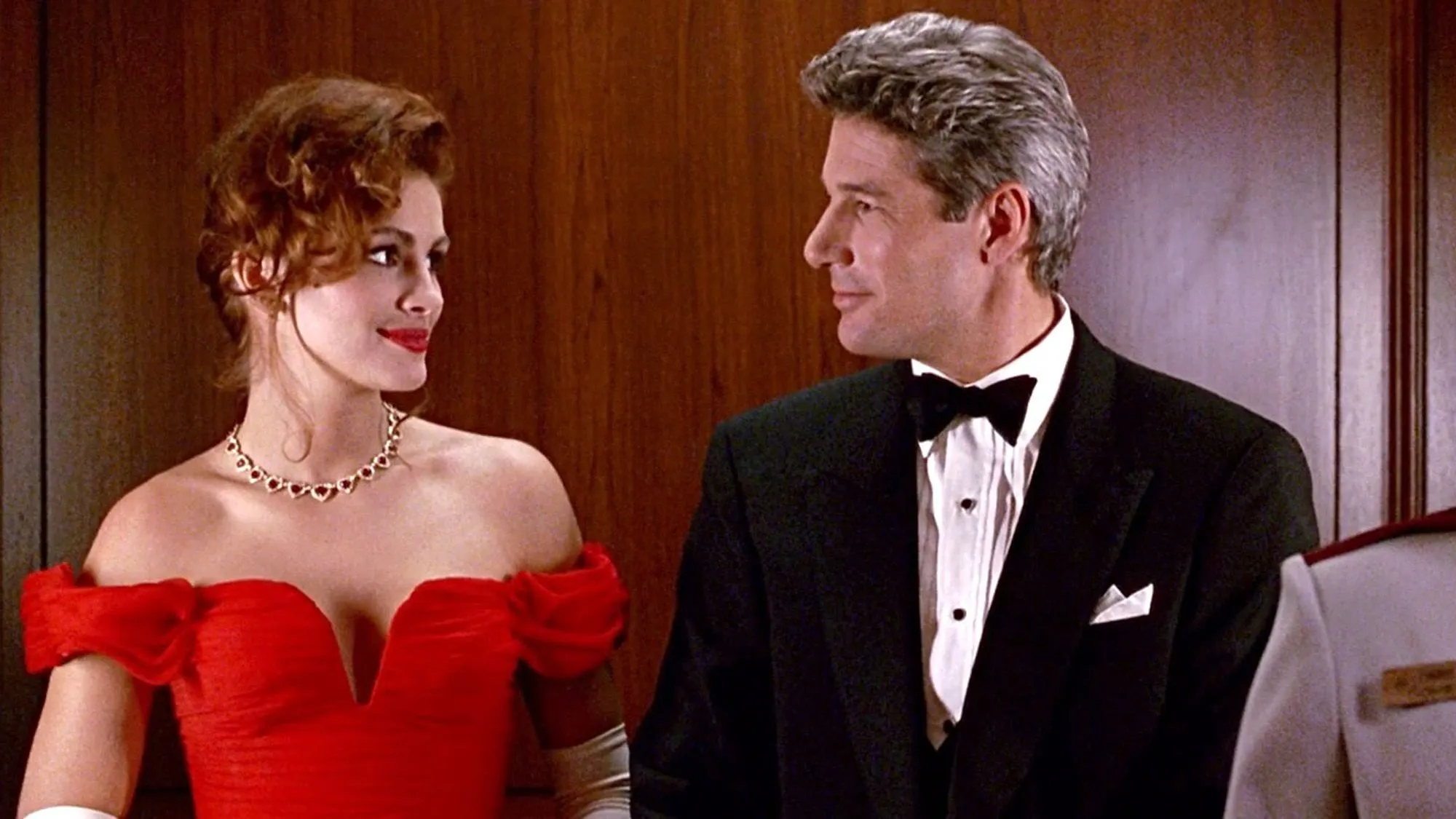
The Note Worked Because the Chemistry Was Already There
The Post-it makes a wonderful Hollywood anecdote, but it probably would not mean much if the meeting itself had been awkward.
It was not.
Gere later remembered that he and Roberts connected immediately.
That connection ultimately became more important than his initial worries about Edward.
On paper, Gere had thought he was being asked to play a man whose defining quality was his suit. Opposite Roberts, however, Edward suddenly had something to react to.
Vivian disrupts him.
She asks questions people in Edward’s world would never ask. She laughs at him. She surprises him. She pulls him into experiences that have nothing to do with business negotiations or money.
Edward’s gradual transformation only works if audiences believe Vivian can get through the emotional walls he has built.
Gere and Roberts found that dynamic together.
The movie consequently allowed Edward to become more than the character Gere initially saw on the page.
And Roberts became far more than simply the actress who had convinced him to take the job.
Pretty Woman Turned Their Pairing Into Movie History
When Pretty Woman opened in March 1990, the result was enormous.
Roberts’ performance transformed her into one of Hollywood’s defining stars of the decade and brought her an Academy Award nomination for Best Actress.
Vivian’s red evening gown, the Rodeo Drive shopping sequence, the opera trip and Edward arriving at the end of the movie became permanent pieces of romantic-comedy imagery.
At the center of nearly all of it was the chemistry Marshall had hoped to find when he left Roberts and Gere alone.
The pairing worked so well that Hollywood eventually brought the two stars back together.
Nine years after Pretty Woman, Roberts and Gere reunited with Marshall for Runaway Bride.
By then, nobody needed convincing that the two could carry a romantic comedy together.
That was a very different situation from the first meeting, when Gere was not even sure he wanted to play Edward Lewis.
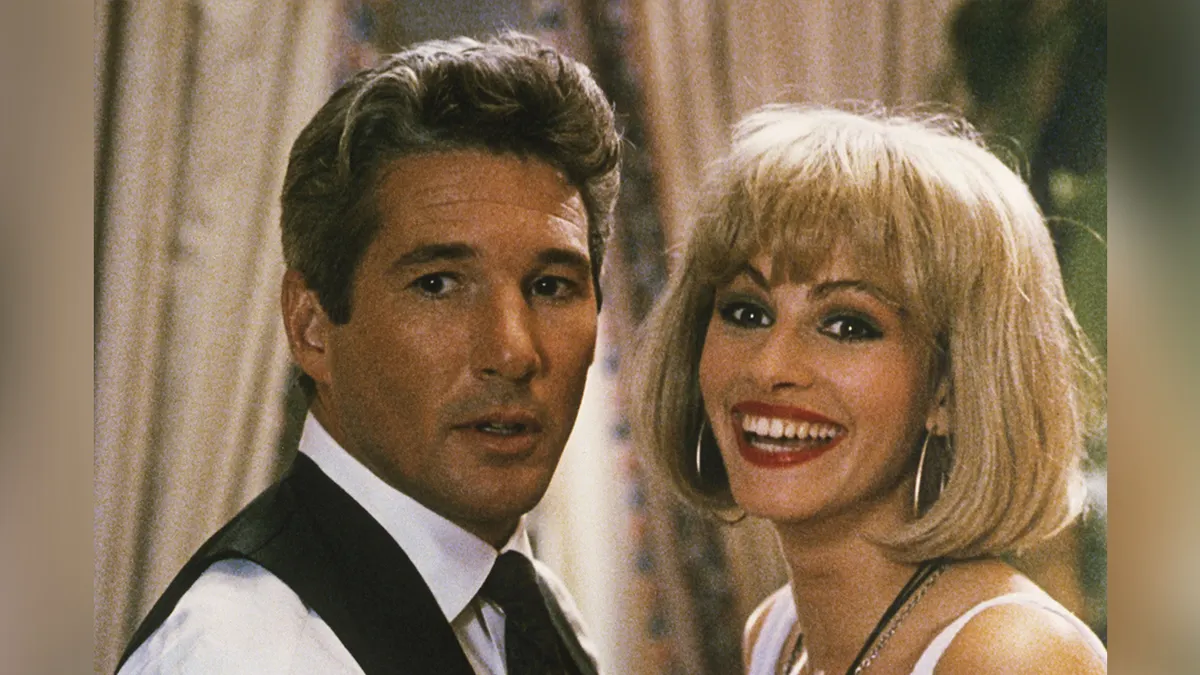
Gere Was Still Telling the Post-it Story Decades Later
The little note did not disappear from their shared history.
During a 25th-anniversary reunion for Pretty Woman in 2015, Gere and Roberts revisited the story together.
Gere again described Roberts sitting across his desk, taking the Post-it and pushing it toward him.
Years later, he told the story again while reflecting on their first meeting.
That repetition says something about why the memory has endured.
Movie casting stories often involve months of negotiations, studio politics, screen tests and complicated scheduling.
This one eventually came to be represented by something much simpler.
A young actress wanted a particular actor to play opposite her.
The actor was uncertain.
So she borrowed a piece of paper from his own desk and asked him directly.
And somehow the tiny gesture fits the movie they were about to make.
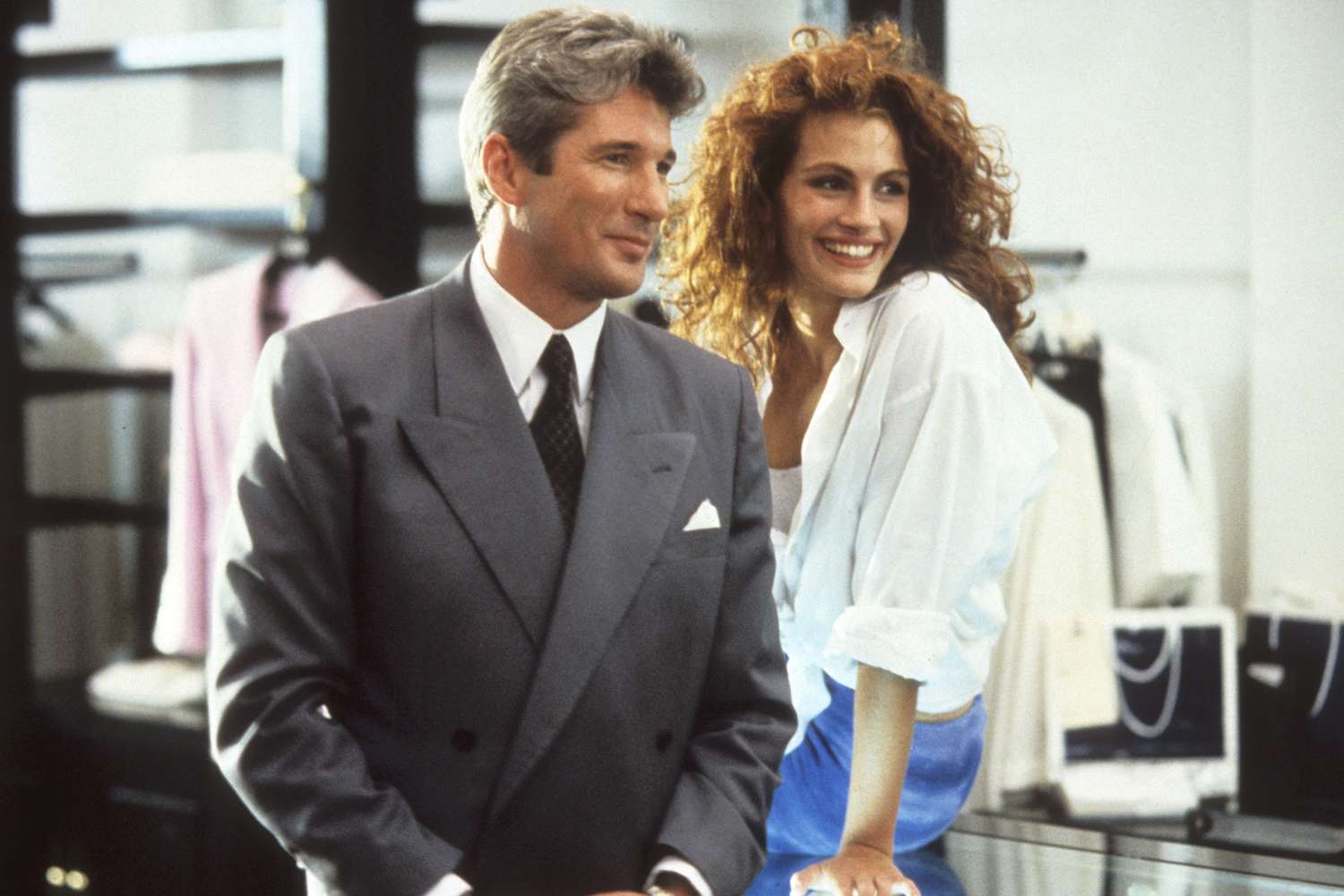
Three Words Helped Complete One of the Most Famous Screen Couples of the 1990s
It is impossible to know exactly what Pretty Woman would have become with another actor playing Edward Lewis.
What audiences do know is what happened after Gere said yes.
Roberts could play Vivian with enormous energy because Gere gave her a controlled presence to push against. Gere could find more dimension in Edward because Roberts made Vivian impossible for him — and for the audience — to ignore.
Their differences became the point.
More than three decades later, the grand images from Pretty Woman remain familiar: the Beverly Wilshire, the limousine, the opera, the red dress and Edward climbing the fire escape with flowers.
But one of the decisions that helped create all of those moments was surprisingly small.
Before Richard Gere agreed to become Edward Lewis, Julia Roberts slid a Post-it across his desk.
“Please say yes.”
He did.