The Studio Didn’t Want Will Smith in Independence Day — Roland Emmerich’s Threat Helped End the Fight
- NgoPhong
- September 1, 2026
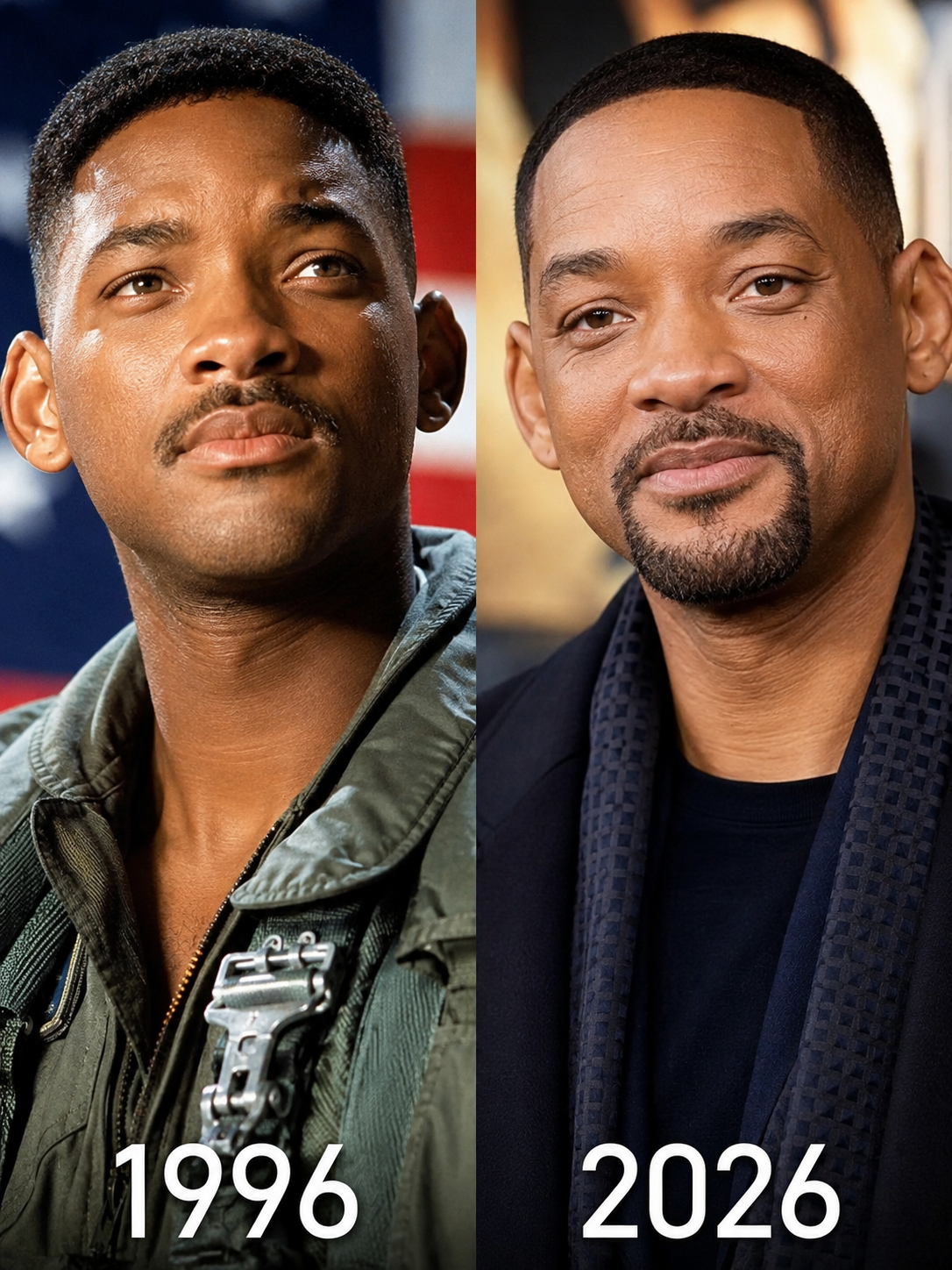
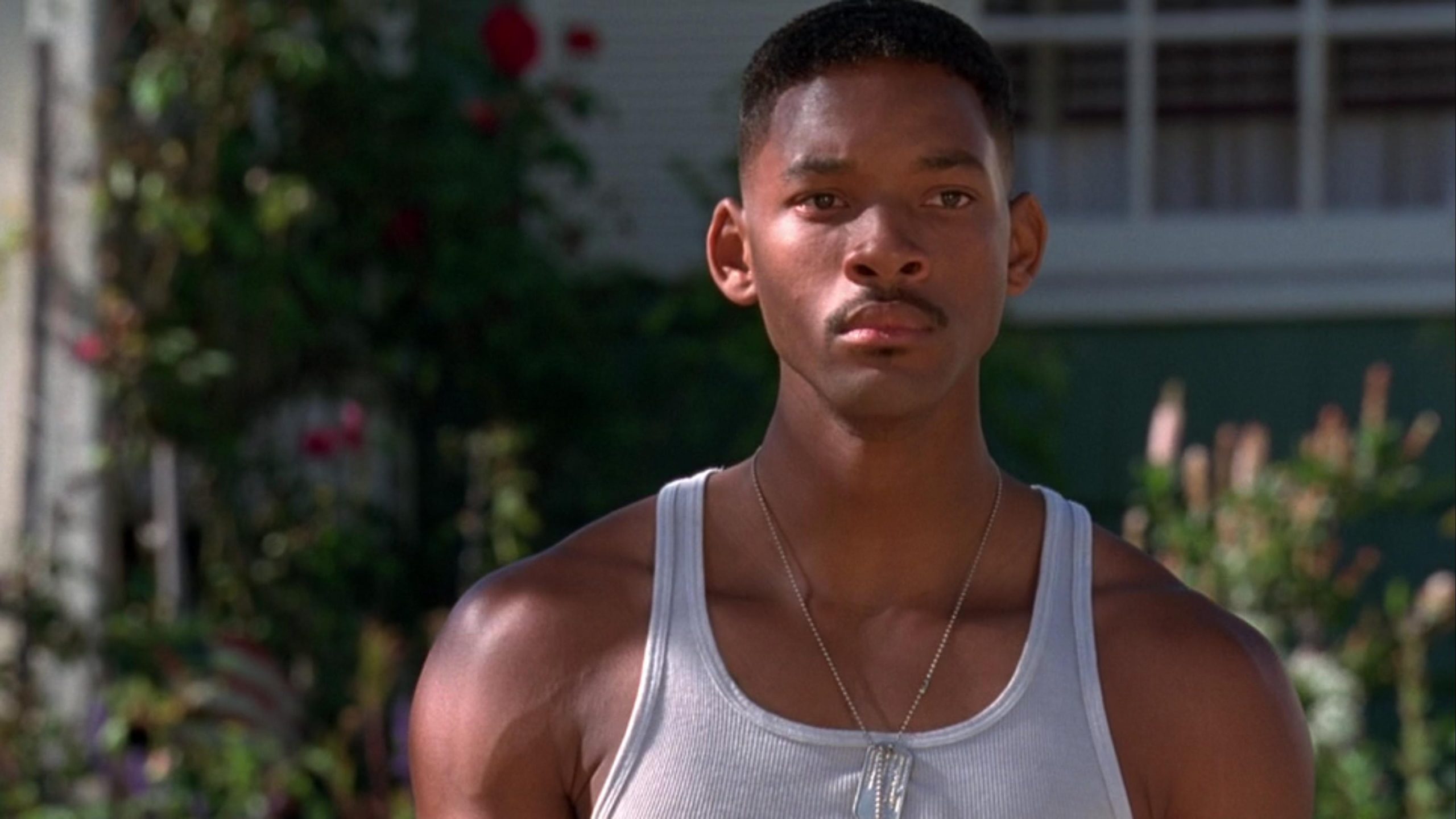
When people remember Independence Day, they usually remember Will Smith with a cigar, a flight suit, and a line reading sharp enough to cut through a full-scale alien invasion.
They remember Captain Steven Hiller dragging an alien across the desert. They remember the swagger, the humor, and the feeling that Smith somehow made a giant disaster movie feel lighter and more human at the exact moments it needed that energy. Alongside Jeff Goldblum’s anxious brilliance and Bill Pullman’s steady presidential calm, Smith became one of the essential faces of the 1996 blockbuster.
That now feels obvious.
But before Independence Day reached theaters, Smith’s casting became the center of a serious fight. Director Roland Emmerich and producer-writer Dean Devlin believed early that Smith and Goldblum were the right combination for the movie’s center. The studio did not share that confidence.
Fox worried Smith was still too unproven as a movie star, especially overseas.
The disagreement became big enough that Emmerich finally reached for a threat designed to force the conversation to change.
Smith Was Not Yet the Global Movie Force He Would Soon Become
By the mid-1990s, Smith was already famous.
He had broken through on The Fresh Prince of Bel-Air, and his music career had made him widely recognizable. He had charm, comic timing and the kind of screen presence that made people pay attention quickly.
But television fame and music fame were not the same thing as carrying a giant international summer movie.
That was the issue as Fox looked at Independence Day.
This was not a modest character drama or a mid-budget action film. It was a huge effects-driven spectacle built around alien attacks, city destruction and a cast that had to sell both the danger and the fun. From the studio’s perspective, the lead choices mattered enormously, especially if the movie was expected to travel worldwide.
Emmerich and Devlin, though, had their own vision.
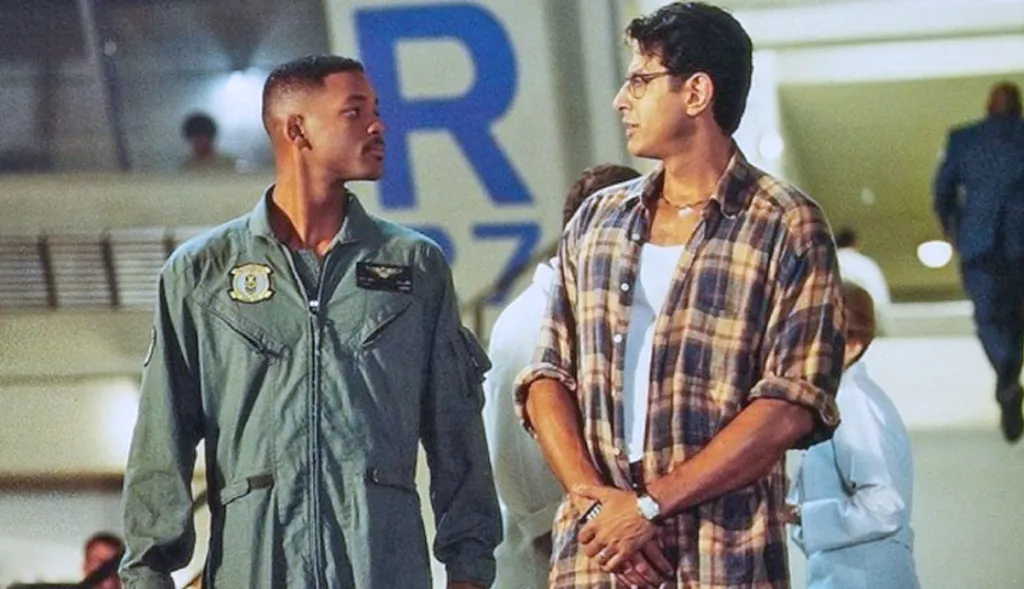
They felt the chemistry at the center of the movie depended on the mix of Smith and Goldblum. One brought momentum, humor and fighter-pilot confidence. The other brought intelligence, nervous energy and a totally different rhythm. Put together, they gave the movie two contrasting forms of heroism.
Fox was not convinced.
The Studio Worried About His Foreign Box Office Appeal
The resistance to Smith was not vague.
According to Emmerich and Devlin, studio executives argued that Smith was unproven and questioned whether he would work in international markets. The concern was blunt enough that it revealed how narrow the thinking could be at the time.
From the filmmakers’ point of view, the argument made little sense.
This was a movie about enormous alien ships hovering over the planet and blowing up major landmarks. The concept itself was huge enough to play anywhere. Emmerich and Devlin believed audiences would respond to the spectacle — and that Smith had exactly the charisma needed to help carry it.
Still, the dispute continued.
Devlin later described it as a war.
And at a certain point, Emmerich decided ordinary back-and-forth was not going to settle it.
Emmerich Threatened to Take the Movie to Universal
The answer to the one-click question is simple: Roland Emmerich threatened to move Independence Day to Universal if Fox would not approve Will Smith.
He later recalled telling the studio, in essence, that Universal was calling every day and that if Fox did not give him the actors he wanted — especially Smith, and in his memory also Goldblum — he would take the project over there instead.
That was the threat.
It was direct, strategic and apparently effective.
Emmerich later admitted he was not even sure such a move would truly have been possible at that late stage. But he also knew something important: a threat does not always need to be fully realistic to do its job. It only needs to make the other side imagine losing the project.
That seems to be what happened here.
Fox reconsidered.
And Smith got the part.
Why the Filmmakers Fought So Hard for Him
What makes the story interesting is not just that Smith won the role. It is that Emmerich and Devlin fought for him before Independence Day proved them right.
It is easy to defend a casting choice after the movie becomes a phenomenon. It is harder when the person has not yet become the giant movie star history will later make him.
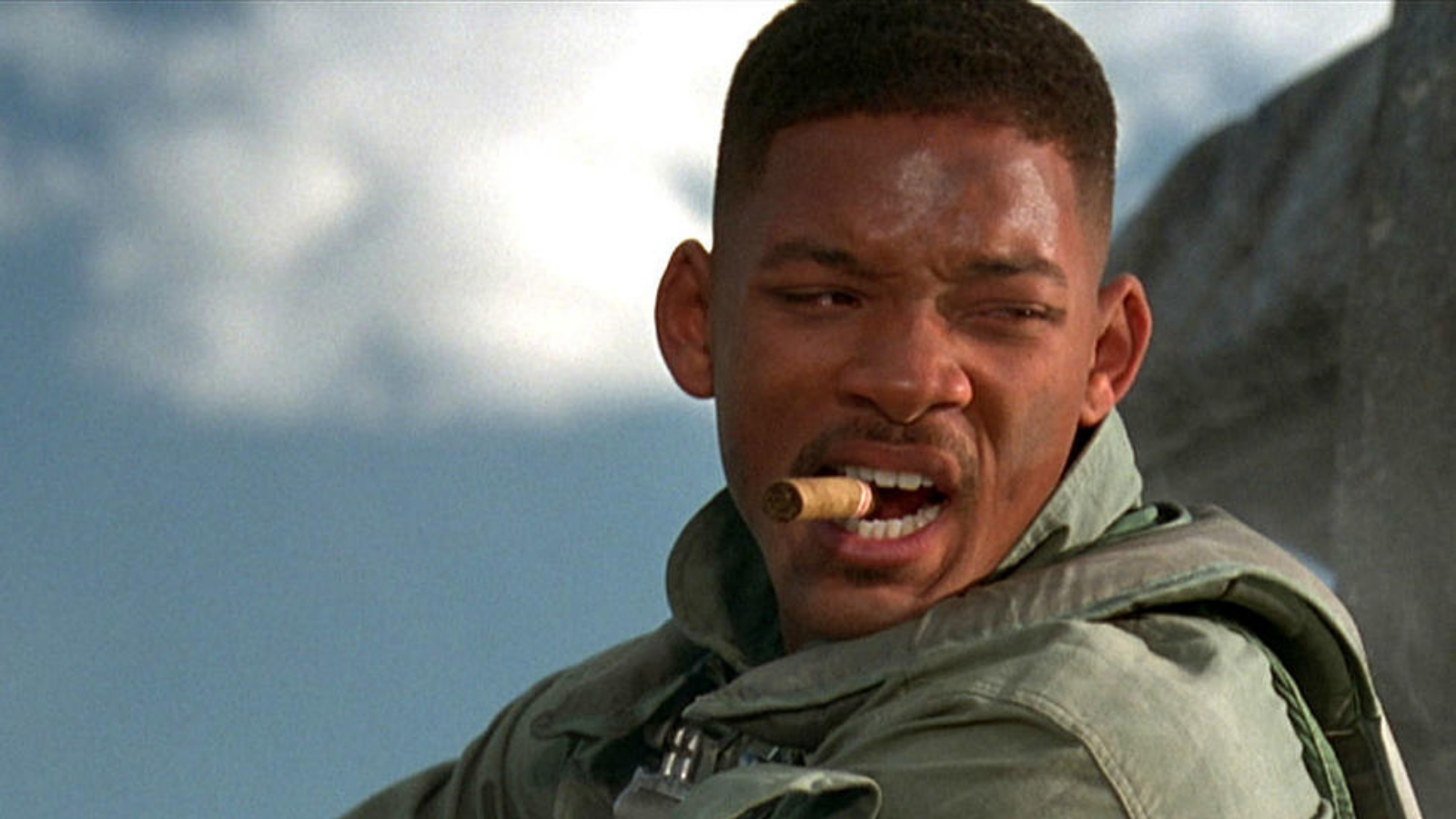
But the filmmakers saw something in Smith that fit Captain Steven Hiller perfectly.
Hiller had to feel funny without becoming a joke. He had to be likable, cocky, quick-thinking and credible in an action setting. The movie also needed a modern energy that could keep all the destruction from turning heavy or impersonal.
Smith brought exactly that.
He gave Independence Day attitude.
He made Hiller memorable not simply because the character flies jets and fights aliens, but because he reacts like a human being with personality. He teases. He snaps back. He keeps the movie moving.
Without that quality, Independence Day could still have been loud and impressive.
It might not have been nearly as fun.
The Casting Decision Changed Smith’s Career
Once the movie opened in the summer of 1996, the argument was effectively over.
Independence Day became a worldwide blockbuster and turned Smith into a major movie star. The combination Emmerich and Devlin had fought for suddenly looked obvious in hindsight.
That success also helped establish the version of Smith that would dominate the late 1990s and early 2000s. Within a short span, he moved from television star and recording artist into one of Hollywood’s most reliable big-screen draws.
Men in Black followed the next year, reinforcing what Independence Day had already begun. Smith could headline expensive, effects-driven crowd-pleasers and still make them feel personality-driven.
That is why the earlier studio hesitation now feels so revealing.
The industry often struggles to recognize star power before the box office makes it undeniable.
In Smith’s case, two filmmakers saw it first and had to push hard until the studio stopped resisting.
The Movie’s Legacy Makes the Original Doubt Even Stranger
Thirty years later, Independence Day remains one of those films people can summarize in a handful of images: the White House explosion, Goldblum’s plan, Pullman’s speech, and Smith punching back at an alien threat with a grin.
Captain Steven Hiller is inseparable from that identity.
He is not a side element of the film’s success. He is one of the main reasons audiences still remember it the way they do.
That makes the behind-the-scenes fight even better as a movie story. Before Will Smith became one of the biggest stars in the world, a major studio looked at Independence Day and saw risk. Roland Emmerich looked at the same project and saw the actor he wanted.
So he raised the stakes.
He told Fox that if they would not give him Will Smith, he would take the movie to Universal.
Whether the move could really have happened almost does not matter now.
The threat worked.
And once Smith climbed into that flight suit, Independence Day started looking a lot more like the movie audiences still remember.