Elvis Presley Almost Recorded “I Will Always Love You” — Dolly Parton Cried All Night After Saying No
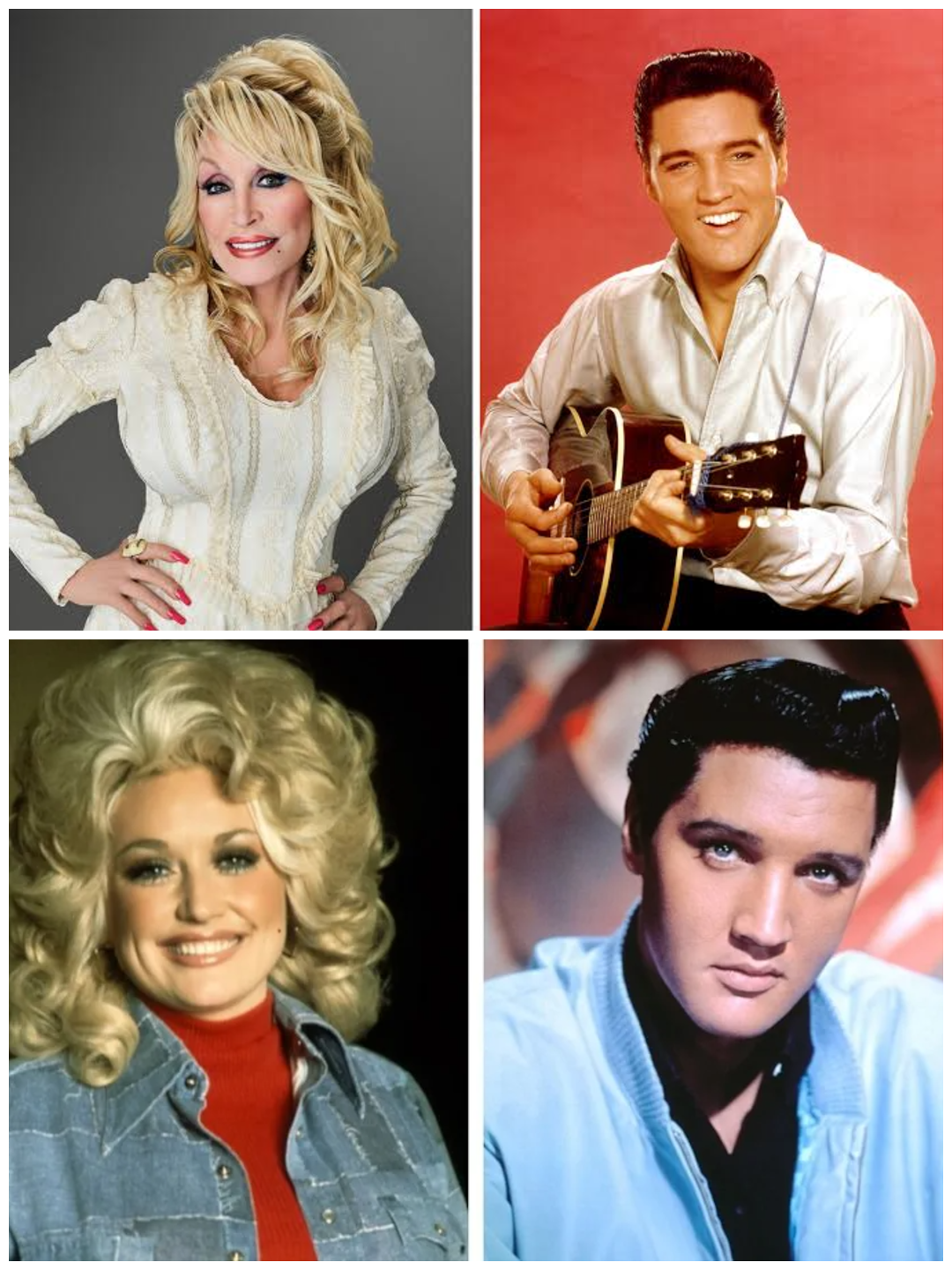
For Dolly Parton, hearing that Elvis Presley wanted to record one of her songs should have been a dream come true.
This was Elvis.
The King of Rock and Roll.
One of the most famous voices in the world wanted to sing “I Will Always Love You,” the deeply personal song Dolly had written as a farewell to Porter Wagoner.
Dolly was thrilled.
She could already imagine what Elvis might do with it. Years later, she would still talk about how badly she had wanted to hear his version.
Everything appeared ready to happen.
Then, just before the recording session, Elvis Presley’s manager, Colonel Tom Parker, presented Dolly with a condition.
It was not about changing the lyrics.
It was not about changing the arrangement.
It was about ownership.
And Dolly suddenly faced an extraordinary choice: allow Elvis Presley to record one of the most important songs she had ever written, or protect something she believed she could never afford to surrender.
She chose the song.
Then she went home and cried.
“I Will Always Love You” Had Been Personal From the Beginning
Before Whitney Houston turned “I Will Always Love You” into one of the biggest pop ballads in history, it belonged to a very different moment in Dolly Parton’s life.
Dolly wrote the song while preparing to leave Porter Wagoner’s television show and professional partnership.
Wagoner had played a major role in her early career. Their collaboration helped introduce Dolly to a much larger country audience, but as her ambitions grew, she increasingly wanted to build a career on her own.
Leaving was emotionally complicated.
Rather than trying to explain everything through an argument or a long conversation, Dolly put her feelings into a song.
“I Will Always Love You” was not originally conceived as a romantic breakup anthem.
It was a goodbye.
The message was simple: I am leaving, but that does not erase my gratitude or affection for you.
Dolly’s original recording became a major country success.
Then Elvis Presley entered the story.
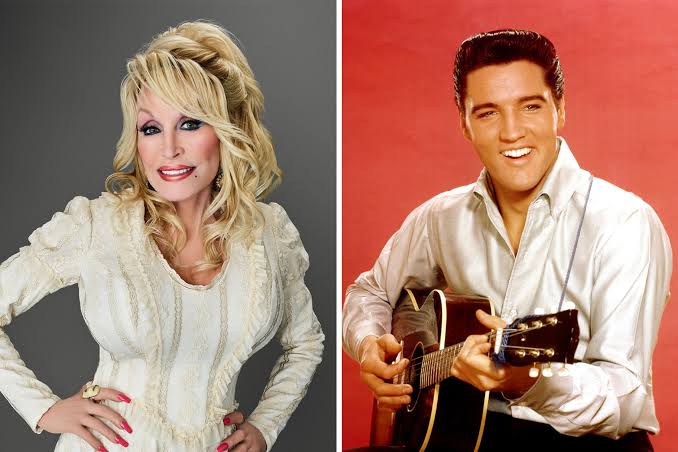
Elvis Wanted to Record It
For a songwriter, an Elvis Presley recording could be transformative.
Elvis had an enormous audience, and his interpretation of a song could give it a life far beyond its original release.
Dolly was understandably ecstatic when she learned that Elvis wanted to record “I Will Always Love You.”
This was not an artist she casually admired.
She understood exactly what his name meant.
She was excited enough that she expected to attend the recording session.
But the night before Elvis was supposed to record the song, Dolly received a call.
Colonel Tom Parker had a business requirement.
Elvis generally did not record songs, Parker explained, unless the publishing arrangement gave his side a significant share of the rights.
In this case, Dolly was asked to give up half of the publishing rights to “I Will Always Love You.”
That changed everything.
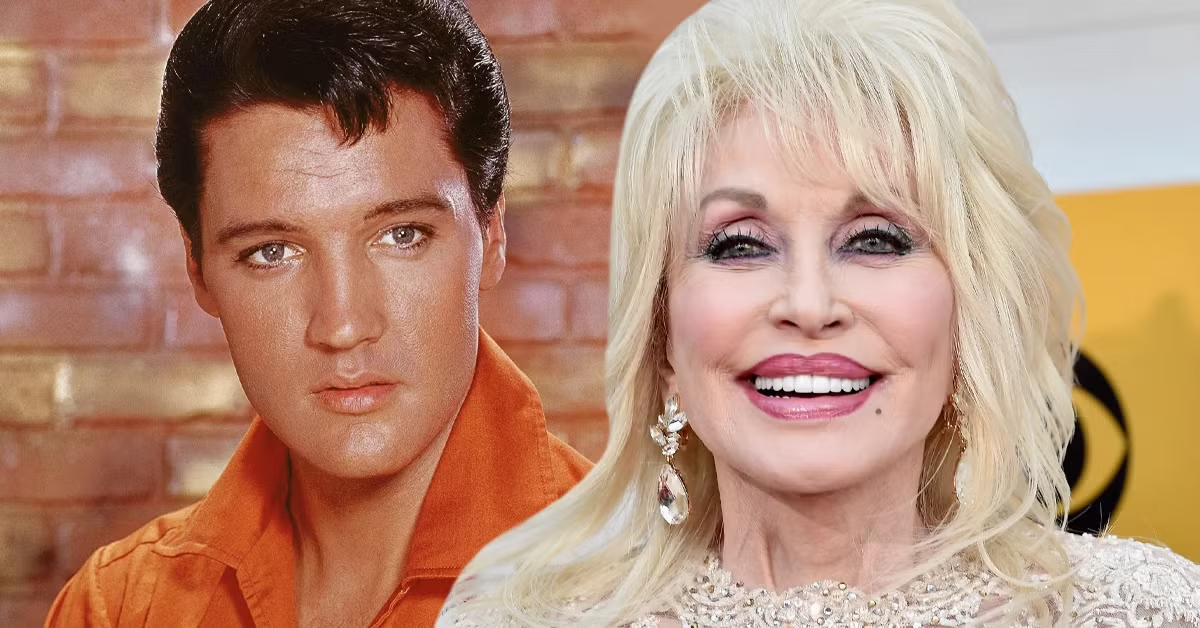
Dolly Had to Choose Between Elvis and Ownership
To someone outside the music business, giving away part of a song might not sound as dramatic as turning down Elvis Presley.
For a songwriter, however, publishing rights can be extraordinarily valuable.
They represent long-term ownership and income.
Every future recording, commercial use or major revival of a composition can increase the value of those rights.
And Dolly understood something important very early in her career: songs were not simply performances.
They were assets.
She had grown up with very little money. She knew what it meant to own something that could continue supporting her and her family long after a record disappeared from the charts.
Giving away half of “I Will Always Love You” meant permanently giving away half of something she had created.
Dolly refused.
It was a financially disciplined decision.
Emotionally, it devastated her.
She later recalled crying all night.
She desperately wanted Elvis to record the song.
She loved the idea of hearing his voice on it.
But she could not agree to surrender half of her publishing simply to make that dream happen.
So the Elvis version disappeared before it was ever recorded.
Imagine What That Decision Felt Like in the Moment
Today, Dolly’s choice looks almost prophetic.
At the time, there was no way she could have known exactly what would happen to the song decades later.
There was no Whitney Houston version yet.
There was no The Bodyguard.
There was no gigantic worldwide pop phenomenon.
There was only a songwriter being told that one of the most famous entertainers alive wanted her song — provided she was willing to give up a huge part of it.
It would have been incredibly easy to say yes.
The prestige alone was tempting.
“Elvis Presley recorded my song” would have been a remarkable career milestone.
And there was always the possibility that his recording would introduce Dolly’s songwriting to millions of new listeners.
But Dolly looked beyond the excitement of the moment.
The song was hers.
She kept it.
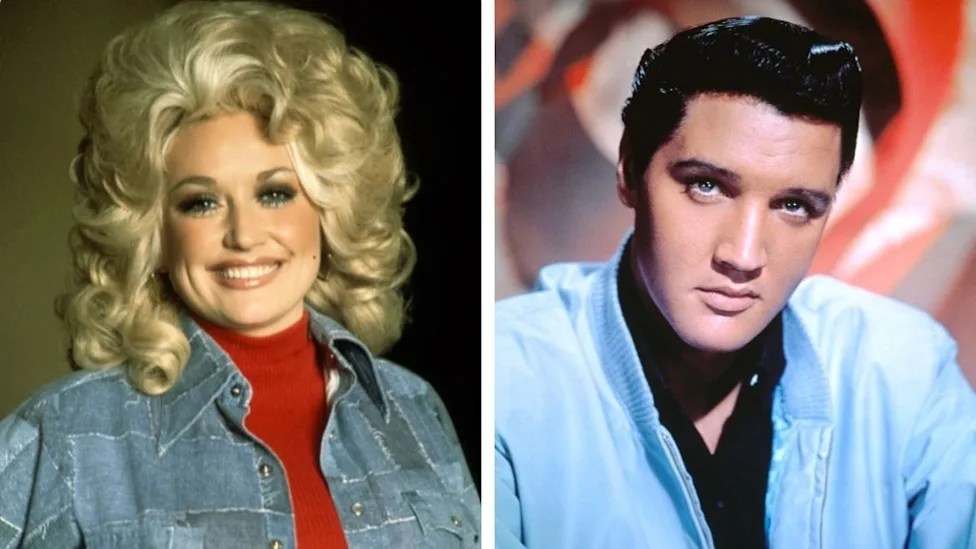
Then Whitney Houston Changed Everything
Nearly two decades later, “I Will Always Love You” returned in a way nobody could have predicted.
Whitney Houston recorded the song for the 1992 film The Bodyguard.
Her version began almost completely unaccompanied, with Houston’s voice exposed before the arrangement gradually expanded into one of the most dramatic vocal performances of her career.
It became enormous.
The recording dominated charts around the world and introduced Dolly’s composition to an entirely new generation.
Millions of listeners knew the Whitney Houston version without initially realizing that the song had begun as a country ballad written by Dolly Parton.
The song Dolly had refused to surrender years earlier was now one of the most recognizable pieces of music on the planet.
And Dolly still owned her publishing interest.
Suddenly, the painful decision involving Elvis looked very different.
Dolly Never Treated Elvis as the Villain
One important detail in Dolly’s telling of the story is that she did not frame the episode as a personal feud with Elvis.
Her issue was with the business condition.
She remained an Elvis admirer.
In fact, the sadness she described after turning down the deal makes that clear.
She did not walk away because she thought Elvis was wrong for the song.
Quite the opposite.
She believed he could have done something wonderful with it.
The problem was what she would have needed to sacrifice in return.
That distinction is part of what makes the story so powerful.
Dolly was not choosing between a good singer and a bad singer.
She was choosing between an emotional dream and long-term ownership of her work.
She chose ownership.
One “No” Changed Her Career
Dolly Parton became famous for an image that could seem playful and carefree.
Behind the rhinestones, wigs and jokes, however, was an unusually sharp business mind.
The Elvis story may be one of the clearest examples.
She was willing to disappoint herself in the short term to protect something that could matter for decades.
That is much harder than making the correct decision when the consequences are obvious.
In that moment, nobody could promise her that “I Will Always Love You” would someday become an international phenomenon again.
She simply believed her songwriting was worth protecting.
Years later, Whitney Houston proved just how valuable that belief had been.
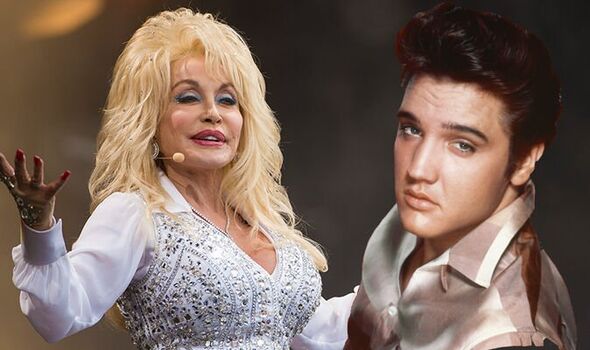
The Elvis Version Remains One of Music’s Great “What Ifs”
There is still an irresistible question hanging over the story.
What would Elvis Presley’s “I Will Always Love You” have sounded like?
Would he have approached it as a country song?
A gospel-influenced ballad?
Would it have become one of his signature recordings?
No one knows.
The version fans imagine never happened.
But the reason it never happened reveals something more important about Dolly than the hypothetical recording itself.
She wanted Elvis.
She wanted the moment.
She wanted to hear the King sing her words badly enough that losing the opportunity made her cry all night.
But when the price became half of her publishing rights, Dolly Parton said no.
Years later, Whitney Houston took the same song to heights almost nobody could have imagined.
And the rights Dolly refused to surrender were still hers.
Sometimes the most important decision in a career is not the opportunity someone accepts.
It is the opportunity they are willing to walk away from.