Whitney Houston Couldn’t Make The Bodyguard Yet — Kevin Costner Refused to Replace Her
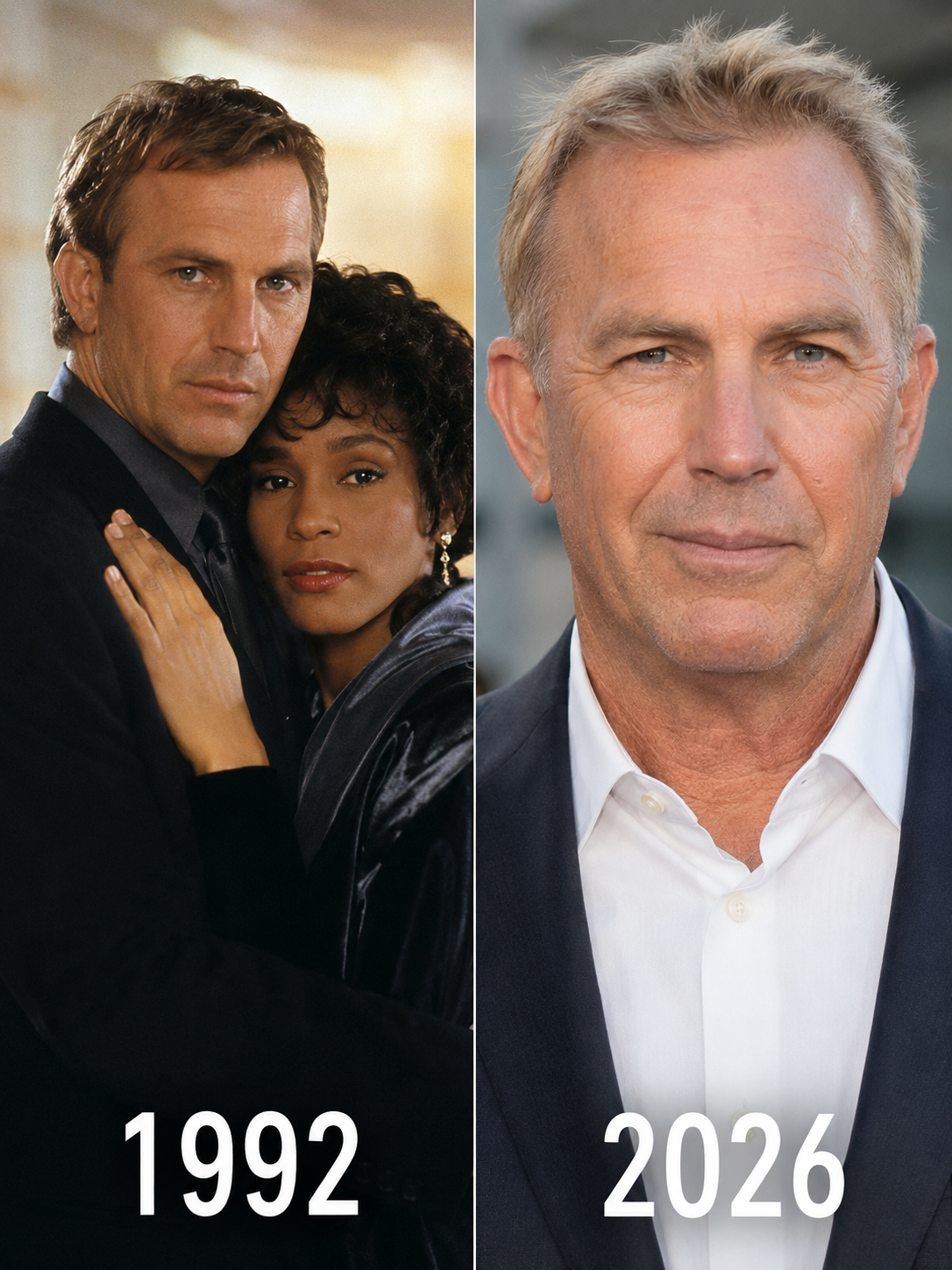
When Whitney Houston walks into The Bodyguard as Rachel Marron, the movie never treats her like someone trying to prove she belongs on a film set.
She already looks like a star.
Rachel is glamorous, guarded and surrounded by people whose jobs depend on protecting her career. Kevin Costner’s Frank Farmer enters that world as the opposite: quiet, disciplined and suspicious of nearly everything around her.
Released in 1992, The Bodyguard turned that contrast into one of the most recognizable screen romances of the decade. Houston’s recording of “I Will Always Love You” became inseparable from the film, while images of Costner carrying her from danger became part of its identity.
But before any of that happened, Houston was an enormous music star with little experience carrying a major movie.
That made casting her a risk.
Kevin Costner knew it.
And when Houston could not immediately make the film, he chose a solution that only increased the risk.
He wanted the production to wait for her.
Costner Saw Rachel Marron in Houston Before Hollywood Had Proof
By the time The Bodyguard was moving toward production, Houston did not need anyone to explain her musical appeal.
She was already one of the biggest singers in the world.
Acting was another question.
A studio movie depended on more than whether audiences wanted to hear Houston sing. Rachel Marron had to carry dramatic scenes, romantic scenes and moments of fear while sharing the screen with Costner, who was already firmly established as a major movie star.
Costner later acknowledged how much uncertainty surrounded that choice.
There was a lot riding on someone who had not yet demonstrated that she could handle a leading film role.
That could have made the safer decision obvious: cast an experienced actress.
Costner saw it differently.
He believed Houston had something Rachel needed that could not simply be taught.
Houston’s Music Career Created a Major Scheduling Problem
Believing in Houston did not make getting her into the movie easy.
She had a recording and touring career operating on a scale very different from the normal availability of an actress waiting for her next film.
Her schedule meant The Bodyguard could not simply move ahead on the original timetable with Houston in place.
That created a practical choice.
The filmmakers could wait.
Or they could move on.
For a studio, replacing her would have had obvious advantages. Another actress could potentially start sooner, reducing uncertainty and getting an expensive production moving.
There was also the question of whether Houston herself was ready to make the leap.
Contemporary accounts from the period describe a project that remained on hold while she considered the role, revisions continued and the eventual screen pairing was tested.
The delay stretched to roughly a year.
Costner still did not want another Rachel.
He Was Willing to Hold the Movie Because He Believed Houston Was the Role
That is the answer to the central question.
Kevin Costner was willing to let The Bodyguard wait because he believed Whitney Houston was uniquely right for Rachel Marron.
The delay was not simply about accommodating a famous singer.
It was about protecting the casting choice he thought the entire movie needed.
Costner had enough confidence in Houston that he preferred losing time over gaining another actress.
That was a major vote of confidence considering the circumstances.
Houston had never carried a movie like this.
The production was being asked to wait.
And there was no finished performance Costner could point to as proof that his instinct would work.
He was betting on what he believed she could do.
The Risk Extended Beyond Acting
Rachel Marron was an unusual role because the actress playing her had to convince audiences of two things at once.
She had to feel like an international music superstar.
And she had to reveal the private person underneath that image.
Houston obviously brought the first part naturally.
Audiences did not need to pretend that Rachel could command an arena. Houston already knew what that kind of fame looked and felt like.
That authenticity gave the film something an experienced actress might have needed to imitate.
Rachel’s world of handlers, crowds, performances and public expectations did not have to be entirely invented for Houston.
But the second part — making Rachel emotionally believable — still had to work.
That was where the gamble remained.
Costner was effectively betting that Houston’s presence and instincts would translate into acting once the cameras rolled.
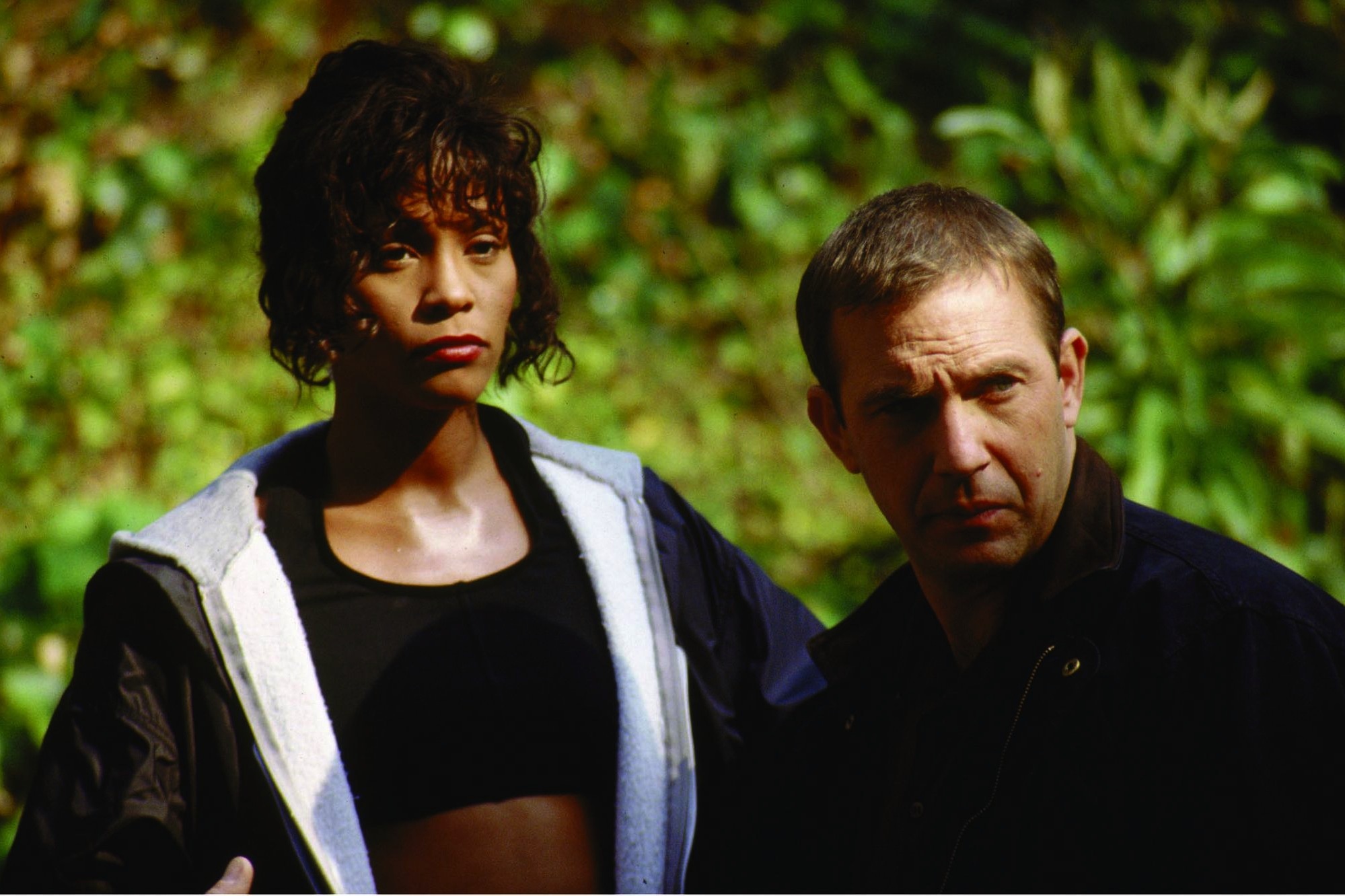
Their Differences Became the Movie’s Chemistry
Once production finally happened, the contrast between the two stars became one of the movie’s strongest qualities.
Frank Farmer does not behave like someone impressed by celebrity.
That is exactly what irritates Rachel at first.
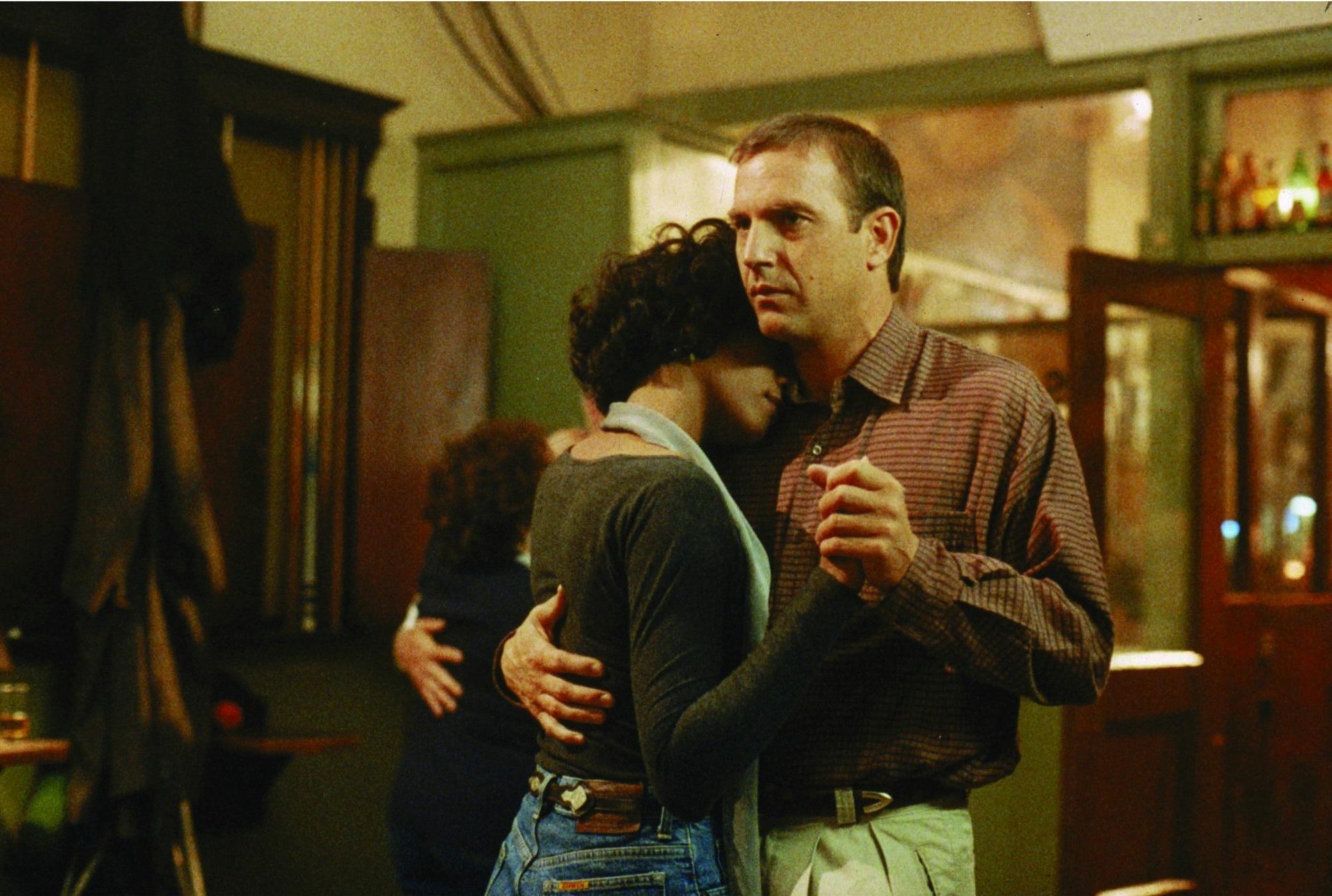
She is accustomed to people responding to her status. Frank is focused on risk, security and control. He changes routines she likes, questions decisions she takes for granted and refuses to behave like another member of her entourage.
That friction gradually turns into intimacy.
Houston did not need to compete with Costner’s restrained style by becoming equally quiet. Rachel could be expressive, proud and emotionally open in completely different ways.
The casting worked because they did not feel similar.
They felt like two people from incompatible worlds slowly discovering why they needed each other.
Costner Also Protected Houston Once Filming Began
Costner’s faith in Houston did not end when she finally accepted the role.
He continued to support her through a process that was still new to her.
Houston was entering a major production alongside experienced filmmakers and actors, and the expectations were enormous. She was not simply appearing in a movie as herself or performing a song.
She had to build a character.
Costner later spoke about trusting her instincts and understanding that she did not need to imitate another actress to succeed.
That approach mattered.
Rachel works best when the movie allows Houston’s natural presence to remain visible instead of trying to hide the fact that the performer already knew something about the pressures of fame.
The film turned what could have been considered a casting weakness — Houston being more singer than actress — into part of its credibility.
Then the Soundtrack Changed Everything
Any doubts about whether waiting had been worthwhile looked very different after The Bodyguard reached audiences.
The movie became a major commercial success.
Its soundtrack became a phenomenon.
And Houston’s version of “I Will Always Love You” grew into one of the defining recordings of her career.
The song had existed long before the movie, written and originally recorded by Dolly Parton. But Houston’s performance became permanently linked to Rachel and Frank’s relationship.
That connection gave The Bodyguard an afterlife far beyond the film itself.
Even people who have not revisited every scene in years can recognize the opening notes and immediately return to the movie.
The project Costner had been willing to delay for an untested film actress ultimately gave Houston one of her most enduring cultural moments.
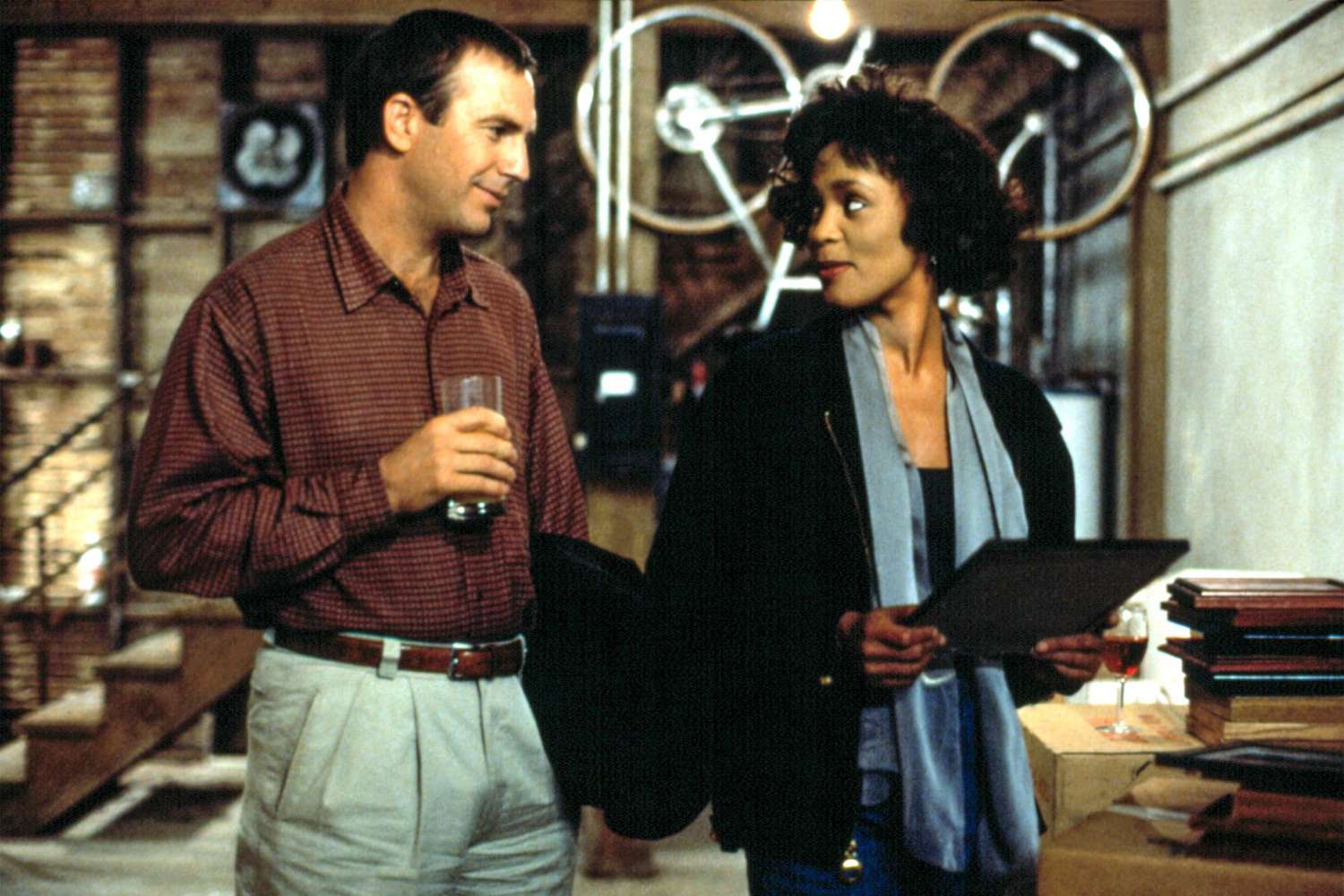
Waiting Became Part of What Made the Film Possible
It is easy to look backward at The Bodyguard and assume Whitney Houston must always have been the obvious choice.
History makes successful casting feel inevitable.
At the time, it was not.
Houston was stepping into a new medium. The schedule was difficult. The studio had reasons to worry. Replacing her would have been faster and, on paper, safer.
Costner chose not to take the safer path.
He believed the movie needed the woman audiences eventually saw as Rachel Marron badly enough that he was willing to lose months waiting for her.
Thirty years later, the decision is written all over The Bodyguard.
The movie could have started sooner with someone else.
Instead, Kevin Costner waited for Whitney Houston — and the film audiences remember exists because he did.