A Year Before Her Passing, Carla Jeffery Opened Up About What Disney Audiences Never Saw Behind the Scenes
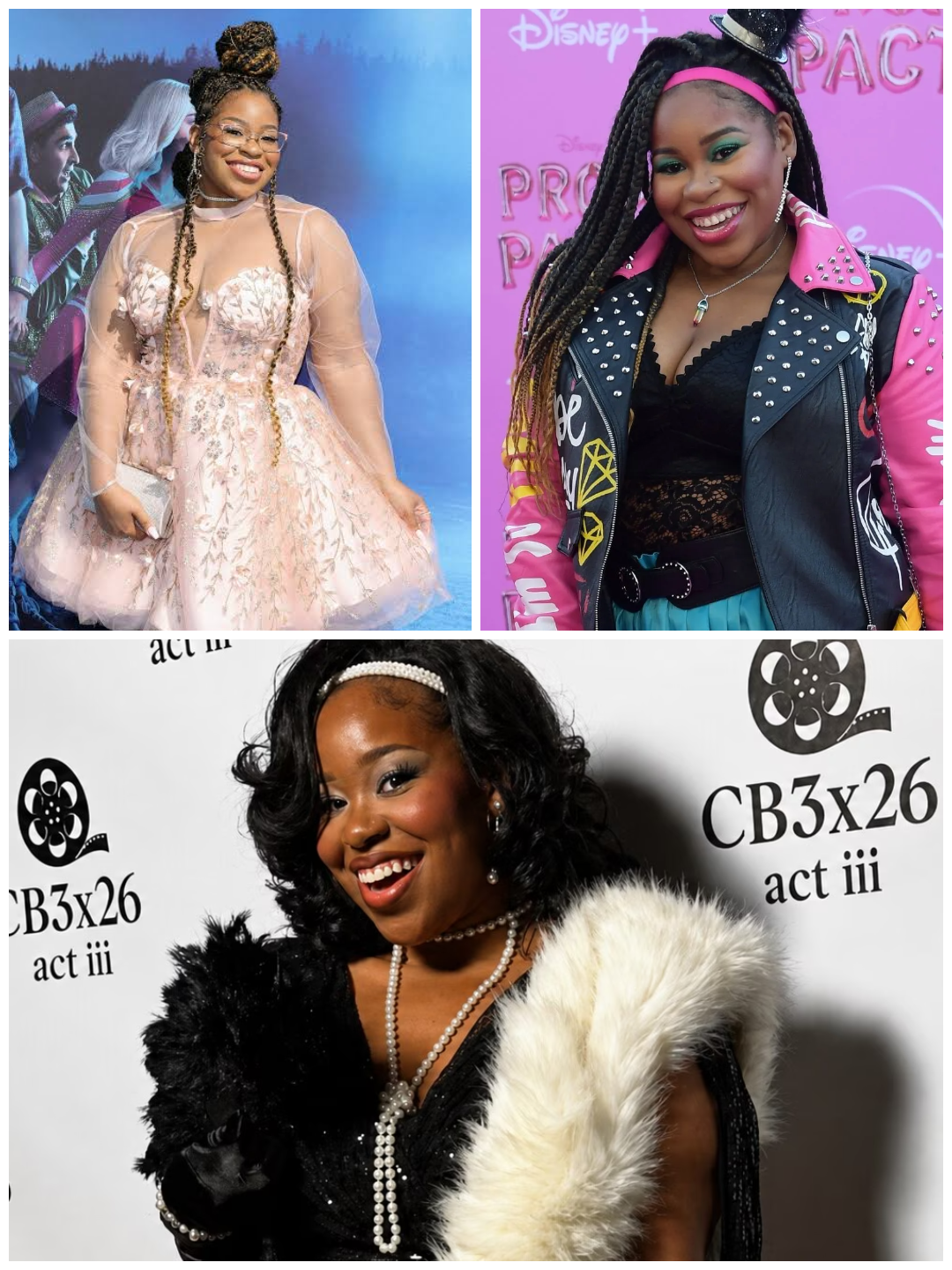
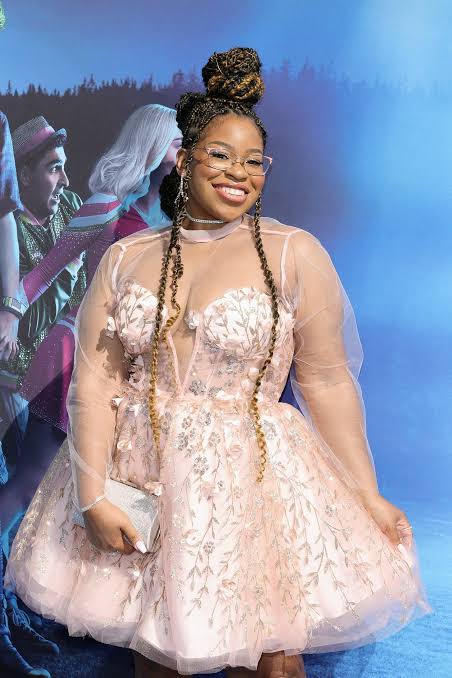
For millions of Disney viewers, Carla Jeffery was Bree.
She was the cheerful, confident friend from the Zombies franchise, part of a colorful world built around music, friendship and the idea that people who are different can learn to belong together.
But in one unusually candid conversation in 2025, Jeffery talked about a very different kind of belonging.
On Aug. 4, 2025, she appeared on The Tokens Podcast with Giovonnie Samuels.
She was not there to promote another Zombies movie.
She was not teasing a reunion or talking primarily about favorite scenes from the franchise.
Instead, Jeffery spoke openly about experiences that audiences watching Disney productions would rarely have been able to see: what it felt like to be “the Black girl” on a set, to sometimes feel like “the only one,” and to carry pressures that came with race, representation and having a body type that did not always fit Hollywood’s conventional expectations.
A little more than a year later, after news of Jeffery’s passing at 33, the conversation carries a different weight.
It now stands as one of the clearest records of Jeffery explaining, in her own voice, what her career sometimes looked like from the other side of the camera.
The Podcast Was Designed for Conversations Like Carla’s
The Tokens Podcast was created around a subject that Hollywood has wrestled with for decades.
What happens when an actor walks onto a set and realizes they are the only person who looks like them?
Host Giovonnie Samuels had her own history as a young Black performer in television and film, and the series was built around conversations with entertainers who had experienced some version of being “the token” — the person expected to represent an entire group inside a space where few others shared their identity.
That made Jeffery an especially revealing guest.
By 2025, she had spent much of her life working professionally.
Audiences knew the finished product.
They saw the costumes, choreography, jokes and friendships.
Jeffery could speak about everything surrounding those moments.
And she did.
Being “The Black Girl” Was More Complicated Than Simply Having a Role
Representation is often discussed in terms of numbers.
Was a Black actress cast?
Was she visible?
Was she included in the group?
Those questions matter, but Jeffery’s conversation highlighted why being present does not automatically remove pressure.
Sometimes being the only person from a particular background can actually create another burden.
You are not simply performing as yourself.
You may feel as though people are looking at you as a representative for everyone who looks like you.
Mistakes can feel bigger.
Comments can carry additional meaning.
Situations that other performers may barely notice can become moments you have to interpret carefully.
For a young actress working in children’s entertainment, that could be particularly complicated.
Disney productions present worlds that are polished, optimistic and welcoming.
The performers creating those worlds, however, still work inside the realities of the entertainment business.
Jeffery used the podcast to talk about that gap.
She Spoke About Being “The Only One”
One of the central ideas of the conversation was the feeling of being “the only one.”
It is a phrase that sounds simple until you imagine living it repeatedly.
Being the only Black girl in a professional environment can mean constantly being aware of something everyone else in the room is able to forget.
It can mean wondering whether a comment is harmless or connected to a stereotype.
It can mean deciding when to speak up and when speaking up might create another problem.
And it can mean carrying the knowledge that younger viewers who resemble you may be paying particularly close attention because they do not often see themselves represented.
Jeffery’s career placed her in exactly that kind of position.
As Bree, she was visible to a generation of young viewers.
That visibility could be rewarding.
But visibility and comfort are not the same thing.
Carla Also Addressed Microaggressions
The podcast conversation did not remain at the level of broad statements about diversity.
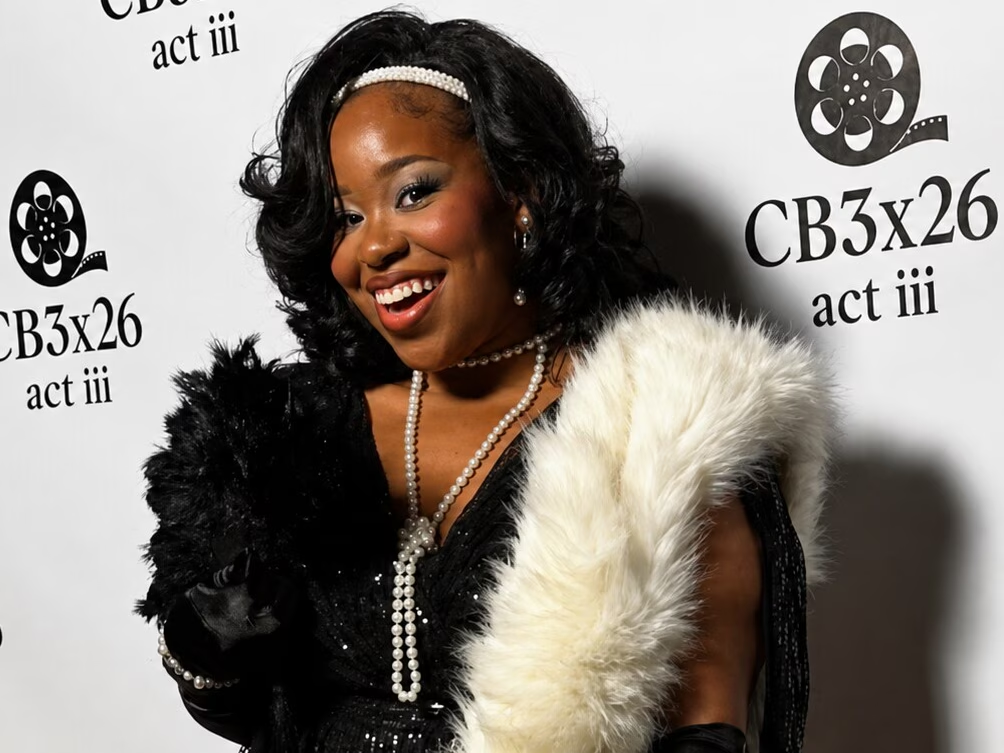
Jeffery also discussed microaggressions — the smaller comments, assumptions or behaviors that can accumulate when someone is navigating an environment in which they are treated as different.
That distinction matters because discrimination does not always arrive as an obvious confrontation.
Sometimes it appears through expectations.
Sometimes through assumptions about appearance.
Sometimes through what is considered “normal” for one performer but unusual for another.
One incident on its own may be easy for outsiders to dismiss.
Experiencing variations of them repeatedly is different.
For viewers, those moments were invisible.
Disney audiences saw Bree smiling beside her friends.
They did not necessarily see what Carla Jeffery had to think about when the camera stopped.
There Was Another Layer: Her Body
Race was not the only subject Jeffery discussed.
She also talked about navigating the industry as a woman whose body did not always match Hollywood’s narrow idea of what a young female star was supposed to look like.
That meant she could find herself standing at the intersection of several different expectations at once.
She was Black.
She was a woman.
And she was working in an industry famous for placing intense attention on women’s bodies.
For young performers, that scrutiny can begin early.
Casting decisions, wardrobe, character descriptions and even apparently casual comments can communicate who Hollywood considers ideal.
Jeffery’s willingness to talk about those pressures made the interview more than a retrospective on her Disney career.
She was discussing the structure surrounding the career.
Why Bree Still Mattered
There is an important tension here because Jeffery also represented something valuable to viewers.
Young Black girls could watch Zombies and see her.
Girls with body types that were not always centered in youth entertainment could see her too.
Bree was not hidden.
She was part of the friend group.
She danced.
She participated in the story.
She existed inside a major Disney franchise without needing to fit one narrow physical template.
That representation mattered.
But Jeffery’s interview suggested that the importance of being visible should not erase the complexity of being the person carrying that visibility.
A performer can appreciate what a role means to fans while still acknowledging the difficult parts of occupying that space.
Those two things are not contradictory.
In fact, that may have been one of the most important lessons of the conversation.
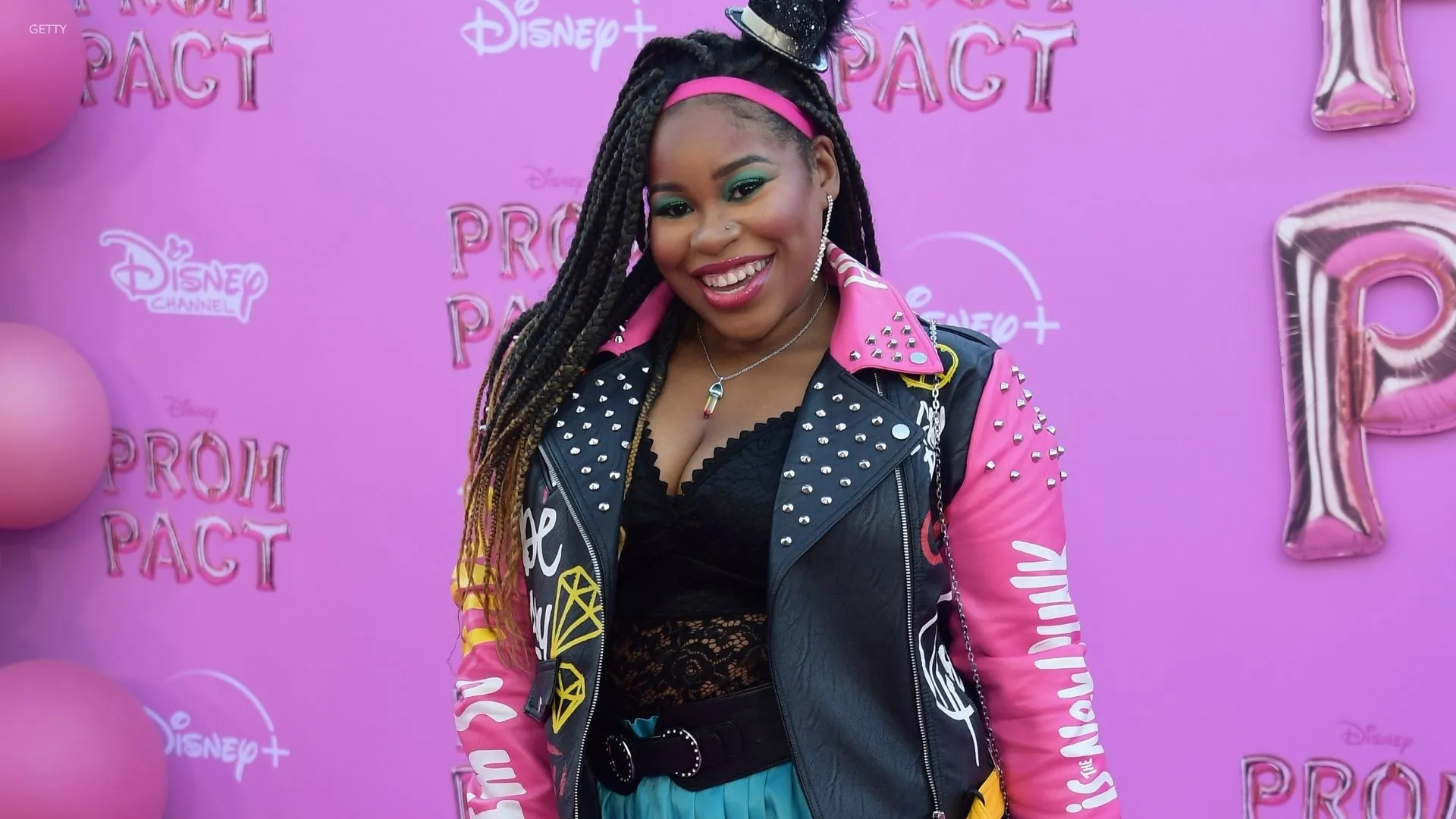
The Interview Feels Different Now
When the episode appeared on Aug. 4, 2025, it could be heard simply as an actress reflecting on her career and discussing problems she wanted Hollywood to understand better.
After Jeffery’s passing, the same conversation inevitably feels more significant.
It is tempting after someone dies to reduce their public story to photographs, roles and tributes from other people.
This interview offers something different.
Carla gets to speak for herself.
She explains what mattered to her.
She describes experiences that could not be understood by simply watching Zombies.
And she complicates the cheerful Disney image without dismissing the importance of the work she did there.
That makes the episode an unusually valuable part of how her career can now be remembered.
There Was More Behind the Smile
Following the news of Jeffery’s passing, her Zombies costars remembered her for her warmth.
Milo Manheim called her “the sweetest person I have ever met.”
Others spoke about the light and energy she brought into a room.
Those memories reveal something meaningful about who Carla was to the people around her.
The podcast reveals something else.
A person can bring light to a room and still have complicated experiences inside that room.
A performer can smile on camera while navigating pressures audiences never see.
And someone can be grateful for representation while still asking difficult questions about why being “the only one” remains such a common experience.
About a year before her passing, Carla Jeffery chose to have that conversation publicly.
She talked about race.
She talked about representation.
She talked about microaggressions.
She talked about body image and Hollywood expectations.
Most importantly, she talked about what it felt like to be the person inside an image millions of viewers had watched from the outside.
Fans knew Bree.
In that 2025 interview, Carla Jeffery gave them a chance to understand more of Carla.