Snoopy Was Never Allowed to Speak — So Bill Melendez Found a Loophole That Lasted for Decades
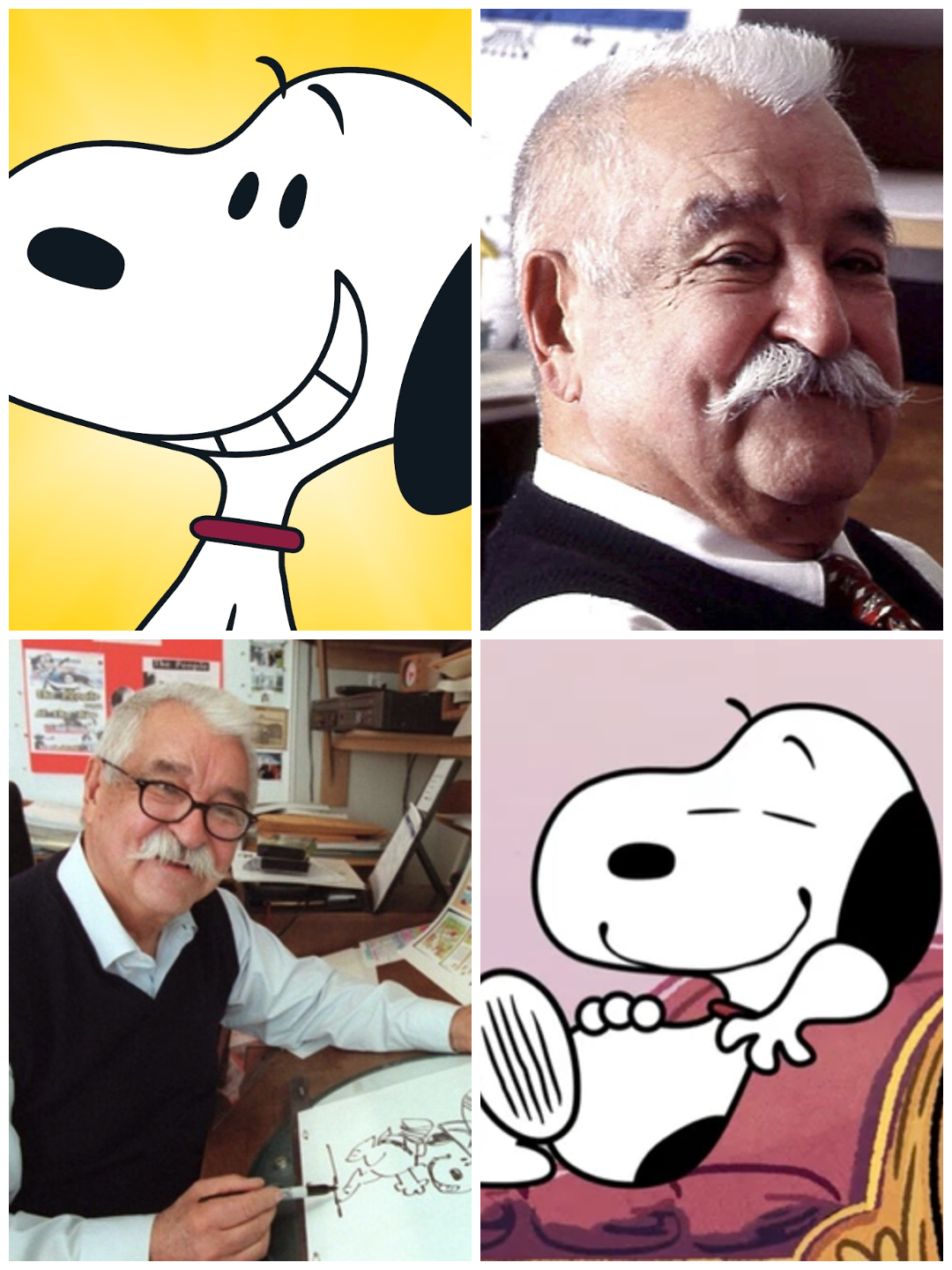
Snoopy has spent more than half a century dancing, flying imaginary missions, fighting the Red Baron and communicating exactly what he thinks without ever speaking like a human being.
That was not an accident.
Charles M. Schulz, the creator of Peanuts, had a rule about his famous beagle when the comic strip moved into animation:
Snoopy was a dog.
And dogs did not talk.
The rule created an unusual problem for the people trying to bring Peanuts to television. On the printed page, Schulz could place Snoopy’s thoughts inside balloons and allow readers into the character’s imagination.
Animation was different.
Snoopy needed to laugh, cry, howl, argue and react to Charlie Brown and the rest of the gang — but he could not suddenly start delivering dialogue.
Animator Bill Melendez found a solution.
It was supposed to be temporary.
Instead, Melendez accidentally became Snoopy’s voice for decades.
And as Sept. 2 marks 18 years since Melendez’s death in 2008, the strange story behind one of animation’s most familiar sounds reveals how a last-minute workaround became part of television history.
Schulz Trusted Melendez With Peanuts
Bringing Peanuts into animation required enormous trust from Schulz.
By the 1960s, Charlie Brown, Lucy, Linus, Snoopy and the rest of the characters were already beloved by newspaper readers.
Their personalities depended on Schulz’s remarkably simple drawings and very specific sense of humor.
Animation could easily have changed that.
Too much movement, exaggerated voices or traditional cartoon slapstick might have destroyed the quiet tone that made Peanuts different.
Melendez understood the problem.
A veteran animator, he became one of the most important people involved in translating Schulz’s characters from the newspaper page to television.
He would eventually direct or produce numerous Peanuts specials, beginning with the era that produced classics such as A Charlie Brown Christmas.
But Snoopy presented a special challenge.
Charlie Brown could talk.
Lucy could talk.
Linus could explain the meaning of Christmas.
Snoopy could not simply join the conversation.
Schulz Had One Firm Rule About Snoopy
On the comic-strip page, Snoopy had an incredibly rich inner life.
Readers knew his thoughts.
They watched him imagine himself as a World War I Flying Ace battling the Red Baron.
He became a novelist.
He became Joe Cool.
He could sit on top of his doghouse and mentally comment on the strange behavior of the humans around him.
But those thoughts were never the same as ordinary spoken dialogue.
Schulz did not want animation to suddenly turn Snoopy into a talking cartoon animal.
The distinction mattered.
Snoopy was intelligent, imaginative and sometimes more perceptive than the children around him.
But he was still supposed to be a dog.
That left Melendez needing sounds rather than words.
Snoopy needed a voice without actually having a voice.
Melendez experimented with an unusual solution.
The “Temporary” Voice Came From Melendez Himself
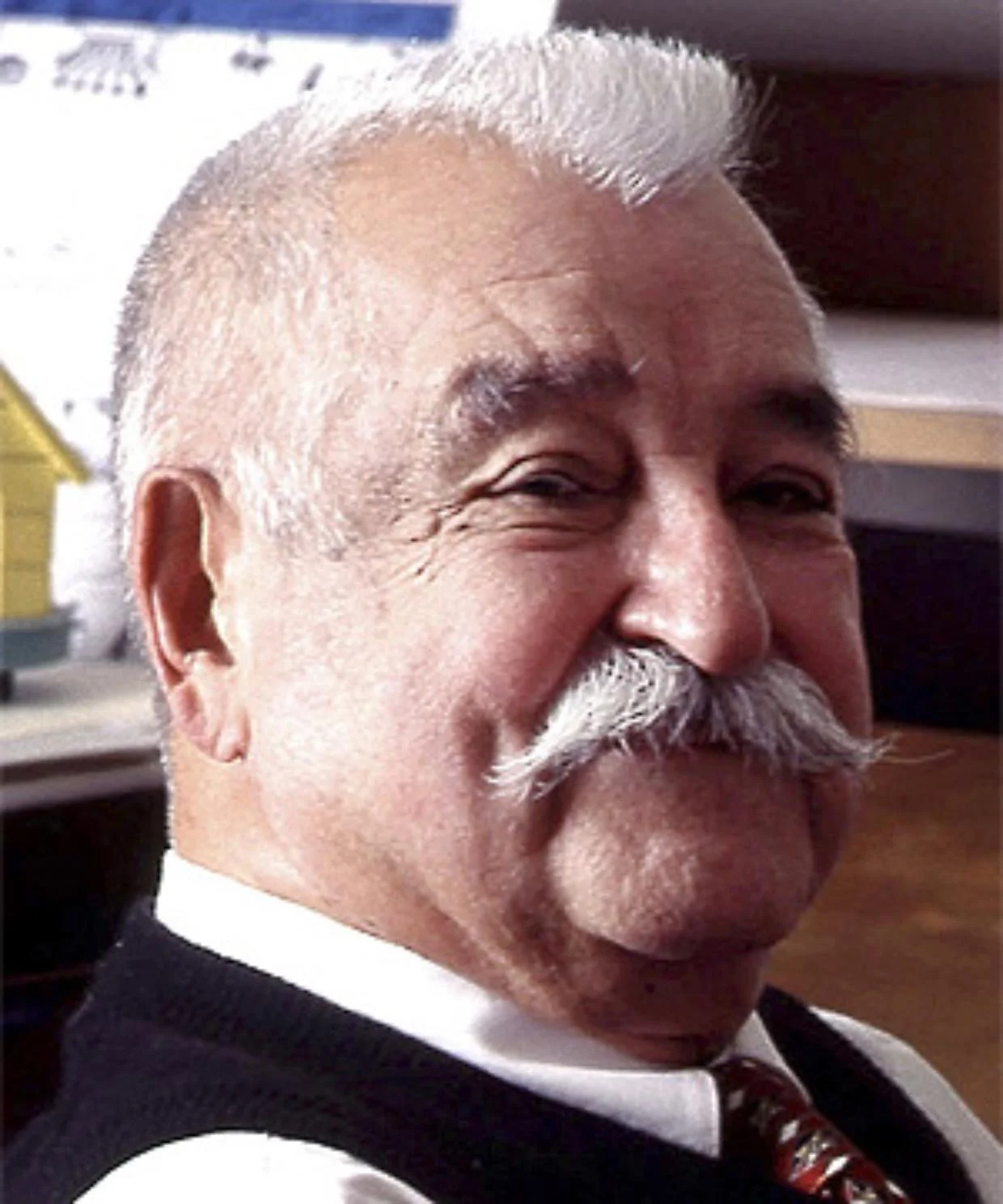
Instead of writing dialogue for Snoopy, Melendez recorded himself making nonsense sounds.
They were essentially gibberish — strange vocalizations that could communicate emotion without becoming recognizable human speech.
Then he manipulated the recording.
By speeding up the tape, Melendez transformed his own voice into the peculiar, high-pitched sounds audiences would associate with Snoopy.
It solved Schulz’s problem beautifully.
Snoopy could react.
He could laugh.
He could become irritated.
He could make noises that seemed almost conversational.
But he still was not technically speaking.
There was just one catch.
Melendez apparently had not expected his recording to become permanent.
The animator initially thought a professional performer would eventually replace his temporary track.
That was the plan.
Then time ran out.
The replacement never happened.
The temporary voice stayed.
An Animator Accidentally Became a Voice Actor
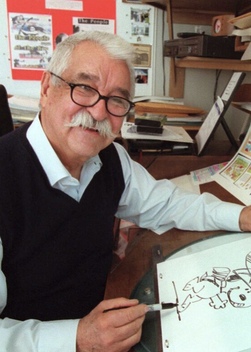
What began as a production workaround became one of the most recognizable vocal performances in animation.
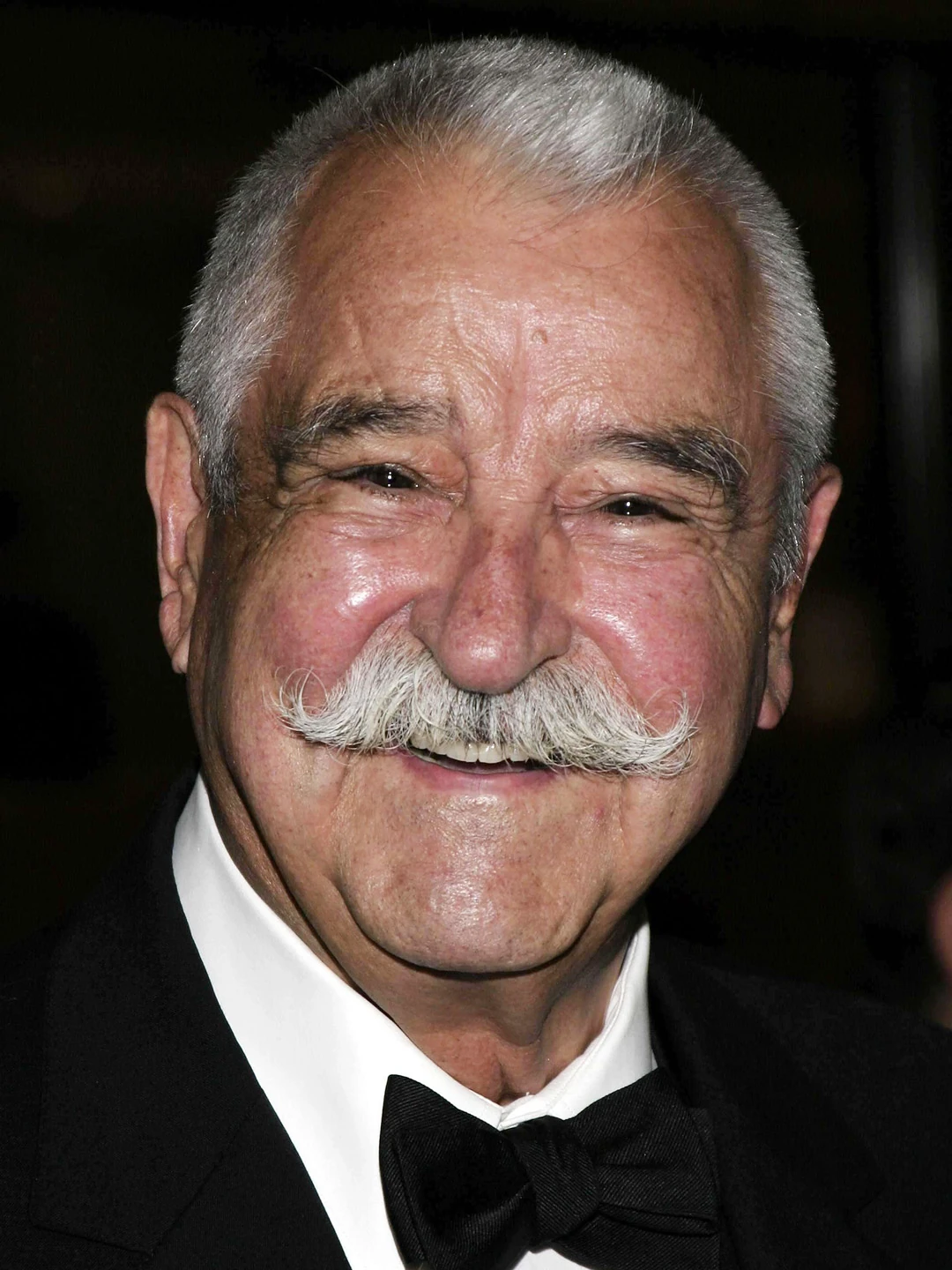
Bill Melendez — animator, director and producer — was suddenly also the voice of Snoopy.
There was something almost perfect about the accident.
Snoopy did not sound like a traditional actor pretending to be a dog because that was never what Melendez had been trying to create.
The sounds were odd, exaggerated and difficult to translate.
Yet viewers understood them.
When Snoopy laughed, no explanation was necessary.
When he complained, audiences knew he was complaining.
When he became excited, frustrated or frightened, the strange noises communicated exactly what the scene required.
Melendez had found a loophole in Schulz’s rule.
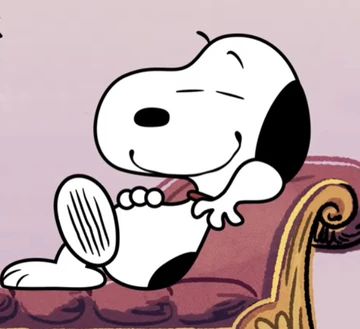
Snoopy still did not talk.
But he certainly had something to say.
The Voice Followed Him for Decades
Once the sound became established, replacing it would have meant changing something audiences already recognized.
So Melendez continued providing Snoopy’s vocalizations across numerous Peanuts productions.
He also became associated with another character whose speech presented an unusual problem: Woodstock.
The tiny yellow bird communicated through chirps and sounds that Snoopy somehow seemed to understand perfectly.
Again, Melendez could create personality without conventional dialogue.
Over the years, his unusual contribution became so established that it was treated like voice acting even though that had never been his original intention.
And there was a financial surprise attached to it.
Melendez later received residual payments connected to his vocal performances.
The animator who had expected his test sounds to be replaced by a professional actor ended up receiving checks for playing Snoopy.
It is difficult to imagine a more accidental entry into voice acting.
The Limitation Helped Make Snoopy Better
Schulz’s refusal to let Snoopy speak could have been seen as an inconvenience.
Instead, it helped preserve one of the character’s greatest strengths.
Snoopy became universal.
He did not require long speeches.
His body language, facial expressions, imagination and Melendez’s strange vocal sounds could communicate across generations and even across languages.
A child did not need to understand a complicated joke to laugh at Snoopy dancing.
An adult could recognize the sarcasm in one look.
The audience supplied part of the meaning themselves.
Giving Snoopy a conventional speaking voice might actually have made him smaller.
His silence allowed viewers to imagine more.
Melendez’s gibberish filled just enough of that silence without destroying it.

Melendez Became Essential to the Peanuts World
Bill Melendez’s relationship with Peanuts extended far beyond Snoopy’s sounds.
His animation work helped define how Schulz’s drawings moved on screen.
That was no small task.
The original characters were deliberately simple.
Charlie Brown’s head was almost perfectly round.
The children moved in ways that did not resemble the polished animation associated with Disney features.
But that simplicity became part of the charm.
Melendez understood that Peanuts should still feel like Schulz.
The television specials did not need to become visually elaborate.
They needed to preserve the emotional rhythm of the comic strip.
That approach helped produce television that generations of families returned to year after year.
And somewhere inside those specials, Melendez’s own sped-up voice kept emerging from the world’s most famous beagle.
Remembering Bill Melendez 18 Years Later
Bill Melendez died on Sept. 2, 2008, at age 91.
This Sept. 2 marks 18 years since his passing.
His name may never have become as instantly recognizable to the general public as Charles Schulz’s.
But anyone who grew up with animated Peanuts knew Melendez’s work — even if they never realized they were hearing him.
For decades, audiences listened to Snoopy laugh, complain and celebrate.
Most probably never asked who was making those sounds.
The answer was not a specially hired celebrity voice actor.
It was the animator behind the production.
Melendez had recorded some gibberish, sped up the tape and expected someone else to replace him.
Nobody did.
The placeholder became permanent.
And because Charles Schulz insisted that Snoopy should never actually talk, Bill Melendez ended up creating one of animation’s most unusual performances.
Snoopy never broke the rule.
He never needed to.
Bill Melendez had already found a way to give him a voice without giving him words.