Gloria Steinem Dies at 92 — Has Her Cause of Death Actually Been Revealed?

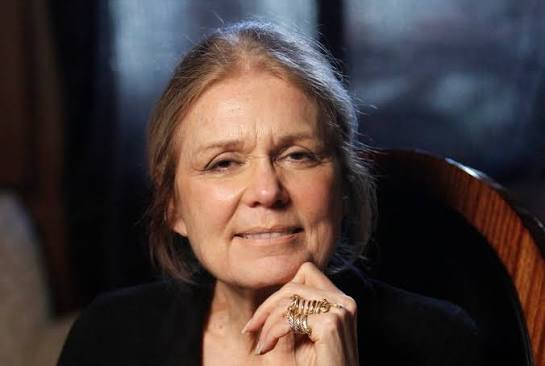
Gloria Steinem, the pioneering journalist, author and activist who became one of the most recognizable figures of the American women’s movement, has died at the age of 92.
Steinem died on Wednesday, Sept. 2, 2026, at her home in New York City, according to a statement from Gloria’s Foundation. She was surrounded by people who loved her and died peacefully.
But as tributes spread and people began searching for more information about her final days, one major question remained unanswered:
What was Gloria Steinem’s cause of death?
As of Sept. 4, no official cause has been publicly announced.
Her foundation confirmed her death and described her final moments, but did not identify a specific illness, medical event or other cause. The Washington Post likewise reported that the organization did not provide a cause of death.
That distinction is important as information about Steinem’s death continues to circulate online.
What Has Actually Been Confirmed?
The confirmed details are relatively straightforward.
Steinem was 92.
She died Sept. 2 at her longtime home in New York City.
Her foundation said she “passed away peacefully” while surrounded by some of the many people who loved her.
Beyond that, the announcement focused primarily on the life she had lived rather than the medical circumstances of her death.
Her foundation remembered Steinem as someone who continued working toward equality until the end and emphasized her ability to listen to others and make people feel seen.
The statement also said that her later years had remained centered on two of the things she valued most: community and writing.
What the announcement did not say was why she died.
No specific disease was named.
No medical condition was identified as the cause.
And no official cause-of-death determination has been released publicly.
“Peacefully” Does Not Mean a Cause Has Been Announced
This is where reports about prominent deaths can sometimes become confusing.
A family or representative may say that someone died peacefully, at home or surrounded by loved ones.
That describes the circumstances surrounding the person’s final moments.
It does not necessarily answer the medical question of what caused the death.
In Steinem’s case, her foundation has provided the first kind of information but not the second.
So while it is accurate to say she died peacefully at home, it would currently be inaccurate to claim a specific cause unless her representatives or another authoritative source later confirms one.
That leaves the answer to the question many people are searching for remarkably simple:
Gloria Steinem’s cause of death has not yet been publicly disclosed.
Why So Many People Are Asking
Part of the intense interest comes from the enormous public role Steinem occupied for more than half a century.
For generations of Americans, she was not simply a writer or political activist.
She became one of the most recognizable faces of second-wave feminism.
Born in Toledo, Ohio, in 1934, Steinem eventually built a career that combined journalism with organizing and political advocacy.
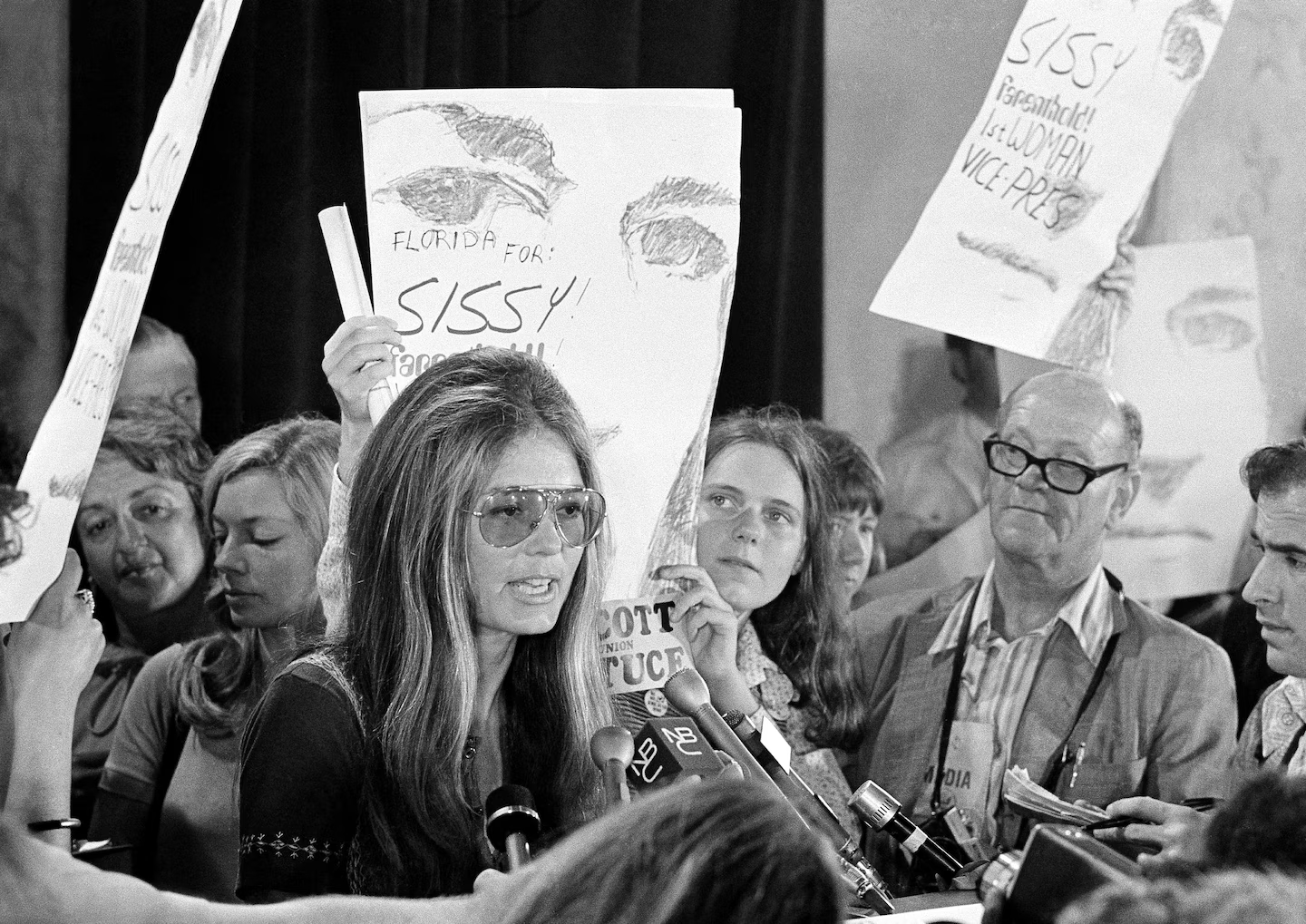
One of her early breakthroughs came in 1963 when she went undercover as a Playboy Bunny and wrote about the working conditions she experienced.
Later, she became a founding editor of New York magazine.
In the early 1970s, she helped launch Ms. magazine, which became one of the most influential publications associated with the modern women’s movement.
Her activism expanded well beyond publishing.
She helped found the National Women’s Political Caucus and was involved in numerous organizations devoted to women’s political participation, equality and representation.
In 2004, she co-founded the Women’s Media Center with Jane Fonda and Robin Morgan.
She Remained Active Late in Life
Steinem did not simply become a historical symbol and disappear from public life.
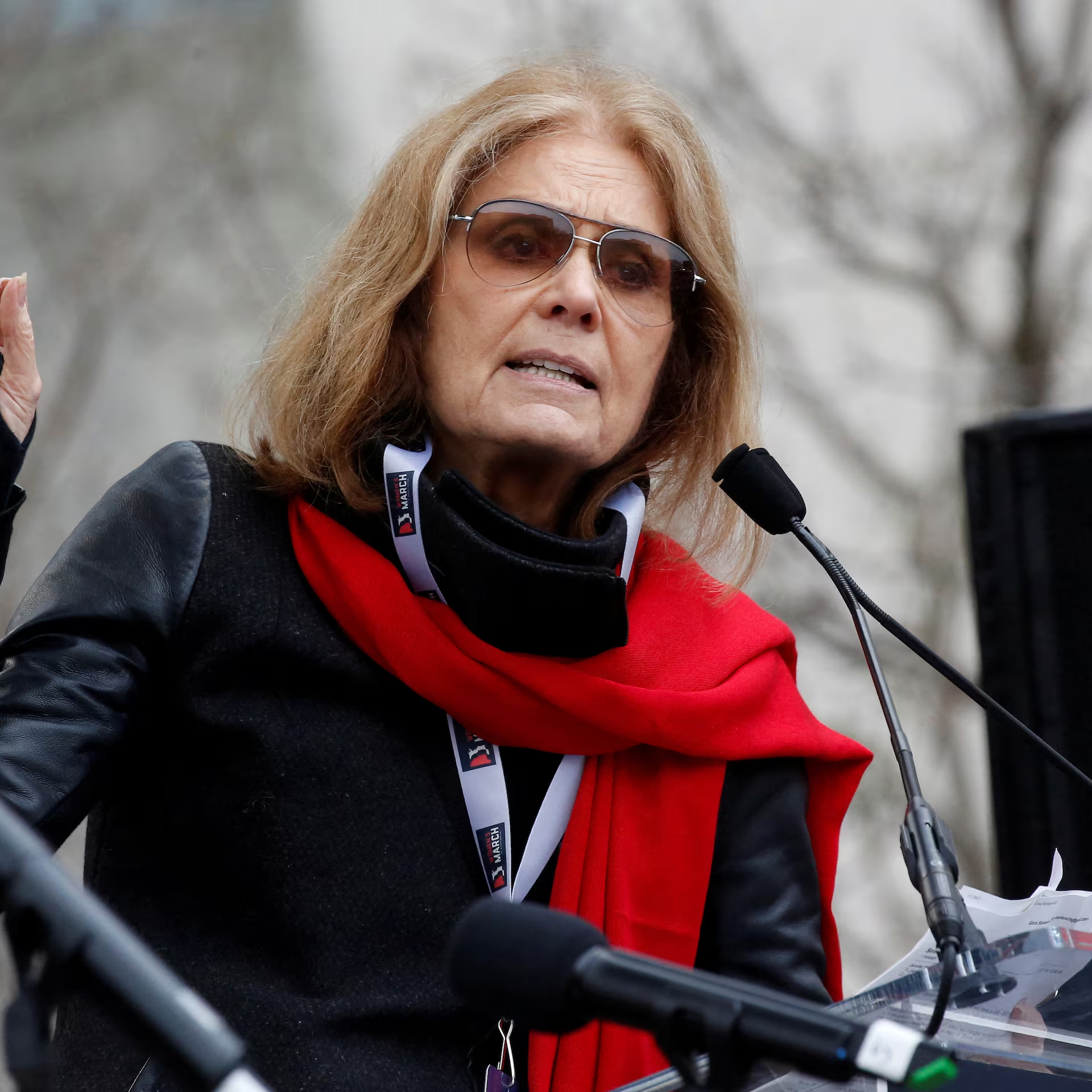
She continued writing, speaking and organizing well into old age.
One account of a gathering at her Upper East Side home shortly before her death described Steinem as physically frail but still mentally sharp and deeply engaged in conversation. She was continuing to host the kinds of discussion circles that had long been central to her organizing philosophy.
That makes the news of her death feel particularly striking.
Even at 92, she remained associated with ongoing projects rather than retirement from public ideas.
Her foundation said the talking circles held in her home were a tradition she wanted to continue after her death.
And another major project was already on the calendar.
Steinem’s memoir, An Unexpected Life, is scheduled for publication on Sept. 22, only weeks after her death.
The book looks back across her life, from childhood through decades of political and cultural change.
Her Health History Does Not Answer the Current Question
Steinem had previously spoken publicly about health challenges, including a breast cancer diagnosis in her 50s that was detected early and treated.
But that historical information should not be confused with evidence about her death in 2026.
Nothing in the statement announcing her death linked that earlier diagnosis to her passing.
Without an official statement, death certificate or other authoritative confirmation, connecting a previous medical condition to her death would be speculation.
That is especially important when older biographical information begins resurfacing after the death of a public figure.
The existence of a known past illness does not establish a cause decades later.
Her Foundation Focused on How She Lived
Rather than providing medical details, Gloria’s Foundation centered its announcement on Steinem’s character and legacy.
The organization remembered her curiosity, humor and commitment to making others feel heard.
It also invited people mourning Steinem to participate symbolically in a wider community rather than treating her death as the end of the work she championed.
That approach is consistent with how Steinem often described social change.
She resisted the idea that movements depended on a single famous leader.
She frequently emphasized organizing from the ground up and encouraging other people to find their own voices.
Her death therefore closes an extraordinary individual life, but the organizations, writers and activists influenced by her continue.
A Life That Changed the National Conversation
Steinem received numerous honors over her career, including the Presidential Medal of Freedom from President Barack Obama in 2013.
But her cultural influence is harder to summarize through awards.
She helped bring conversations about workplace discrimination, reproductive rights, political representation and gender equality into mainstream American public life.
She was praised, criticized, debated and sometimes caricatured.
Through it all, she remained one of the figures most closely associated with feminism in the United States.
That is why her death at 92 has generated such widespread attention.
And it is why so many people immediately began searching for an explanation.

So What Was Gloria Steinem’s Cause of Death?
For now, there is no confirmed public answer.
Gloria Steinem died peacefully at her New York City home on Sept. 2, 2026, at age 92, surrounded by loved ones. Her foundation has publicly confirmed those details.
It has not publicly identified a cause of death.
Unless Steinem’s family, foundation or another authoritative source releases additional information, any more specific explanation should be treated as unconfirmed.
For now, what the public knows with certainty is how her representatives described her final moments — peaceful, at home and among people who loved her.
The medical reason behind those final moments remains private.