The World Knew Her as Dolly Parton — but Inside Her Family, She Was “Aunt Granny”
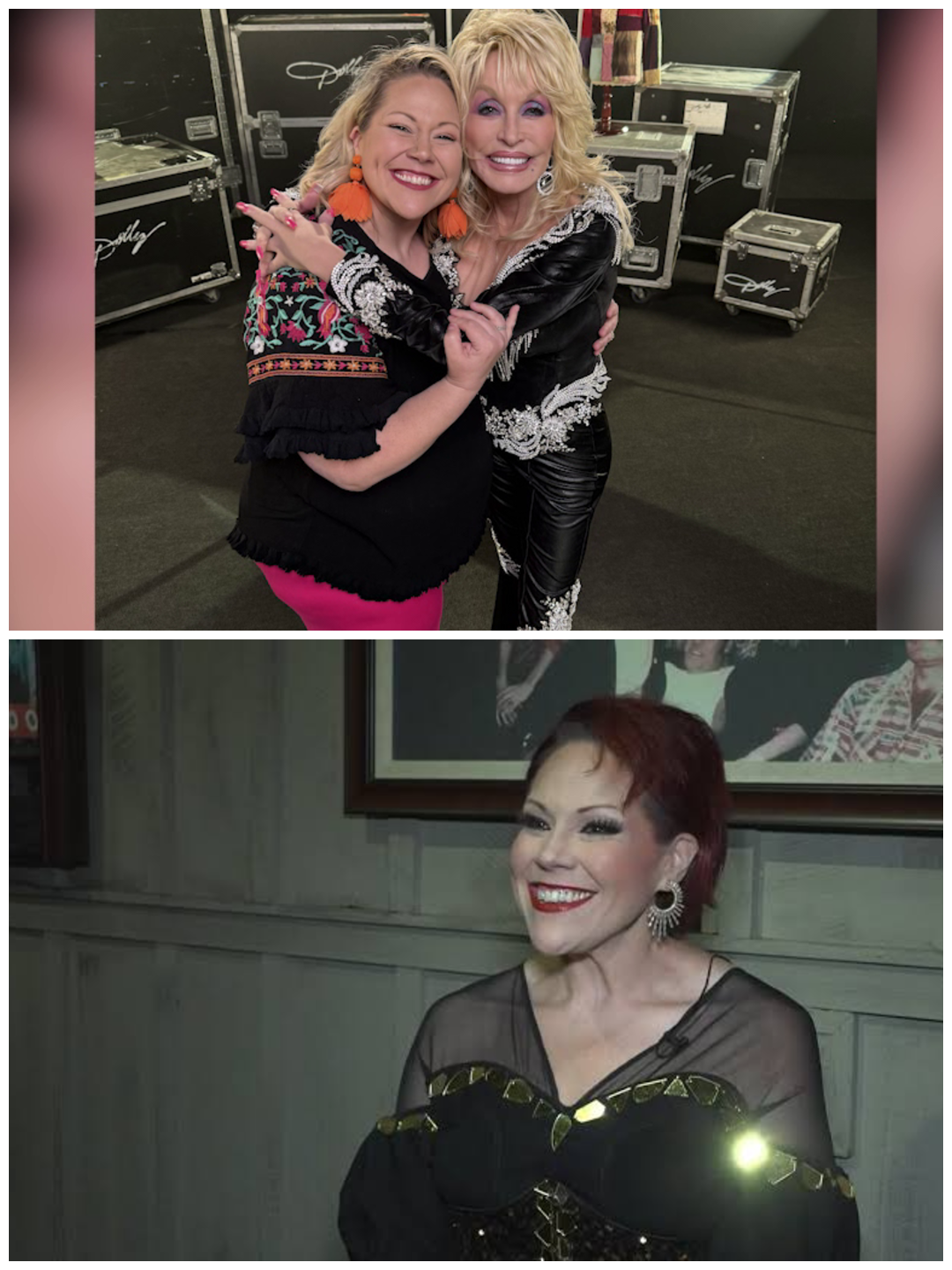
To millions of people, she was simply Dolly.
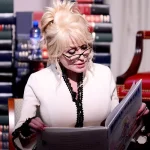
The blond hair, rhinestones, unmistakable Tennessee voice and songs like “Jolene” and “I Will Always Love You” made Dolly Parton one of the most recognizable entertainers in the world.
But when Heidi Parton thought about her famous aunt, she used a name that sounded nothing like a superstar’s title.
“Aunt Granny.”
For Heidi, the daughter of Dolly’s late younger brother Randy Parton, the unusual nickname captured something the rest of the world rarely saw.
Dolly never had children of her own, but within the huge Parton family, she often occupied a nurturing role that went far beyond that of a conventional aunt. Dolly helped care for younger relatives, cooked for them, encouraged their careers and created the kind of home where nieces and nephews could sometimes forget they were spending time with an international celebrity.
“Aunt Granny just really suited her,” Heidi explained in a recent interview. The nickname became so firmly attached to Dolly that Dollywood even has a restaurant called Aunt Granny’s.
Now, after losing both Dolly and her father, Heidi says Dollywood has become something else too:
A place where both of them still feel present.
Why “Aunt Granny”?
The nickname makes more sense once Dolly’s family history is understood.
Dolly grew up as one of 12 children in East Tennessee. When her career began taking off and she moved to Nashville, she also helped care for some of her younger siblings.
Her sisters Freida and Rachel were among those who spent time living with Dolly when they were young.
Freida once explained the family nickname very simply: Dolly was obviously their aunt, but she had also helped raise them. When the next generation arrived, that combination turned her into “Aunt Granny.”
Dolly and her husband, Carl Dean, never had biological children.
But that did not mean their lives were child-free.
Several younger relatives grew up seeing Dolly and Carl as almost another set of parental or grandparent figures. Members of the family referred to Carl as “Peepaw,” while Dolly became “Granny” or “Aunt Granny.”
The nickname was affectionate rather than ceremonial.
It described what she actually did.
She fed people.
She helped them.
She encouraged them.
And according to Heidi, the private Dolly was remarkably close to the public one.
“She was exactly the way she portrayed herself,” Heidi said. “She was beautiful. She was bright. She was brave. She was smart.”
There was no secret, colder personality behind the cameras, Heidi said.
Dolly was simply Dolly.
The Day After Losing Dolly, Heidi Didn’t Know Where to Go
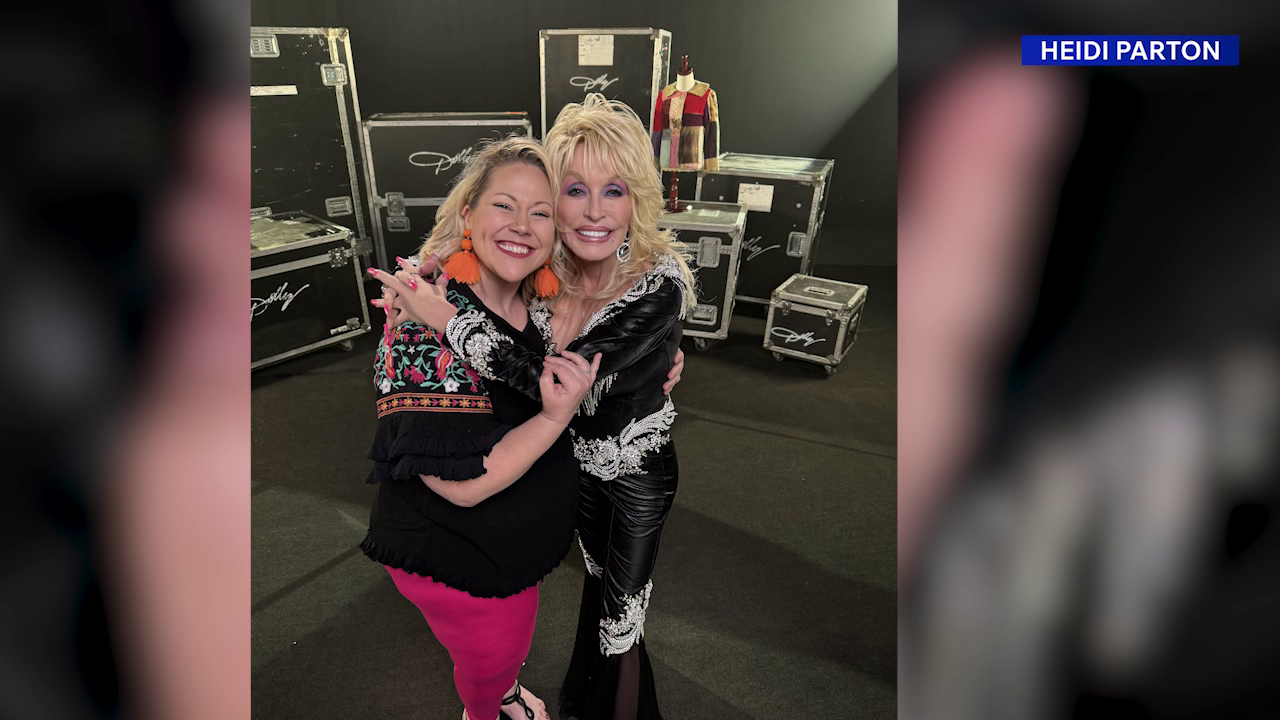
That family connection explains why Heidi found herself facing an unusual question immediately after Dolly’s death.
What do you do the next morning?
She woke up grieving and initially had no answer.
Then one came to her.
Go to Dollywood.
“I went, ‘Yes, I do. I’m going to go to the park,’” Heidi recalled.
For millions of tourists, Dollywood is a theme park.
For Heidi, it is family history.
Her father, Randy Parton, had his own long musical connection to the park. Heidi herself became a Dollywood performer.
And Dolly, of course, transformed the Pigeon Forge attraction into a place inseparable from her own story and from the Smoky Mountains where the Partons grew up.
“She gave that to my dad, and then he gave it to me,” Heidi said. “They’re both gone now, but they’re still here.”
Walking through Dollywood meant walking through places where Heidi had performed with family members who were no longer alive.
The theaters held memories.
The music held memories.
Even the name Aunt Granny remained physically embedded in the park.
Going back was not simply returning to work.
It was returning to them.
One Memory Explains Who Dolly Was Inside the Family
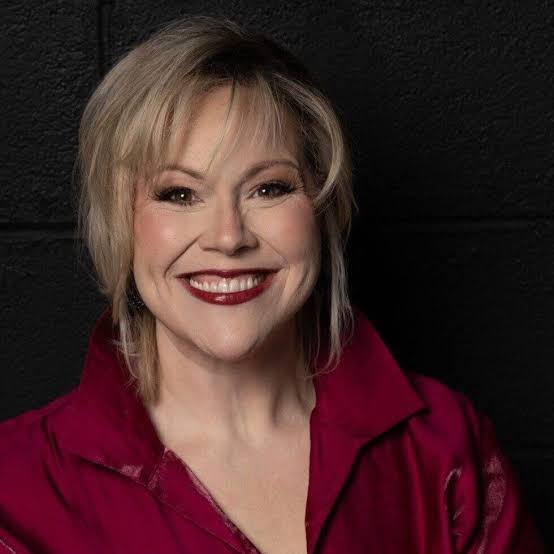
Of all Heidi’s stories, one involving her father may reveal more about “Aunt Granny” than almost anything else.
Randy Parton was battling cancer.
The family was gathered together before he was due to travel to Nashville for treatment, and the atmosphere was understandably heavy.
Heidi remembered her father lying back in his recliner.
Everyone knew why he was leaving.
Everyone was frightened.
Then Dolly entered the room.
Heidi does not even remember the exact joke Dolly told.
She remembers what happened next.
Her father suddenly sat up.
Then he doubled over laughing.
He laughed so hard that he began crying.
For a few moments, the cancer was not the only thing in the room.
There was Dolly.
And there was laughter.
That is the memory Heidi chose to preserve.
Not an awards show.
Not Dolly walking onto a massive stage.
Not a Grammy or a No. 1 record.
Her aunt walking into a frightened family gathering and somehow making a seriously ill man laugh until tears came down his face.
Dolly and Randy Shared More Than a Last Name
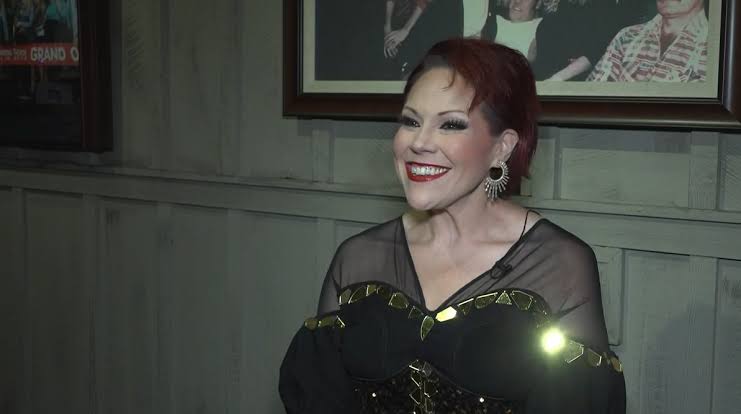
Randy Parton had his own career as a singer and musician and worked closely with Dollywood for years.
He died in 2021 after battling cancer.
Dolly publicly mourned him at the time, describing her brother as a talented singer, writer and entertainer and saying the family believed he was at peace.
For Heidi, losing Dolly years later reopened more than one set of memories.
The two people were connected in her mind to the same place.
Her father had worked at Dollywood.
Her aunt had built so much of what Dollywood represented.
Heidi followed them into performing there.
That inheritance explains the phrase she used after returning to the park: Dolly gave it to Randy, and Randy gave it to her.
Now she is one of the people carrying it forward.
“Aunt Granny” Became Part of Dollywood Too
Fans who have visited Dollywood may have encountered the nickname without realizing how personal it was.
Aunt Granny’s Restaurant has been associated with the park since Dollywood’s early years.
Its traditional Southern food fits the family image behind the name: cooking, feeding large groups and making sure nobody leaves hungry.
The name did not come from a marketing department inventing a cute Appalachian character.
Aunt Granny was Dolly.
Her nieces and nephews had already been calling her that.
That makes the restaurant one of many places at Dollywood where something deeply personal from Dolly’s life became part of the public experience.
Visitors may see a themed restaurant.
The Partons hear a family nickname.
She Never Had Children — but She Had a Lot of Kids
Dolly spoke openly over the years about not having children with Carl.
She eventually came to believe that her life may have unfolded that way for a reason.
Without children of her own, she had freedom to devote enormous amounts of time to music, business and philanthropy — including the Imagination Library, which ultimately put books into the hands of children far beyond her own family.
But inside the Parton family, Dolly was never some distant childless aunt.
She helped raise younger siblings.
She became deeply involved with nieces, nephews and later generations.
She cooked with them.
She supported their ambitions.
Some called her Granny.
Some called her Aunt Granny.
The nickname reflected a family role rather than a technical relationship.
What Heidi Wants People to Remember
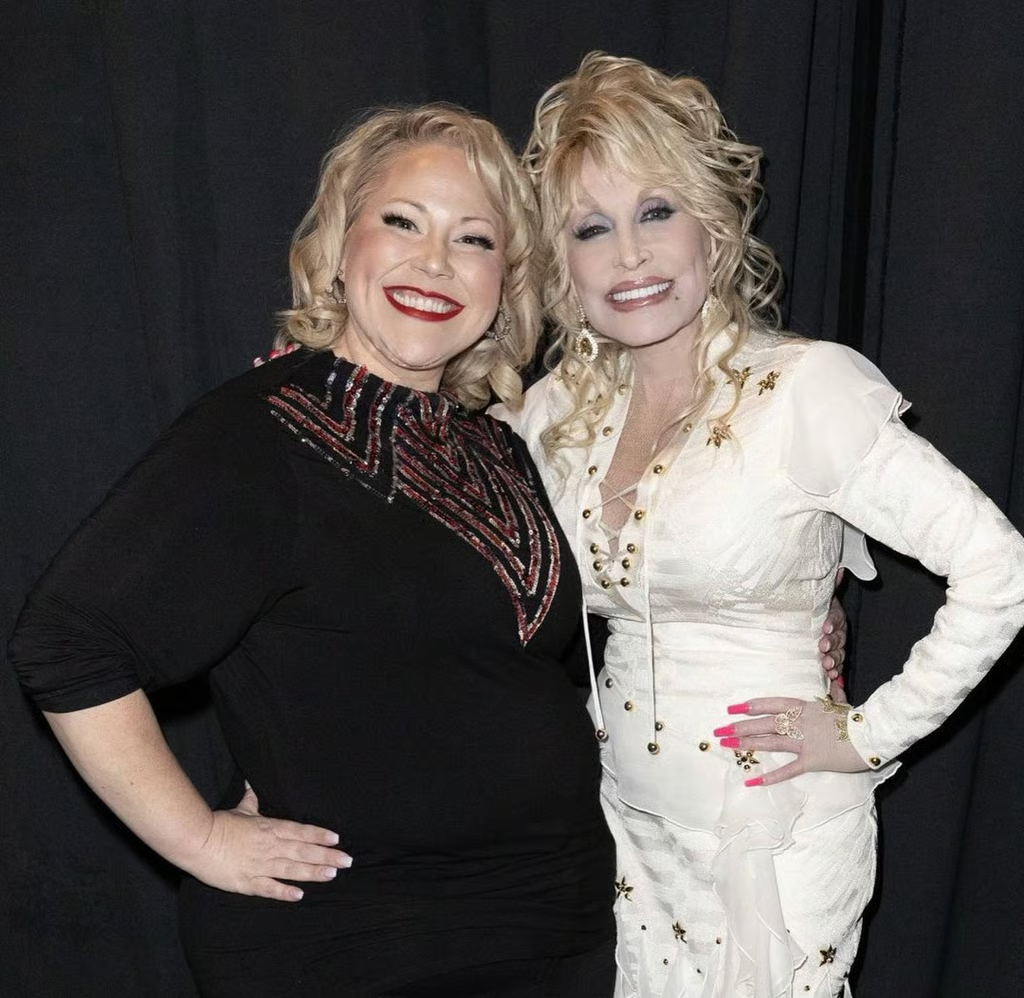
Heidi knows the world will remember the enormous achievements.
The songs.
The movies.
Dollywood.
The costumes.
The philanthropy.
But she hopes people hold onto something less measurable.
Kindness.
For Heidi, Dolly’s ability to bring joy into her father’s room while he was facing cancer represented the same quality fans felt when Dolly spoke to them through a television screen.
“She was just who she was,” Heidi said. “And that’s what made her so spectacular.”
That may also explain why “Aunt Granny” meant so much.
To the rest of the world, Dolly Parton had become an institution.
To Heidi, she remained the woman who belonged at the family gathering.
The woman who could make her sick brother sit up and laugh.
The woman whose presence still seemed to fill Dollywood the morning after she was gone.
Millions knew Dolly Parton.
Her family knew Aunt Granny.
And somehow, according to Heidi, they were never really two different people.