Dolly Parton’s Childhood in Poverty Shaped the Superstar She Became
Dolly Parton’s Childhood in Poverty Shaped the Superstar She Became
Long before the rhinestones, sold-out concerts and worldwide fame, Dolly Parton grew up in a small Tennessee cabin with 11 siblings and very little money.
Dolly Parton never tried to hide where she came from.
The country music legend, who died Aug. 25, 2026, at age 80, often spoke fondly about her childhood in the Smoky Mountains of Tennessee, even though her family lived in deep poverty. She credited those early years with giving her the determination, creativity and work ethic that eventually carried her from a tiny mountain community to international stardom.
Growing Up With Very Little
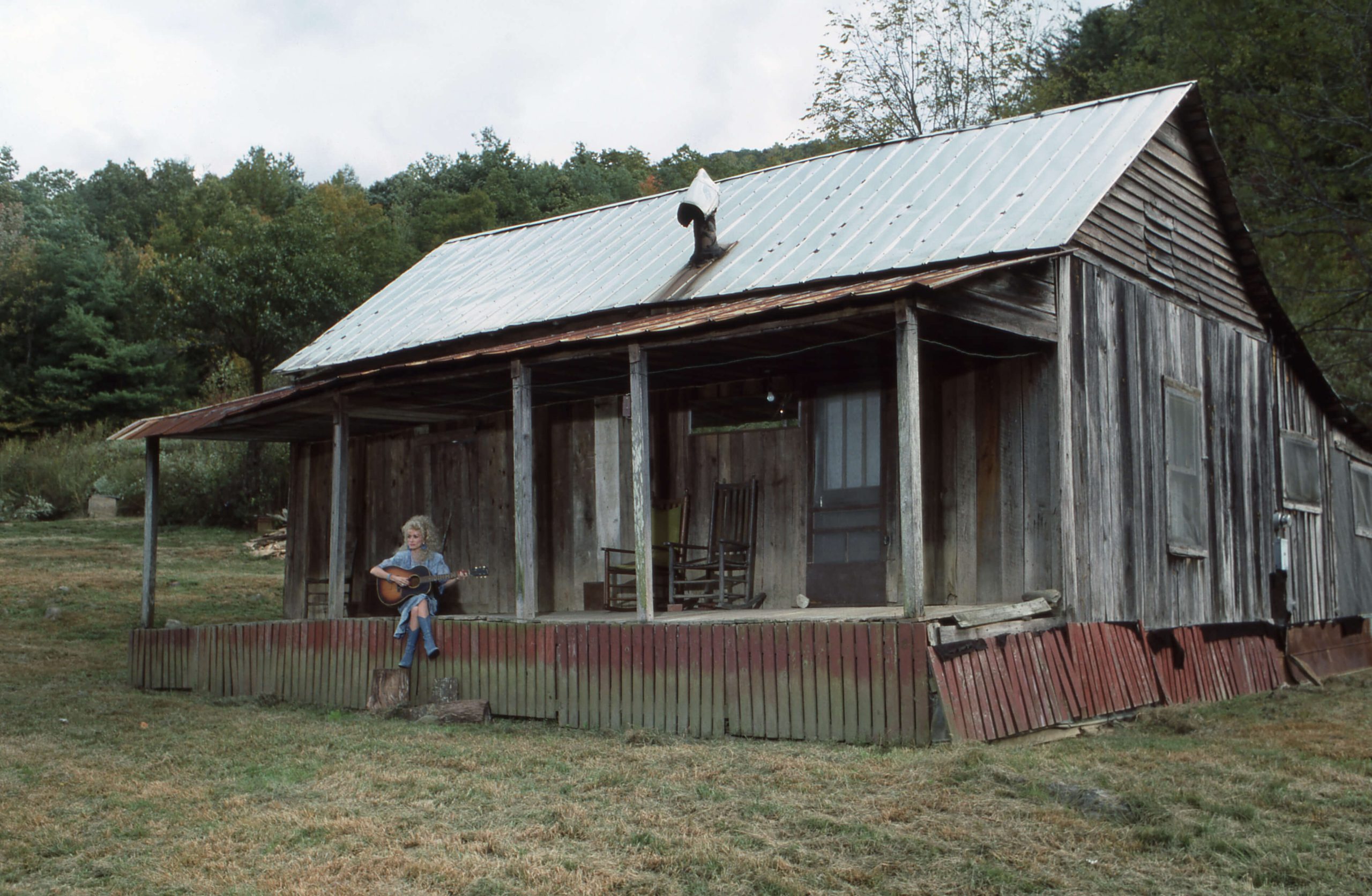
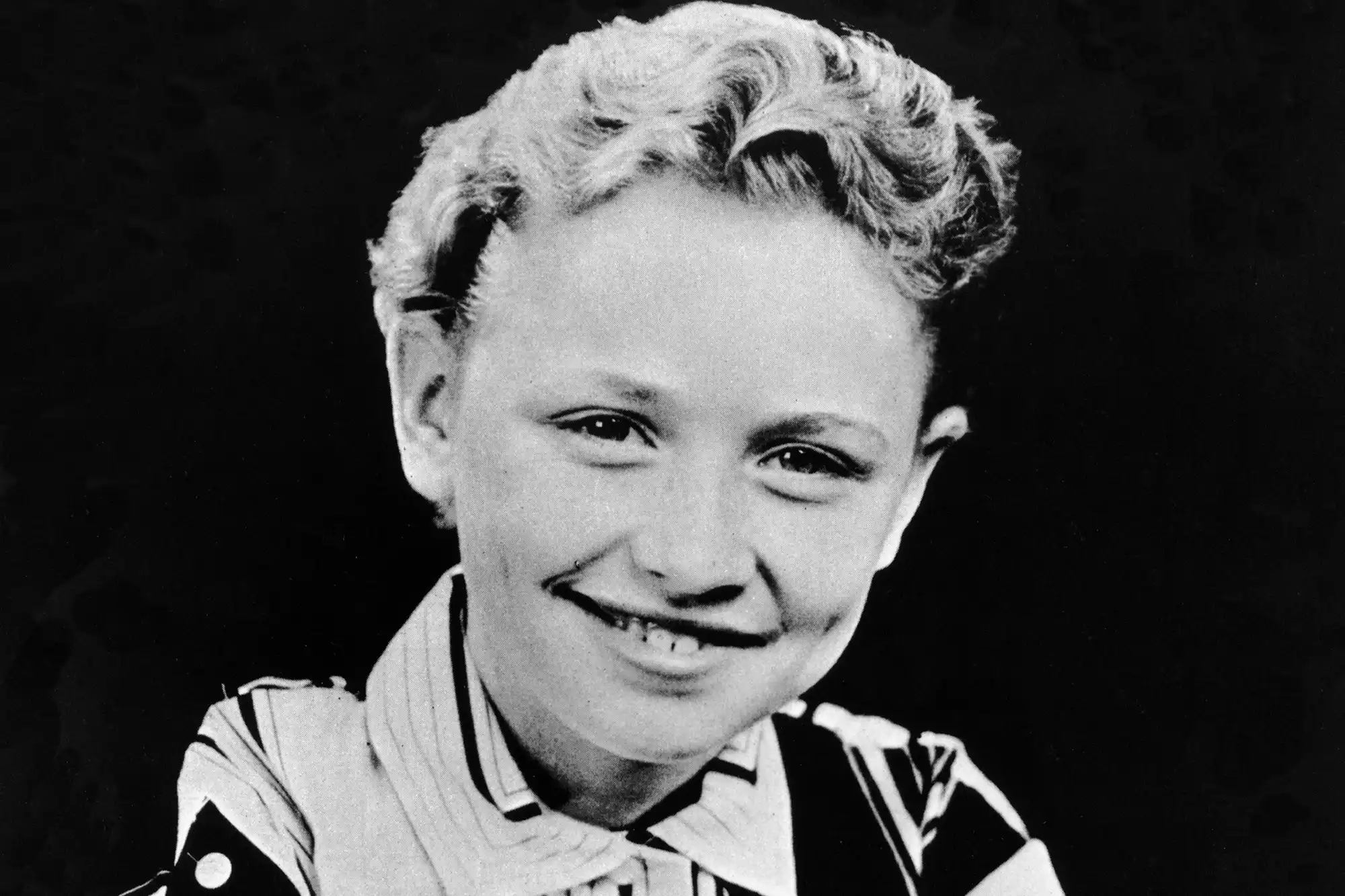
Parton was born in 1946 in a two-room log cabin in rural Tennessee. She was the fourth of 12 children born to Robert Lee Parton, a tobacco farmer, and Avie Lee Parton.
The family had no electricity or running water, and the children often had to share beds. Money was scarce, but Parton later remembered her childhood as one filled with love, music and family.
She once recalled that the family did not always have enough food, but her mother was remarkably resourceful in keeping everyone fed.
Those experiences became part of Parton’s songwriting. Her 1971 song “Coat of Many Colors” drew directly from her childhood and told the story of a patchwork coat her mother made for her from scraps of fabric. The song also captured the embarrassment Parton experienced when classmates made fun of her because her clothes were homemade.
Rather than allowing those memories to define her negatively, she turned them into music.
The Tin-Can Microphone
Parton’s dreams began taking shape when she was still a child.
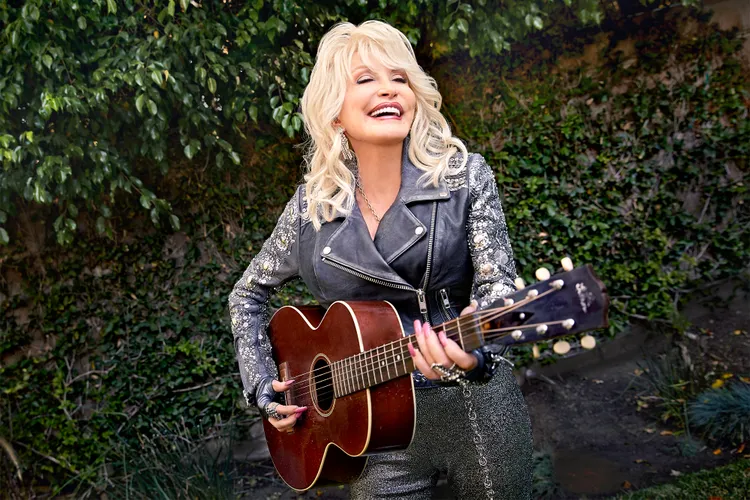
At home, she would sing into a makeshift microphone made from a tin can attached to a stick. She performed for chickens, dogs and family members around the house, imagining herself one day singing for much larger audiences.
The little microphone became a symbol of the dreams she carried from the mountains.
At 13, Parton made her first appearance at the Grand Ole Opry, after being introduced by Johnny Cash. She was already beginning to understand that music could take her somewhere far beyond the world she knew.
What Her Parents Gave Her
Parton frequently credited both of her parents for different qualities that shaped her future.
She said her father gave her a powerful work ethic. Robert Lee Parton worked hard as a tobacco farmer despite having had little formal education.
Her mother, meanwhile, encouraged creativity and spirituality. Avie Lee sang around the house and helped foster her daughter’s imagination and love of music.
Parton later described herself as a combination of those influences: her father’s determination and responsibility alongside her mother’s creativity and spiritual foundation.
From the Mountains to Nashville
The day after graduating high school in 1964, Parton moved to Nashville to pursue her dreams.
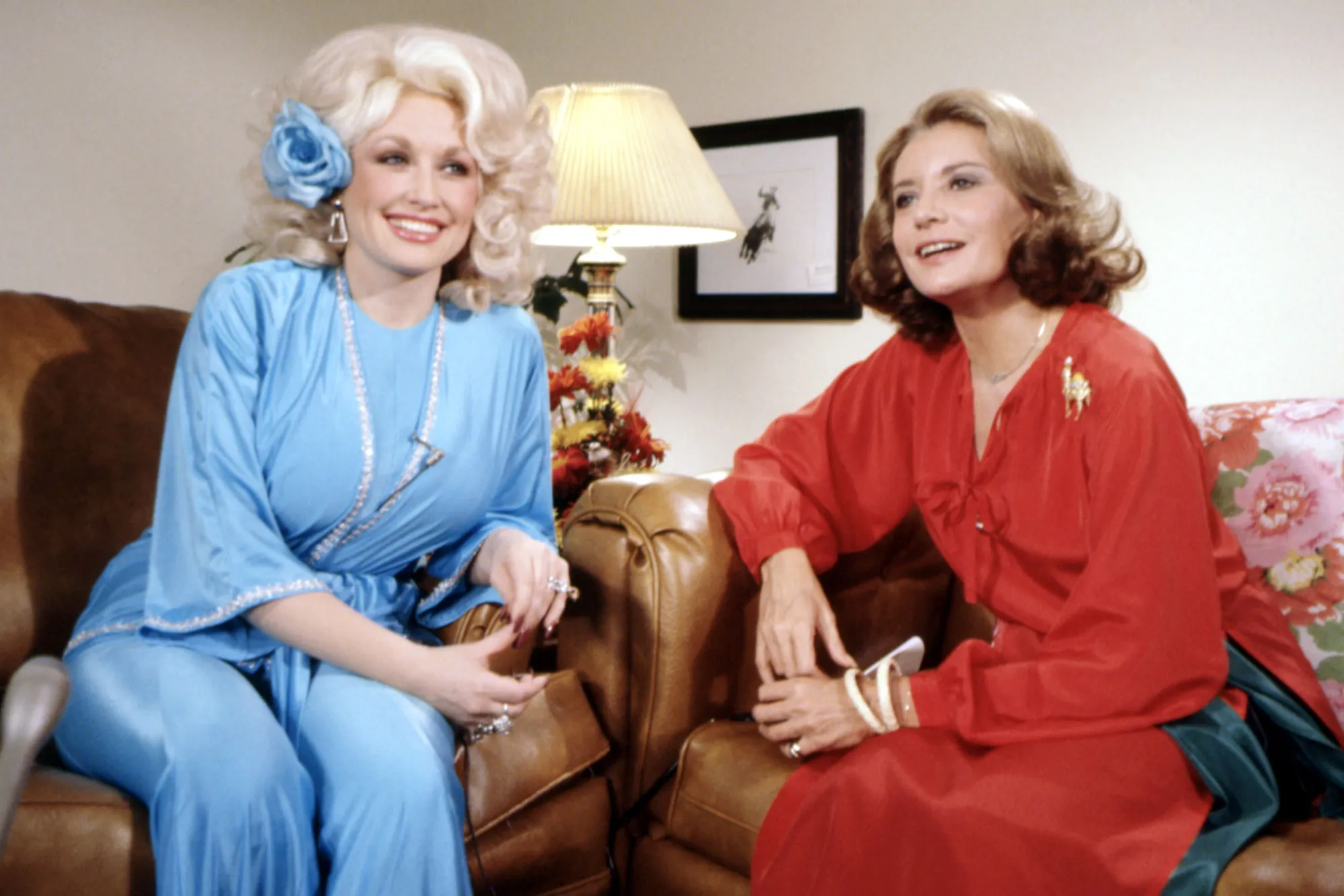
She eventually joined The Porter Wagoner Show and became Wagoner’s duet partner, gaining national attention while establishing herself as a songwriter and performer.
Her career soon expanded far beyond country music. Songs such as “Jolene,” “Coat of Many Colors” and “I Will Always Love You” established her as one of America’s most accomplished songwriters.
She later conquered film, television, business and philanthropy as well.
She Never Forgot Where She Came From
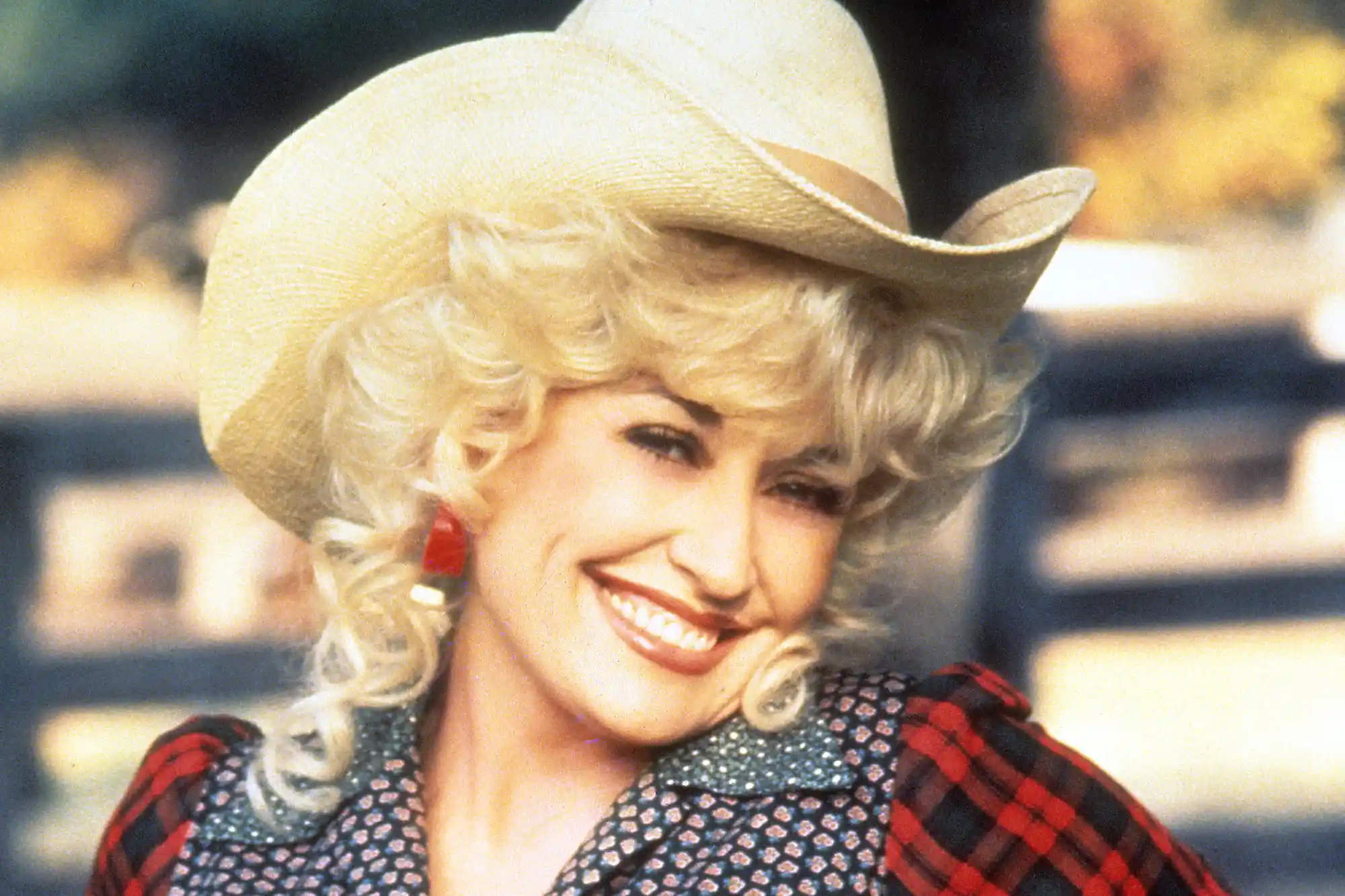
Despite becoming one of the world’s most recognizable entertainers, Parton continued to embrace her Appalachian roots.
Dollywood, the Tennessee theme park she opened in 1986, includes a replica of the cabin where she grew up—a permanent reminder of the enormous distance between her childhood and the life she eventually created.
Her upbringing also influenced her philanthropy. The Imagination Library, which provides books to young children, became one of her most important charitable achievements.
Parton’s own journey from a poor mountain family to global fame gave special meaning to her belief in education, dreams and hard work.
A Dream That Became Reality
Looking back late in her life, Parton said she was grateful that she had been able to see her childhood dreams come true.
But she never described success as simply becoming rich or famous. For her, the real goal was succeeding at the work she loved while being able to help the people she cared about.
The little girl singing into a tin-can microphone in the Tennessee mountains eventually became a global superstar.
But even after decades of fame, Dolly Parton never stopped recognizing the girl who started it all.