Fatal Florida Crash Investigation Reveals Conflicting Witness Accounts Before Driver Faces Manslaughter Charge
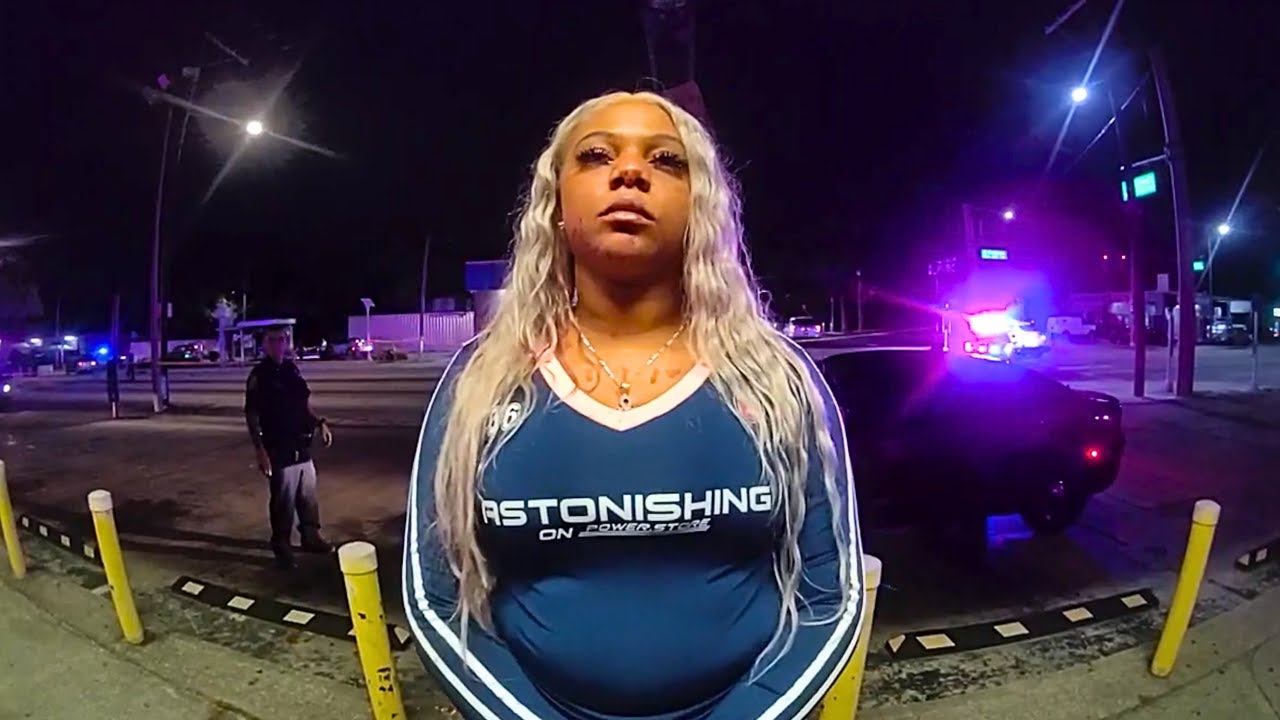
A late-night crash that killed a pedestrian quickly became a complicated police investigation after witnesses gave conflicting accounts of how the man entered the roadway and whether the driver had any realistic opportunity to avoid hitting him.
Body-camera footage from the scene shows officers trying to reconstruct the moments before the collision while simultaneously dealing with injured occupants, shaken witnesses and questions about whether alcohol may have played a role.
At the center of the investigation was a female driver who told officers that she never saw the pedestrian until he was directly in front of her vehicle.
By the end of the night, she would face charges including DUI, driving without a license and vehicular manslaughter.
A Normal Night Turns Fatal
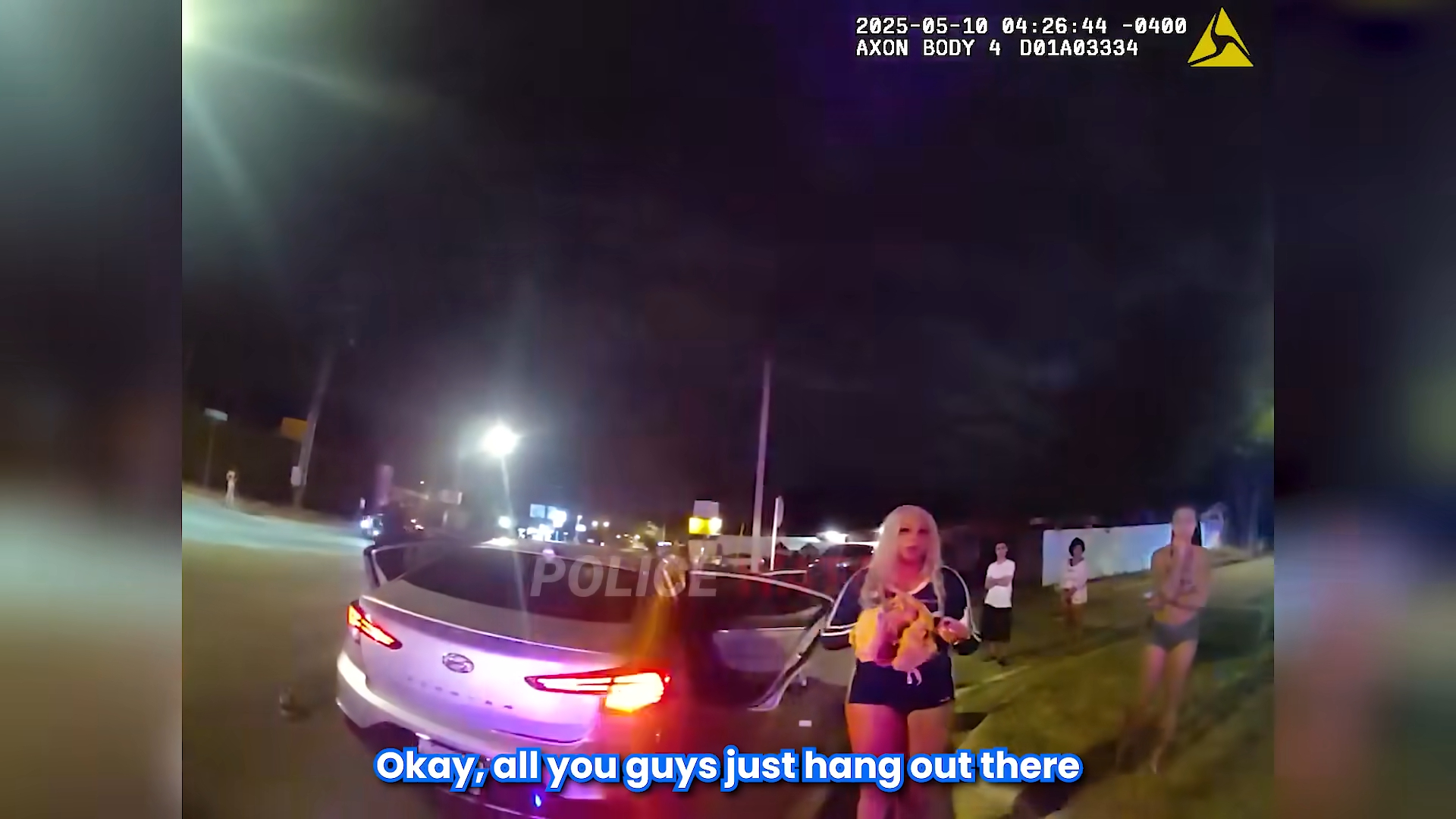
The footage opens in the immediate aftermath of the crash.
Officers arrive to find a chaotic scene involving several women who had been inside the vehicle, witnesses nearby and a severely injured pedestrian.
One passenger tells police that the man “ran out in the middle of the street out of nowhere” before the vehicle struck him. She says she does not know whether he had been drinking.
Another occupant reports cuts from broken glass, while someone else says her lips feel as though glass may have struck them.
Officers quickly begin trying to determine whether anyone actually saw the impact.
One witness says she did not see the collision itself but saw the pedestrian “flying” through the air after hearing the impact.
Another witness describes seeing the scene only through a mirror.
Those fragments of information create the first major challenge for investigators: everyone appears to have seen a slightly different part of the event.
Questions Emerge About the Pedestrian
As police continue interviewing people at the scene, another layer of confusion develops.
A woman nearby tells officers she had met the pedestrian a few weeks earlier and knew that he drank, but she repeatedly insists she did not know him well.
Other witnesses say that this woman had earlier told them something more specific — that the pedestrian had lost his animals and may have been distressed.
At one point, officers confront her about those statements.
She pushes back, saying the animals had not died and insisting that all she knows is that the man was struck by a car.
Police note that her account appears to be changing.
Several women from the car, however, say they were told that the man had been an alcoholic and had discussed harming himself.
One passenger later repeats that a woman at the scene told her the pedestrian had recently lost his pets and had talked about “unalive” behavior.
The footage does not establish whether those claims were accurate.
But they become relevant because multiple witnesses describe the pedestrian as suddenly entering the roadway.
Witnesses Disagree on Where He Came From
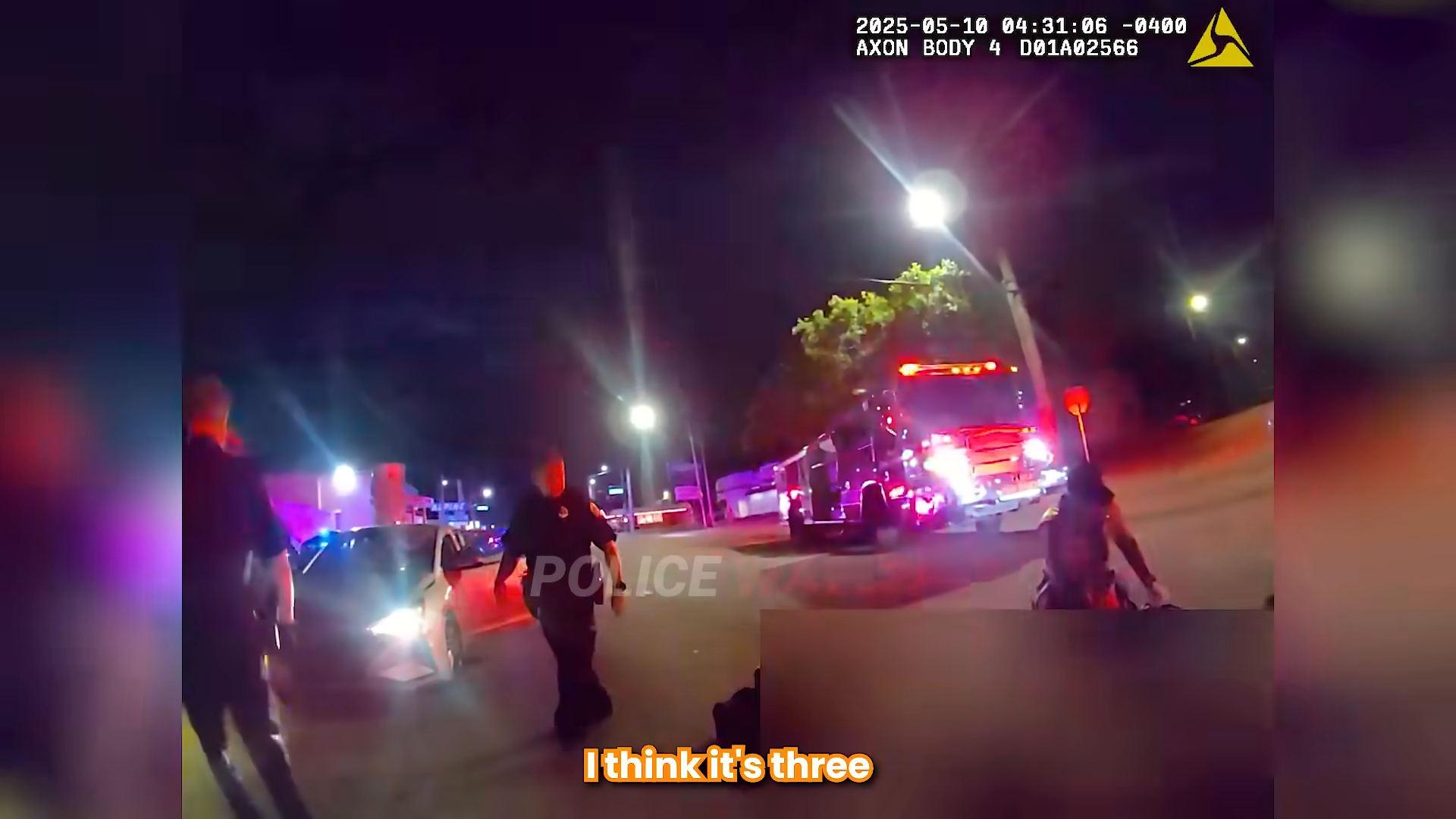
Officers spend considerable time mapping out the direction the pedestrian traveled.
Some witnesses say he stepped out from near bushes and a trash can.
Others describe him moving across the roadway from west to east.
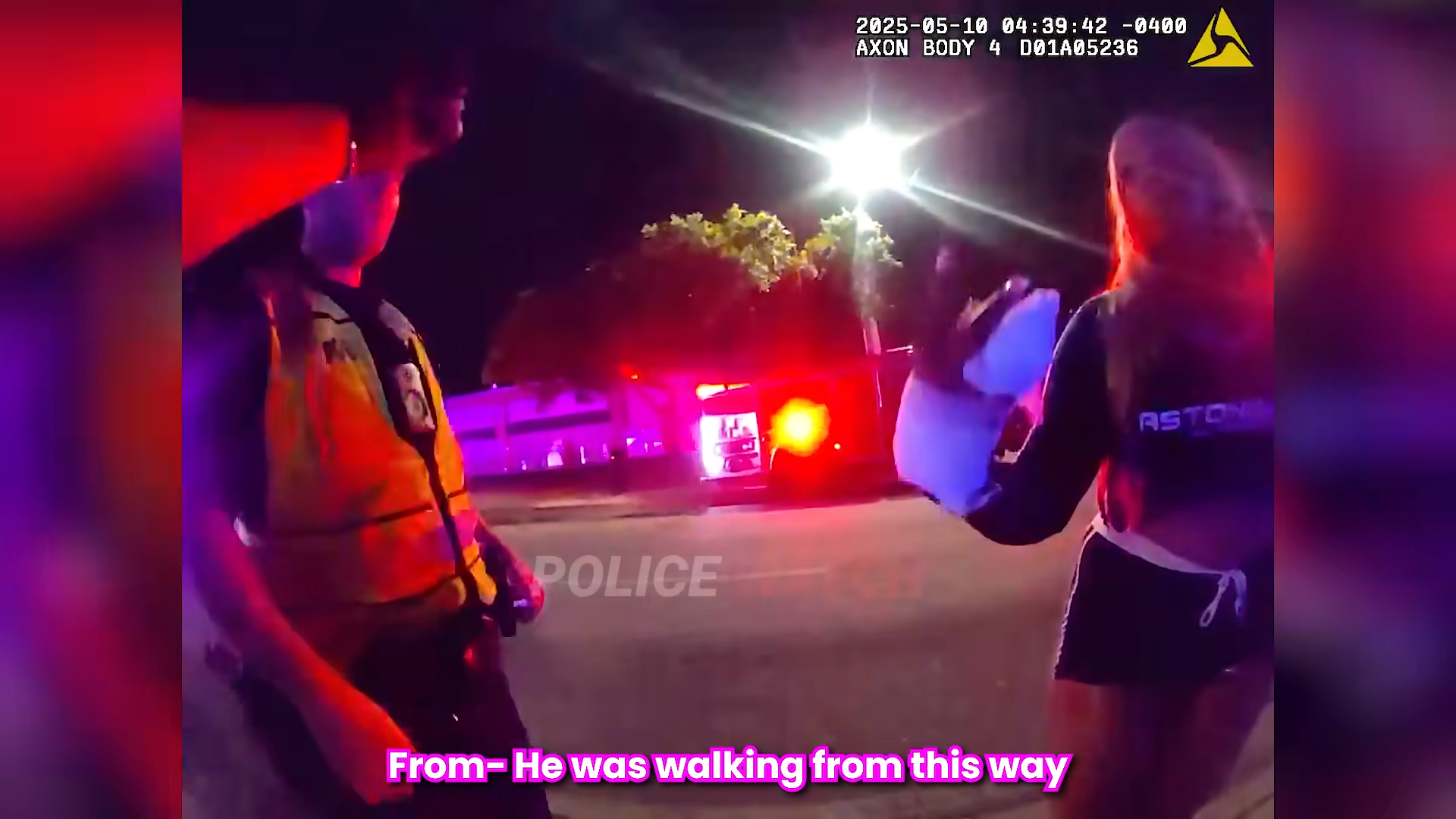
One woman says it appeared as though he had only taken one or two steps into the lane before impact.
Police openly discuss the inconsistency.
“Stories of what they saw is different,” one officer notes.
That inconsistency matters.
If the pedestrian suddenly stepped into traffic, the driver may have had little time to react.
If he had been visible while crossing for a longer distance, investigators would need to determine why the driver did not see him sooner.
The driver’s own account becomes critical.
The Driver Says She Never Saw Him Coming
After being advised of her rights, the driver agrees to speak with investigators.
She says she had been traveling at approximately 28 to 30 mph in an area where she believed the speed limit was 35 mph.
She tells officers she was monitoring both her GPS and her speedometer while driving.
Then, she says, the pedestrian suddenly appeared directly in front of her car.
“Honestly, truthfully, I did not see him until he was directly in front of my car,” she tells police.
She says she cannot tell whether he had been running, walking or standing still because everything happened too quickly.
The driver also tells officers her headlights were dim, limiting how far she could see.
She says that when she finally saw the pedestrian, she could make out only his shirt and shorts before the collision.
After the impact, she says she immediately hit the brakes.
She also admits that the brakes themselves did not always function perfectly, telling officers they sometimes “skip” when pressed hard.
Shock After the Collision
The driver describes going into shock immediately after the impact.
She says she saw blood and initially did not understand what had happened.
Her younger sister got out first.
When the driver finally exited the vehicle, she realized they had hit a person.
She says she approached the pedestrian, attempted to see if he would respond and observed that he was still breathing.
Passengers describe similar panic.
One says she originally thought the vehicle had struck another car because of the loud impact. When she got out and saw shoes on the road, she realized something much more serious had occurred.
The pedestrian ultimately died.
Police later explain to the driver’s mother that the death is why investigators are treating the scene as a major crash investigation and carefully reconstructing what happened.
Police Begin Looking at Possible Impairment
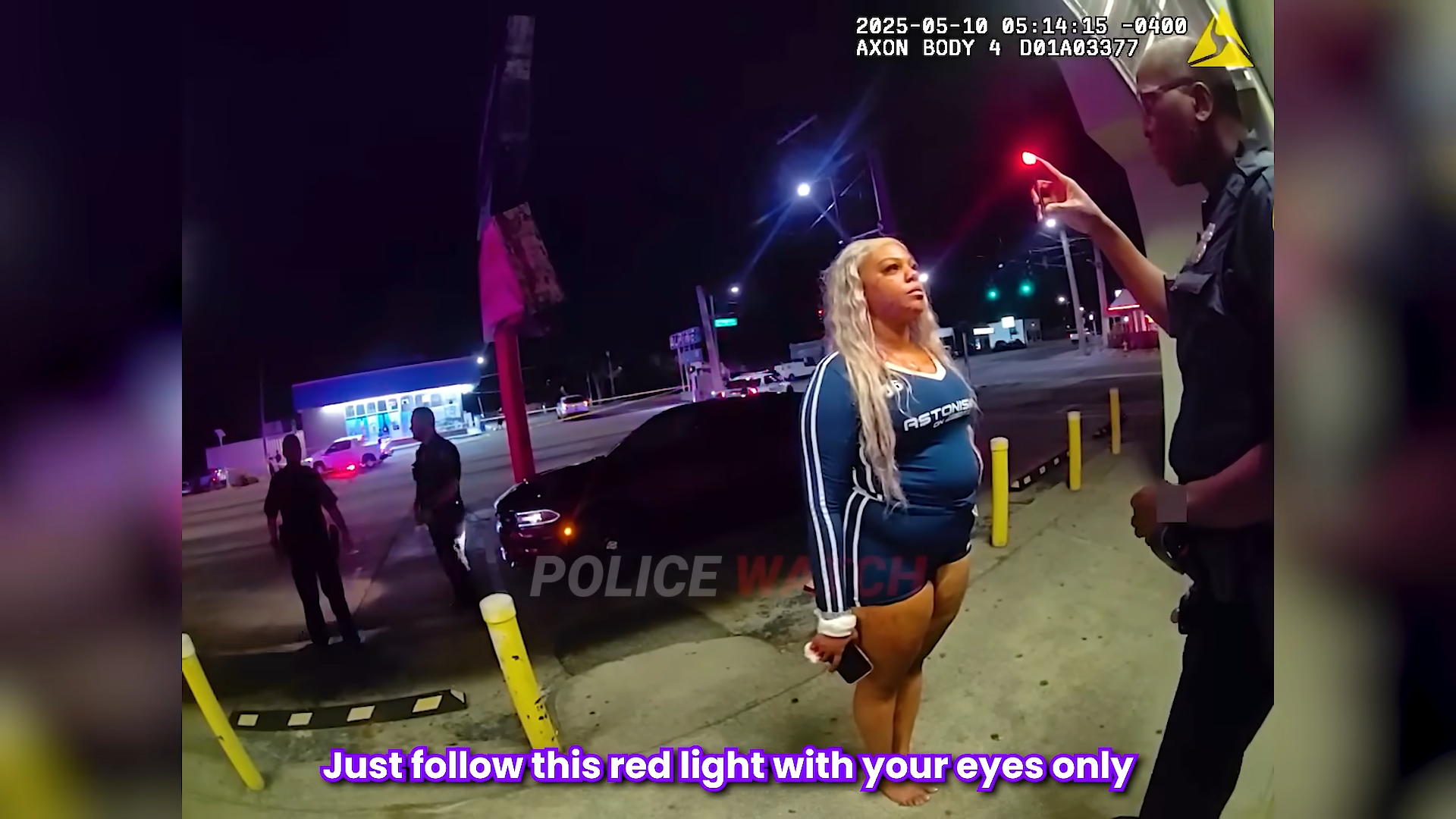
As officers interview the driver, they also begin evaluating whether she may have been impaired.
One officer tells her that although she denies consuming alcohol, he sees indicators in her eyes that lead him to conduct field sobriety exercises.
The driver says she has an old ankle injury that affects her balance.
She completes a walk-and-turn exercise and a one-leg stand while officers observe her performance.
She repeatedly tells them she is nervous.
An officer tells her to take her time and compose herself before continuing.
After the exercises, police tell her she is being detained and that detectives need to speak with her.
The investigation has clearly shifted from simply documenting a tragic collision to determining whether criminal behavior contributed to the death.
The Case Ends With Serious Charges
The transcript does not provide a complete courtroom history or final disposition.
But it does identify the charges filed against the driver.
According to the closing narration, she was charged with DUI, driving without a license and vehicular manslaughter.
The result underscores how quickly a fatal traffic collision can evolve into a complex criminal investigation.
Police were not dealing with a simple question of whether a car struck a pedestrian.
They had to determine where the pedestrian came from, how visible he was, whether he stepped suddenly into traffic, whether the driver was distracted, whether her vehicle had mechanical problems and whether impairment played a role.
The witnesses did not all agree.
The driver maintained that the man appeared directly in front of her without warning.
Others described him running or stepping into the road.
And one witness’s account about the pedestrian’s condition and state of mind appeared to change as the night progressed.
What remained undisputed was the outcome.
A man was dead.
And by the end of the investigation, the driver who said she never saw him coming was facing some of the most serious charges that can result from a traffic crash.