Hollywood Wanted Optimus Prime for the 2007 Transformers Movie — But Peter Cullen Wasn’t Guaranteed the Job
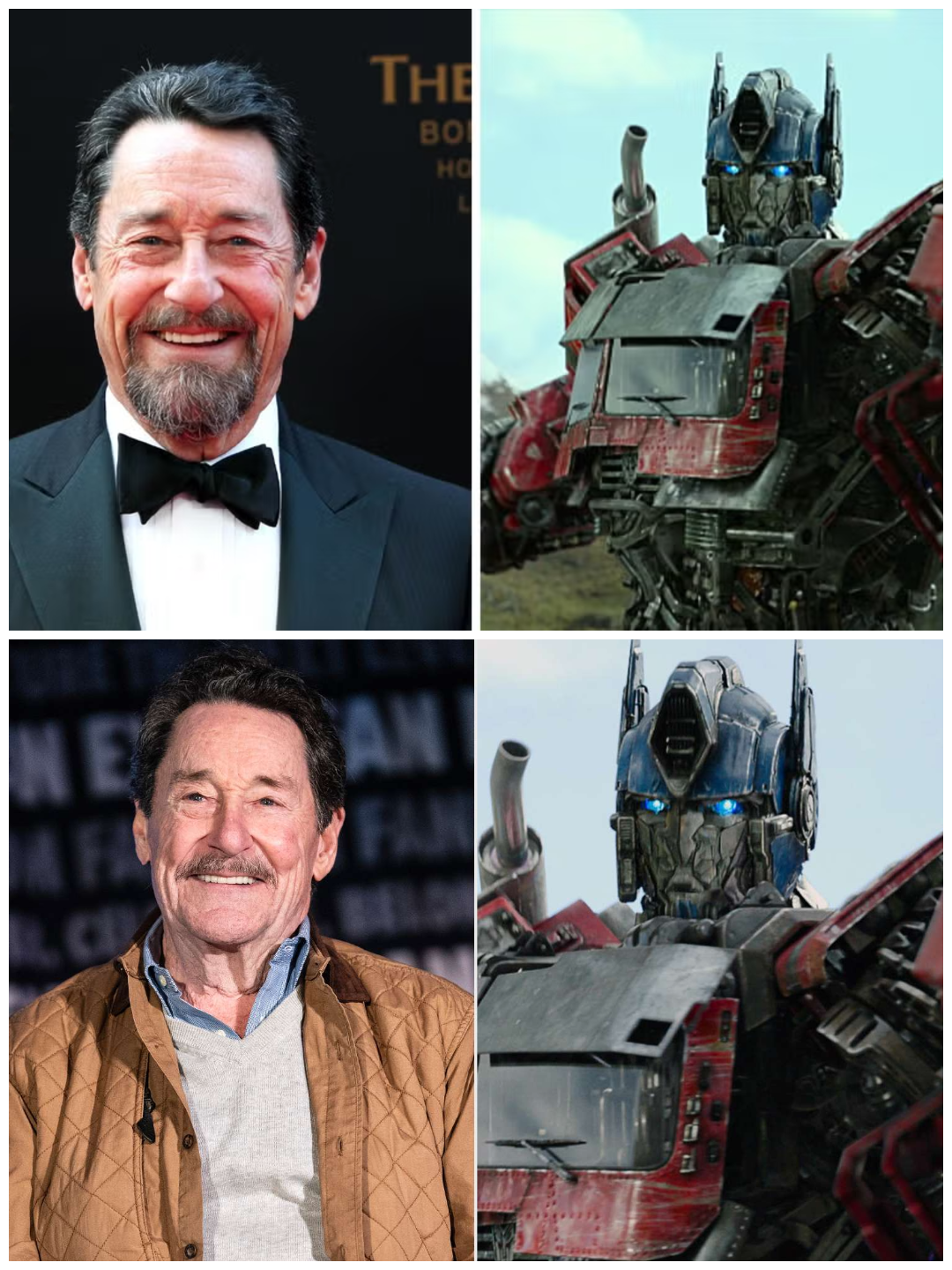
When Hollywood decided to turn Transformers into a massive live-action movie, one casting decision seemed as though it should have required almost no discussion.
Optimus Prime needed a voice.
Peter Cullen had already given him one.
Since 1984, Cullen’s deep, measured performance had defined the Autobot leader for a generation of children. Fans knew the sound instantly. Optimus could command an army, deliver a warning or offer reassurance, and Cullen somehow made all three sound as though they came from the same character.
So when Michael Bay began building the 2007 Transformers movie, fans had a simple expectation:
Call Peter Cullen.
Hollywood was not nearly as certain.
Cullen eventually returned to the role that made him famous, but first he had to prove that the voice audiences already considered inseparable from Optimus would work in a completely different kind of movie.
Not once.
Not twice.
Cullen said he auditioned three times.
Twenty Years Had Changed Everything
The Optimus Prime Cullen first played in 1984 existed in a Saturday-morning cartoon.
The new Optimus was going to be something else entirely.
Bay’s movie would put giant computer-generated robots into real streets alongside human actors. Optimus would no longer occupy a television screen as a painted animated character.
He would stand roughly 40 to 45 feet tall beside Shia LaBeouf and the rest of the live-action cast.
That created a question for the filmmakers.
Could Cullen’s performance make that transition?
Cullen later recalled that Bay and others involved in production were genuinely concerned about whether he could “act” Optimus convincingly in a live-action environment.
“The character traits were ultimately for me going to be the same,” Cullen explained, but the scale had changed dramatically.
He had to figure out how the same character could speak believably while towering over real human beings.
For fans, Cullen already was Optimus Prime.
For the people risking millions of dollars on a blockbuster, nostalgia alone was apparently not enough.
Then Something Strange Happened at His First Audition
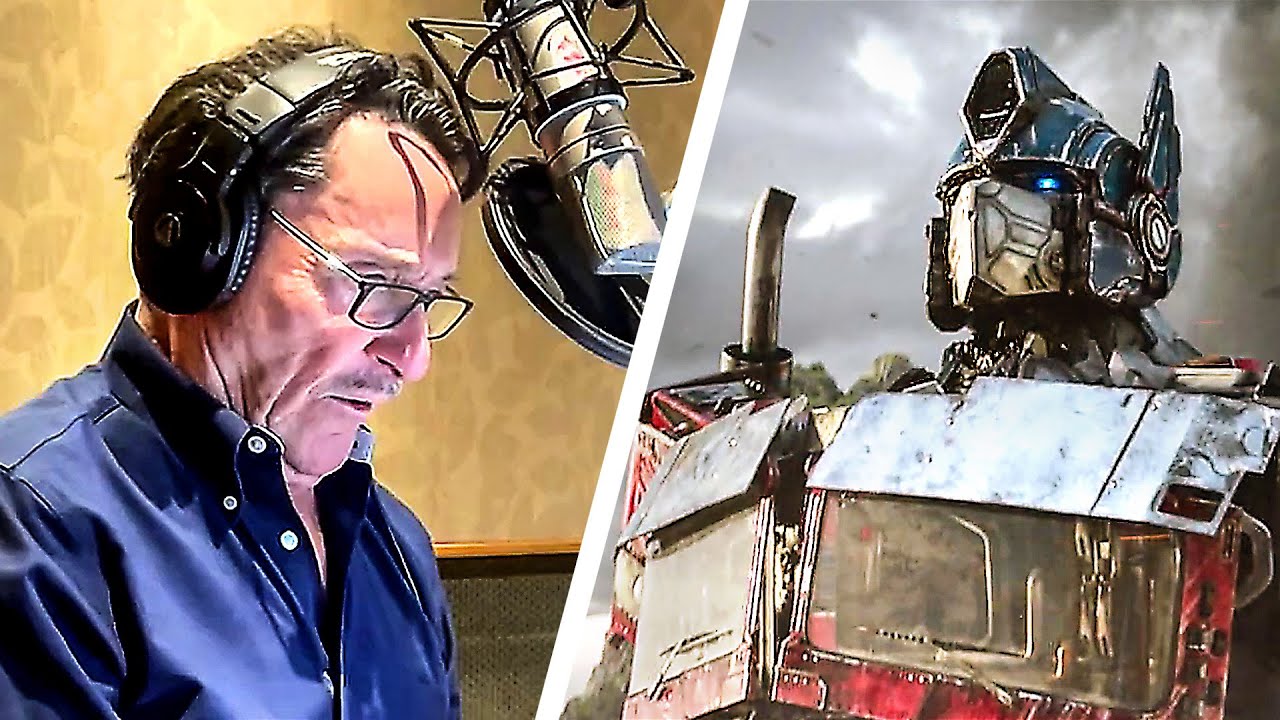
Cullen’s first meeting with Bay produced one of his favorite stories about returning to the franchise.
The audition scene involved Optimus speaking with another Autobot: Ironhide.
A young woman had been assigned to read Ironhide’s lines opposite Cullen.
There was just one amusing problem.
Cullen had voiced Ironhide too.
During the original animated series, voice actors regularly performed several characters in the same recording session. Cullen therefore suggested that he simply perform both sides.
Bay apparently had not expected that.
Cullen switched from Optimus into Ironhide and began essentially having a conversation with himself.
He later remembered Bay looking stunned by the sudden transformation.
It was a reminder of the strange skills voice actors develop.
Cullen was not merely “the guy with the Optimus voice.”
He had spent decades building characters almost entirely through sound.
But even that first audition did not settle the question.
Bay brought him back.
And then brought him back again.
“I had to audition a total of three times,” Cullen later said. “They weren’t quite convinced.”
Cullen Actually Understood Why They Were Nervous
It would have been easy for Cullen to resent the process.
He had originated the role.
Why should the man who taught the world what Optimus Prime sounded like need to audition for Optimus Prime?
But Cullen later said he understood.
A big-budget live-action movie was very different from the television series he had made two decades earlier.
With enormous amounts of money involved, nobody wanted to make the wrong decision.
“It’s kind of surreal to audition for a character that you basically created,” Cullen later said of the experience.
At the same time, he knew there was one thing he was not willing to sacrifice simply to get the job.
Optimus’ character.
In a 2007 interview, Cullen said that if the filmmakers had asked him to fundamentally change Optimus, he would have declined.
Returning to the voice itself was easy.
“It was like riding a bike,” he explained.
The harder question was whether Hollywood’s new version would preserve what Optimus represented.
Cullen Was Protective of Optimus for a Reason
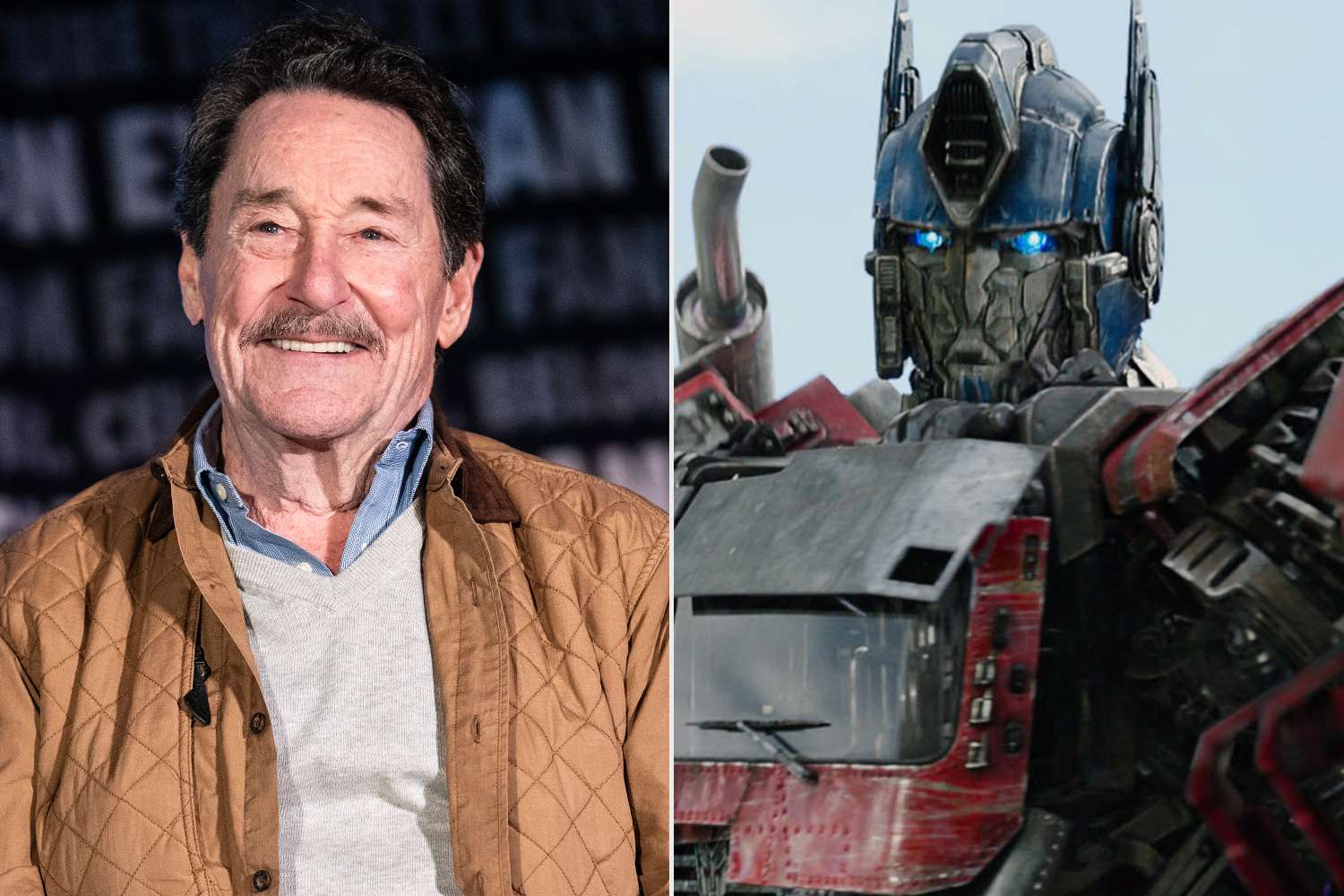
Cullen had never built Optimus as a stereotypical tough guy.
When he originally auditioned in the 1980s, he modeled the character partly on his older brother Larry, a Marine veteran.
Larry had taught him that a real hero did not need to shout constantly or prove how powerful he was.
That idea gave Cullen’s Optimus unusual warmth.
He was authoritative without being cruel.
Powerful without being arrogant.
Cullen wanted that core to survive the transition into Bay’s louder, more physically overwhelming world.
Sometimes that meant adjusting.
The live-action Optimus needed to interact conversationally with humans in a way the cartoon version rarely had.
Cullen remembered one scene in which Optimus stood outside Sam Witwicky’s home and accidentally stepped into the garden.
When Sam objected, Optimus responded, “My bad.”
Cullen initially thought the phrase sounded ridiculous coming from Optimus.
Then he realized it worked.
Bay was allowing the giant robot to become slightly more human without destroying the qualities Cullen considered essential.
Fans May Have Helped Get Cullen Through the Door
There was another factor working in Cullen’s favor.
The fans.
By the time the live-action movie entered production, the children who had grown up watching Transformers in the 1980s were adults.
And many of them were vocal about wanting the original Optimus back.
Cullen later said he believed that fan support was enormously important.
“The determination of the fans was overwhelmingly influential in getting me in there,” he said in a later interview.
In another 2007 conversation, he went even further.
Cullen said he believed that without the fan base, he might never have gotten the role at all.
He thanked those fans directly for helping make his return possible.
That makes the casting story particularly remarkable.
Hollywood was uncertain whether a voice created for an ’80s cartoon could survive inside a modern blockbuster.
The audience was essentially saying: That voice is the character.
Eventually, Bay agreed.
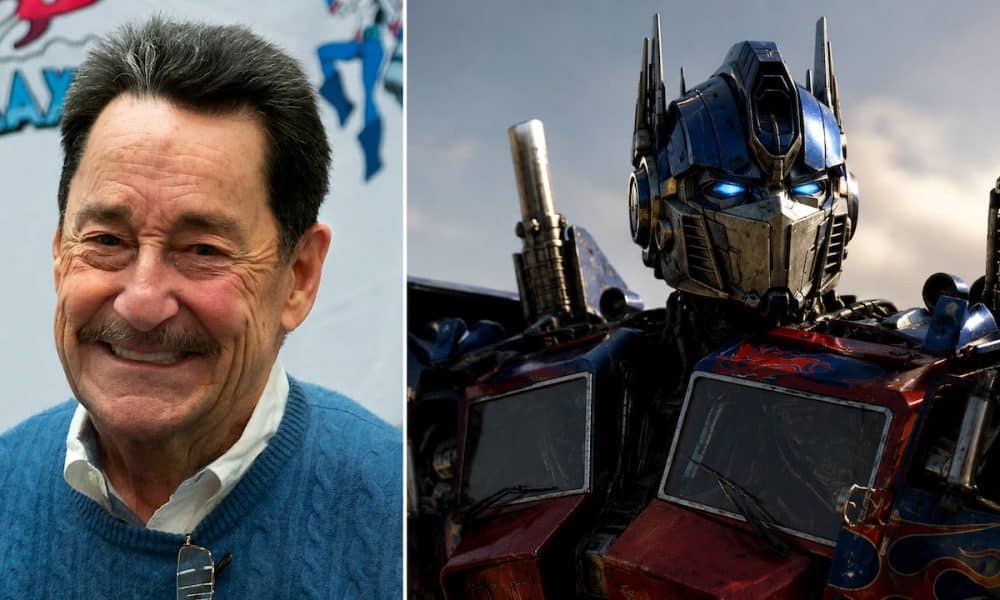
Then the Opening Words Changed Everything
When Transformers opened in July 2007, audiences did not have to wait long to discover whether Cullen had returned.
The film begins in darkness.
Then comes the voice.
“Before time began, there was the Cube…”
For longtime fans, Cullen’s narration immediately connected Bay’s radically redesigned robots with the Transformers they remembered from childhood.
The visual world had changed almost completely.
Optimus was now a Peterbilt truck instead of the familiar flat-front Freightliner design.
The robot itself contained vastly more mechanical detail.
Human actors stood beside him.
But the voice survived.
Cullen’s performance became a bridge between two generations of Transformers.
And the three auditions became almost absurd in retrospect.
He Kept Coming Back
The 2007 movie became a worldwide blockbuster and launched a live-action franchise.
Cullen returned for Revenge of the Fallen, Dark of the Moon, Age of Extinction and The Last Knight.
He later voiced Optimus again in Bumblebee and 2023’s Transformers: Rise of the Beasts.
By then, the question was no longer whether Peter Cullen’s voice could work with a giant live-action Optimus Prime.
It was difficult for many fans to imagine anybody else doing it.
Cullen died on Aug. 26, 2026, at age 85, leaving behind a career that stretched far beyond Transformers but remained permanently linked to the Autobot leader he first voiced more than four decades earlier.
That makes the story of the 2007 auditions even stranger today.
Hollywood wanted Optimus Prime.
It already had the man who had defined him.
But before Peter Cullen could say “Autobots, roll out” for a new generation, he had to walk into a room and convince everyone — three separate times — that he could still be Optimus Prime.
The fans, it turned out, had been convinced all along.