Illinois Man Confesses to Killing Wife, Drives for Hours With Her Body Before Friend Calls Police
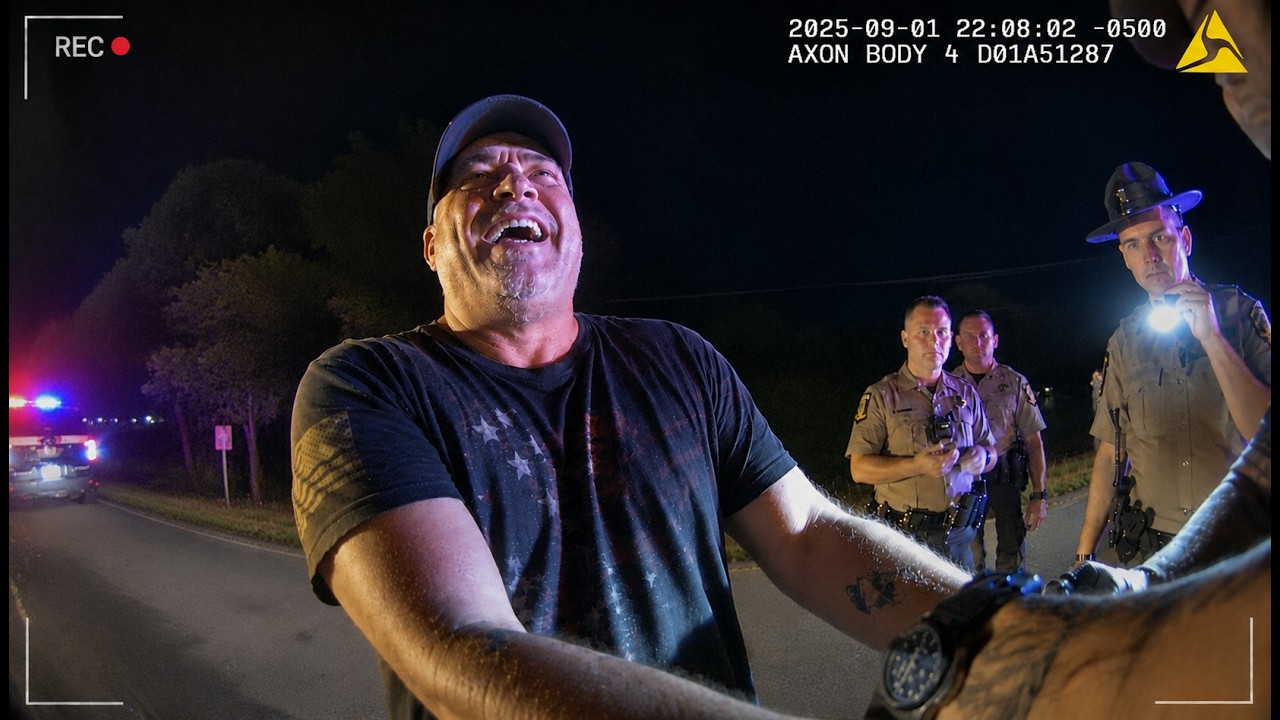
A chilling confession to a longtime friend set off a murder investigation in Southern Illinois after a man allegedly admitted that he had shot his wife, placed her body in his vehicle and spent hours driving through rural roads without a clear destination.
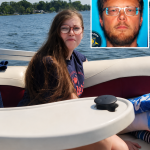
The victim was later identified as 42-year-old Amy Jo Finney.
Her husband, 51-year-old John Finney, would eventually be convicted of first-degree murder and sentenced to 75 years in prison.
But the case did not begin with a frantic 911 call from the scene of a shooting.
It began the following day, when Finney went to the home of a friend he had known for decades and told him something almost impossible to process.
“I shot my wife last night.”
A Friend Hears a Confession He Never Expected
The friend later told deputies that Finney arrived intoxicated and asked to come inside.
Once there, Finney allegedly said he had shot his wife “through the heart” and that she had died in the kitchen.
At first, the friend did not believe him.
Then Finney took him outside.
According to the friend, Finney opened the back of his vehicle and uncovered part of a body wrapped in a dark blanket.
The friend immediately recognized Amy.
He also remembered the odor.
Finney reportedly asked him not to turn him in and repeatedly asked what he should do.
The friend later admitted that he pretended he would not call police because he was afraid Finney might still be armed.
Once Finney left, however, he contacted law enforcement.
That decision changed the entire course of the case.
Police Initially Stop the Wrong Vehicle
Deputies quickly began looking for a vehicle matching the description associated with Finney.
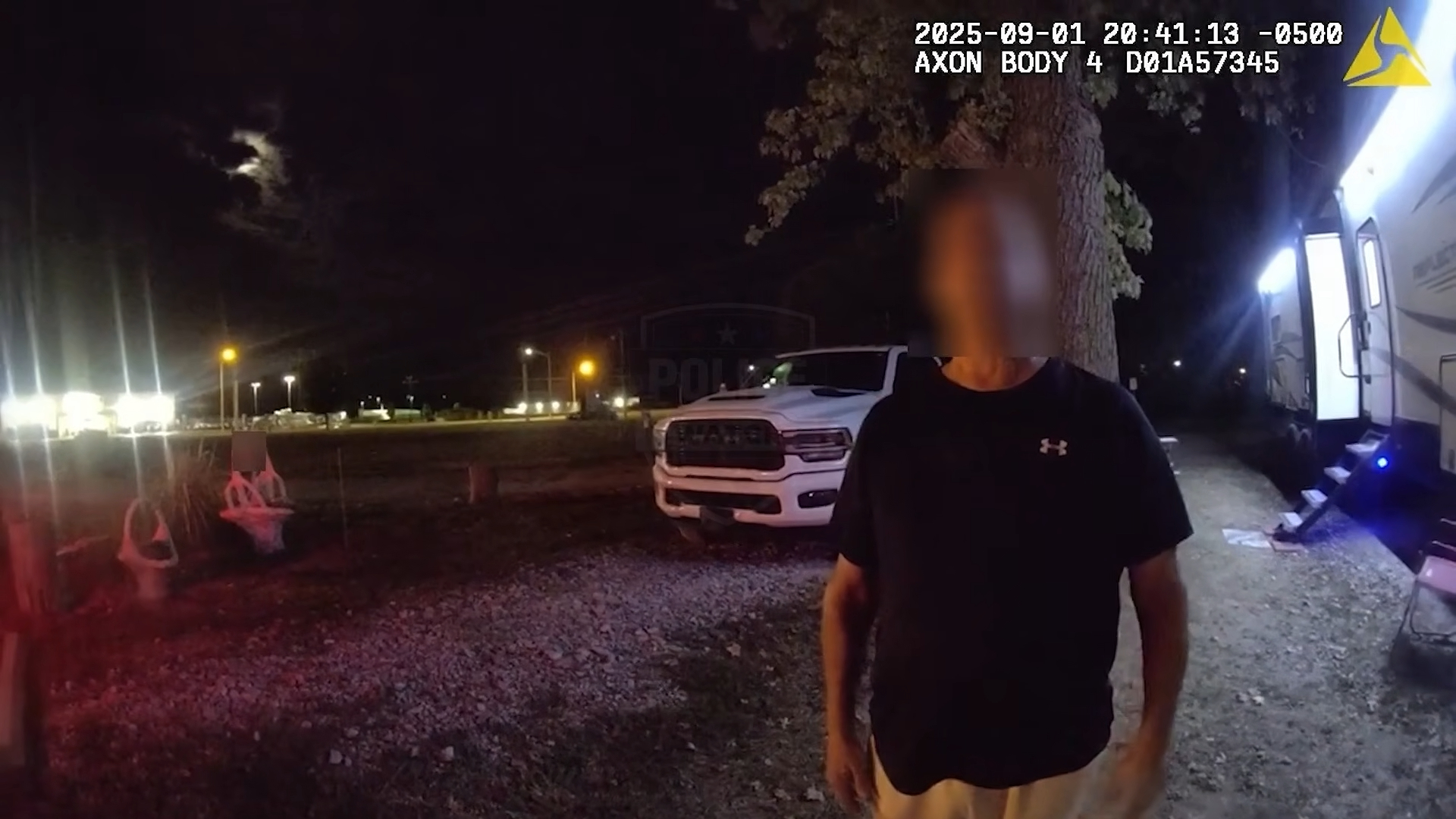
At one point, officers stopped a similar SUV near an RV park.
The driver explained that he had stopped only to buy ice and was heading to work.
After checking his identification, officers determined he was not the man they were seeking and released him.
Investigators then returned to the friend and asked for more detail about the body, the vehicle and Finney’s statements.
The friend told them Amy had been covered in a blanket in the rear cargo area and appeared to be curled into a fetal position.
He said Finney had spoken about possibly going toward Rend Lake and had asked whether his friend intended to call police.
The friend again explained that he had lied because he was afraid.
“He was drunk and not in his right mind,” he told deputies.
Evidence at the Home Begins to Match the Story
While one team searched for Finney’s vehicle, others went to the couple’s home.
The friend had told deputies that the shooting happened inside and that Finney later moved Amy’s body to his vehicle.
Investigators secured the residence and began looking for signs that the story was true.
Initially, there was no obvious blood inside.
Then deputies noticed what appeared to be blood on the front porch.
The emerging evidence appeared to support key parts of the friend’s account.
According to the information relayed among officers, Finney had said the couple had been arguing throughout the day before he pulled out a 9mm Smith & Wesson and shot Amy.
He then allegedly moved the vehicle behind the house, dragged her body outside and placed it inside the SUV.
By then, police had also obtained a location ping associated with the vehicle.
The search was narrowing.
Finney Is Located on a Dark Rural Road
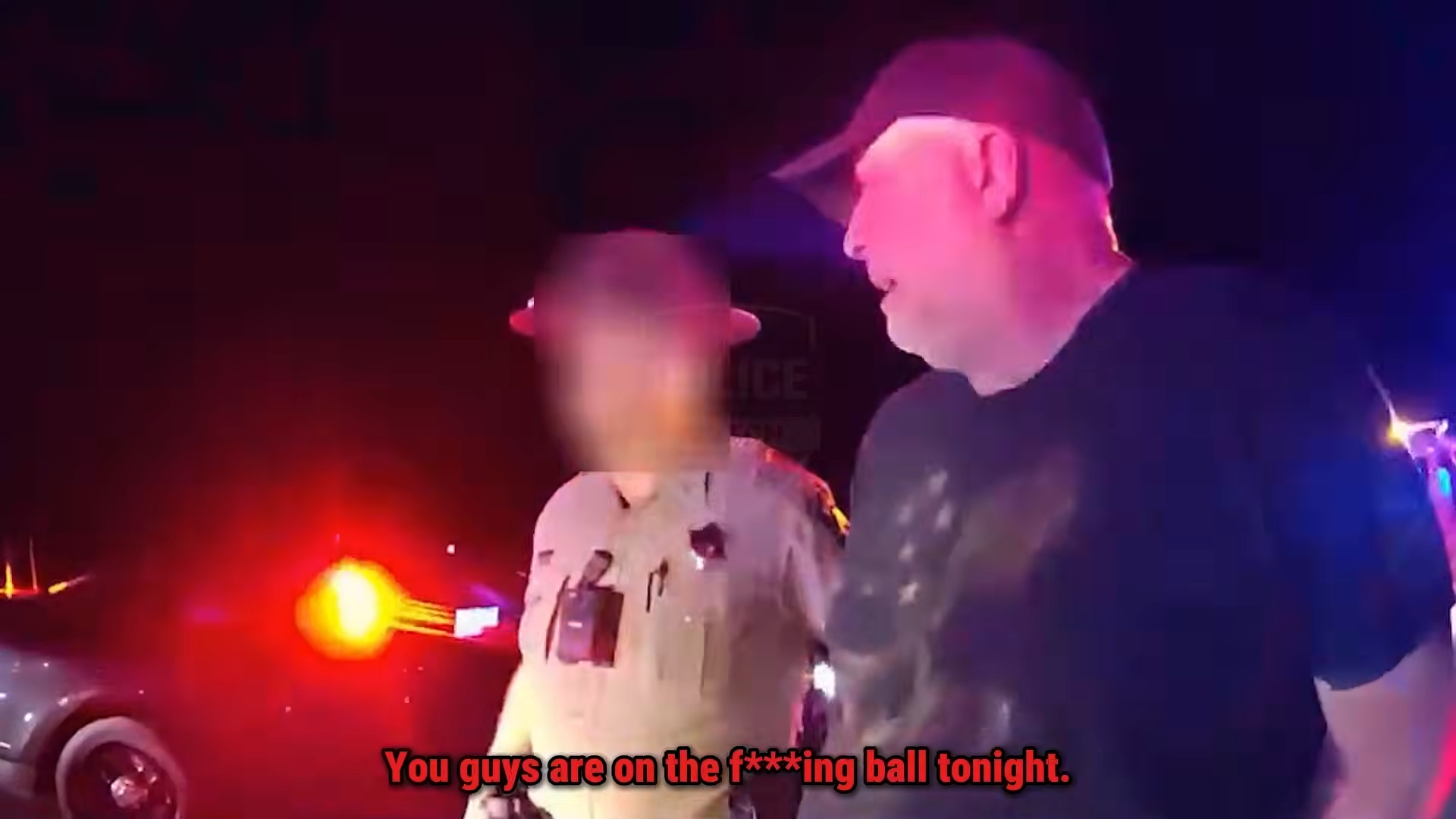
Eventually, law enforcement located the SUV and took Finney into custody outside DuQuoin.
What struck investigators was how calm he appeared.
There was no dramatic denial.
No obvious attempt to invent another story.
After being advised of his rights, he began talking.
“I messed up, man,” he told a detective.
He then described the argument with Amy and what happened next.
According to Finney, the couple had been drinking.
He said Amy had been upset throughout the day and that a phone conversation later that night pushed him over the edge.
He told the detective that he grabbed a 9mm handgun and shot her.
When asked where the bullet struck, he said through the back and chest.
He also told police the gun was still at the house.
“Shot Her, Then I Went to Sleep”
The most disturbing part of the confession came when detectives asked what Finney did after the shooting.
His answer was strikingly matter-of-fact.
“Shot her, then I went to sleep.”
According to his statement, the shooting happened at approximately 9 p.m. Sunday.
Around 4 a.m. the following morning, he woke up and moved Amy’s body into his vehicle.
He then spent hours driving around.
“I didn’t know what to do,” he told detectives.
Finney said both he and Amy had been intoxicated and described their relationship as troubled.
He spoke about previous arguments and frustrations over money, alcohol and Amy’s health.
Investigators also asked about the weapon.
Finney identified it as a 9mm and even told officers it was one of his favorite guns.
He later consented to police recovering firearms from the house, although investigators said they intended to obtain search warrants regardless to preserve the integrity of the case.
Investigators Recover the Body Before It Can Be Dumped
Deputies later reflected on how close the case may have come to becoming far more difficult.
One officer noted that recovering the SUV when they did allowed investigators to find Amy’s body before Finney could dispose of it.
Officers believed he may have been considering one of several secluded access points near bodies of water.
Instead, his friend’s call allowed police to locate him while Amy was still inside the vehicle.
That gave investigators the body, the suspect and, soon afterward, the suspected murder weapon.
It also allowed them to reconstruct the timeline with unusual clarity.
Phone data later showed Finney driving around rural roads throughout the day.
The footage describes him as circling the county for hours with no clear destination before eventually visiting the friend who alerted police.
A Jury Convicts Him of First-Degree Murder
The case ultimately went to trial.
According to the closing summary in the footage, Amy Jo Finney was 42 years old, and the shooting occurred at the couple’s home on North Illinois Highway 148 south of Mount Vernon.
Finney was charged with first-degree murder and pleaded not guilty.
His case went before a jury during a four-day trial.
The defense called no witnesses, and Finney did not testify.
After approximately three and a half hours of deliberation, the jury found him guilty and also found that he had used a firearm in the killing.
The judge sentenced him to 75 years in prison, to be served day-for-day.

The Friend’s Phone Call Became the Turning Point
The most consequential decision in the entire case may have come before police ever saw Finney.
For hours after the killing, according to the evidence described in the footage, Finney drove with Amy’s body in his SUV.
He did not call police.
He did not surrender.
Instead, he eventually went to someone he trusted.
That friend listened while Finney allegedly confessed and showed him the body.
Faced with a choice between loyalty and the reality of what he had just seen, the friend told Finney what he needed to hear to safely get him out of the house.
Then he called law enforcement.
That call gave investigators a suspect, a vehicle description, a location trail and a chance to recover Amy before her body could disappear.
A case that began with one terrified friend standing at his doorway ended with a murder conviction and a 75-year sentence — and with Amy Jo Finney’s death reconstructed largely through the words of the man who killed her.