School Counselor Found Hiding in Woods With 15-Year-Old Later Pleads Guilty to Child Rape
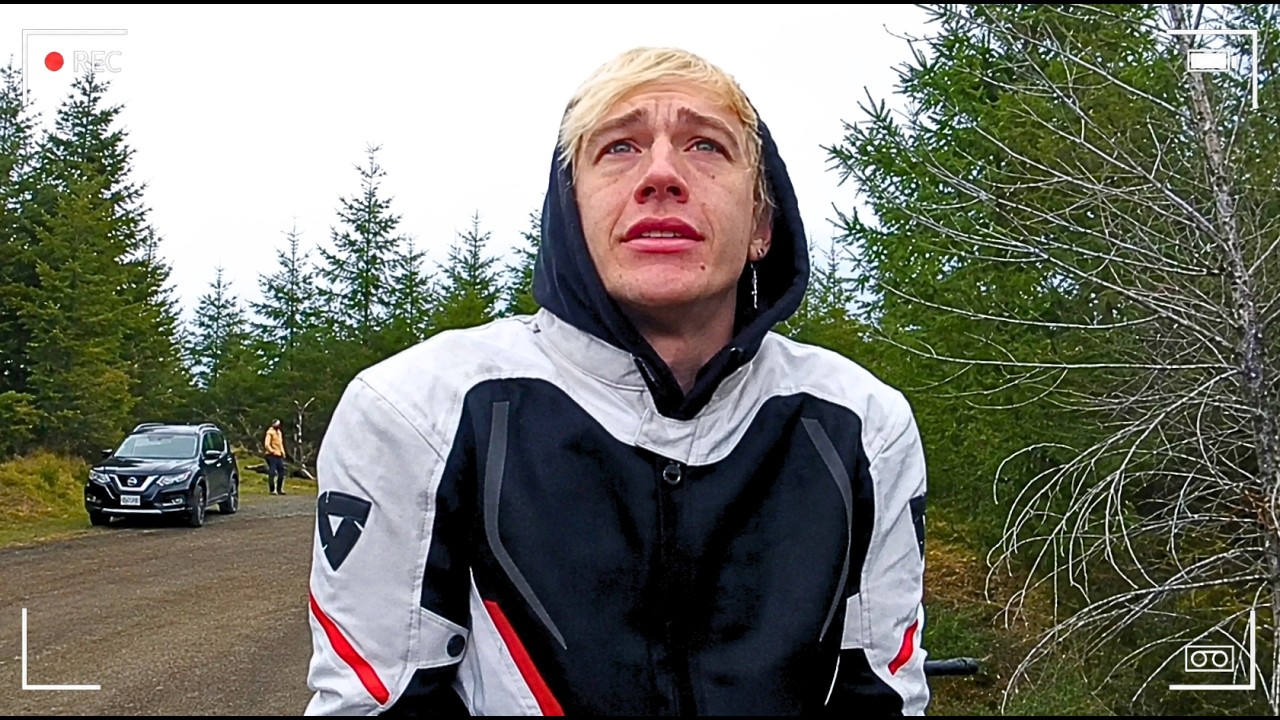
What began as a family’s desperate effort to locate a 15-year-old girl turned into a criminal investigation after deputies discovered that the adult hiding in the woods with her was not an unknown teenager, as she had initially claimed, but her 29-year-old high school counselor.
The encounter began after the girl’s family became concerned when she stopped answering her phone and her location showed that she was in an isolated wooded area.
Her mother went looking for her.
What she found immediately raised questions.
A street motorcycle was parked nearby. The girl eventually emerged from the woods, but when asked who she had been with, she reportedly claimed it was an 18-year-old boy she had met on Snapchat.
The man did not come forward.
Instead, according to officers, he remained hidden in the brush for nearly an hour.
When he finally appeared, deputies learned his identity.
He was Samuel Caffey, a 29-year-old counselor at Shelton High School.
The discovery would eventually expose a case that investigators said went far beyond a single meeting in the woods.
A Welfare Call Takes a Disturbing Turn
Police initially became involved because the teenager’s family was concerned for her safety.
Her mother told deputies that the girl had said she was going for a run but did not return when expected. When repeated phone calls went unanswered, the family used a phone-location application and found that her device was in an area they considered unsafe for a 15-year-old traveling alone.
The mother drove to the location and found the girl walking toward her.
She also noticed a motorcycle nearby.
When asked who owned it, the teenager allegedly said she had met an 18-year-old named “Ray” on Snapchat.
The family became increasingly suspicious when the supposed teenager refused to come out and introduce himself.
According to the mother, they remained at the location for more than an hour while trying to determine who was hiding in the woods.
The situation became even more serious when the girl repeatedly threatened to harm herself if her parents continued pressing her to reveal the identity of the person she had been with.
Her family eventually called law enforcement and requested help.
Only after that call was underway did the man emerge from the brush.
He was not 18.
He was her school counselor.

Deputy Questions Why a Counselor Is in the Woods With a Student
One of the first deputies to speak with Caffey confronted him directly.
“Is there any reason that a school counselor is meeting with a 15-year-old girl outside of school up in the middle of the woods?” the deputy asked.
Caffey acknowledged that the situation crossed a professional boundary.
“I would say that I crossed the line professionally,” he said.
But he denied that the encounter was what officers appeared to suspect.
The deputy remained skeptical.
The officer pointed to several circumstances that, taken together, appeared deeply troubling: Caffey was 29, the girl was 15, she had been hiding the identity of the person she was with, her phone had been left near his motorcycle, and he had remained concealed in the woods while her family tried to determine what was happening.
Two detectives were called to the scene.
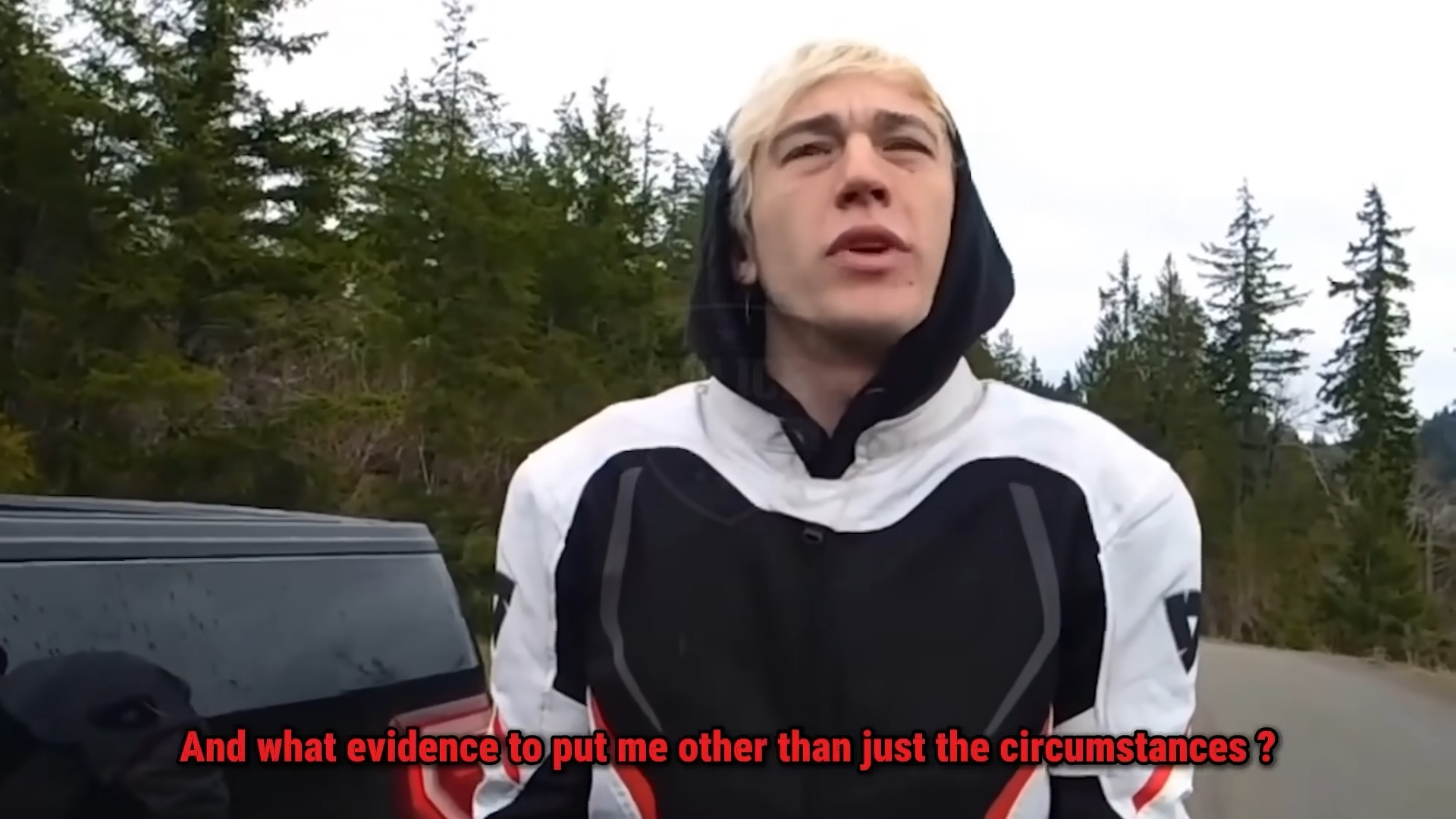
Caffey then began asking whether he was legally being detained and what crime officers believed might have occurred.
The deputy told him that investigators were considering a potential sex offense and explained that he was not free to leave while officers investigated the circumstances.
Police also temporarily seized both his phone and the teenager’s phone, citing concern that potential digital evidence could be destroyed.
At that moment, however, officers still faced a problem.
They did not yet have enough evidence to prove that a crime had occurred in the woods that day.
Police Let Him Go — But Keep Investigating
Despite the suspicious circumstances, Caffey was not immediately arrested.
The footage explains that officers were unable to establish enough evidence at the scene to definitively prove a criminal offense had taken place.
He was allowed to leave.
But the investigation did not end.
Detectives continued examining the digital evidence preserved from the phones.
According to the case summary in the transcript, what they found transformed the case.
Investigators uncovered evidence that Caffey had allegedly been supplying the 15-year-old with marijuana and unidentified pills while developing an inappropriate relationship with her.
As detectives dug deeper, additional victims came forward, expanding the case beyond the teenager found with him in the woods.
Nearly two months after the initial encounter, police returned.
This time, they had enough evidence to make an arrest.
Investigators Return With a Search Warrant
Body-camera footage later shows officers placing Caffey in handcuffs and reading him his Miranda rights.
When asked whether he wanted to speak with police, he declined.
Authorities also arrived with a search warrant for the residence connected to the investigation.
One officer explained to Caffey that the arrest represented probable cause rather than a conviction and urged him not to harm himself as the legal process moved forward.
The comments reflected another element of the investigation: the original teenage victim had already made repeated self-harm threats when the relationship was first discovered, and police were approaching the case with clear concern about the emotional consequences surrounding it.
The search and arrest marked the end of the period in which Caffey had been able to walk away from the original encounter without charges.

Other Victims Come Forward
According to the transcript’s case summary, investigators ultimately concluded that the relationship with the 15-year-old was part of a broader pattern.
The digital evidence allegedly showed Caffey providing marijuana and pills to the teenager as part of conduct investigators characterized as grooming.
As the case widened, multiple other victims came forward.
Families later filed civil lawsuits against the Shelton School District, alleging that administrators had ignored warning signs connected to Caffey’s behavior.
The transcript does not detail the final outcomes of those civil claims, but it makes clear that the criminal case proceeded.
Guilty Plea and Prison Sentence
In early 2024, Caffey pleaded guilty to third-degree rape of a child.
He was sentenced to 41 months in prison, followed by 19 months of probation.
He was also required to register as a sex offender for life.
The outcome cast the original scene in the woods in a dramatically different light.
At first, officers had only circumstances that appeared suspicious.
A teenage girl had lied about who she was meeting.
A 29-year-old school counselor had been hiding nearby.
Her phone had been left with his motorcycle.
She had threatened to harm herself if her parents discovered his identity.
But suspicion alone was not enough to justify an immediate criminal charge.
The turning point came later, through digital evidence and additional witnesses.

A Position of Trust Becomes Central to the Case
The case carried particular weight because of Caffey’s professional role.
A school counselor is expected to serve as a trusted adult — someone students can approach with personal, emotional and academic problems.
Instead, investigators concluded that Caffey had crossed boundaries with a student he was professionally responsible for helping protect.
The initial deputy recognized that concern almost immediately when he asked why a counselor would be meeting a 15-year-old secretly in the woods.
Caffey himself acknowledged that he had crossed a professional line.
What investigators later uncovered turned that concern into a criminal case.
The encounter serves as a reminder of why suspicious circumstances involving minors and adults in positions of authority can require patient, evidence-driven investigation.
Police could not prove a crime in the woods that day.
But they preserved the evidence.
They kept investigating.
And what began as a welfare call ultimately ended with a guilty plea, a prison sentence and lifetime sex-offender registration.