More Than 200 Child-Abuse Hotline Calls Were Linked to This Foster Mom — Then She Avoided Prison
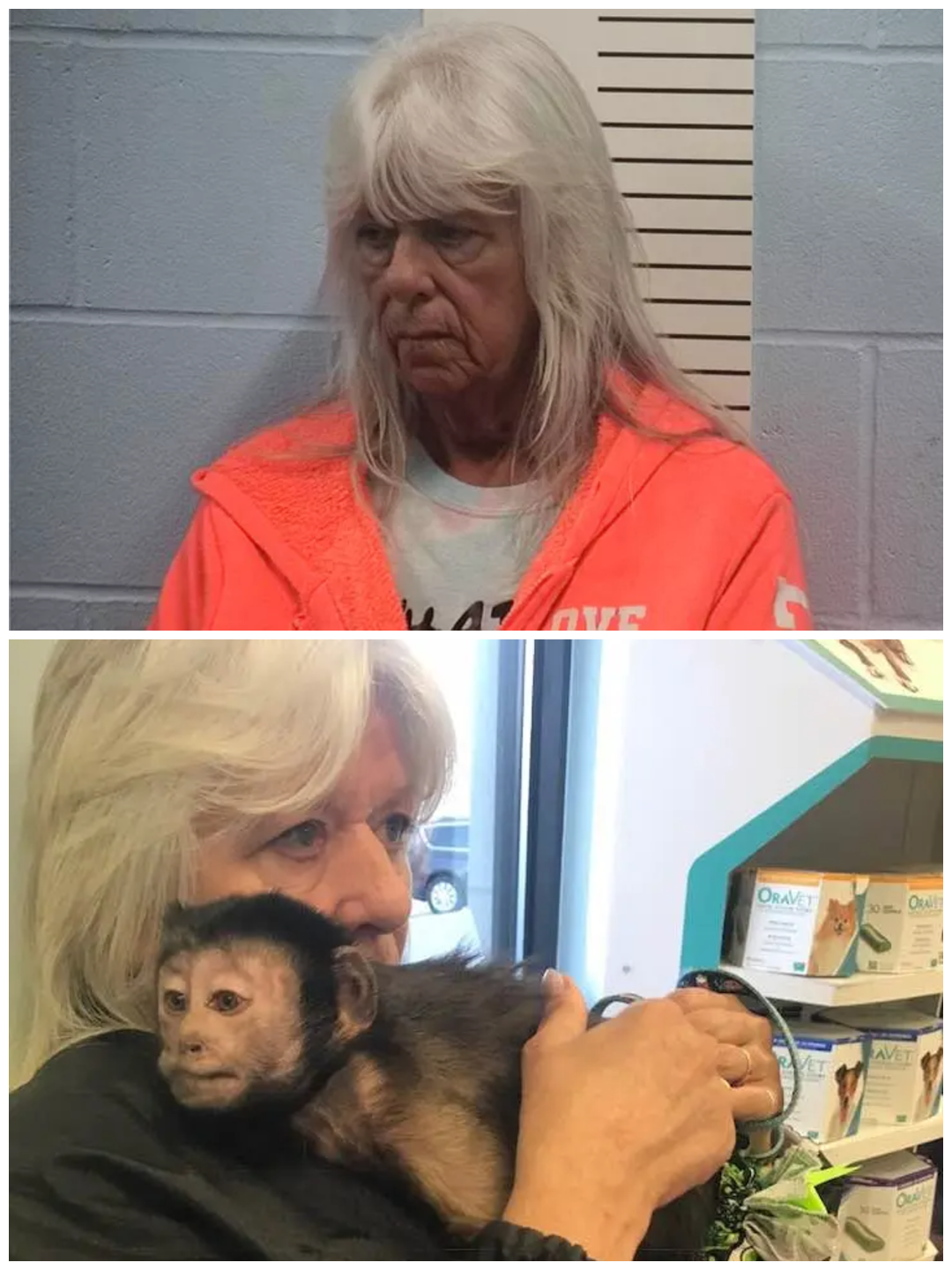
For roughly two decades, Brenda Deutsch opened her Missouri home to foster children.
By the time authorities finally brought a criminal case against her, prosecutors said she had cared for approximately 200 children.
But there was another number attached to those years that is much harder to understand.
Lincoln County Prosecuting Attorney Mike Wood said investigators learned there had been more than 200 calls to Missouri’s child-abuse hotline alleging abuse or neglect involving children in Deutsch’s care.
And yet Deutsch remained a licensed foster parent.
Then came the case that finally brought intense scrutiny to her home: a teenage girl disappeared from school and was eventually found hundreds of miles away in Texas.
The investigation produced allegations of physical abuse, neglect and an extraordinary story involving an exotic monkey.
Deutsch ultimately pleaded guilty to felony child endangerment.
On Sept. 3, Judge Thomas Frawley sentenced the 70-year-old to seven years in prison.
Then he suspended the entire prison sentence.
Instead, Deutsch received three years of state-supervised probation and was able to leave court without immediately going to prison. Her foster license was finally revoked.
The result has left an obvious question hanging over the case:
How could a foster parent connected to hundreds of hotline complaints continue caring for children for years — and then avoid serving the seven-year sentence imposed by the court?
The Case Began When a Teen Stopped Showing Up at School
The criminal investigation that eventually brought Deutsch into court accelerated in February 2025.
A school resource officer noticed that a teenager in Deutsch’s care was no longer attending school.
Authorities learned that the girl was in Texas.
According to court records, investigators received different explanations for why she had been sent there.
One witness said Deutsch and the teenager were no longer getting along.
Another told investigators the arrangement involved exchanging the girl for an exotic animal.
That animal was described as a monkey.
The allegation quickly generated national attention, but an important distinction would later become central at sentencing.
Deutsch was not convicted of trading a child for a monkey.
Her attorney has said investigators determined that characterization was untrue, while earlier authorities had said witnesses described a monkey being transported back to Missouri after the girl was taken to Texas and that investigators were examining whether an actual exchange occurred.
Judge Frawley also stressed that the bizarre monkey allegation was not the offense for which Deutsch was being sentenced.
What the court did have before it was a felony child-endangerment conviction.
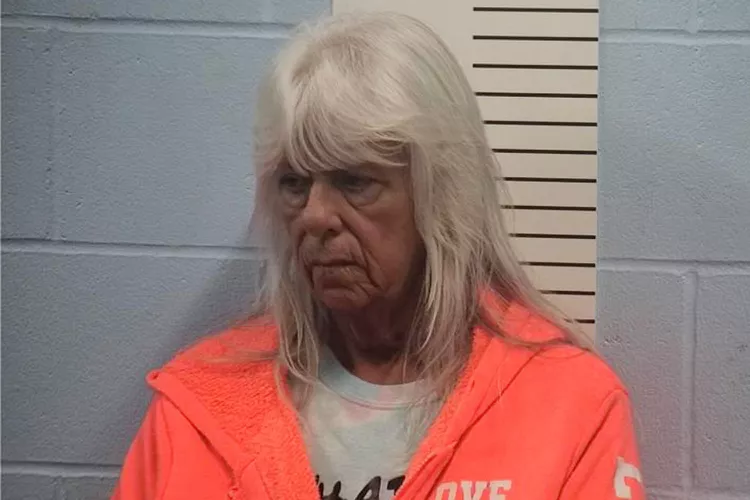
The Teen Described Years of Alleged Abuse
Long before the Texas discovery, Missouri authorities had received an anonymous report involving Deutsch.
Court records say the Missouri Department of Social Services received an abuse allegation in November 2024.
The teenager was interviewed the following month.
She described alleged mistreatment stretching back approximately three years, including being struck with a paddle, slapped and subjected to other physical punishment. She also told investigators she had witnessed abuse involving other children or family members.
After being sent to Texas, the teenager allegedly found herself in another unstable situation.
Court records described the home there as unsanitary and said she was sometimes left without appropriate supervision while caring for exotic animals.
Reports on the case said Deutsch acknowledged that she had not adequately investigated the Texas living arrangement before sending the child there.
The girl eventually came under the attention of Texas child-protection authorities.
By then, what had started as a school absence had opened a much larger investigation into Deutsch’s history as a foster parent.
Then Investigators Found the Hotline History
Perhaps no detail has generated more questions about Missouri’s foster-care system than what prosecutors say investigators discovered next.
Wood told Oxygen that allegations involving Deutsch appeared to stretch back approximately 20 years.
He said authorities learned of more than 200 hotline calls concerning alleged abuse or neglect involving children in her care.
According to Wood, some of those allegations had never reached law enforcement or had not been investigated in a way that allowed prosecutors to act.
That claim transformed the case from a question about one foster parent into a question about the system responsible for monitoring her.
Deutsch’s biological daughter, Brina Johnson, also said she had personally contacted the child-abuse hotline multiple times over the years to report concerns about her mother.
Wood said prosecutors who later spoke with former foster children heard repeated allegations of poor conditions and mistreatment.
He characterized what investigators uncovered not as one isolated incident, but as a broader pattern they believed had gone without meaningful accountability for years.
Not every hotline call represents a substantiated allegation, however.
A report to a child-protection hotline is not itself proof that abuse occurred.
What makes the number significant is that prosecutors say so many reports accumulated while Deutsch continued to maintain a foster license and care for children.
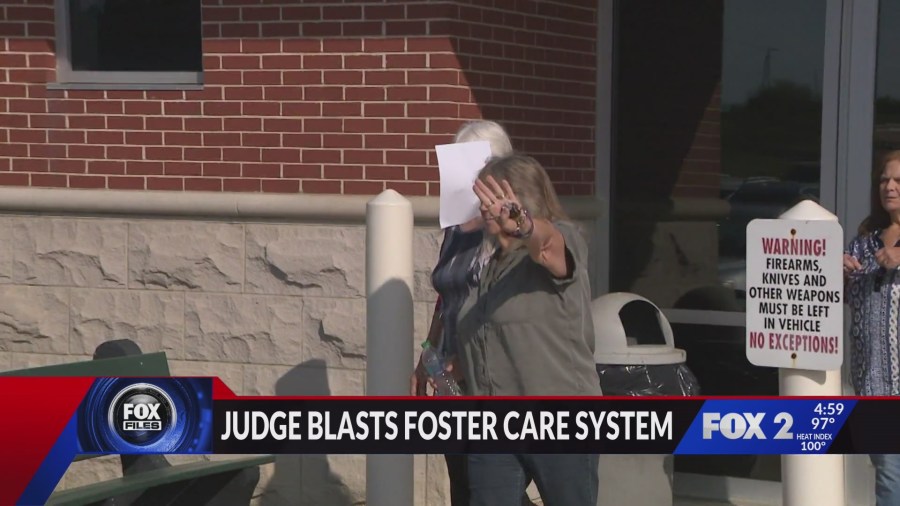
Deutsch Pleaded Guilty to One Felony
Deutsch was initially charged with multiple felonies.
A grand jury later indicted her on two counts of abuse or neglect of a child and one count of first-degree endangering the welfare of a child.
In June 2026, she reached a plea agreement.
She pleaded guilty to the child-endangerment charge.
The two abuse-or-neglect counts were dismissed as part of the deal.
That distinction matters when evaluating the sentence.
The judge was not sentencing Deutsch for every allegation made by former foster children over two decades.
Nor was he sentencing her for more than 200 hotline calls.
He was imposing punishment for the specific felony to which she had pleaded guilty.
But the larger history was impossible to ignore.

Seven Years — Suspended
At sentencing on Sept. 3, Judge Frawley imposed a seven-year Department of Corrections sentence.
Then he suspended its execution.
That means the prison term remains hanging over Deutsch, but she does not have to serve it immediately as long as she complies with the terms of her probation.
She was placed on three years of supervised probation and ordered to participate in mental-health treatment and a cognitive behavioral intervention program.
She is also barred from contacting the teenager involved in the case.
And the judge took an additional step that Missouri’s foster-care agencies had not taken themselves:
He revoked Deutsch’s foster-parent license.
Frawley reportedly called Deutsch’s conduct “reprehensible.”
But some of his harshest criticism was aimed at the system that had allowed her to continue fostering children.
He expressed frustration that her license had remained intact despite the history presented in court and apologized to people who said the system had failed to protect them.
Why Didn’t She Go Directly to Prison?
A suspended execution of sentence can sound contradictory.
Deutsch received seven years, yet did not immediately enter prison.
Legally, both things can be true.
The judge imposed the seven-year sentence but suspended its execution while placing her on probation. If she successfully completes probation, she may never serve that prison term. If she violates the conditions, the suspended sentence can become relevant and she could face incarceration.
The decision disappointed people who had hoped for immediate prison time.
Johnson publicly expressed frustration after sentencing, arguing that the outcome did not match the seriousness of what she and others had described.
Deutsch also faces separate accusations involving alleged forged respite-care paperwork and theft, according to PEOPLE. Those matters are distinct from the child-endangerment conviction and have not been resolved by the Sept. 3 sentence.

The Most Troubling Question May Be About the System
The monkey allegation made the case unforgettable.
But it may not be the most consequential part of the story.
The more important question is how a woman who reportedly cared for roughly 200 foster children could remain licensed while, according to the prosecutor, more than 200 hotline calls accumulated over the years.
The public record does not show that all those calls were substantiated.
It also does not establish that every allegation was ignored.
But Wood has said some reports never reached law enforcement or were never investigated in a way that produced accountability.
That is precisely why Judge Frawley’s decision to revoke Deutsch’s foster license carries such significance.
The criminal case finally produced a result the child-welfare system itself apparently had not:
Deutsch can no longer serve as a foster parent.
Yet for people who believe intervention should have happened years earlier, the result remains difficult to accept.
More than 200 children reportedly passed through her care.
More than 200 hotline calls were allegedly made.
One teenager eventually disappeared from school and turned up in Texas.
And when the criminal case finally reached sentencing, Deutsch received seven years in prison — but walked out of the courtroom on probation.
The strange allegation about a monkey may be what first draws attention to this case.
The harder question is how many warnings may have existed long before anyone finally stopped her from taking in another child.