Nick Reiner Speaks in Court as Death Penalty Is Taken Off the Table in Parents’ Murder Case
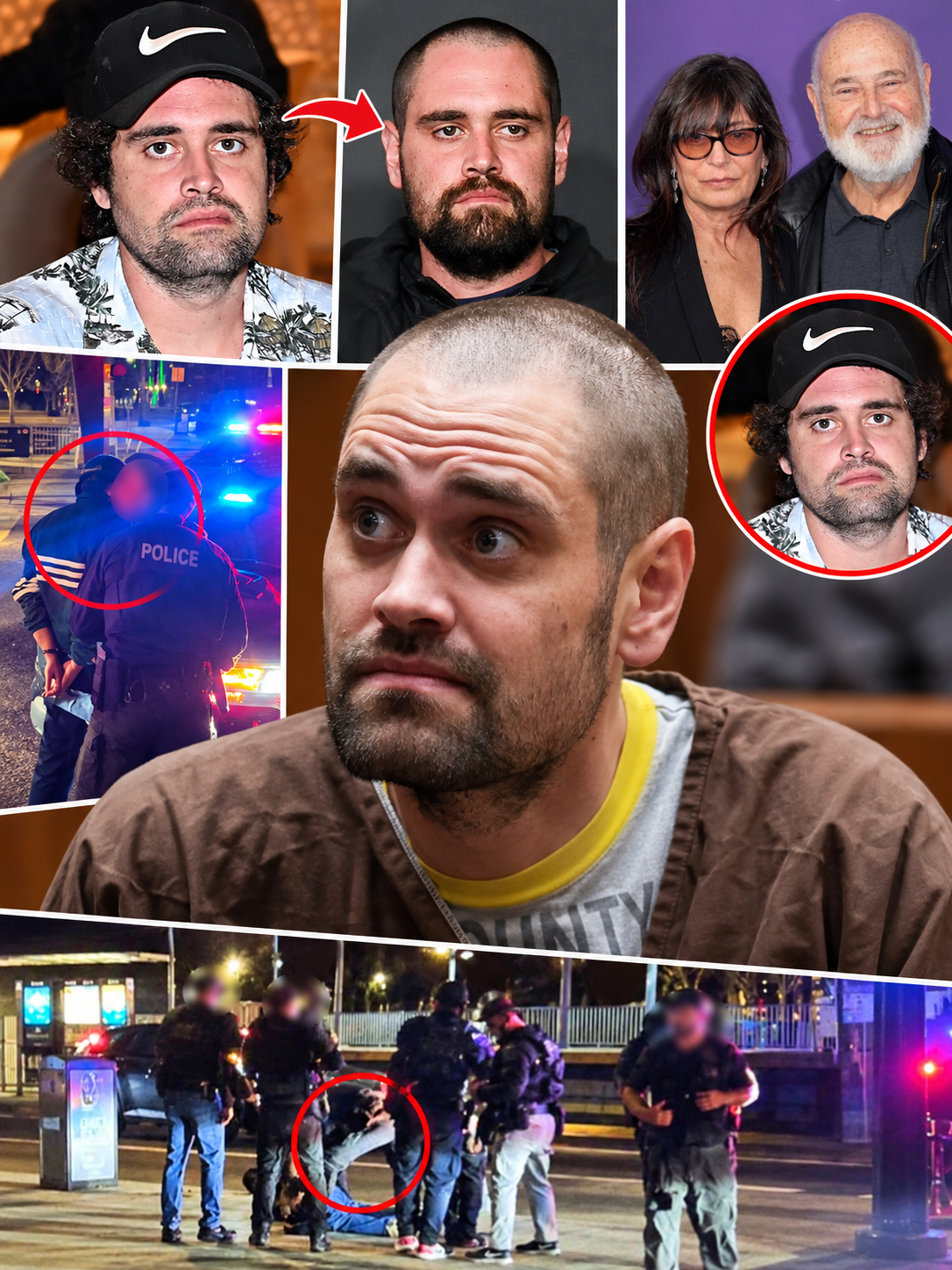
Nick Reiner appeared in a Los Angeles courtroom on Sept. 15 with one wrist handcuffed to his chair, quietly answering a judge’s questions just hours after prosecutors announced one of the most consequential decisions yet in the case against him.
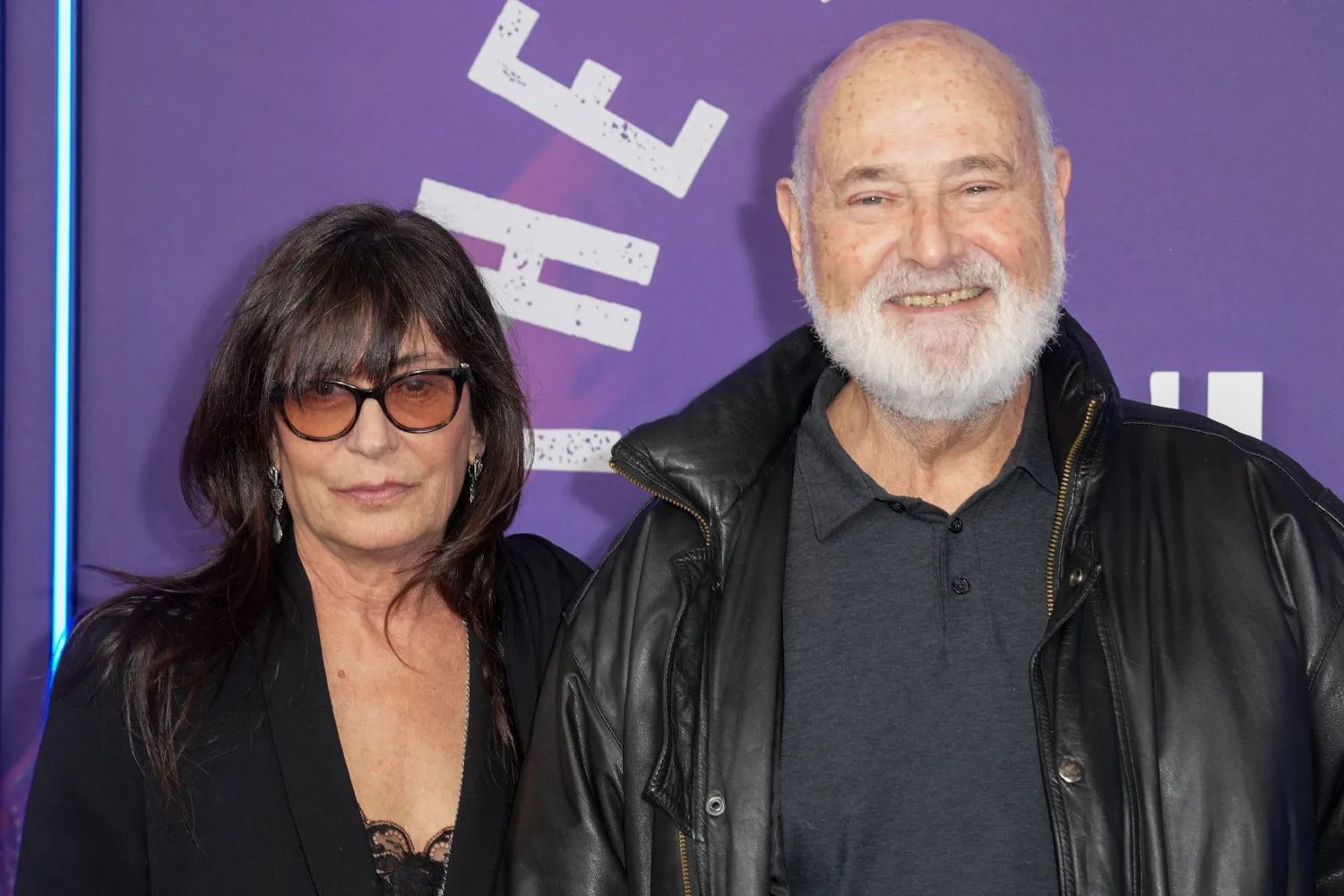
The 33-year-old son of filmmaker Rob Reiner and photographer-producer Michele Singer Reiner will not face the death penalty if convicted of killing his parents.
Instead, prosecutors say Reiner could spend the rest of his life in prison without the possibility of parole.
Reiner has pleaded not guilty to murder charges stemming from the Dec. 14, 2025 deaths of his parents at their Brentwood home in Los Angeles. Prosecutors accuse him of fatally stabbing Rob, 78, and Michele, 70. A grand jury indictment also alleges the special circumstance of lying in wait and includes an allegation that a knife was used.
The charges remain allegations, and Reiner has not been convicted.
But the Sept. 15 hearing showed how the legal battle is beginning to widen beyond the central question of guilt. Prosecutors are now explaining why they rejected capital punishment, Reiner’s siblings are fighting to keep disturbing grand jury material from becoming public, and Reiner himself is seeking access to money from a family trust to fund his defense.
A Brief Court Appearance
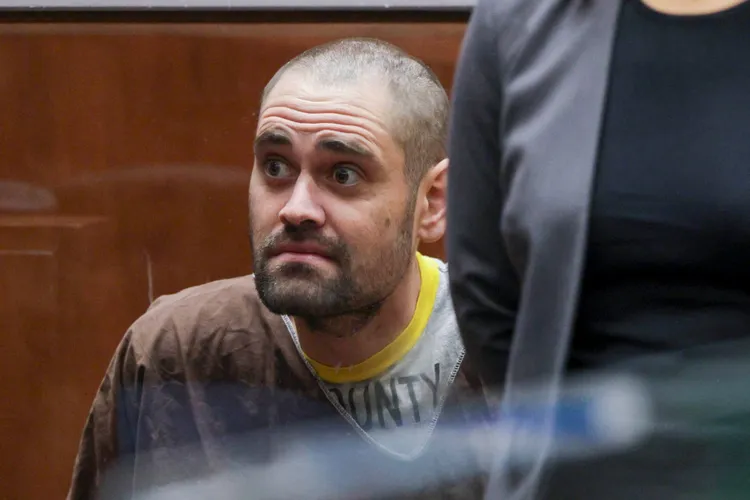
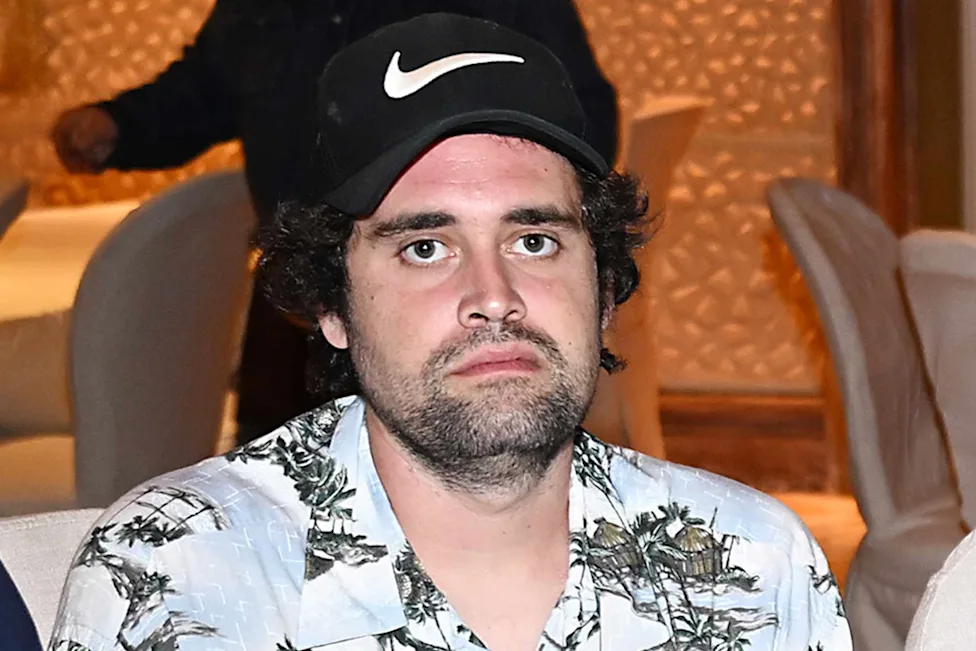
Reiner appeared at the pretrial hearing wearing a brown jail uniform. According to PEOPLE, his hair had grown out since earlier appearances, when his head had been shaved. His left wrist was secured to the chair beside his public defender, while his legs remained unrestrained.
His only significant spoken exchange came when Superior Court Judge Sam Ohta asked whether he understood that he was waiving his right to a speedy trial.
“Yes,” Reiner replied.
The waiver means the defense is allowing the case to proceed without the deadlines that would otherwise apply under California’s speedy-trial rules. Reiner is scheduled to return to criminal court on Oct. 7.
The appearance itself was brief, but it came on the same day Los Angeles County District Attorney Nathan Hochman announced that his office would no longer seek the harshest punishment available.
Why Prosecutors Rejected the Death Penalty
Hochman said his decision followed a review of both aggravating and mitigating factors and included consultation with Reiner’s surviving siblings, Romy and Jake Reiner.
The district attorney said their views were taken into account before his office concluded that capital punishment was not the appropriate resolution. He emphasized that the decision did not minimize the seriousness of the allegations.
If Reiner is convicted under the special-circumstance murder allegation, the maximum punishment will now be life imprisonment without parole rather than execution.
The decision also carries an unusual family dimension.
Rob Reiner had publicly opposed capital punishment during his lifetime. In a 2010 interview cited by the Los Angeles Times, he described himself as being against the death penalty.
Hochman did not frame that fact alone as controlling the decision. But the wishes of the surviving Reiner family members were clearly part of the prosecution’s review.
Reiner’s public defender, Kimberly Greene, welcomed the announcement.
In a statement, Greene said Nick has a serious mental illness and a long history of self-medication, arguing that his circumstances should be fully understood as the case moves forward. Those claims come from the defense and do not alter the prosecution’s burden to prove the murder allegations beyond a reasonable doubt.
The Alleged Killings
Rob and Michele Reiner were found dead in the master bedroom of their Brentwood home on Dec. 14, 2025.
Nick was arrested roughly 12 hours later in the Exposition Park area of Los Angeles. He has remained jailed without bail.
The case initially proceeded through murder charges filed by prosecutors before a grand jury returned a new indictment during the summer.
When that indictment was unsealed in August, it added the allegation that Reiner had been lying in wait before the killings — a special circumstance that made him eligible for either the death penalty or life without parole.
By Sept. 15, prosecutors had narrowed that punishment range to the latter.
Hochman has indicated that the trial itself is not expected to begin until 2027.
A Fight Over What the Public Will See
Another major issue now concerns evidence presented to the grand jury.
Romy and Jake Reiner have asked the court to keep grand jury transcripts sealed.
Grand jury proceedings are conducted in secret, but transcripts can later become public as a criminal case advances. In this case, Hochman said the siblings fear that releasing details about the killings would cause additional trauma.
The district attorney’s office does not oppose their request.
During the Sept. 15 hearing, Judge Ohta gave news organizations until Sept. 30 to challenge continued sealing of the transcripts.
The dispute sets up a familiar tension in high-profile criminal cases: the public and media have significant interests in access to court records, while victims’ relatives may seek privacy when those records contain graphic or deeply personal evidence.
That question will now have to be resolved separately from the murder case itself.
The $1.5 Million Trust Dispute
Reiner is also involved in a separate court fight over money his parents placed in trust for him.
According to PEOPLE, Reiner says the trust, created in 1993, is worth more than $1.5 million. He has sought approximately $558,000 to pay for his criminal defense.
But California’s so-called “slayer statute” may complicate his access to those funds.
Such laws generally prevent a person who intentionally kills someone from financially benefiting from that person’s death.
A lawyer for the trust’s administrator has argued that releasing the requested money could prove irreversible if Reiner is eventually convicted. Reiner is scheduled to appear in court on Oct. 23 for a hearing connected to that dispute.
The issue is especially significant because Reiner has previously sought to bring former high-profile defense attorney Alan Jackson back onto his legal team. AP reported that his attempt to access trust funds is tied in part to financing that defense.
A Family Tragedy Now Moving Slowly Through Court
The Sept. 15 hearing did not determine whether Nick Reiner killed his parents.
It did, however, clarify the stakes.
Execution is no longer possible.
Life without parole remains on the table.
The grand jury evidence may or may not become public.
And a separate court will have to decide whether Reiner can use money placed in trust by the same parents he is accused of killing.
Meanwhile, Reiner remains jailed without bail and continues to maintain his innocence through his not-guilty plea.
For the surviving Reiner family, the legal process now presents a painful contradiction. Romy and Jake are relatives of the victims, but they are also siblings of the defendant. Their views helped shape the decision not to seek the death penalty, while they are simultaneously asking the court to shield details of their parents’ deaths from wider public exposure.
For prosecutors, the central task has not changed.
They must prove beyond a reasonable doubt that Nick Reiner murdered Rob and Michele Reiner and that the special-circumstance allegations apply.
For Nick Reiner, the stakes remain enormous even without the possibility of execution.
If convicted as charged, he could still spend the rest of his life behind bars.