Florida Man Pleads Guilty in Killing of 16-Year-Old Miranda Corsette, Asks Judge for Death Sentence
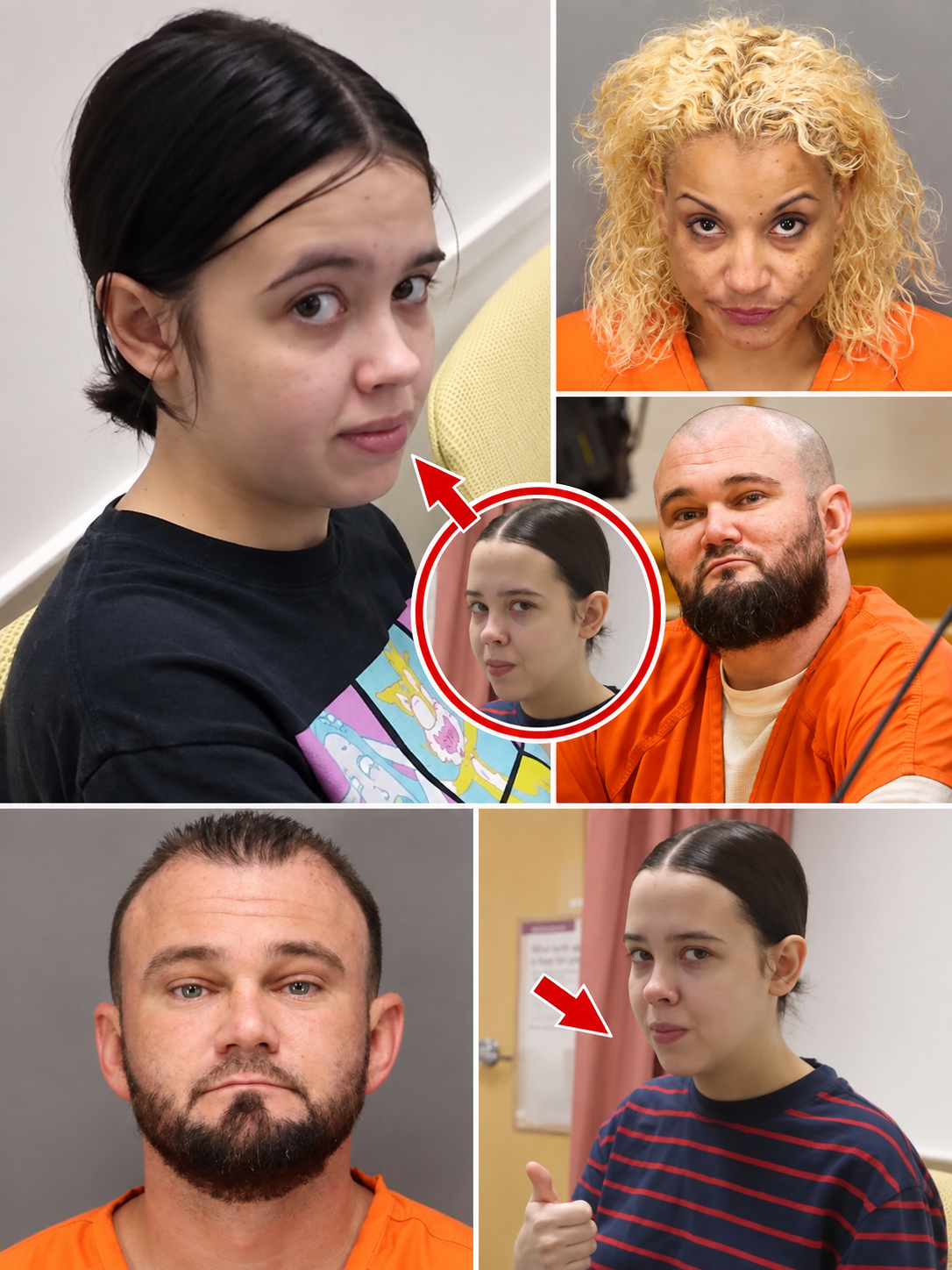
A Florida man accused of kidnapping, abusing and killing a 16-year-old girl he met online has pleaded guilty to first-degree murder and kidnapping, bringing one phase of a deeply disturbing case to an end while leaving another major question unresolved: whether he will spend the rest of his life in prison or be sentenced to death.
Steven Gress, now 37, entered the guilty pleas in a Pinellas County courtroom in August 2026 in connection with the death of Miranda Corsette, a teenager from Gulfport, Florida. During the hearing, Gress told the court that he preferred execution to serving a life sentence and at times smiled or laughed while discussing the possibility of capital punishment.
The plea was not part of an agreement with prosecutors. Under Florida law, Gress still faces a separate penalty proceeding before his final punishment is determined.
The case stretches back to February 2025, when investigators say Miranda met Gress through Grindr and went to his home in St. Petersburg.
What followed, according to police and court records, was a prolonged period of violence that ultimately ended with the teenager’s death and the disposal of her remains.
A Meeting Online Turns Into a Missing-Person Case
Investigators said Miranda first met Gress on February 14, 2025, after communicating with him through an online social platform. She left after their first meeting but returned to his St. Petersburg residence the following day.
According to authorities, Gress was living there with his partner, Michelle Brandes.
At some point after Miranda returned, the situation changed dramatically. Investigators alleged that Miranda was accused of stealing a ring, and she was subsequently prevented from leaving and subjected to repeated violence.
Police later said she was beaten over a period of several days. Court documents cited by media outlets also described photographs showing her physical condition worsening during the ordeal.
Some of those images were allegedly sent by Gress to other people.
Authorities said none of the recipients contacted police to report what they had seen.
Miranda’s disappearance was formally reported to the Gulfport Police Department on February 24, 2025. At that point, however, investigators would later conclude that she had already been killed.
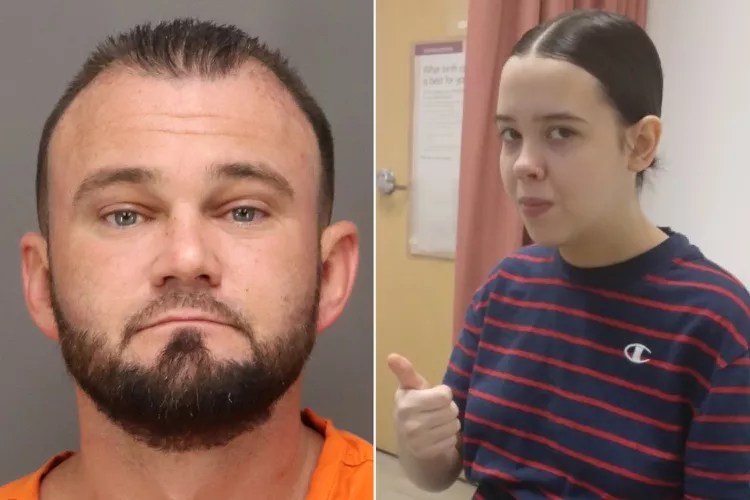
Investigators Say the Teen Was Killed and Her Body Dismembered
According to investigators, Miranda eventually died at the residence after suffering days of abuse.
Gress later told detectives that Brandes caused Miranda’s death. According to an affidavit, he alleged that Brandes used a billiard ball placed inside a sock and plastic wrap during the fatal assault.
Gress nevertheless admitted taking part in much of what happened before and after Miranda’s death.
Investigators said Miranda’s body was later transported to another location, where Gress dismembered it. Her remains were placed in bags and eventually discarded in a dumpster in Ruskin, roughly 50 miles from St. Petersburg.
The St. Petersburg Police Department said the case broke open on March 6, 2025, when a witness contacted officers with information about a possible kidnapping and homicide involving a missing teenager.
Detectives then reconstructed Miranda’s movements and identified Gress and Brandes as suspects.
On March 7, police announced that Gress had been charged with first-degree murder. Brandes surrendered to authorities the following day and was also charged with first-degree murder.
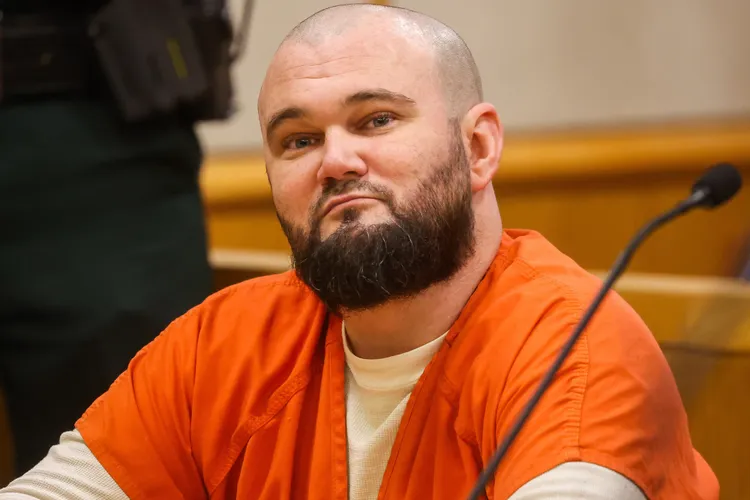
Gress Decides He Does Not Want a Trial
For more than a year after the killing, the criminal case moved through the court system.
Then, during a July 2026 pretrial hearing, Gress made an unexpected statement in court.
He told Pinellas County Judge Philip Federico that he had wanted to plead guilty for months and did not want to proceed to trial.
“I’ll take the death penalty; I don’t want to go to trial,” Gress told the court, according to the Tampa Bay Times.
Because prosecutors are seeking capital punishment, however, pleading guilty does not automatically end the case. Florida’s death-penalty process requires a separate proceeding before a death sentence can be imposed.
Gress eventually returned to court on August 19 and formally pleaded guilty to first-degree murder and kidnapping.
During the hearing, the judge carefully questioned him about whether he understood the consequences of giving up his right to a trial.
Gress indicated that he did.
He also reiterated that he would rather receive the death penalty than serve life in prison. Reports from the courtroom described him smiling and laughing during portions of the discussion about his possible punishment.
Despite pleading guilty to murder, Gress has continued to maintain that he was not the person who directly caused Miranda’s death, instead placing responsibility for the fatal act on Brandes.
His guilty plea nevertheless establishes his criminal responsibility for the charges against him.
Michelle Brandes Still Faces Her Own Case
The legal proceedings surrounding Miranda’s death are far from over.
Brandes has pleaded not guilty to the charges against her, and her case is proceeding separately.
Because she has not been convicted, the allegations against her remain accusations that prosecutors must prove in court.
The distinction is significant: Gress has now admitted guilt, while Brandes continues to contest the state’s case.
Prosecutors have also pursued the possibility of capital punishment in connection with the case.
Miranda’s Family Has Also Taken Legal Action
Beyond the criminal prosecutions, Miranda’s death has resulted in separate civil litigation.
Her estate filed a lawsuit against Grindr, alleging that weaknesses in the platform’s safeguards allowed a minor to access the service and come into contact with an adult who posed a danger to her.
The lawsuit accuses the company of negligence and other wrongdoing and argues that stronger measures should have been in place to prevent underage users from accessing the platform.
The allegations remain part of an ongoing civil dispute and are separate from the criminal cases against Gress and Brandes. Federal court records confirm litigation brought by the representative of Miranda’s estate against Grindr.
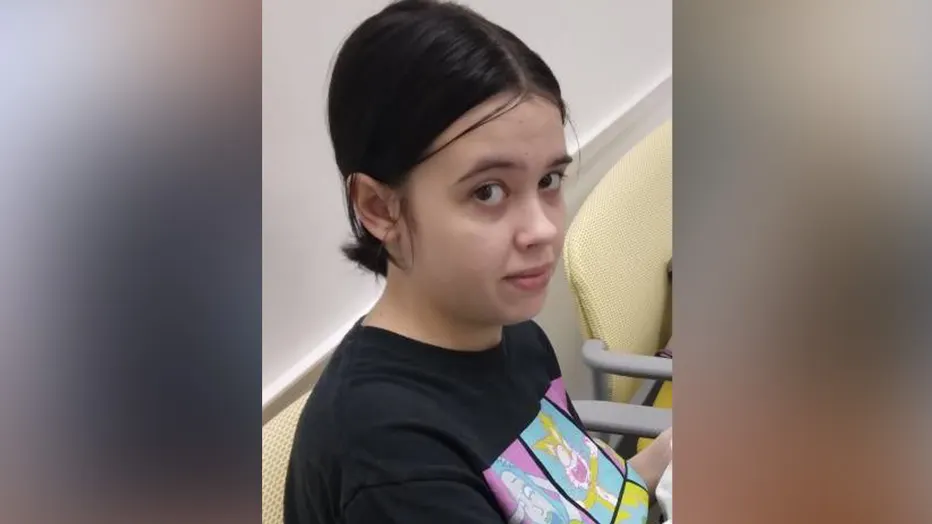
The Case Now Moves Toward Sentencing
With Gress’s guilty plea entered, the central issue in his case is no longer whether he will be convicted.
It is how he will be punished.
First-degree murder in Florida can carry a sentence of life in prison without parole or, under qualifying circumstances, death.
The court is expected to address the penalty phase in the coming months, with further proceedings scheduled for November 2026.
For Miranda’s family, however, the legal process represents only one part of a much larger loss.
Miranda was 16 years old when she disappeared. What initially began as a missing-person investigation ultimately revealed that she had been subjected to days of violence before her death.
More than a year later, one defendant has now formally accepted criminal responsibility in court.
But the broader case — including the prosecution of Brandes, the civil litigation and the final decision over Gress’s sentence — is not yet finished.