‘Looksmaxxing’ Influencer Clavicular Faces Rape and Drugging Charges in Massachusetts as He Denies Allegations

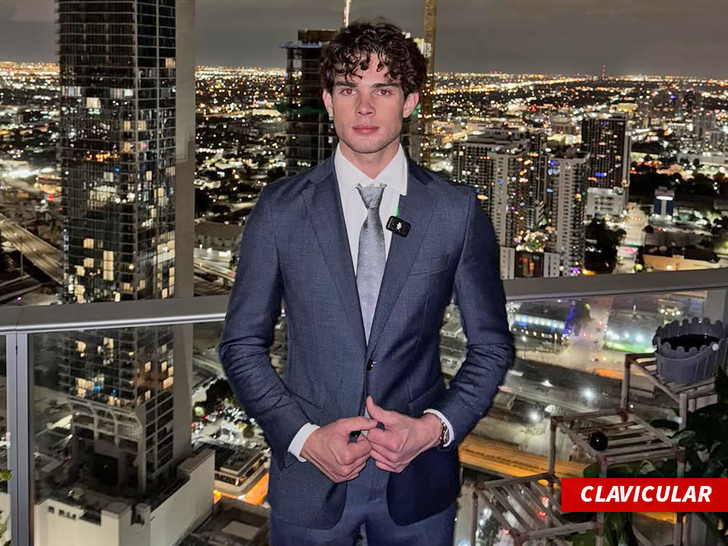
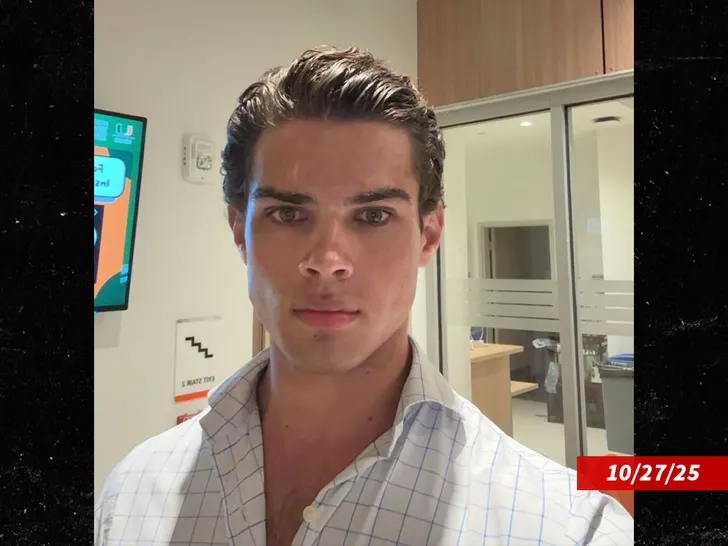
Braden Peters, the 20-year-old internet personality better known as Clavicular, is facing serious criminal charges in Massachusetts over an alleged encounter at a Cape Cod residence in May 2025.
Court records show Peters has been charged with one count of rape, one count of drugging a person for sexual intercourse and one count of procuring alcohol for someone under the age of 21.
The charges were filed on September 8, 2026, and relate to alleged events on May 23, 2025.
Peters has denied wrongdoing.
The criminal case appears to involve allegations similar to those made in a separate civil lawsuit filed earlier this year by influencer Aleksandra Vasilevna Mendoza, also known online as Alorah Ziva.
However, the alleged victim is not publicly identified in the Massachusetts criminal court record, and prosecutors have not publicly confirmed that Mendoza is the complainant in the criminal case.
Peters is presumed innocent unless proven guilty in court.
Criminal Charges Follow Earlier Civil Allegations
The Massachusetts case emerged months after Mendoza filed a civil lawsuit accusing Peters of misconduct stemming from a visit to Cape Cod.
According to her civil complaint, Peters allegedly paid her $1,000 to travel to Massachusetts in May 2025 to film content with him.
Mendoza has said Peters wanted her to become a female face associated with “looksmaxxing,” an online subculture centered on aggressively improving physical appearance through fitness, grooming, cosmetic procedures and, in some corners of the internet, more extreme methods.
Mendoza alleges that she traveled to a home in Cape Cod while she was still under 18.
She claims alcohol was made available during the visit and that she became heavily intoxicated.
Her lawsuit alleges that Peters later engaged in sexual activity with her while she was unable to consent because of her intoxicated condition.
She further claims that she woke the following morning to additional sexual activity that she says occurred without her consent.
Those claims have not been proven in court.
Peters’ Representatives Challenge the Allegations
Peters’ legal team and representatives have strongly disputed Mendoza’s version of events.
His attorney has characterized the claims as allegations only and said Peters disputes how the encounter has been described.
The defense has indicated that Peters intends to fight the allegations through the legal process.
A representative for the influencer has also pointed to the timing and evolution of Mendoza’s civil complaint.
According to Peters’ side, her original lawsuit did not initially include a sexual assault count and was later amended to add such allegations.
The representative has argued that the change is significant and has said Peters believes there is evidence that will contradict Mendoza’s claims.
People close to Peters have gone even further, characterizing the civil case as an attempted financial “shakedown.”
That is the defense’s characterization and has not been established as fact.
The filing of criminal charges now means the allegations will be examined separately in a criminal court, where prosecutors carry a higher burden of proof than plaintiffs do in a civil case.
Court Records List Three Separate Charges
The criminal docket reportedly lists three counts against Peters.
The most serious is rape.
He is also charged with drugging a person for sexual intercourse, an offense that focuses on the alleged use or administration of a substance in connection with sexual activity.
The third charge involves allegedly providing alcohol to someone under 21.
The alleged conduct dates to May 23, 2025.
Although Mendoza was under 18 at the time of the alleged encounter, Massachusetts’ age of consent is 16.
For that reason, the criminal case does not currently include a child-sex offense based solely on her age.
The allegations instead center on whether the complainant was capable of consenting and whether alcohol or another substance affected that capacity.

A Growing Online Figure Before the Charges
Peters built a rapidly growing audience under the name Clavicular through content focused on “looksmaxxing.”
The term broadly refers to efforts to maximize attractiveness, ranging from conventional methods such as exercise and skin care to more controversial practices promoted by some online creators.
Peters became one of the most recognizable personalities associated with the trend.
His content has included discussions about facial structure, cosmetic procedures, body image and appearance optimization.
That visibility helped him develop a substantial following but also brought increased scrutiny.
Critics of extreme looksmaxxing communities have argued that some of the advice promoted online can encourage dangerous procedures, unhealthy body obsession or risky drug use.
Peters has embraced a provocative online persona, frequently appearing on livestreams and social media platforms where controversy has become part of his public brand.

Previous Legal Controversies Have Followed Him
The Massachusetts allegations are not the first legal controversy surrounding Peters.
Earlier in 2026, he faced a separate case in Florida connected to a filmed altercation.
He was arrested on allegations that included misdemeanor battery and conspiracy, although prosecutors later declined to pursue those charges.
That case was unrelated to the current Massachusetts allegations.
Peters has also attracted attention through other incidents captured or discussed online, reinforcing a public image built partly around unpredictable livestreams and confrontation.
The current criminal case, however, is far more serious.
If prosecutors prove the allegations, Peters could face significant prison time as well as other long-term legal consequences.
Civil and Criminal Cases Will Proceed Separately
One important distinction is that Mendoza’s civil lawsuit and the Massachusetts criminal prosecution are separate proceedings.
The civil case focuses on whether Peters can be held financially liable for alleged wrongdoing.
The criminal case asks whether prosecutors can prove beyond a reasonable doubt that Peters committed the offenses charged by the state.
Evidence can potentially overlap between the two cases, including messages, photographs, videos, witness testimony or material connected to the Cape Cod visit.
But the legal standards are different.
A criminal conviction requires proof beyond a reasonable doubt.
A civil plaintiff generally faces a lower standard of proof.
Peters’ representatives have suggested that evidence exists that could undermine the claims made against him, but that evidence has not yet been fully tested in open court.
Questions Remain About the Alleged Encounter
Several significant questions remain unanswered publicly.
Authorities have not released a detailed criminal affidavit outlining exactly what prosecutors believe happened inside the Cape Cod residence.
It is also unclear what evidence led prosecutors to bring the drugging charge.
No publicly available court account has yet provided a complete explanation of whether authorities recovered medical evidence, electronic communications, witness statements or other material supporting that count.
Likewise, because the criminal complainant’s identity is protected in court records, any assumption that the case directly involves Mendoza should remain qualified until prosecutors or court filings establish that connection.
For now, the similarities between her lawsuit and the criminal case have led multiple sources to conclude the proceedings appear to arise from the same alleged incident.
Peters Continues to Deny Wrongdoing
Through his attorney and representatives, Peters has maintained that the accusations against him are false or mischaracterized.
His defense is expected to challenge both the factual allegations and the credibility of the claims.
The state, meanwhile, will have to establish that the alleged sexual activity occurred without valid consent and prove the elements of the additional drugging and alcohol-related charges.
That process has only begun.
No jury has weighed the evidence.
No verdict has been returned.
And the allegations described in both the criminal case and the civil lawsuit remain disputed.
A Major Legal Test for a Controversial Online Star
The case marks a significant escalation in the legal problems surrounding one of the internet’s most controversial young creators.
Clavicular built his audience through attention-grabbing content and a subculture that thrives on extreme transformation, confrontation and viral moments.
Now the most consequential questions surrounding him will be decided not on a livestream or social-media feed, but in a Massachusetts courtroom.
The criminal charges are serious.
So are the allegations in the civil case.
But at this stage, they remain allegations.
As the case moves toward arraignment and later court proceedings, prosecutors will be expected to reveal more about the evidence behind the charges, while Peters and his attorneys will have their opportunity to challenge that evidence and present their own account of what occurred in Cape Cod in May 2025.
Until then, Braden Peters remains legally presumed innocent.