At 75, Lynda Carter Reflects on the Role That Changed Everything—and the Strength Behind the Icon
- NgoPhong
- July 29, 2026
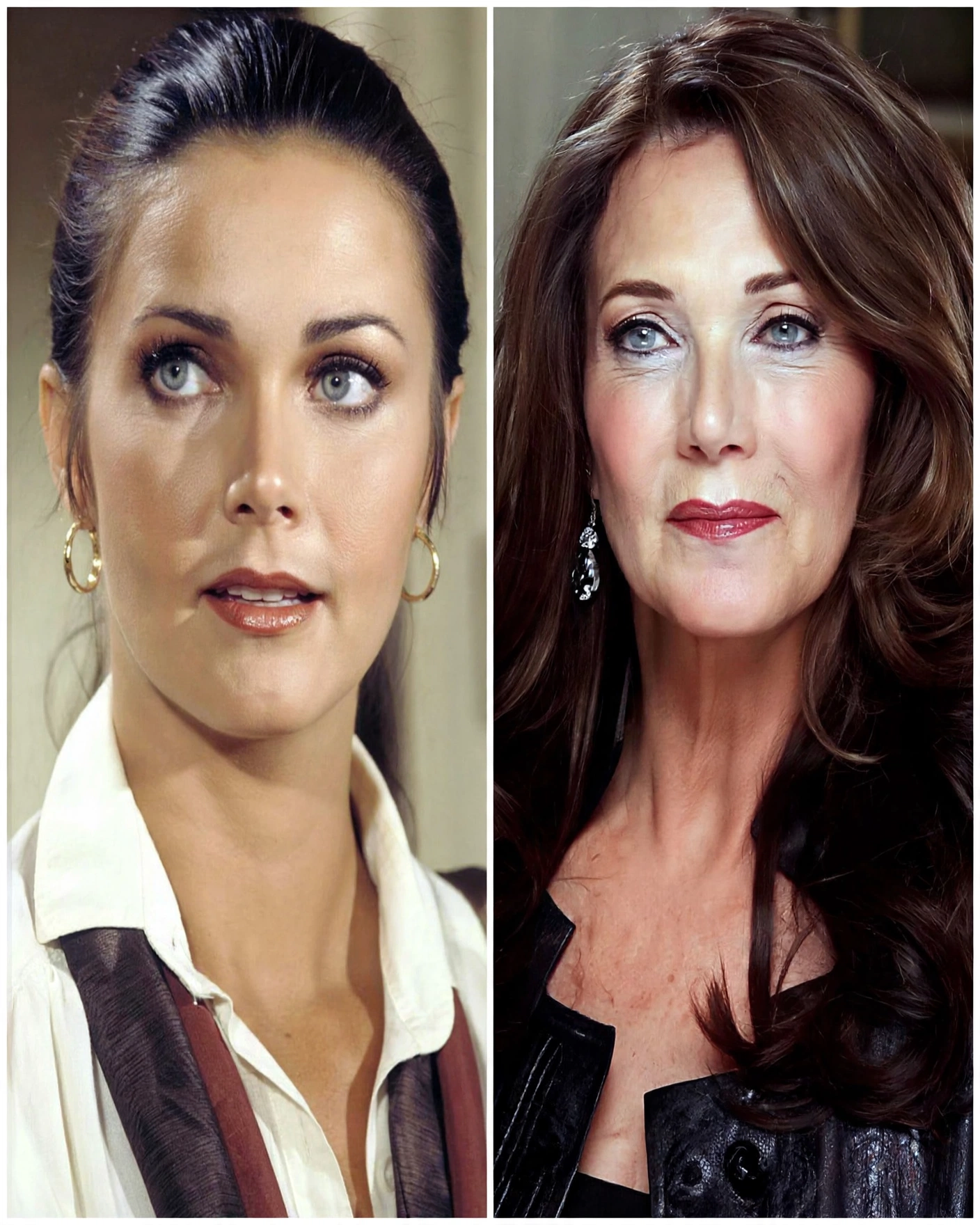
The spin, the transformation, the unshakable confidence—it looked effortless on screen. But what Lynda Carter brought to Wonder Woman was never just about costume or choreography. It was something deeper, something that would outlast the show itself.
Decades later, as she reached the age of 75, that impact remains.
For many, Carter will always be Wonder Woman. But her story is not just about playing a superhero. It is about becoming one in a way that reshaped how audiences understood strength, identity, and what it meant to be a woman in the spotlight.
Before she became a global icon, Carter’s journey began far from the world of television fame.
She first gained recognition as Miss World USA in 1972, a title that introduced her to the public eye. But beauty alone was never the full story. She had ambitions that went beyond appearances, and she was determined to build a career that reflected her talents and her voice.
That opportunity arrived in the mid-1970s.
When she was cast as Wonder Woman in the television series that premiered in 1975, few could have predicted how defining the role would become. At the time, female superheroes were rare on screen, and the expectations surrounding the character were limited.
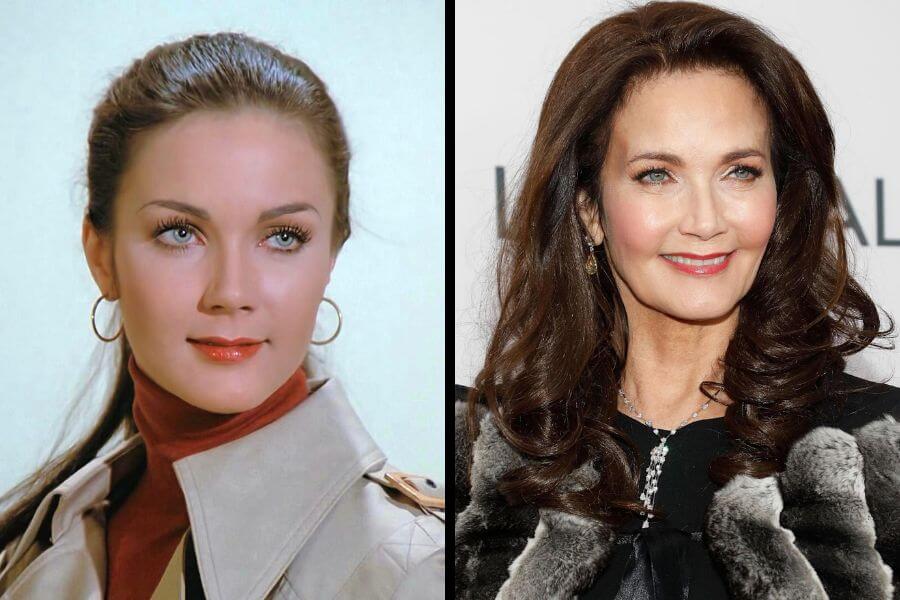
Carter changed that.
She brought a presence that combined strength with warmth, power with compassion. Her portrayal of Diana Prince was not just about physical ability—it was about character. She played the role with a sense of dignity that made the character feel real, relatable, and inspiring.
Audiences noticed.
The show quickly gained popularity, and Carter became a household name. For young viewers, especially girls, she represented something they had not often seen—a hero who looked like them, who stood with confidence, and who did not need to sacrifice kindness to be strong.
But the success came with challenges.
Being associated so closely with a single role can be both a blessing and a limitation. While Wonder Woman brought Carter fame, it also created expectations that were difficult to move beyond. The industry often struggled to see her outside of that iconic image.
Yet she continued to evolve.
Beyond acting, Carter pursued music, performing and recording songs that allowed her to express another side of herself. She also took on different roles in television and film, building a career that extended far beyond the series that first made her famous.
Still, Wonder Woman remained a central part of her identity.
Over time, that connection became something she embraced rather than resisted. She understood what the character meant to people—the way it had influenced generations, the way it had shaped conversations about strength and representation.
And she carried that responsibility with care.
As the years passed, Carter’s life took on new dimensions.
She experienced personal highs and lows, including the loss of her husband, Robert Altman, who passed away in 2021. Their relationship had been a significant part of her life, and his absence marked a deeply emotional chapter.
Through it all, she continued moving forward.
Her resilience, much like the character she portrayed, became part of her story. She remained active, engaged, and connected to her audience, often reflecting on the lessons she had learned over the years.
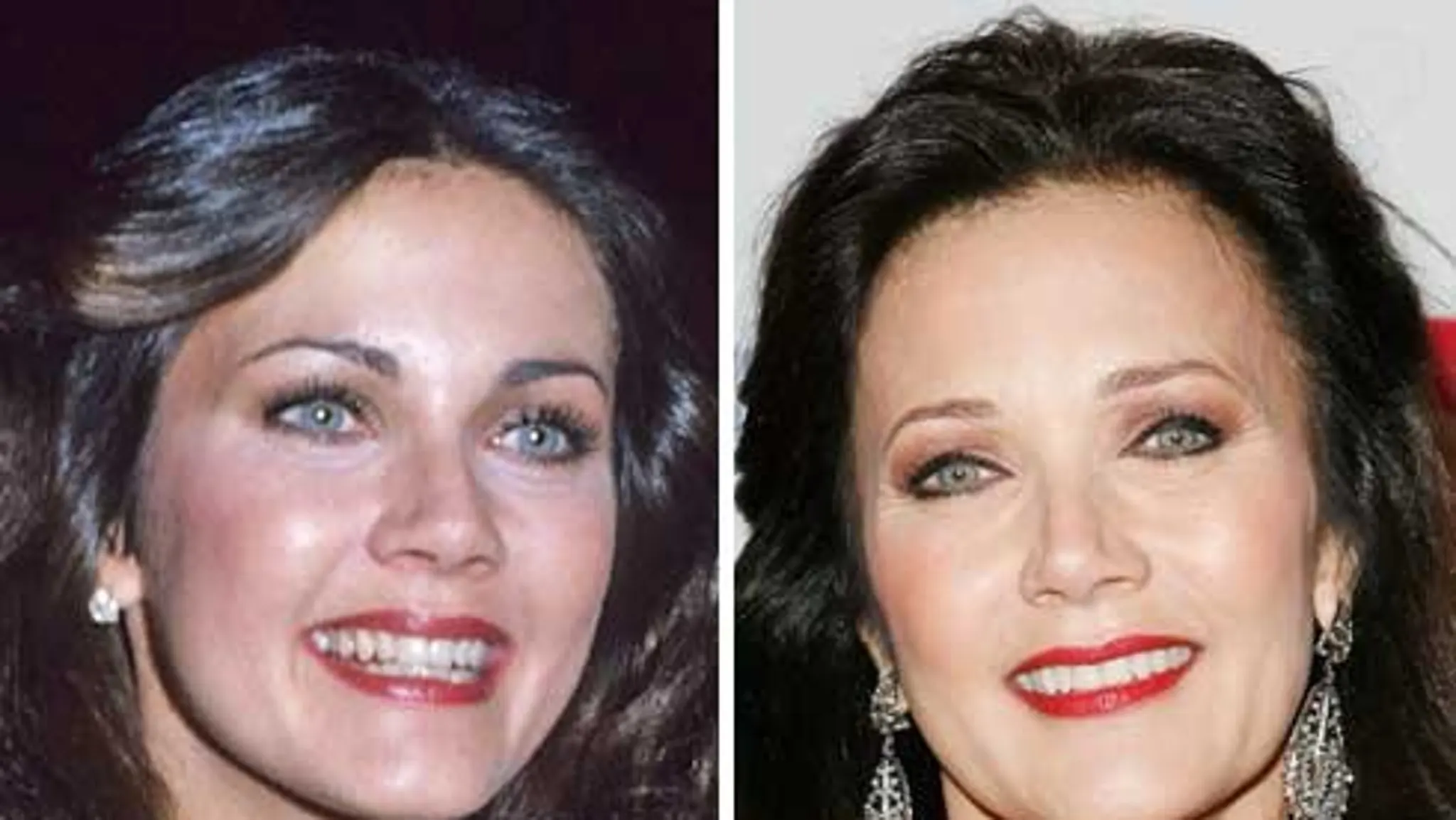
At 75, her perspective is shaped by both experience and reflection.
She has spoken about the importance of authenticity—of staying true to oneself even when external pressures suggest otherwise. It is a message that echoes the qualities she brought to Wonder Woman decades earlier.
Strength, for her, has never been about perfection.
It has been about honesty.
About showing up, even when life becomes difficult.
About continuing to grow, even when the world expects you to remain the same.
Her legacy extends beyond a single role.
Yes, she helped define one of the most iconic characters in television history. But more importantly, she expanded what that character could represent. She showed that a superhero could be both powerful and compassionate, both confident and human.
That balance is what made her portrayal unforgettable.
Today, new generations know Wonder Woman through different adaptations and actors. But Carter’s version remains a foundation—a reminder of where that representation began and how it first connected with audiences.
Her influence can still be seen.
Not just in entertainment, but in the way people talk about strength, identity, and possibility.
As she reflects on her life and career, there is a sense of completeness.
Not because everything was easy, but because every chapter contributed to who she became. The challenges, the successes, the moments of doubt—all of them shaped a journey that continues to resonate.
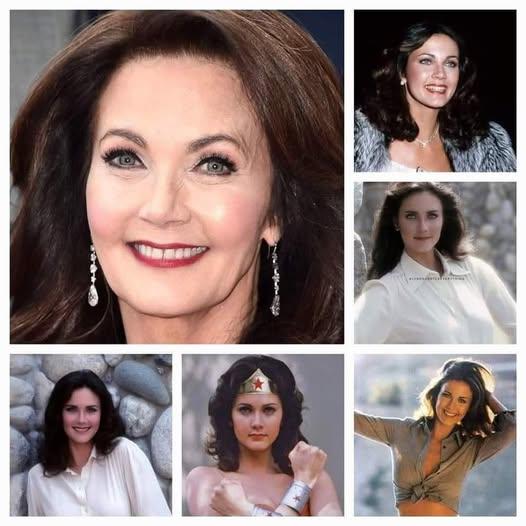
At 75, Lynda Carter is not just looking back.
She is still moving forward.
And in doing so, she reminds the world that true strength is not something you leave behind with age—it is something you carry with you, evolving, growing, and becoming more meaningful over time.
For those who grew up watching her, she will always be Wonder Woman.
But for those who look closer, she is something more.
A woman who took a role—and turned it into a legacy.