Belgium’s Six-Year Royal Crisis: How King Leopold III’s Return Nearly Pushed the Nation Into Civil War
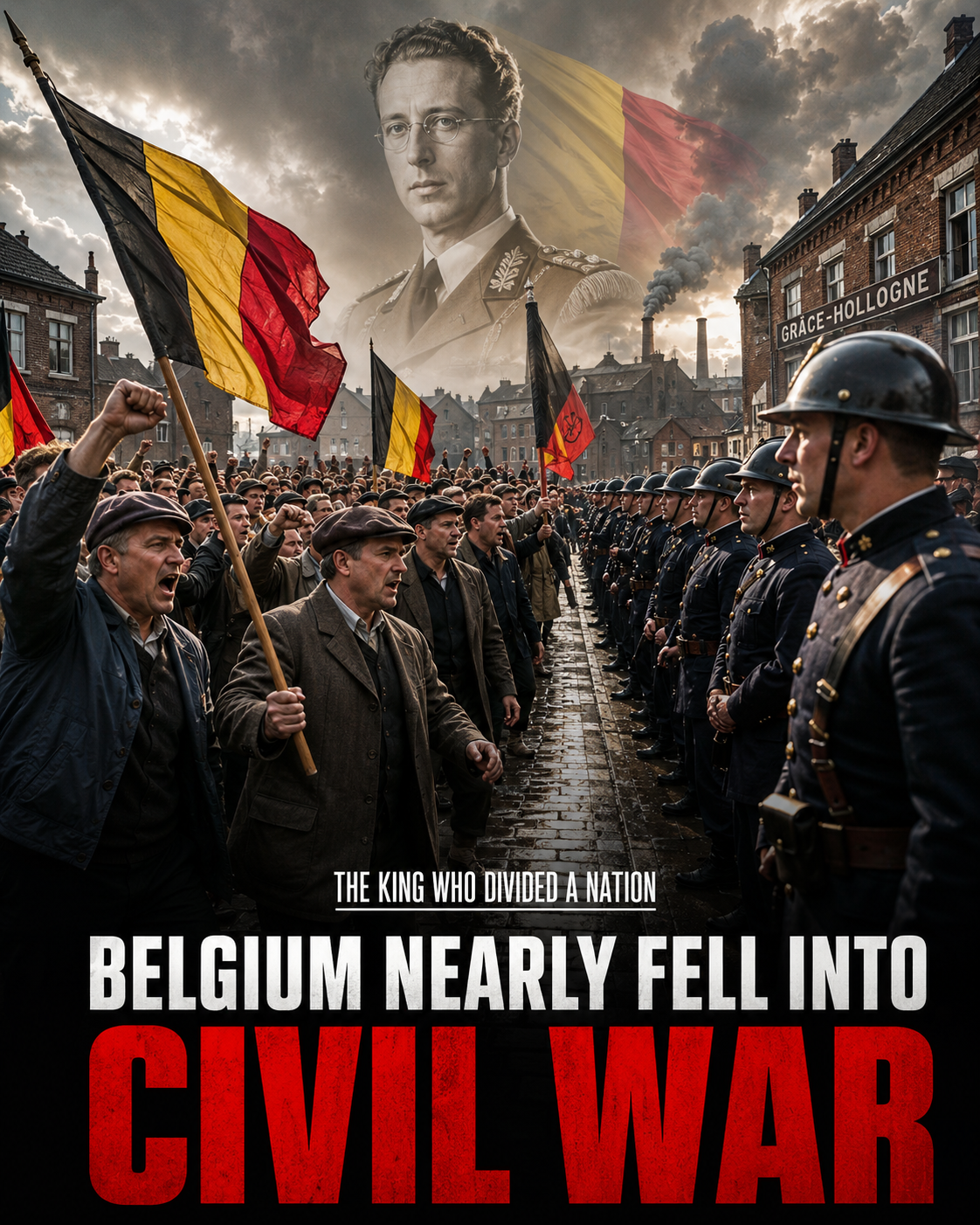
For six turbulent years after World War II, Belgium found itself divided by a single question that seemed impossible to answer: Could its king return to the throne without tearing the country apart?
What began as a constitutional dispute soon grew into one of the most dangerous political crises in modern Belgian history. Emotions ran high, public opinion became deeply polarized, and the future of the monarchy itself hung in the balance. At its peak in 1950, the conflict brought Belgium alarmingly close to civil war before a dramatic decision finally eased the tension.
At the center of the controversy stood King Leopold III.
The debate, later known simply as the Royal Question, dominated Belgian politics from 1945 to 1951. It revolved around whether Leopold III should be allowed to return to Belgium and once again perform his constitutional duties as king after the end of World War II.
The issue was far more complicated than a simple return to the throne.
Critics argued that the king’s conduct during the war had conflicted with the principles laid out in the Belgian Constitution. Those allegations divided the country, with supporters insisting he remained the rightful monarch while opponents believed his wartime actions had permanently damaged his legitimacy.
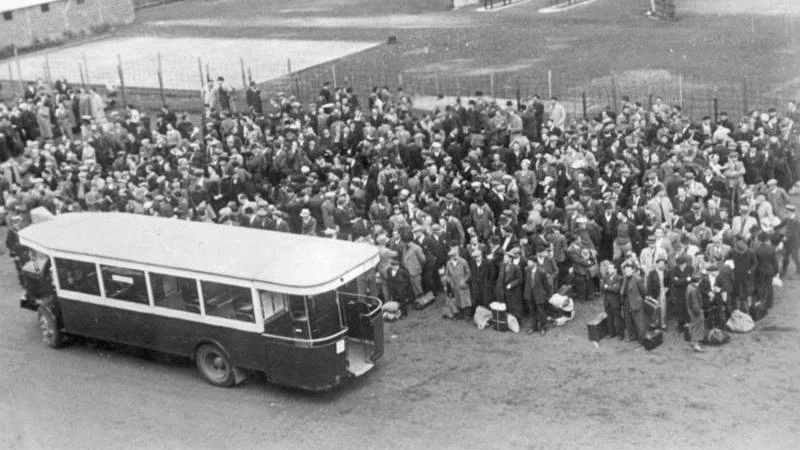
As the years passed, the disagreement showed no sign of disappearing.
Instead, it became one of the defining political struggles of postwar Belgium. Government leaders, public institutions, and ordinary citizens all found themselves caught in an increasingly bitter national debate over the monarchy’s future.
The crisis reached its most dangerous stage between March and August of 1950.
By then, the conflict had grown far beyond legal arguments about constitutional authority. The dispute had evolved into a nationwide confrontation that threatened public order and political stability. Belgium faced one of the most fragile moments in its modern history, with tensions rising to the point that the country stood on the edge of civil war.
The possibility of violent internal conflict was no longer viewed as a distant fear.
Instead, it became a genuine concern as divisions within Belgian society deepened. Every development surrounding Leopold III’s possible return carried enormous political consequences, and each decision risked pushing the nation further into uncertainty.
Maintaining order during such a volatile period fell in part to Belgium’s national gendarmerie.

Known as the Gendarmerie in French and the Rijkswacht in Dutch, the force served as Belgium’s national law enforcement organization during the years of the Royal Question. Long before later reforms transformed Belgian policing, the gendarmerie played a central role in preserving public security during one of the country’s most politically sensitive eras.
Decades later, the organization itself would undergo significant change.
In 1992, the gendarmerie became a civilian police organization. That status continued until January 1, 2001, when Belgium reorganized its policing system. The former national force was abolished alongside the country’s other existing police organizations and replaced by the Federal Police and Local Police, marking the end of an institution that had served Belgium through many historic challenges.
But during the Royal Question, the country’s future depended less on institutional reform than on finding a political solution capable of preventing further division.
That solution finally arrived in 1951.
Rather than allowing the constitutional crisis to continue indefinitely, King Leopold III abdicated the throne. His decision transferred the monarchy to his son, Prince Baudouin, bringing an end to years of uncertainty.
The abdication did more than settle the question of succession.
It offered Belgium a path away from confrontation at a moment when the nation desperately needed stability. Although opinions about Leopold III remained divided, his departure from the throne removed the central issue that had fueled years of political conflict and helped prevent the crisis from escalating even further.
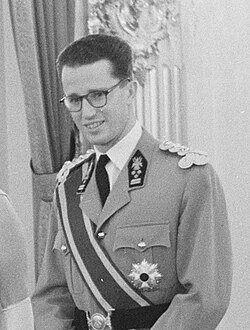
The events surrounding the Royal Question left a lasting mark on Belgian history.
The six-year dispute demonstrated how questions surrounding constitutional leadership could evolve into a national emergency when combined with the lingering emotions and divisions left behind by war. It also revealed the delicate balance required to preserve democratic institutions during periods of intense political disagreement.
Some of the places associated with Belgium during this era continue to play important roles today.
Among them is Grâce-Hollogne, a municipality in the Walloon region within the province of Liège. The municipality forms part of the greater Liège urban area, separated from the city center by the neighboring municipality of Saint-Nicolas. It is also home to Liège Airport, an important transportation hub within the region.
Today, the Royal Question is remembered not only as a dispute over a monarch but as a defining chapter in Belgium’s postwar recovery. The crisis tested the country’s institutions, challenged its political unity, and demonstrated just how fragile peace could remain even after a global conflict had officially ended.
In the end, Belgium avoided the civil war that many had feared. The transfer of the crown to Prince Baudouin closed one of the most contentious chapters in the nation’s modern political history, leaving behind a powerful reminder that sometimes the future of a country can depend on a single decision made at the highest level of leadership.