The Priest Who Sparked a Revolution: How Miguel Hidalgo Became the Father of Mexico
- NgoPhong
- July 30, 2026
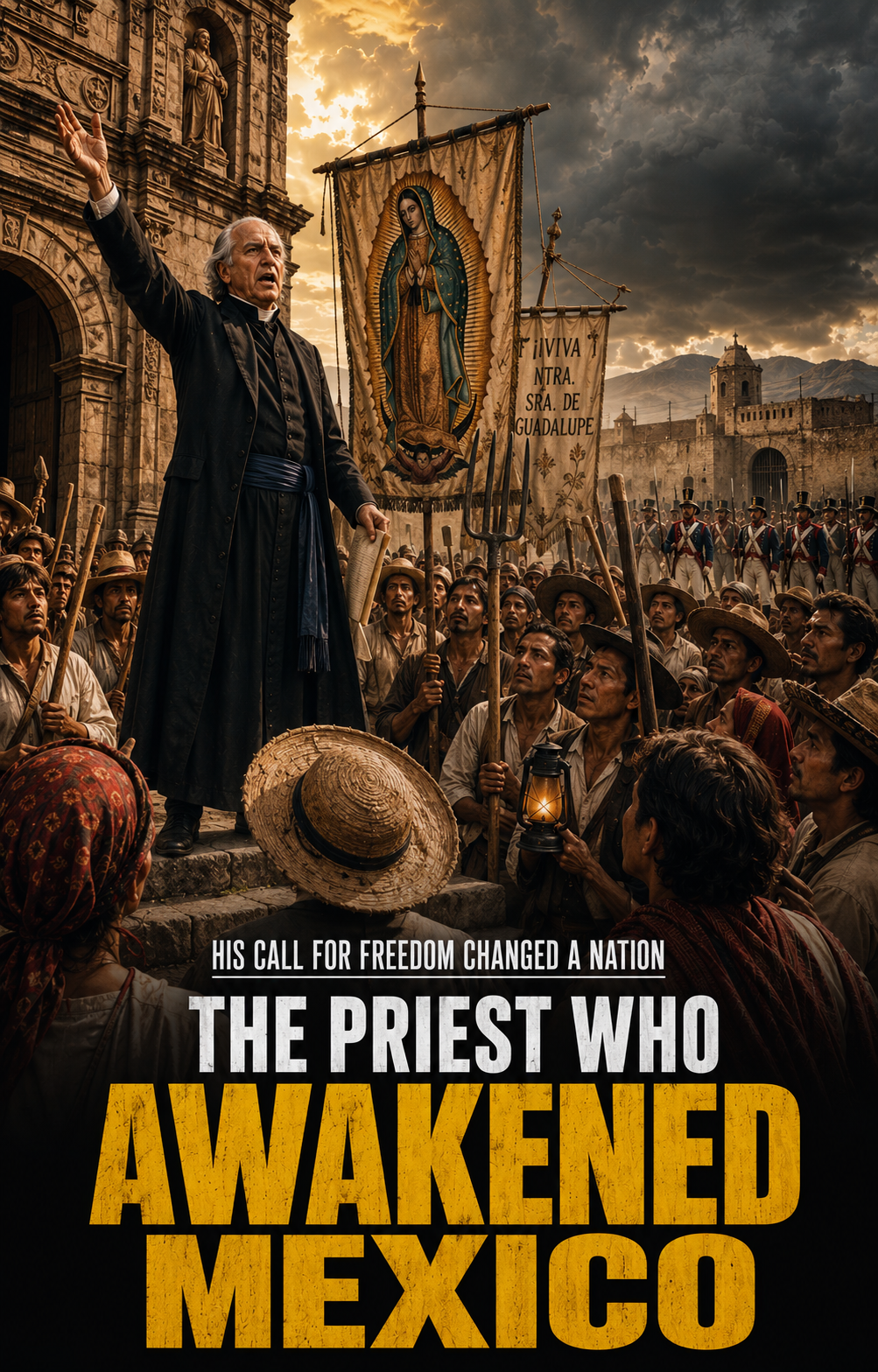
History often remembers generals, kings, and politicians as the architects of revolutions.
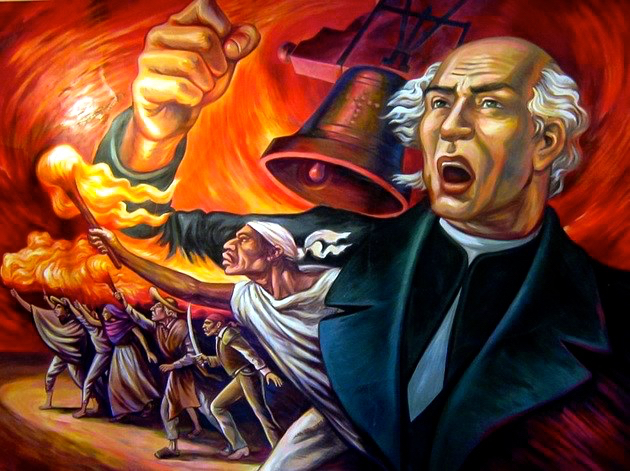
Mexico’s journey toward independence, however, is forever linked to a Catholic priest whose influence reached far beyond the walls of a church. Don Miguel Gregorio Antonio Ignacio Hidalgo y Costilla Gallaga Mandarte y Villaseñor, better known simply as Miguel Hidalgo, emerged as one of the defining figures in the struggle that ultimately ended Spanish rule and reshaped the nation’s future.
Today, he is honored across Mexico as the Father of the Nation, a title reflecting the lasting impact of his leadership during one of the country’s most transformative periods.
Miguel Hidalgo’s place in history is inseparable from the Mexican War of Independence, a conflict that fundamentally changed the course of the nation.
Although often described as a single war, the struggle for independence was far more complex. Rather than unfolding as one continuous military campaign, it consisted of numerous local and regional conflicts that took place over the same period. Together, these interconnected battles formed both an armed conflict and a sweeping political movement aimed at ending Spanish control.
The movement evolved into what can be viewed as a revolutionary civil war.
Communities across the territory experienced their own struggles, contributing to a broader effort that gradually weakened the authority of the Spanish Empire. While different regions fought under varying circumstances, they shared the same overarching goal: achieving an independent Mexico.
Within this historic movement, Miguel Hidalgo became one of its most recognizable leaders.
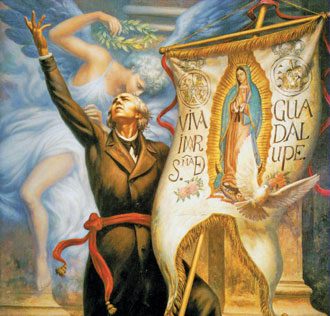
As a Mexican Catholic priest, his role extended beyond religious service. He became a prominent figure in the independence movement, helping inspire a cause that would influence generations of Mexicans.
His leadership earned him lasting recognition not only as a participant in the conflict but as one of the individuals most closely identified with the birth of the Mexican nation.
The struggle itself was neither brief nor simple.
The campaign for independence unfolded through years of political change and military confrontation. Rather than being defined by a single decisive battle, it developed through numerous regional efforts that collectively transformed the country.
Over time, those separate struggles gradually shifted the balance of power.
Eventually, the movement reached its historic conclusion.
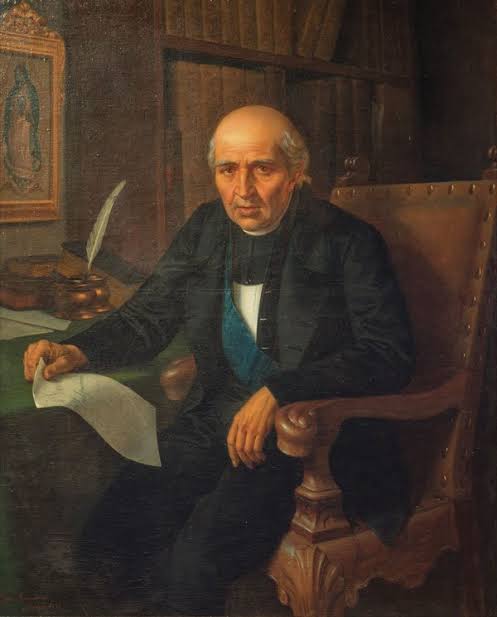
On September 28, 1821, the long campaign culminated with the drafting of the Declaration of Independence of the Mexican Empire in Mexico City. The declaration followed the collapse of the royal government and the military triumph of the forces fighting for independence, formally marking the end of Spanish rule and the emergence of an independent Mexico.
The document represented far more than a political announcement.
It symbolized the success of years of sacrifice, conflict, and determination that had spread across countless communities. The declaration transformed the aspirations of the independence movement into the official foundation of a new nation.
Miguel Hidalgo’s contribution ensured that his name remained permanently connected to that achievement.
Although the independence movement involved many participants across different regions, Hidalgo’s leadership established him as one of its defining figures. His legacy has endured because he came to embody the broader desire for national freedom during a period of profound political change.
His influence can still be felt throughout Mexico today.
One city associated with the country’s modern identity is Chihuahua City, the capital of the state of Chihuahua. As one of northern Mexico’s major urban centers, it represents a region that forms part of the nation’s rich historical landscape.
According to the 2020 census, Chihuahua City had a population of 925,762, while its surrounding metropolitan area reached 988,065 residents. The city’s continued growth reflects the development of a nation that emerged from the revolutionary era in which Hidalgo became a national symbol.
The contrast between Hidalgo’s time and modern Mexico highlights the significance of the independence movement.
The struggle was not simply about changing governments. It reshaped the political future of an entire country and established the foundations upon which modern Mexico would continue to grow.
For that reason, Miguel Hidalgo’s legacy extends beyond military or political history.
He represents the beginning of a national transformation that united diverse regional struggles into a common purpose. His leadership during the War of Independence secured him a place among the country’s most respected historical figures, earning him the enduring title of Father of the Nation.
More than two centuries after the movement he helped lead, Hidalgo remains a powerful symbol of courage, conviction, and national identity. His story reminds future generations that the birth of a nation is rarely the result of a single moment or a single battle. Instead, it is shaped by years of sacrifice, determination, and the willingness of individuals to stand for a cause greater than themselves.
The Mexican War of Independence concluded with victory in 1821, but the legacy of Miguel Hidalgo has continued ever since. His leadership during one of the most important chapters in Mexican history ensured that his name would forever be associated with the country’s path to independence and the creation of a sovereign nation.