A Village Buried Before Sunrise: Remembering the 2014 Malin Landslide That Claimed More Than 150 Lives
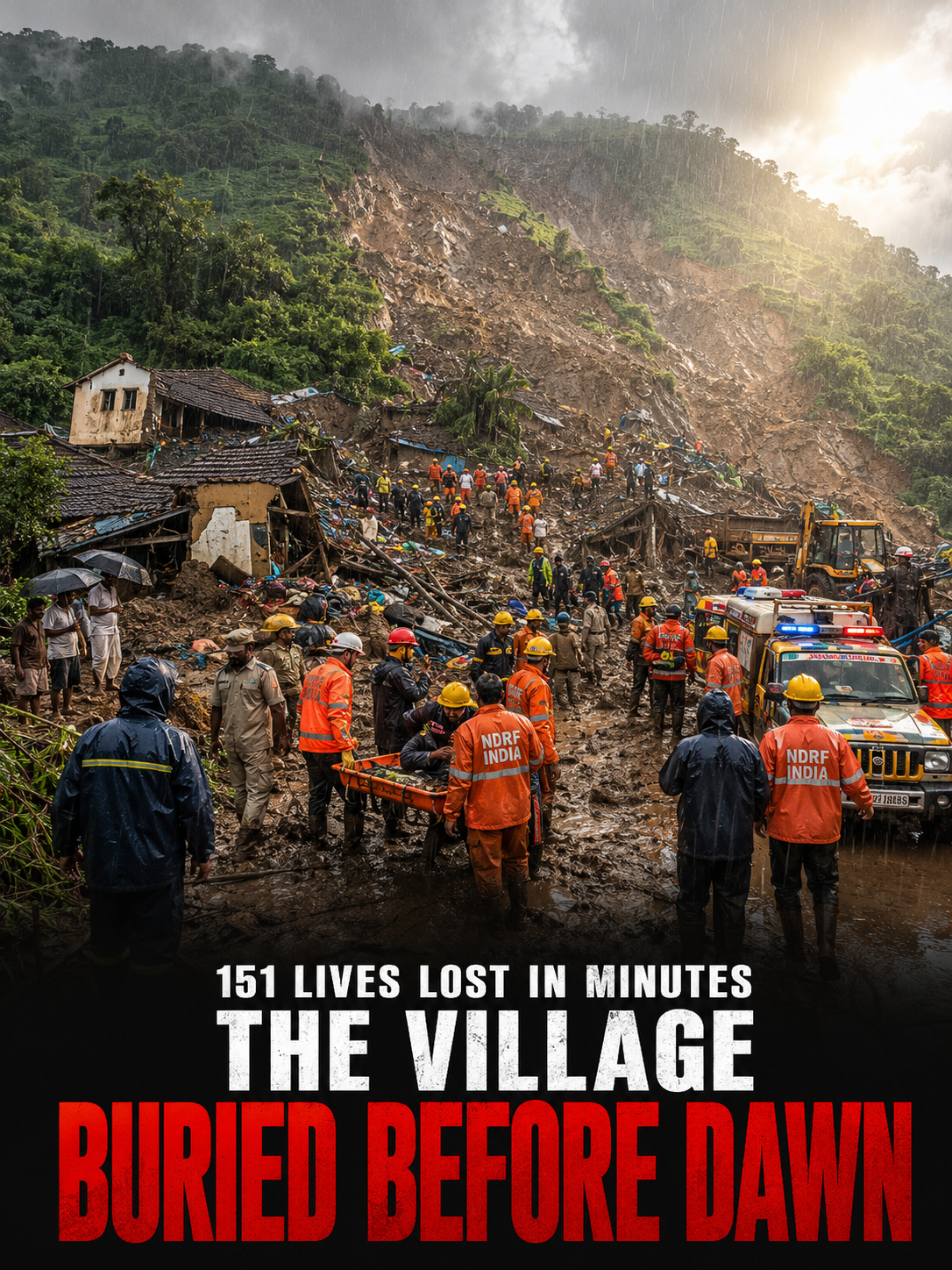
The disaster struck in the silence of the early morning, when nearly everyone in the village was still asleep.
On July 30, 2014, the quiet community of Malin, located in Ambegaon taluka of Pune district in the Indian state of Maharashtra, was overwhelmed by a devastating landslide. Triggered by an intense burst of rainfall, the collapsing hillside buried much of the village beneath mud and debris, leaving at least 151 people dead and turning an ordinary monsoon morning into one of the region’s darkest tragedies.
For many residents, there was no warning.
As heavy rain soaked the surrounding hills, the ground eventually gave way. The landslide swept through the village while families were asleep inside their homes, leaving little opportunity for escape. Within moments, buildings and lives were engulfed by the rushing earth.
The catastrophe unfolded before dawn, making the destruction even more difficult to comprehend.
When daylight arrived, the scale of the disaster became painfully clear. The peaceful settlement had been transformed into a scene of devastation, with rescue teams racing against time in hopes of finding survivors beneath the debris.
Nature, however, continued to complicate those efforts.
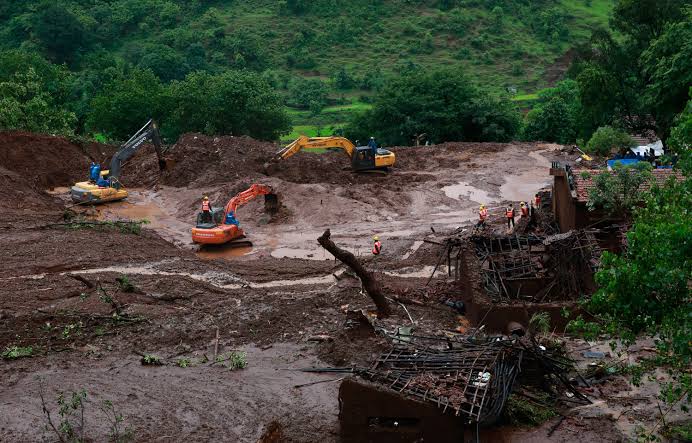
The same rainfall believed to have triggered the landslide did not stop after the hillside collapsed. Persistent rain continued to fall over the area, making rescue operations far more dangerous and challenging. Unstable ground, slippery conditions, and poor visibility slowed the search as emergency responders worked through difficult terrain.
Every hour presented new obstacles.
Search teams were forced to operate in an environment where additional rainfall threatened both the safety of rescuers and the chances of locating survivors. The weather that had caused the tragedy also became one of the greatest barriers to recovery efforts.
The human cost was heartbreaking.
At least 151 people lost their lives in the landslide, making it one of the deadliest natural disasters to strike the area. Families were torn apart in a matter of minutes, and an entire community was left facing unimaginable loss.
The village of Malin became the center of national attention as the magnitude of the tragedy unfolded.
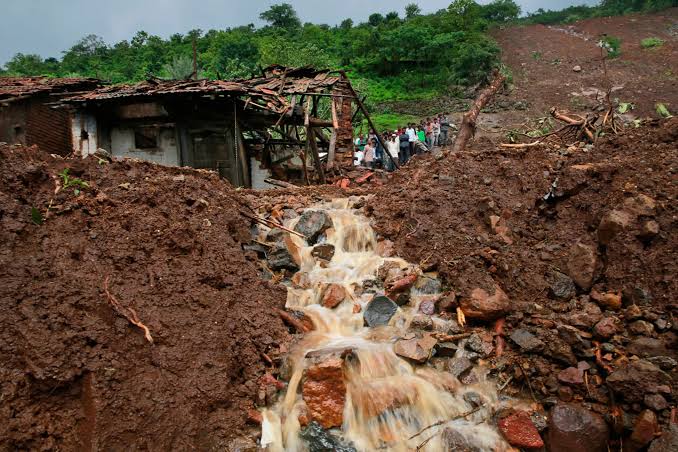
Although relatively small, the community’s experience resonated far beyond its borders, serving as a stark reminder of how quickly natural disasters can devastate vulnerable settlements during periods of extreme weather.
The disaster occurred in Maharashtra, one of India’s largest and most significant states.
Located in the western peninsular region of the country, Maharashtra occupies a substantial portion of the Deccan Plateau. The state stretches from the Arabian Sea along its western coastline to inland regions that connect with several neighboring states.
Its borders include Karnataka and Goa to the south, Telangana to the southeast, Chhattisgarh to the east, Gujarat and Madhya Pradesh to the north, and the Union Territory of Dadra and Nagar Haveli and Daman and Diu to the northwest.
The state is also remarkable for its population.
Maharashtra is the second-most populous state in India, the third-most populous country subdivision in South Asia, and the fourth-most populous subdivision in the world. Millions of people live across its cities, towns, villages, forests, and mountainous regions, making the challenges of managing natural hazards especially significant.
Against this broader backdrop, the tragedy at Malin stood out because of both its suddenness and its severity.
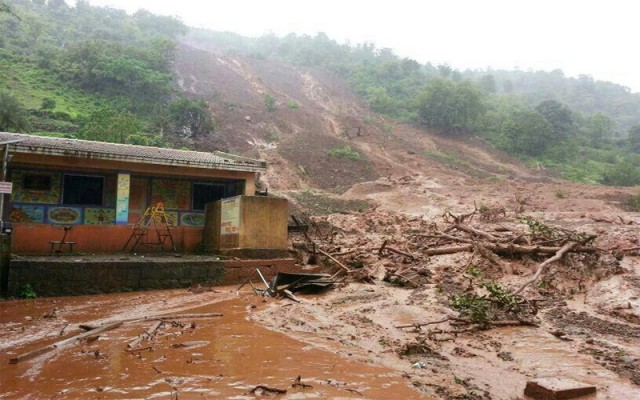
Unlike disasters that develop over days, the landslide unfolded in only moments. Residents who had gone to sleep expecting another rainy night instead found themselves at the center of a catastrophic collapse caused by the saturated hillside above them.
The event also highlighted the immense challenges faced by emergency responders after major natural disasters.
Even after the initial collapse, continuing rainfall created dangerous working conditions that slowed rescue operations and complicated efforts to reach those trapped beneath the debris. Every rescue attempt required navigating unstable terrain while confronting the ongoing threat posed by the weather.
Years later, the Malin landslide remains a somber reminder of the destructive force that intense rainfall can unleash in vulnerable landscapes.
The disaster claimed at least 151 lives, devastated an entire village, and left lasting scars on families who lost loved ones in the early hours of that July morning. It also underscored how quickly extreme weather can transform familiar surroundings into scenes of overwhelming destruction.
The events of July 30, 2014, continue to be remembered as one of Maharashtra’s most tragic natural disasters. The loss experienced in Malin serves as a powerful reminder of both the fragility of communities facing severe weather and the resilience required to endure unimaginable tragedy after the mountains themselves give way.