After 37 Years Behind Bars, the Menendez Brothers Just Received Another Unexpected Chance at Freedom
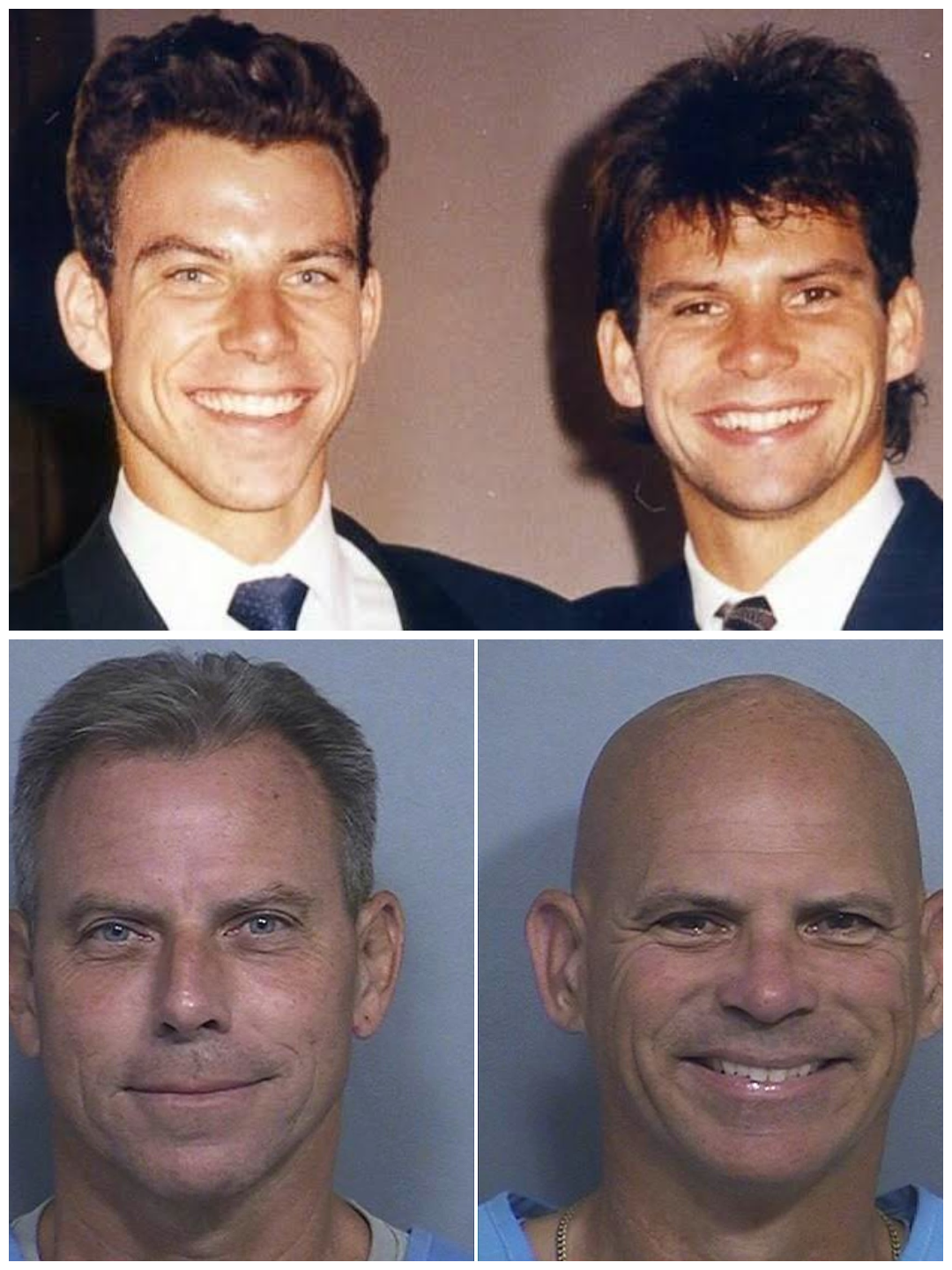
For nearly four decades, Erik and Lyle Menendez have lived behind prison walls for one of the most infamous murders in American crime history.
Now, after years of failed appeals, renewed public debate and a dramatic reduction in their sentences, the brothers have received another unexpected opportunity to argue that they should finally be released.
On Sept. 8, 2026, it was confirmed that the California Board of Parole Hearings had moved up their next parole consideration to approximately March 2027 — about 17 months earlier than previously expected.
The decision does not mean Erik or Lyle will automatically walk free.
But after 37 years in custody, it gives them another chance much sooner than many expected.
The Menendez case began on Aug. 20, 1989, when José and Kitty Menendez were shot to death inside their Beverly Hills mansion.
Their sons initially told police they had returned home and discovered the bodies.
Months later, however, suspicion increasingly focused on Erik and Lyle. Prosecutors eventually accused the brothers of carefully planning the murders and killing their parents for financial gain.
The brothers told a very different story.
They admitted carrying out the shootings but said they had lived for years with sexual, physical and emotional abuse, particularly at the hands of their father. They said the killings occurred after they became convinced their parents might kill them to prevent the alleged abuse from being exposed.
The prosecution rejected that explanation and portrayed the brothers as wealthy young men motivated by greed.
After an initial trial ended with deadlocked juries, Erik and Lyle were retried together. In 1996, they were convicted of first-degree murder and sentenced to life in prison without the possibility of parole.
For decades, that appeared to be the end of the legal road.
They would grow older in prison and never have a parole hearing.
But the case refused to disappear from American culture.
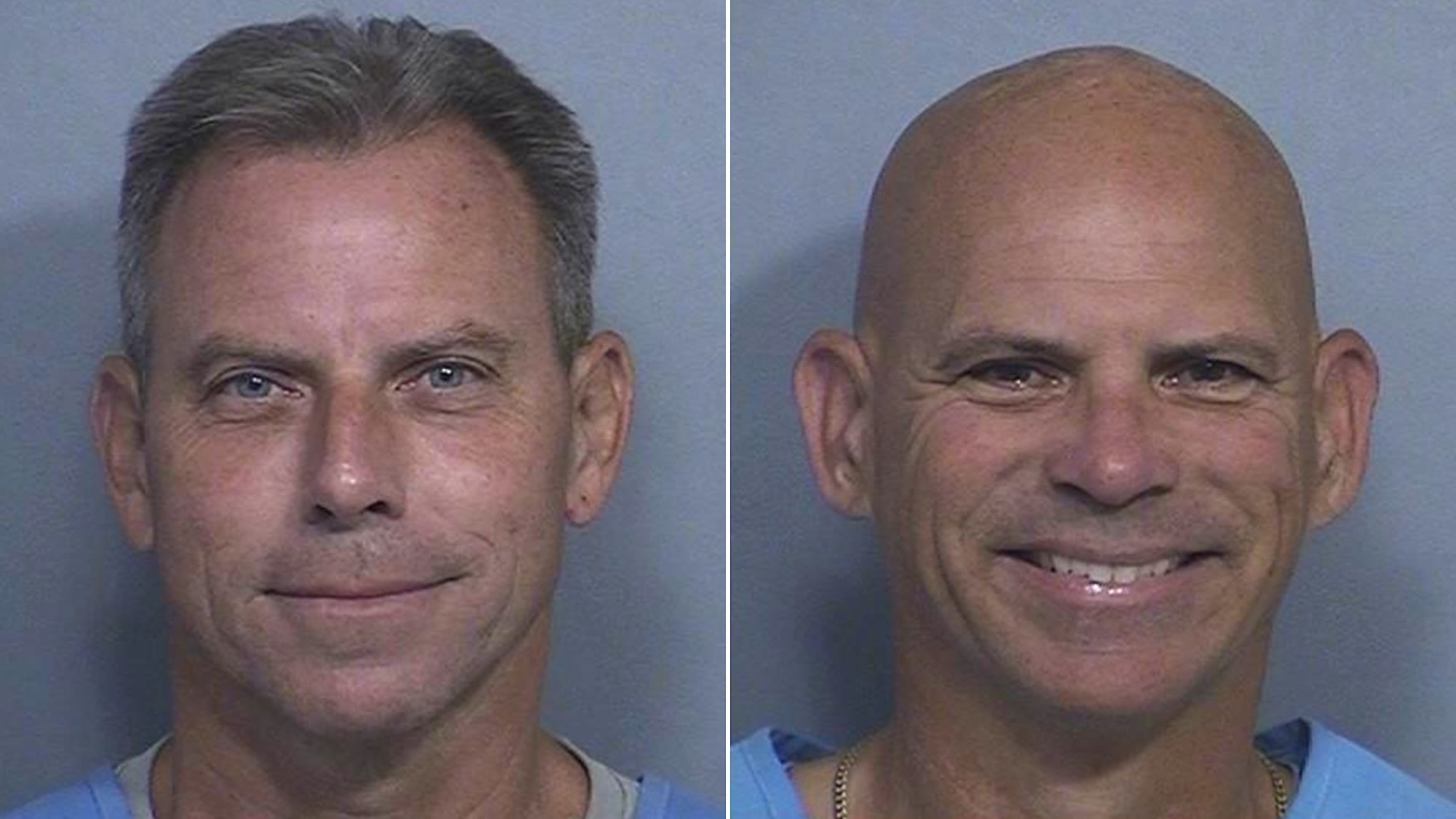
Television documentaries, podcasts, social media campaigns and dramatizations introduced the story to new generations. At the same time, attitudes toward sexual abuse — particularly abuse involving boys and young men — changed significantly from the cultural environment surrounding the brothers’ original trials.
Supporters argued that evidence of alleged abuse had never received the weight it deserved.
Critics continued to point to the brutality of the killings, the brothers’ behavior afterward and evidence prosecutors said demonstrated financial motivation.
The disagreement became part of a much larger public conversation: Were Erik and Lyle cold-blooded killers who invented a defense after the fact, or abused young men whose trauma should have fundamentally altered how their crimes were understood?
That debate eventually returned to the courtroom.
In May 2025, Los Angeles County Superior Court Judge Michael Jesic resentenced both brothers from life without parole to 50 years to life. Because Erik and Lyle were younger than 26 when they committed the crimes — Erik was 18 and Lyle was 21 — California’s youth-offender parole laws made them immediately eligible for parole consideration.
At their resentencing hearing, both men took responsibility for killing their parents.
Erik described the murders as an “atrocious act of brutality” and said he had no excuse for what he had done. Lyle likewise acknowledged making the decisions to shoot his parents, reload his weapon and then attempt to avoid responsibility.
For the first time since their convictions, freedom became legally possible.
But possibility did not immediately become reality.
In August 2025, each brother appeared separately before the California Board of Parole Hearings.
Both were denied.
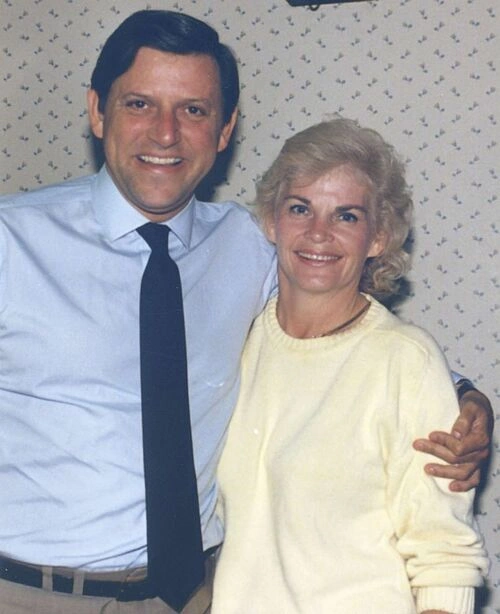
The board raised concerns about their conduct in prison despite decades of rehabilitation efforts.
In Lyle’s case, commissioners pointed to what they described as continuing antisocial traits, including deception. Erik’s hearing focused partly on repeated prison-rule violations, including unauthorized cellphone use.
The denials were a major setback.
Under the schedule that followed, the brothers were not expected to appear before the parole board again until August 2028.
Then came another surprise.
Both men petitioned for earlier consideration.
California rules allow eligible incarcerated people to seek an advanced hearing when changed circumstances or new information might indicate that they could now be suitable for parole.
Their petitions were successful.
The parole board conducted administrative reviews and tentatively moved both hearings to March 2027. State officials did not publicly disclose the specific reasons behind the decision.
That puts their next opportunity approximately 17 months earlier than previously scheduled.
For the Menendez family, the development was welcomed as another step toward a possible reunion.
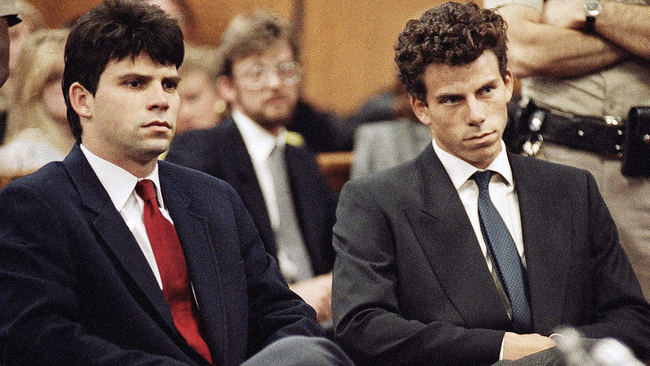
Many relatives of José and Kitty Menendez have publicly supported the brothers’ release, an unusual dynamic in a case involving the murder of family members.
At the 2025 resentencing hearing, relatives from both sides of the family argued that more than three decades in prison had been sufficient punishment.
One cousin told the court that the family believed “35 years is enough.”
Supporters have also emphasized the brothers’ activities while incarcerated.
Over the years, Erik and Lyle have participated in rehabilitation programs and prison projects. Reports have highlighted work including hospice-related programs and efforts aimed at improving conditions for fellow prisoners.
Those accomplishments will likely be weighed alongside the disciplinary problems cited during their 2025 parole hearings.
And that is important because parole hearings are not retrials.
The parole board is not being asked to decide again whether Erik and Lyle killed their parents. Their convictions remain in place.
Instead, commissioners will evaluate whether the brothers, now in their 50s, still present an unreasonable danger if released.
That means the March 2027 hearings will likely focus heavily on rehabilitation, accountability, insight into the crimes, prison behavior and plans for life outside custody.
Their abuse claims will still form an important part of the broader story.
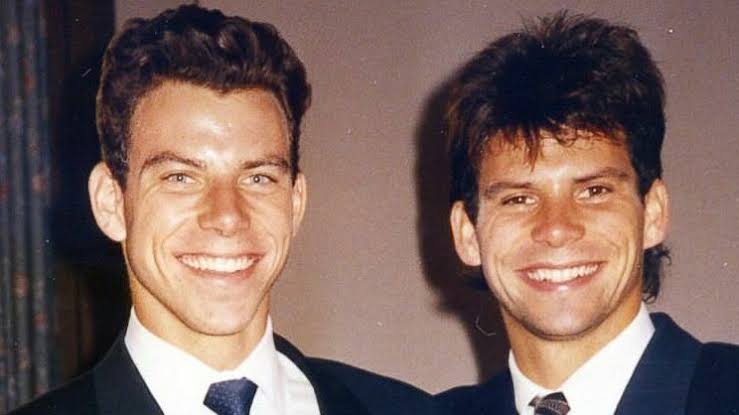
The brothers have maintained for decades that their father sexually abused them and that their mother failed to protect them. Their allegations received renewed attention in recent years after additional material surfaced, including claims from former Menudo member Roy Rosselló that José Menendez had sexually assaulted him when Rosselló was a teenager.
That evidence contributed to renewed legal scrutiny, although a judge later rejected the brothers’ separate attempt to overturn their convictions and obtain a new trial.
So the legal landscape remains complicated.
Their murder convictions stand.
Their request for a new trial failed.
Their first parole applications failed.
Yet their original life-without-parole sentences no longer exist, and another parole hearing is now approaching far sooner than anticipated.
Few major American criminal cases have gone through such a dramatic transformation so many years after conviction.
When Erik and Lyle entered prison, there was effectively no legal path home.
Now, for the second time in less than two years, they will sit before commissioners and make the case that the young men who committed the murders in 1989 are not the same men they are today.
There is no guarantee that the board will agree.
An early hearing is not an early release.
Commissioners could again decide that one or both brothers remain unsuitable for parole.
But the significance of the September 2026 decision is difficult to ignore.
Thirty-seven years after José and Kitty Menendez were killed inside their Beverly Hills home, and three decades after their sons were sentenced to spend the rest of their lives in prison, the story is no longer about whether Erik and Lyle will ever have a chance at freedom.
They already do.
The question now is whether, when they return before the parole board in March 2027, that chance will finally become a release date.