Arizona Foster Volunteer Says Dog Attack Nearly Killed Her — Now She Wants Others to Understand the Risks
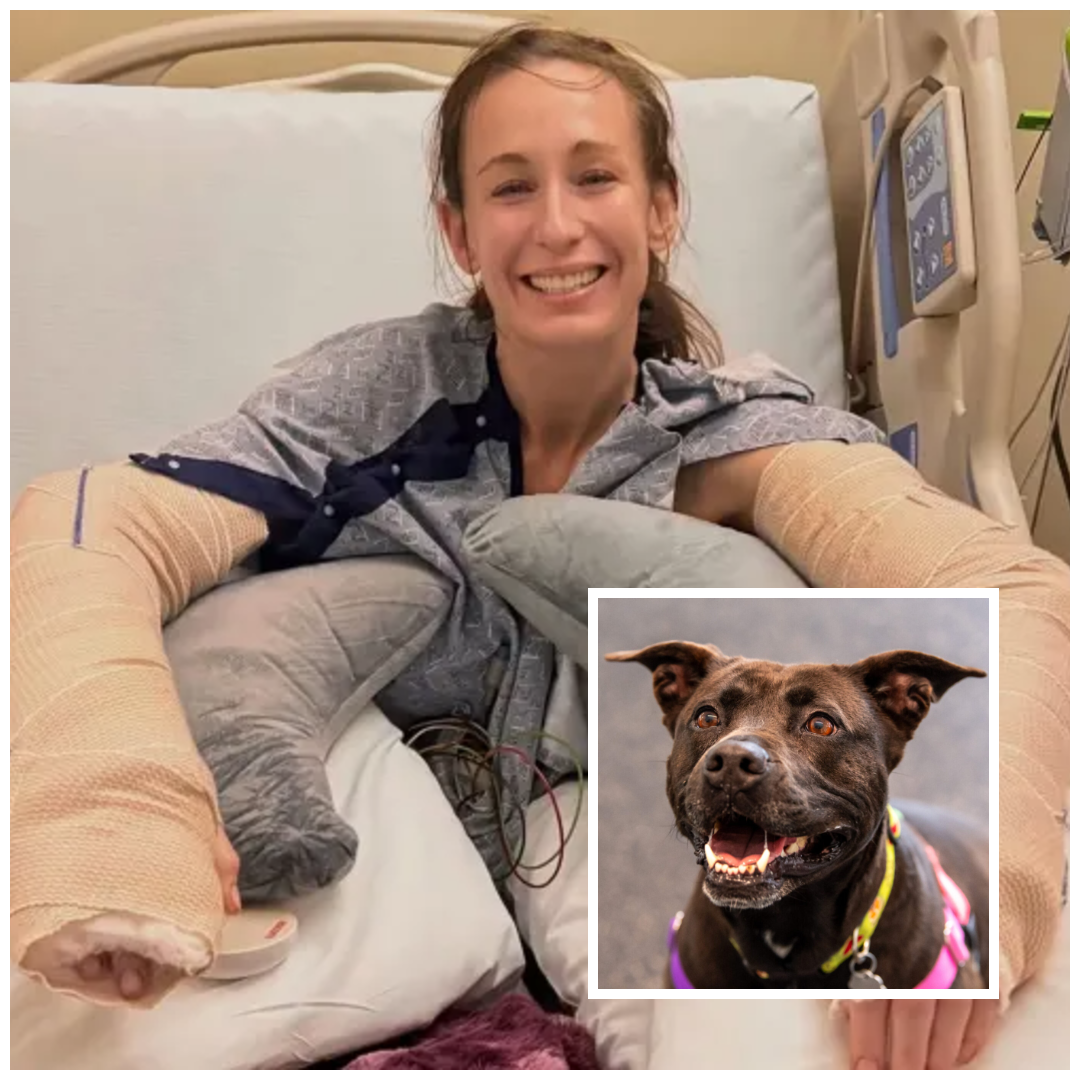
Liz Shidler had spent nearly five years opening her home to foster dogs.
She knew the work could be demanding. She knew animals coming out of shelters could carry complicated histories. But nothing prepared the Tempe, Arizona, woman for what happened inside her own house on July 8.
The dog she was fostering suddenly attacked her.
By the time Shidler escaped, she had suffered injuries so severe that she lost three units of blood, required emergency surgery and feared she might die before help arrived.
More than a month later, she still cannot use her arms.
Now, while facing a long recovery that could keep her from working for at least a year, Shidler is speaking publicly about the attack for one reason: she wants other foster volunteers to understand that compassion does not eliminate risk.
Benny Had Been in Her Home for Nearly a Month
Shidler had been fostering a dog named Benny for almost a month before the attack.
Benny had previously been a stray and had landed on a euthanasia list, according to Maricopa County Animal Care and Control.
On Jan. 22, he was transferred to a partner organization through New Hope, a program that works with shelter animals.
Officials said Benny had not shown previous signs of behavioral problems.
That history made what happened in July all the more difficult for Shidler to anticipate.
On July 8, Benny was one of four dogs inside her home.
Shidler took the animals into the backyard.
Then the situation changed.
Benny began attacking one of the other dogs.
Shidler intervened and pulled him away, taking him into her bedroom in an attempt to separate the animals.
Instead of calming down, the situation escalated.
The Attack Moved Beyond What She Could Control
Once inside the bedroom, Shidler said she was suddenly dealing with something she could no longer manage.
Benny latched onto her arm.
Shidler later recalled that the dog held on for what felt like an extremely long time while she desperately tried to get away.
She has no doubt about how serious the situation became.
Asked whether she believed she had come close to dying, Shidler said yes.
If she had been unable to get out of that room, she believes the outcome could have been fatal.
The injuries to her left arm were particularly severe.
Shidler said she nearly lost it.
An artery was torn during the attack, causing massive blood loss.
She lost three units of blood.
Even calling 911 became difficult because blood repeatedly interfered with her phone as she tried to summon help.
It was a terrifying complication at the worst possible moment: she was badly hurt, losing blood quickly and struggling simply to keep the emergency call connected.
Eventually, help arrived.
Shidler was rushed into emergency medical care.
Four Days in the Hospital — and a Much Longer Recovery Ahead
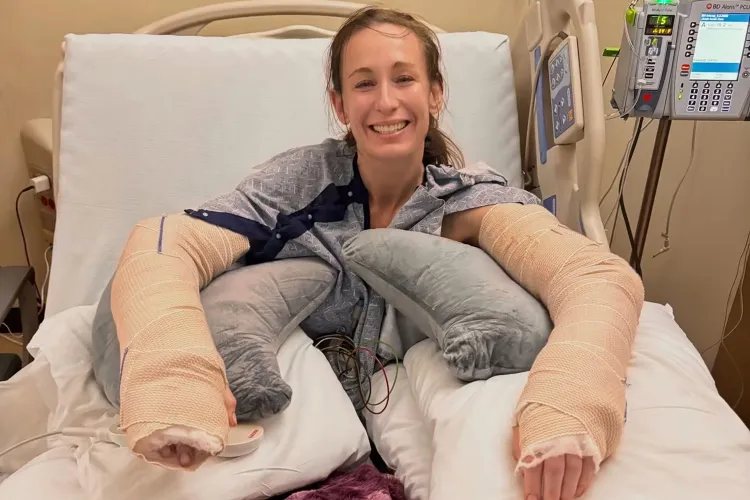
Shidler underwent emergency surgery and remained hospitalized for four days.
Leaving the hospital did not mean she had regained anything close to her old independence.
More than a month after the attack, she said she remained unable to use her arms.
Tasks that once required almost no thought became impossible without help.
She cannot put her own hair into a ponytail.
She cannot get herself ready for the day without assistance.
She currently lives with a friend who works from home and helps her through ordinary routines.
The friend comes in and helps Shidler prepare for the day because she cannot manage many basic tasks alone.
A fundraiser created to help with her recovery describes the extent of those limitations in even starker terms.
Shidler needs assistance getting dressed, preparing food, washing her hands and handling other aspects of everyday care.
Doctors expect rehabilitation to be lengthy and intensive.
According to the fundraiser, Shidler may be unable to return to work for at least a year.
The Financial Consequences Arrived Quickly
Her physical recovery is only one part of the crisis.
Shidler currently has no income.
Her unemployment claim was denied, according to the fundraiser, leaving her facing major financial pressure at the same time she is trying to recover from significant injuries.
The combination is overwhelming.
She has medical needs.
She requires help with daily activities.
She cannot work.
And the path back to independence may take many months.
For someone who had spent years taking animals into her home to help them, Shidler suddenly found herself dependent on other people for some of the most basic parts of her own life.
The fundraiser was created to help ease those burdens while she works through rehabilitation.
Why She Is Talking About What Happened
Despite everything she has endured, Shidler’s decision to speak publicly about the attack is not centered on anger.
It is centered on warning others.
She had been fostering dogs for almost five years.
That experience had given her confidence, but it had also come from a place of compassion.
And she now believes compassion can sometimes cause volunteers to underestimate their own limits.
Shidler said people who foster animals can become so focused on wanting to help that they forget to maintain boundaries.
“We forget our boundaries when we think with our heart,” she said.
For her, that is the lesson she most wants other foster volunteers to hear.
Wanting to save an animal does not mean ignoring danger.
Experience does not make someone invulnerable.
And an animal that has never previously shown concerning behavior can still become unpredictable under certain circumstances.
Shidler does not want another foster volunteer to learn that lesson the way she did.
Benny Had Not Previously Raised Behavioral Concerns
One of the most unsettling parts of the incident is the absence of an obvious warning in Benny’s documented history.
Animal control officials said he had been a stray and had once been on a euthanasia list.
But they also said he had not previously displayed behavioral concerns.
For nearly a month in Shidler’s home, there had apparently been no indication that an attack of this severity was coming.
Then, during a conflict with another dog, everything changed.
Shidler stepped in to separate the animals.
Within moments, she became the victim herself.
Information about Benny’s status after the attack was not immediately available.
An Act of Compassion That Changed Her Life
Fostering shelter animals is built around a simple idea: giving an animal somewhere safe to stay while it waits for a more permanent future.
Shidler had done that work for years.
She had taken animals into her own home because she wanted to help.
That history makes the aftermath especially complicated.
The same instinct that had motivated her to foster — caring deeply about vulnerable animals — is also what she now believes foster volunteers need to balance with greater awareness of personal safety.
Her message is not that people should stop caring.
It is that they should recognize their own limits before an emergency reaches a point where they can no longer control it.
More than a month after the July 8 attack, Shidler’s life looks dramatically different.
She is living with a friend.
She cannot use her arms normally.
She depends on someone else for everyday tasks.
She faces an uncertain financial future and potentially a year or more away from work.
And she is still trying to process how quickly an ordinary day with four dogs at home became a fight for survival.
Shidler believes she came dangerously close to losing her life.
Now she hopes telling that story can prevent someone else from getting just as close.