Dolly Parton Never Appeared in Father of the Bride — But Her Name Was Quietly Behind It, Sabrina and More
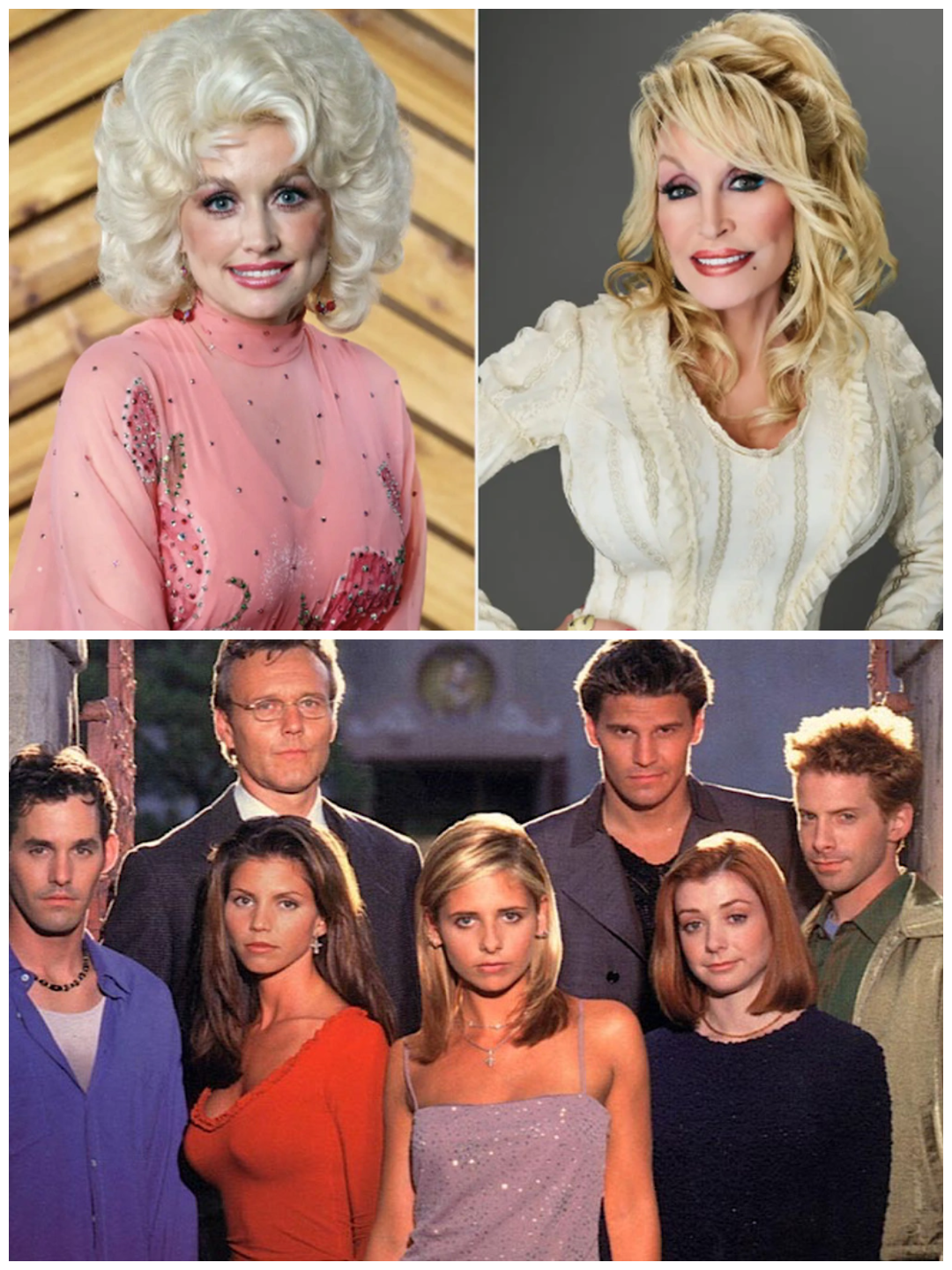
Dolly Parton’s connection to Buffy the Vampire Slayer has become one of the most surprising pieces of trivia to resurface after her death.
For years, many fans had no idea that the country music legend helped produce the cult television series through Sandollar Productions, the company she co-owned with her longtime manager Sandy Gallin.
But Buffy was not an isolated side project.
In fact, Dolly’s behind-the-scenes Hollywood footprint was much larger than most people realized.
Through Sandollar, Parton was connected to a string of movies that defined the late 1980s and 1990s for millions of viewers — including Father of the Bride, Father of the Bride Part II, Sabrina, I.Q., Shining Through and the Oscar-winning documentary Common Threads: Stories from the Quilt.
And unlike 9 to 5 or Steel Magnolias, Dolly did not have to appear on screen for her influence to be there.
Sandollar Was Dolly’s Quiet Second Career
Parton formed Sandollar Productions with Gallin, her former manager, as a film and television production company.
The name itself was a combination of Sandy and Dolly.
While audiences knew Parton as a singer, songwriter and actress, Sandollar gave her a foothold on the business side of Hollywood.
The Los Angeles Philharmonic’s biography of Parton specifically credits the company with producing Father of the Bride and its sequel, Straight Talk, Sabrina, Shining Through, I.Q., Common Threads and television projects including Buffy the Vampire Slayer.
That list is striking because several of those projects have almost no obvious connection to Dolly Parton.
There are no rhinestones.
No country songs.
No Tennessee setting.
Sometimes, Dolly herself is nowhere in sight.
That may be exactly why this part of her career remained so easy to overlook.
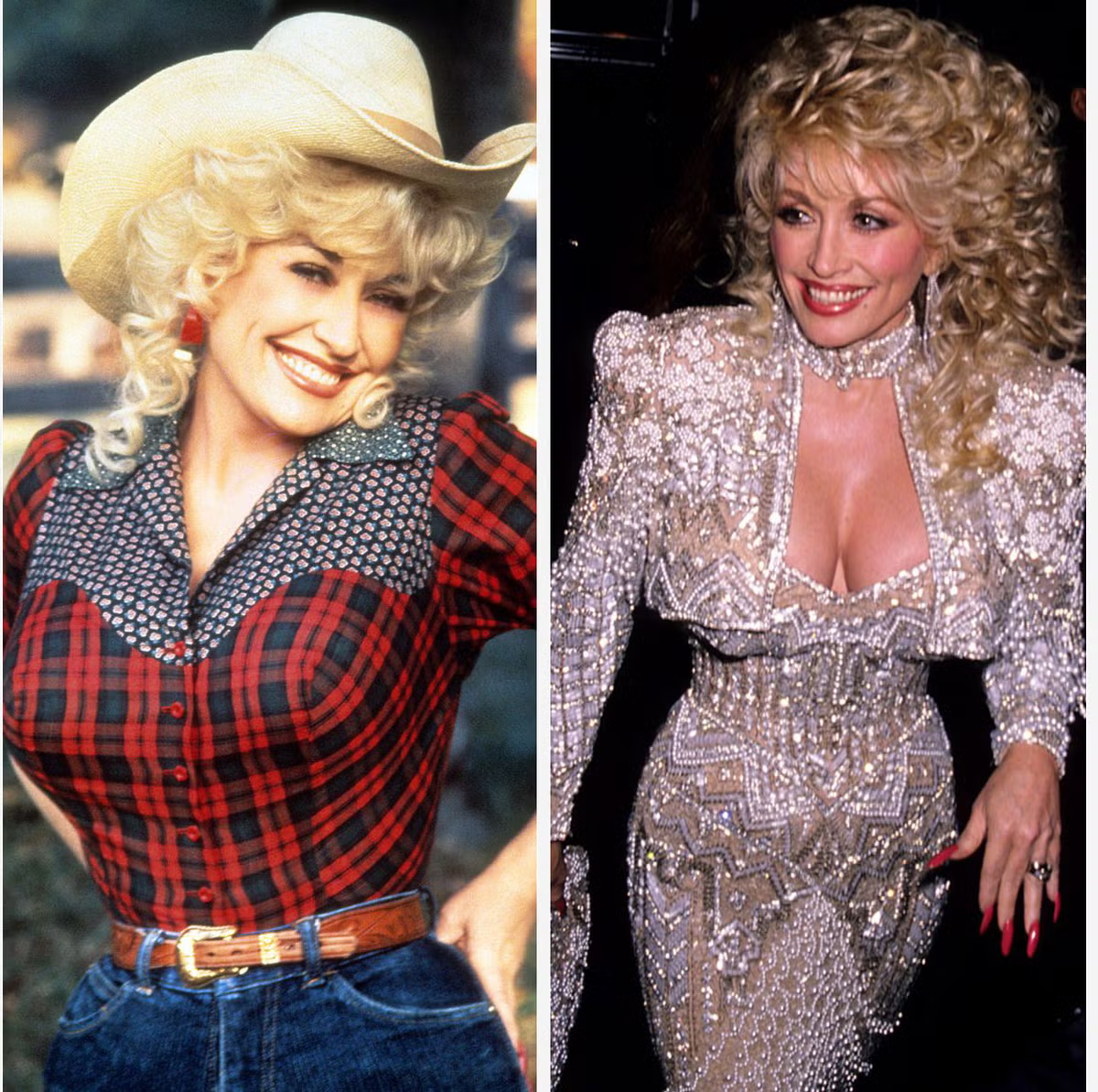
Yes, Dolly Was Connected to Father of the Bride
Consider Father of the Bride.
The 1991 comedy starring Steve Martin, Diane Keaton, Kimberly Williams and Martin Short became one of the defining family comedies of its era.
Martin played George Banks, a father slowly unraveling as he confronts the emotional and financial realities of his daughter’s wedding.
The film grossed more than $100 million and later produced a successful sequel.
Most viewers probably never associated it with Dolly Parton.
But Sandollar Productions was one of the studios behind the movie. Producer Carol Baum, who spent a decade as co-president of Parton and Gallin’s company, produced Father of the Bride.
Four years later, Sandollar was again involved with Father of the Bride Part II.
That means one of the most familiar Steve Martin franchises of the 1990s had a quiet corporate connection to the woman singing “Jolene.”
Then There Was Sabrina
The same pattern appears with Sabrina.
The 1995 remake starred Harrison Ford, Julia Ormond and Greg Kinnear in the romantic story previously made famous by Audrey Hepburn and Humphrey Bogart.
Again, there was nothing particularly “Dolly” about it.
Yet Parton’s own official biographical material has long listed Sabrina among the feature films produced by Sandollar.
That is what makes the company’s filmography so unusual.
Sandollar was not simply a vehicle for Dolly Parton projects.
Yes, it produced films and television specials involving her.
But it also developed and backed projects with entirely different casts, genres and identities.
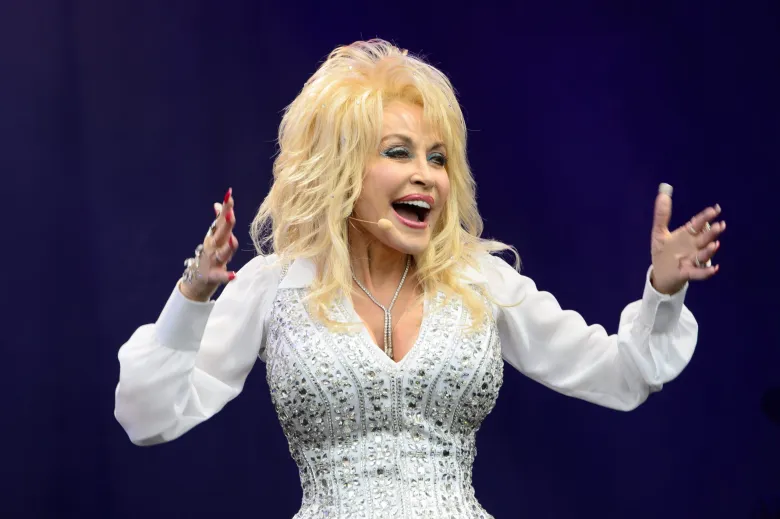
Sandollar’s Filmography Kept Expanding
Carol Baum’s career offers one of the clearest pictures of what Sandollar was actually doing.
Sundance identifies Baum as the former co-president of Dolly Parton and Sandy Gallin’s company and credits her Sandollar years with movies including Father of the Bride, I.Q., Buffy the Vampire Slayer, Shining Through, Straight Talk, Gross Anatomy, Jacknife and True Identity.
That is a remarkably eclectic list.
I.Q., released in 1994, paired Tim Robbins with Meg Ryan and Walter Matthau in a romantic comedy that imagined Albert Einstein interfering in his niece’s love life.
Shining Through, from 1992, was a World War II romantic thriller starring Michael Douglas and Melanie Griffith.
Gross Anatomy was a medical-school drama.
Kicking and Screaming became Noah Baumbach’s feature directing debut.
And Fly Away Home, associated with Sandollar personnel including Baum and Gallin, became one of the most memorable family films of the 1990s, starring Jeff Daniels and Anna Paquin.
Taken together, the projects look less like a celebrity vanity company and more like a genuine Hollywood production operation.
One Sandollar Film Even Won an Oscar
Perhaps the most important early example was not a mainstream comedy at all.
It was Common Threads: Stories from the Quilt.
The 1989 documentary examined the AIDS crisis through stories connected to the NAMES Project AIDS Memorial Quilt.
Sandollar produced the film, and it went on to win the Academy Award for Best Documentary Feature.
That matters because it shows the company was willing to support material far outside the safe commercial territory people might have expected from Parton.
The film dealt with grief, activism and a public-health catastrophe at a time when AIDS remained heavily stigmatized.
It was also one of Sandollar’s earliest high-profile projects that did not depend on Dolly appearing in front of the camera.
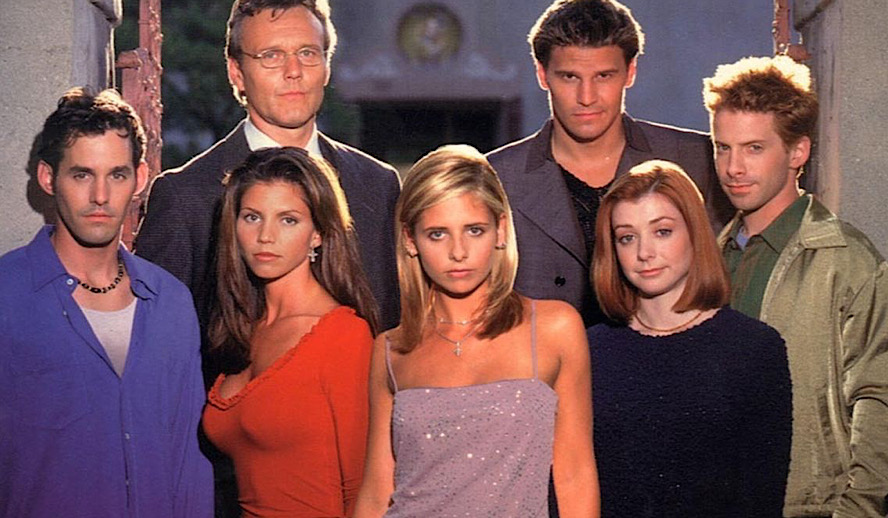
Then Came Buffy
Years later, Sandollar made what became perhaps its most unexpected contribution to pop culture.
The company helped produce the original 1992 Buffy the Vampire Slayer movie and later became involved in developing the television adaptation that premiered in 1997.
That series, starring Sarah Michelle Gellar, ultimately ran for seven seasons and became one of the most influential genre shows of its generation.
Parton remained largely invisible to viewers.
Her name was not the part fans discussed when talking about Buffy Summers, Sunnydale or vampires.
But she was not completely detached from the production.
Gellar has recalled that Parton sent Christmas gifts to members of the cast and knew what was happening with the series. Parton herself later expressed pride in the show’s success.
In other words, Dolly was not simply a name attached to a company she had forgotten about.
She was aware of what Sandollar was doing.
Why So Few People Knew
Part of the reason this side of Parton’s career stayed hidden is that she rarely centered herself in the story.
When Dolly starred in 9 to 5, everyone knew it was a Dolly Parton movie.
When she wrote “I Will Always Love You,” her authorship became part of music history.
But production companies operate differently.
A company can help develop, finance, package or produce a movie without its owners appearing anywhere in the marketing.
That is why someone could watch Father of the Bride repeatedly for 35 years and never think about Dolly Parton.
The connection existed in credits and business structures rather than on screen.
Her Hollywood Legacy Was Bigger Than Her Film Roles
Parton’s acting career alone would have given her a respectable Hollywood legacy.
Doralee in 9 to 5 remains iconic.
Truvy in Steel Magnolias became one of her most loved roles.
She also starred in The Best Little Whorehouse in Texas, Rhinestone and Straight Talk.
But Sandollar reveals a completely different side of her ambition.
She was not satisfied with merely being hired by Hollywood.
She became one of the people helping decide what Hollywood made.
And the result was a strange, impressive collection of projects that many viewers still know intimately.
Steve Martin panicking over his daughter’s wedding.
Harrison Ford falling for Sabrina.
A young Buffy Summers discovering vampires.
A family teaching geese to migrate.
An Oscar-winning documentary preserving the stories behind the AIDS Memorial Quilt.
Dolly Parton did not need to walk into any of those scenes for part of her Hollywood story to be there.
That may be the biggest surprise.
People knew Dolly as a country star who became an actress.
What they may have missed was that, quietly, she had also become a producer whose company helped put some of the most familiar movies and television of an entire era on the screen.