Dolly Parton Secretly Entered a Dolly Parton Look-Alike Contest — And Lost
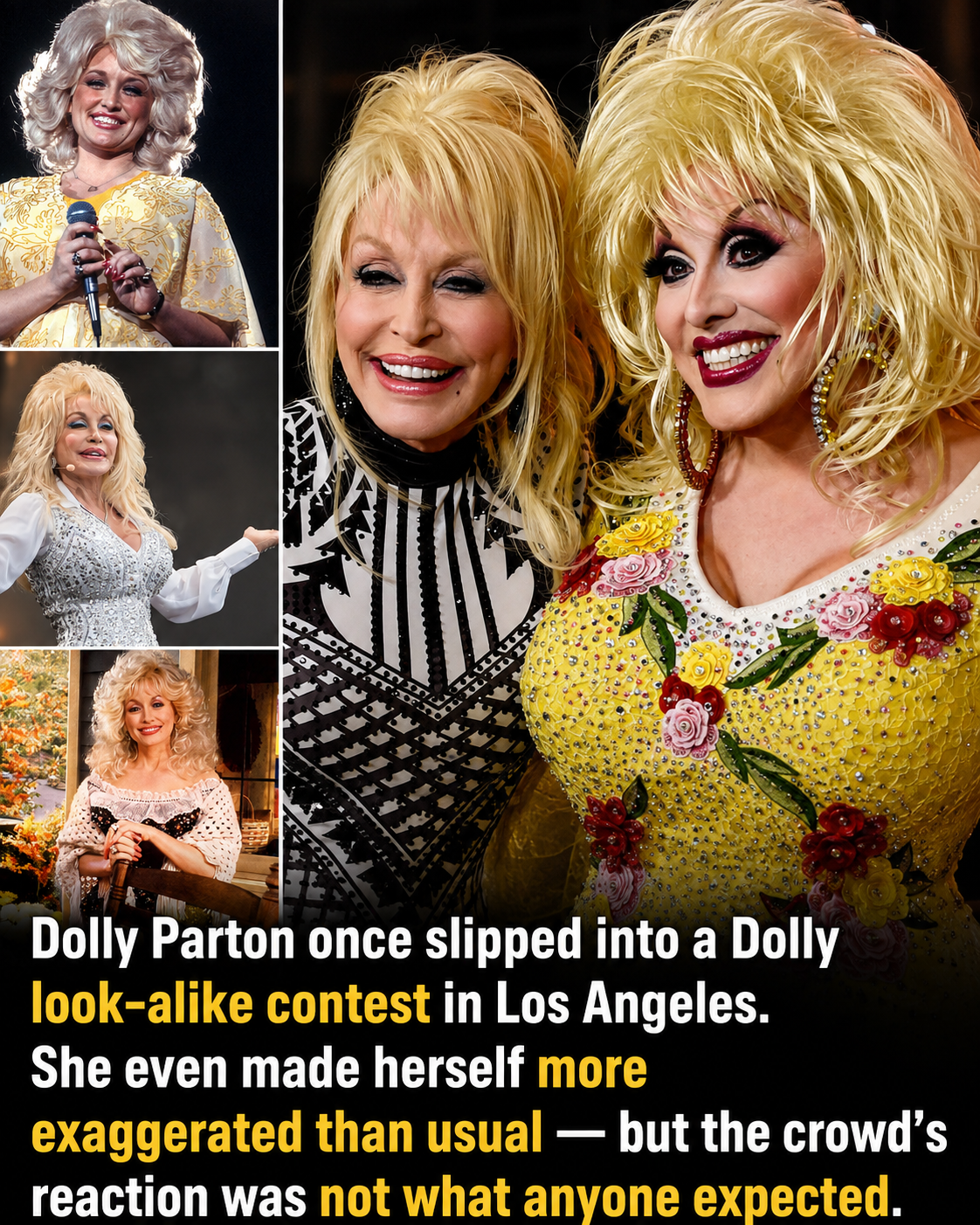
Dolly Parton spent decades building one of the most recognizable images in entertainment.
The enormous blonde hair.
The dramatic eye makeup.
The rhinestones.
The high heels.
The tiny waist.
The exaggerated curves.
By the time she became an international superstar, it seemed almost impossible that anyone could mistake Dolly Parton for somebody else.
Then Dolly decided to test that theory herself.
During a night out in Los Angeles, she discovered that a gay bar was holding a Dolly Parton look-alike contest.
Instead of simply watching, Dolly had a much better idea.
She entered.
She did not tell anyone that the real Dolly Parton had joined the competition.
She deliberately exaggerated her own famous appearance, making her hair bigger and her makeup even more dramatic than usual.
Then she lined up alongside men dressed as Dolly and walked across the stage like everyone else.
Surely the woman who had spent years being imitated would win a contest designed to find the person who looked most like her.
She did not.
According to Dolly, she received less applause than the other contestants.
The real Dolly Parton lost a Dolly Parton look-alike contest.
Dolly Had Always Understood the Joke Behind Her Image
The story sounds almost too perfectly designed to be true because it captures something essential about Dolly.
She never treated her appearance with the seriousness people might expect from someone whose image became so valuable.
Dolly knew her look was exaggerated.
That was the point.
She famously said that as a girl she was fascinated by a woman in her hometown whom respectable people regarded as trashy.
Other adults saw something inappropriate.
Young Dolly saw glamour.
The bleached hair, tight clothes, high heels and makeup represented beauty to her.
When people later told her that woman was considered “trash,” Dolly’s response was essentially that this was exactly what she wanted to look like.
As her career developed, she turned that childhood fascination into an image nobody else could own.
And then she spent decades making jokes about it.
She joked about wigs.
She joked about cosmetic procedures.
She joked about her figure.
She often delivered the punchline before anyone else had the chance.
That self-awareness is exactly what made the look-alike contest irresistible to her.
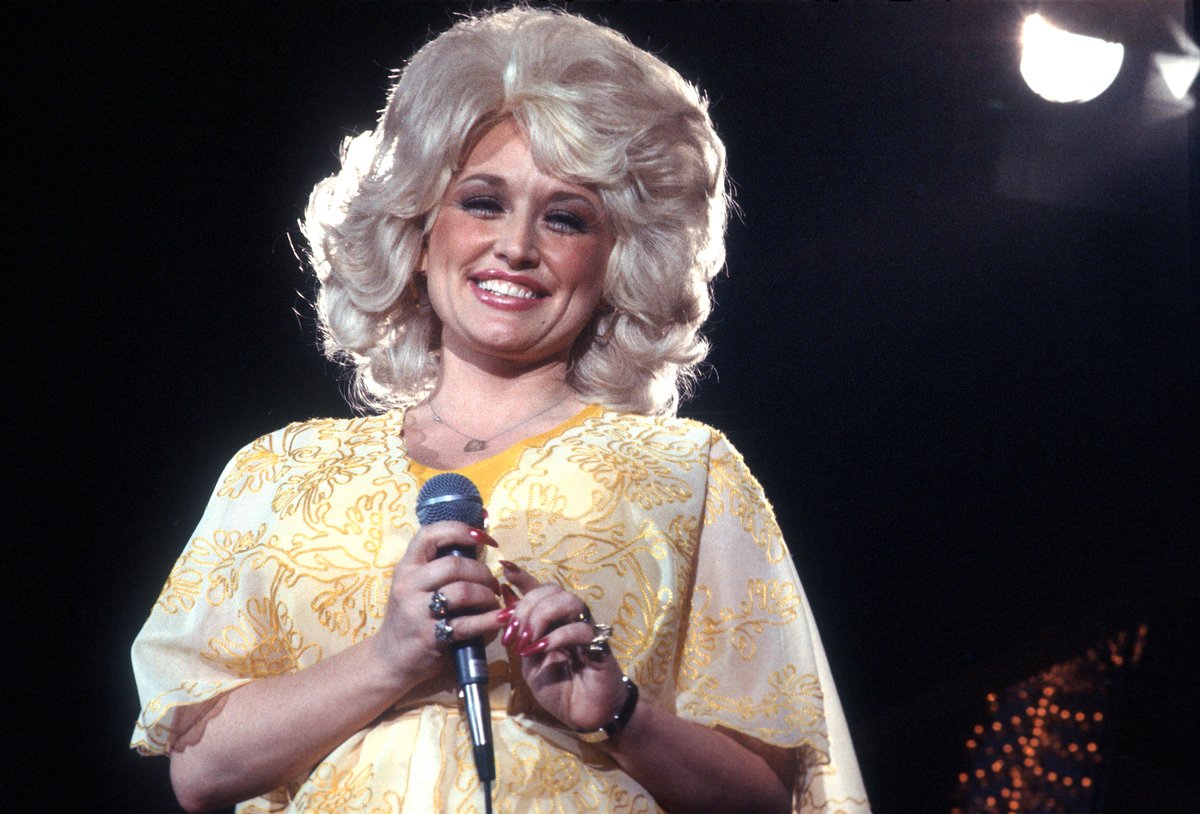
A Night Out in Los Angeles Turned Into an Experiment
Dolly later recalled attending the contest at a gay bar in Los Angeles.
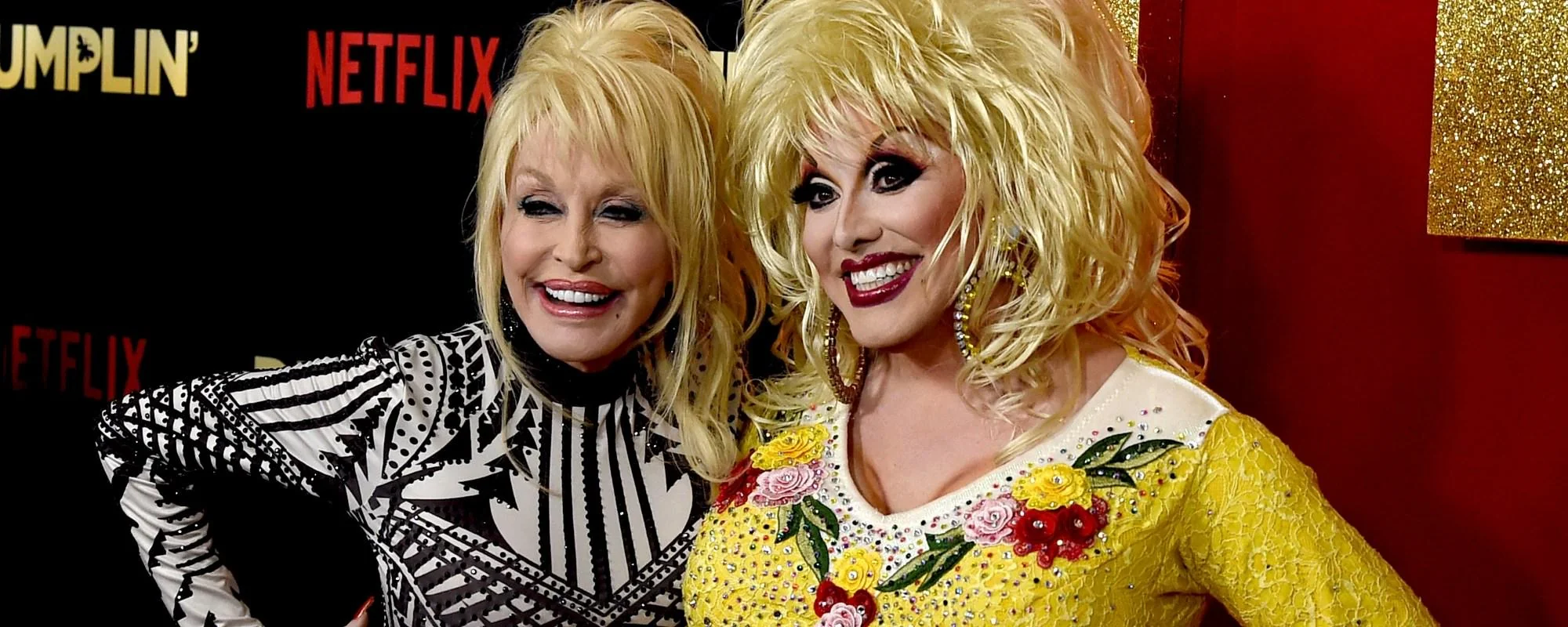
Drag performers had long embraced her as an ideal character.
It is easy to understand why.
Dolly’s visual style was already theatrical enough to translate perfectly to drag: huge hair, sparkling clothes, dramatic makeup and a personality big enough to match all of it.
Rather than being offended by people exaggerating her appearance, Dolly enjoyed it.
So when she found herself surrounded by contestants trying to become Dolly Parton for the night, she decided to see whether she could compete with them.
But simply walking onto the stage looking like her everyday self seemed too easy.
Dolly decided she needed to look more like “Dolly Parton.”
Which meant becoming an exaggerated version of an image that was already exaggerated.
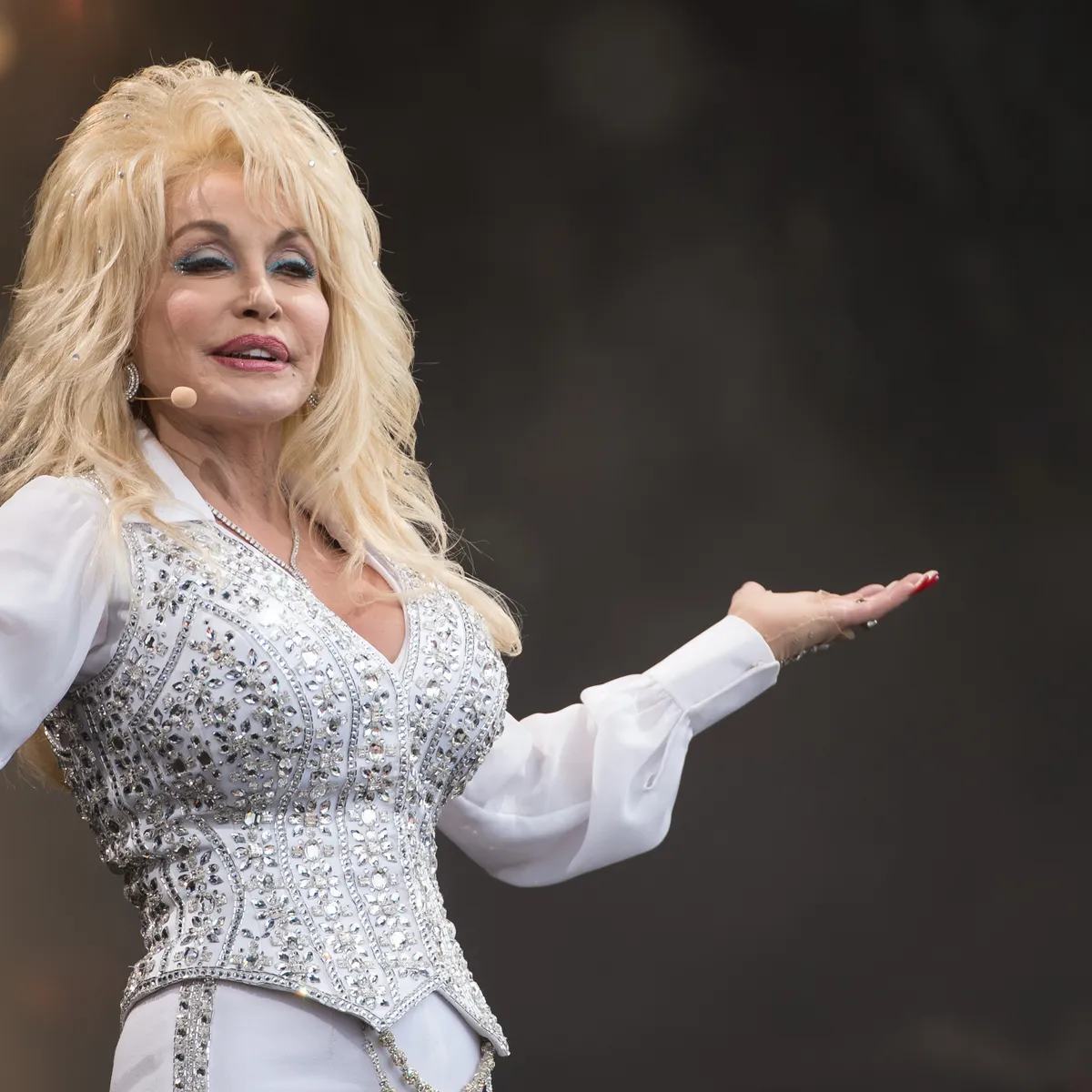
She Made Herself Even More Dolly
Dolly said she increased everything.
She made the hair bigger.
She applied heavier makeup.
She emphasized the features people associated with her public persona.
The goal was not to reveal herself.
It was to blend in.
That created one of the strangest identity experiments imaginable.
Every other contestant was trying to imitate Dolly.
Dolly was also trying to imitate Dolly.
But the others had an advantage.
They were performing their idea of her.
Dolly was accustomed to simply being herself.
Nobody apparently recognized that the small blonde contestant standing among the impersonators was the actual person they were all copying.
So she entered the lineup.
And waited for the audience to judge.
Then the Real Dolly Walked Across the Stage
Dolly later described getting into line with the other contestants and crossing the stage.
Nobody stopped the competition.
Nobody announced that a celebrity had arrived.
The audience simply evaluated her like everyone else.
To them, she was apparently another performer dressed as Dolly Parton.
That alone would have made a good story.
Then came the applause.
One contestant after another received the crowd’s reaction.
Dolly received hers.
It was not exactly overwhelming.
In fact, according to Dolly, she got the least applause.
She lost.
There is something wonderfully absurd about the result.
The standard for the competition was Dolly Parton.
The actual Dolly Parton appeared.
And the audience apparently decided that several other people made more convincing Dolly Partons than Dolly Parton did.
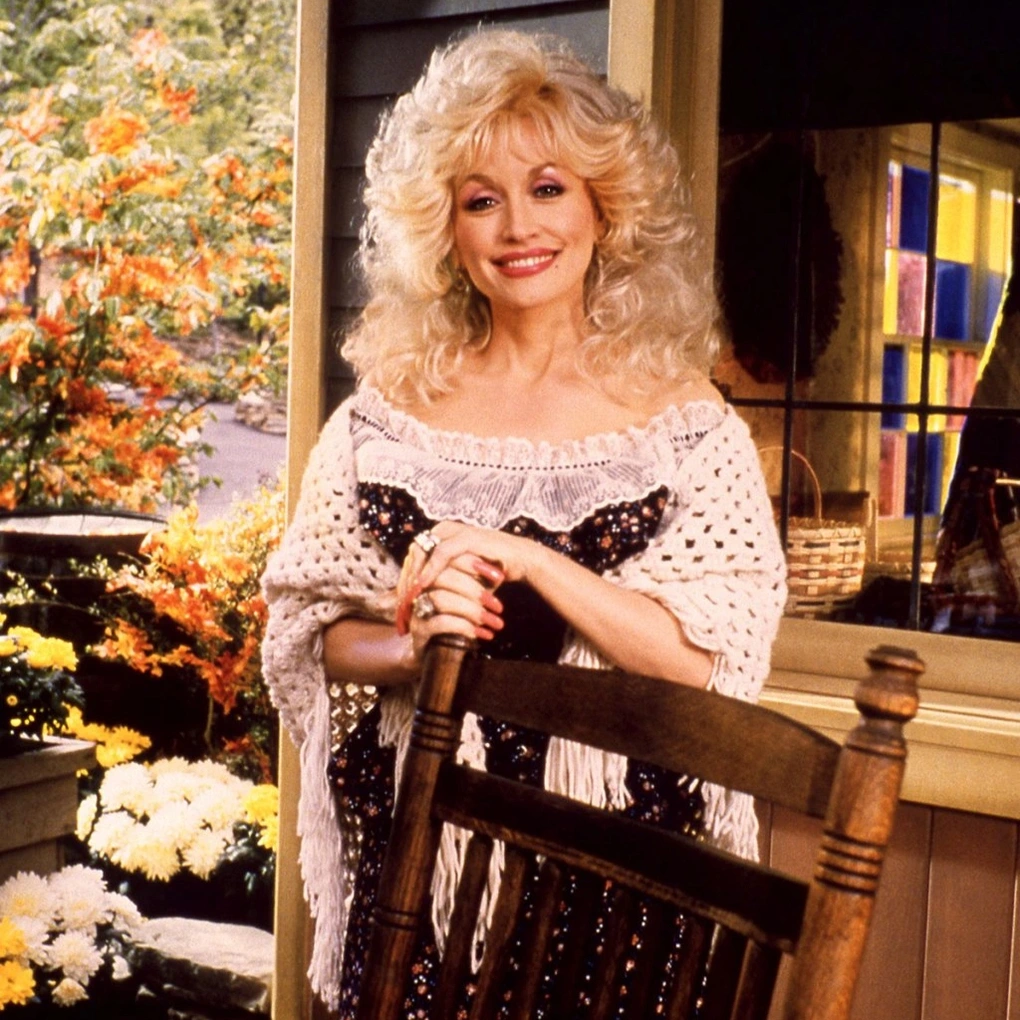
She Found the Entire Thing Hilarious
Many celebrities might have been embarrassed.
For Dolly, humiliation was part of the fun.
She told the story repeatedly because she understood exactly why it was funny.
Her public image had become something larger than her actual physical appearance.
People were no longer merely imitating a woman.
They were imitating an idea.
“Dolly Parton” meant maximum blonde hair.
Maximum makeup.
Maximum glamour.
Maximum personality.
An impersonator could therefore become more visually “Dolly” than Dolly herself by exaggerating all those ingredients.
Dolly understood that contradiction and loved it.
She was not interested in proving the judges wrong.
The fact that they had rejected the genuine article made the story better.
Her Relationship With the Gay Community Made the Setting Perfect
The location was also fitting.
Dolly maintained a warm relationship with LGBTQ fans throughout her career and frequently spoke about accepting people without judging them.
Drag performers particularly embraced her.
She was colorful, theatrical, funny and feminine without ever appearing frightened by people playing with her image.
Instead of asking why men wanted to dress like Dolly Parton, she could appreciate the compliment.
Her philosophy was generally simple: people should be allowed to be themselves.
That attitude helped make her a beloved figure far outside the traditional country audience that first made her famous.
So there was something almost perfect about the real Dolly standing anonymously among drag performers doing their versions of her.
They were celebrating Dolly.
Dolly joined the celebration.
And they beat her at it.
It Revealed Why Dolly’s Image Worked So Well
The story also demonstrates one of Dolly’s greatest gifts as a celebrity.
She understood the difference between taking her work seriously and taking herself seriously.
Her songwriting mattered enormously to her.
Her businesses mattered.
Ownership mattered.
Her family and philanthropy mattered.
But whether somebody else had a bigger Dolly wig?
That could be funny.
This allowed her to control an image that might otherwise have controlled her.
When critics called her appearance excessive, Dolly agreed.
When someone joked about her hair, she could probably make a better joke.
When impersonators exaggerated her figure and clothing, she welcomed them.
The joke could not easily hurt her because she was already participating in it.
The Only Person Who Could Lose a Dolly Contest and Win the Story
Decades later, nobody remembers who actually won that particular competition.
That hardly matters.
The contestant everyone remembers is the one who lost.
Dolly Parton entered without announcing herself.
She increased the makeup.
She increased the hair.
She stood beside people trying to look like her.
And when the audience decided who had done the best job, Dolly apparently finished at the bottom.
For almost anyone else, losing a look-alike contest for yourself might be mortifying.
For Dolly, it became another story she could tell with a laugh.
And perhaps the result made a strange kind of sense.
By then, “Dolly Parton” had become larger than the woman herself.
It was a character, a silhouette and a style that millions recognized instantly.
On that Los Angeles stage, Dolly discovered just how powerful the character had become.
She could walk into a room filled with people pretending to be Dolly Parton and somehow be the least convincing Dolly Parton there.
Even Dolly could appreciate how funny that was.