Georgia Teen Killed Her Mother After Abandoning a Planned School Attack, Investigators Say
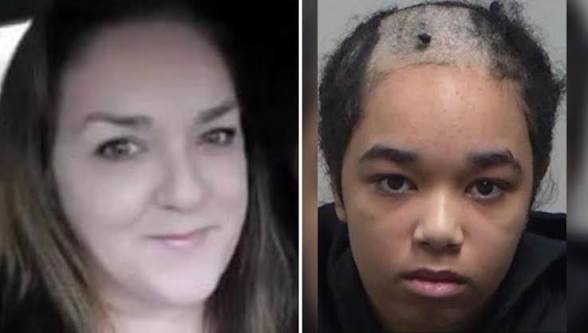
A Georgia teenager who became fascinated with mass killings and online communities that encouraged violence ultimately turned a horrifying plan against her own family, authorities say.
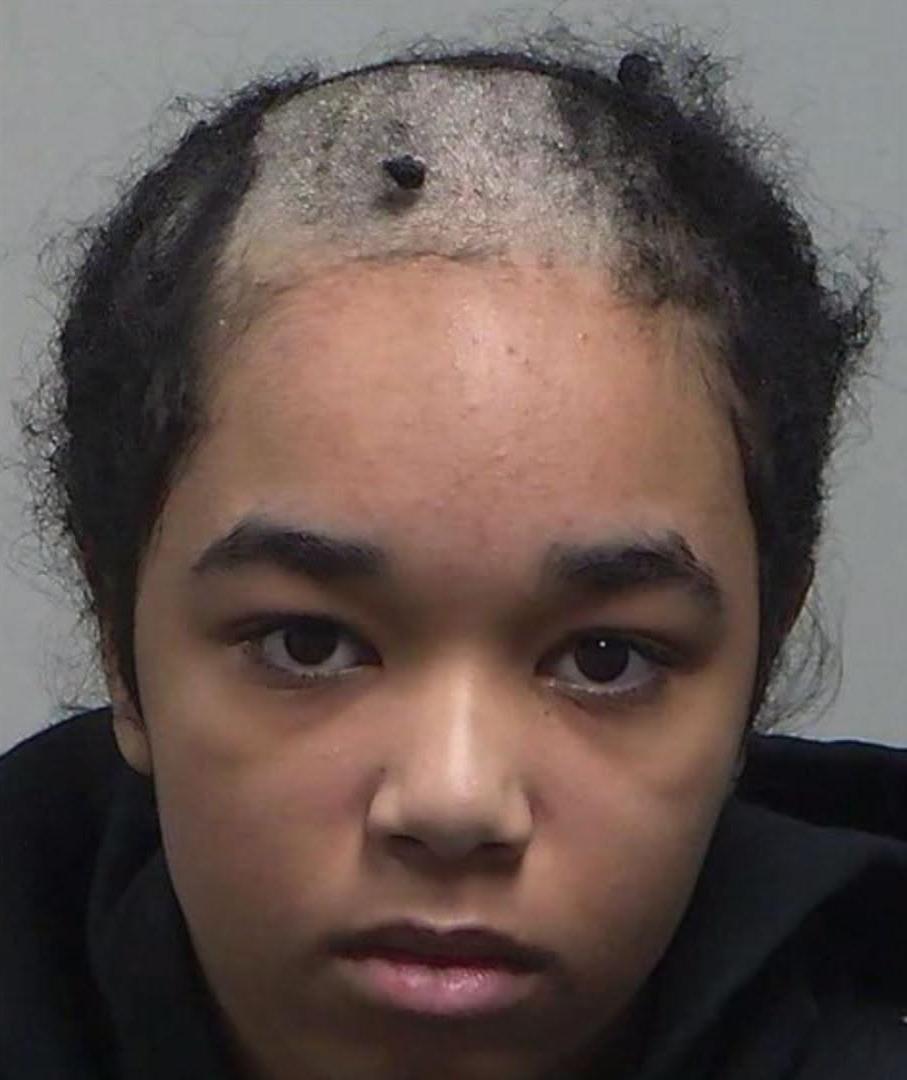
Lilyana Rose Wagner was 14 when she killed her mother, Rachel Suzanne Wagner, inside their Tifton, Georgia, home on Nov. 19, 2024. Nearly two years later, the case has resurfaced after Wagner, now 16, pleaded guilty to felony murder and aggravated assault and was sentenced to life in prison, with the possibility of parole after 30 years.
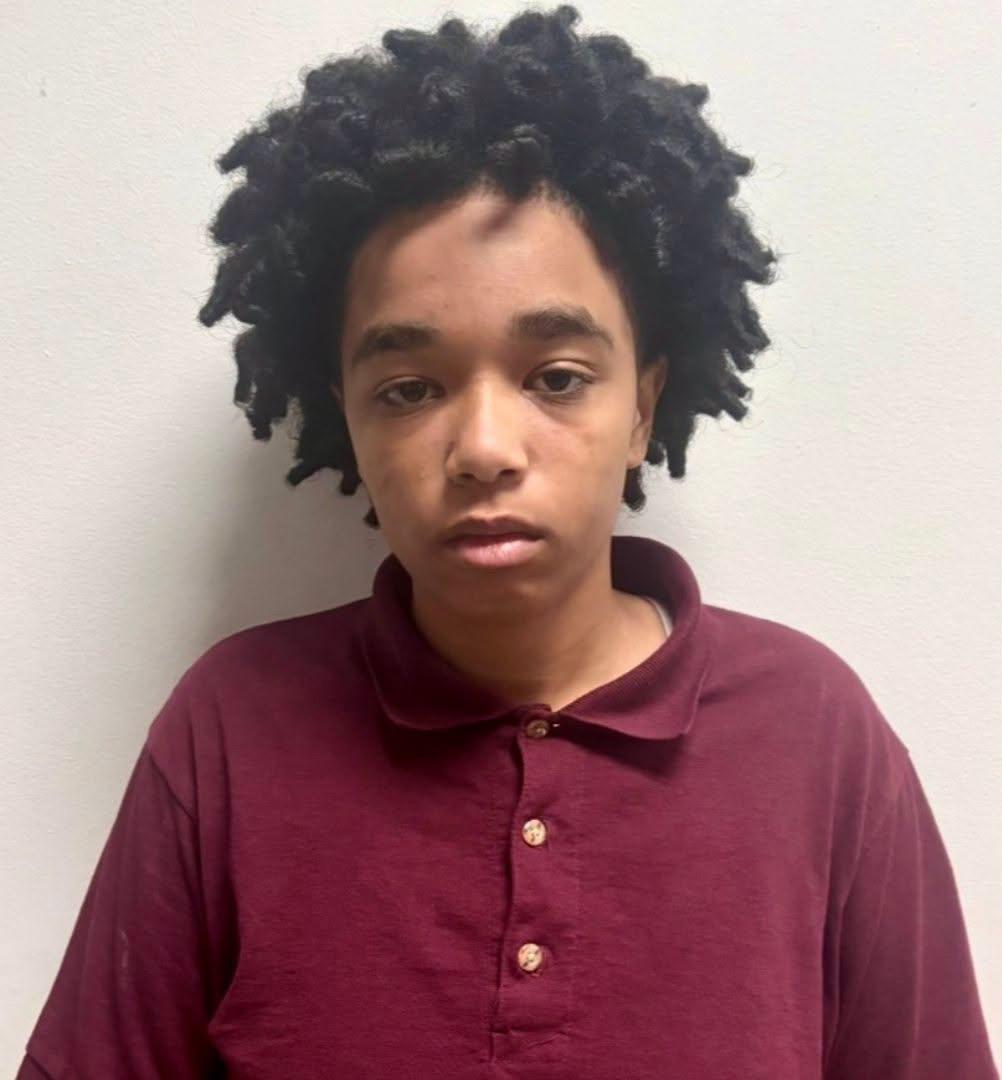
The tragedy began with what investigators described as a disturbing interest in school shootings and mass-casualty events.
According to prosecutors, Wagner had developed an online presence centered around violence and had communicated with anonymous individuals who encouraged her to plan and commit violent acts. Investigators said she continued communicating with some of those people even after her mother’s death.
But the full extent of her intentions only became clearer after investigators examined material recovered from her phone.
In a handwritten confession, Wagner acknowledged killing her mother and revealed that she had previously considered carrying out an attack at her former middle school. Prosecutors said she identified six mass shooters as inspirations for the planned attack.
Instead, authorities say, she made what she described as a last-minute decision to kill her mother.
That decision ended one life and permanently changed another.
A Crash Uncovered a Horrifying Secret
The killing might not have been discovered immediately if not for an unrelated vehicle crash.
On Nov. 19, 2024, law enforcement in Crawford County notified Tifton police that Wagner had been involved in a crash and was the only person inside the vehicle. When officers spoke with the teenager, she told them she lived at home with her mother.
But Rachel Wagner, 51, had not gone to work that morning and was not answering her phone.
Officers went to the family’s East 18th Street home to conduct a welfare check.
Inside, they found Rachel dead in her bed. Investigators determined that she had suffered a fatal gunshot wound.
What initially appeared to be a devastating domestic killing soon became something far more disturbing.
Investigators from the Georgia Bureau of Investigation and the Tifton Police Department spent months examining information taken from Wagner’s phone. What they uncovered painted a picture of a teenager increasingly immersed in violent material and communicating with strangers who, according to prosecutors, encouraged her plans.
The Weapon Was Already Inside the Home
Another chilling detail emerged during the investigation.
The firearm used to kill Rachel had been legally purchased by Rachel herself from a Valdosta pawn shop about a month before her death, prosecutors said. Rachel had allowed her daughter to keep the firearm and ammunition in her bedroom.
That meant the weapon was already within the teenager’s reach when the fatal decision was made.
Investigators also found that Wagner had been communicating through online platforms with people who encouraged violent behavior. One of the applications she used reportedly lacked certain systems designed to flag dangerous keywords or content, according to investigators.
The case has therefore raised difficult questions not only about the teenager’s actions, but about how violent online influences can reach young people before anyone around them realizes how serious the situation has become.
A Mother Dead, a Daughter Sent to Prison
Rachel Wagner was originally from New Zealand and had lived in the United States for decades. Relatives later described Lilyana as a teenager interested in video games, including shooting-related games, and said she could spend long periods absorbed in gaming.
But prosecutors emphasized that the case could not simply be reduced to video games or a single online influence.
Instead, they pointed to a combination of factors: access to a firearm, disturbing online relationships, an escalating fascination with mass violence and a failure to recognize how dangerous those influences had become.
District Attorney Patrick Warren issued a stark warning to parents following Wagner’s sentencing.
“Never underestimate the influence that exists behind your child’s screen,” Warren said, urging parents to understand who is communicating with their children online and what those people are teaching them to regard as acceptable.
For Rachel Wagner, intervention came too late.
For Lilyana Wagner, the consequences will stretch across the rest of her life. She must spend at least 30 years behind bars before becoming eligible for parole.
The case leaves behind a grim contrast: a mother who will never return home, and a teenage daughter who will spend decades in prison for a crime prosecutors say emerged from a violent world that had been developing behind a screen.
There were, as Warren put it, no winners.
Rachel is dead. Lilyana is going to prison. And the warning from investigators is now painfully clear: by the time online encouragement becomes a real-world crime, the chance to intervene may already be gone.
Course: NY Post