Victoria Zardoya Died at 20. Her Family Chose to Help Others in Her Name
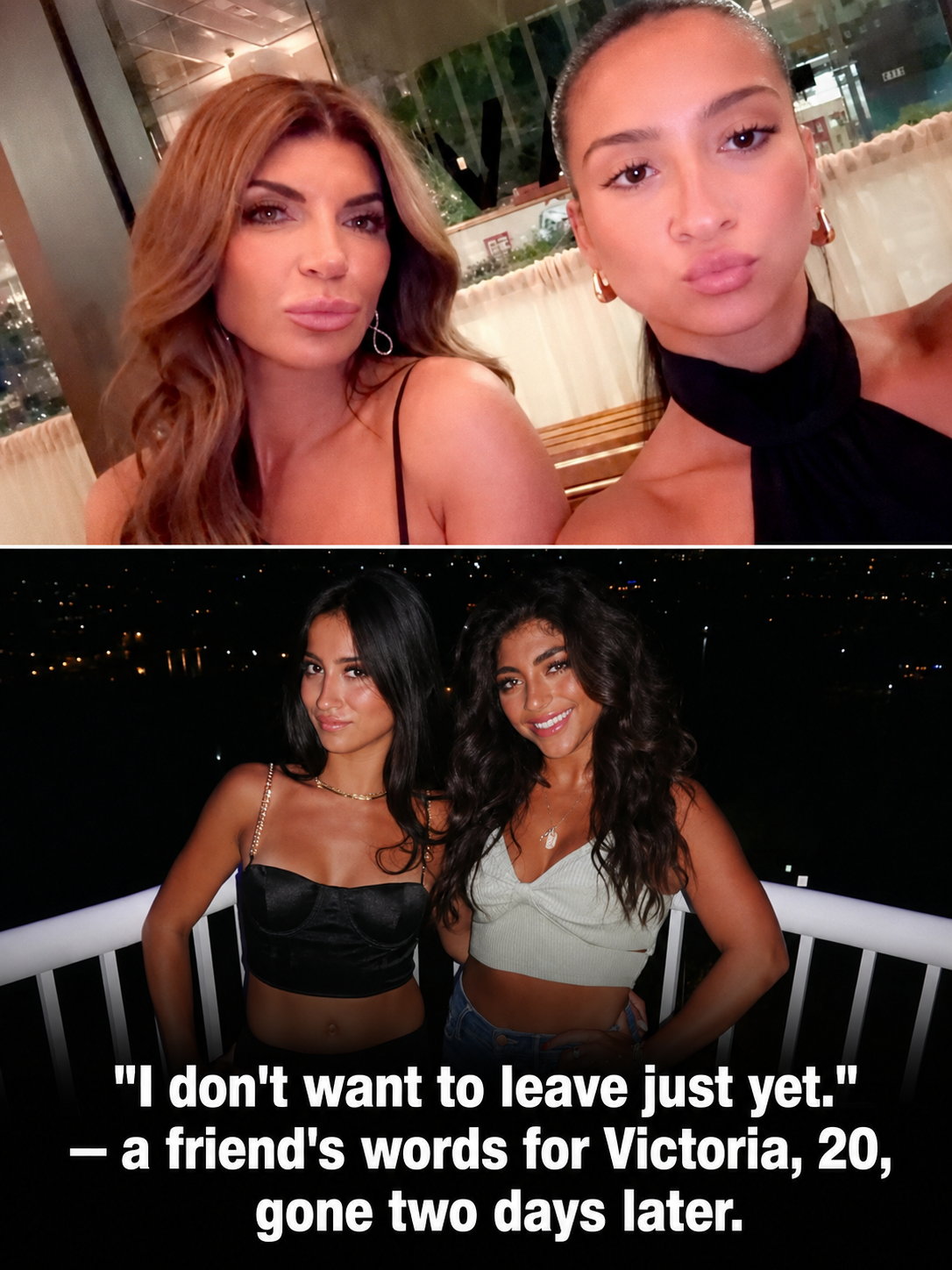
On Friday, July 24, Victoria Zardoya was exploring the historic ruins at Fort Dade on Egmont Key, Florida, when she fell and was seriously injured.
The 20-year-old had been visiting friends in the Tampa area. She was preparing to return to college and had plans to study abroad in the fall.
Two days later, on July 26, Victoria died from her injuries.
Her family was left with plans that no longer belonged to the future: junior year, another semester, more travel. In the days that followed, the people closest to Victoria began deciding how the life she had already lived could still reach beyond them.
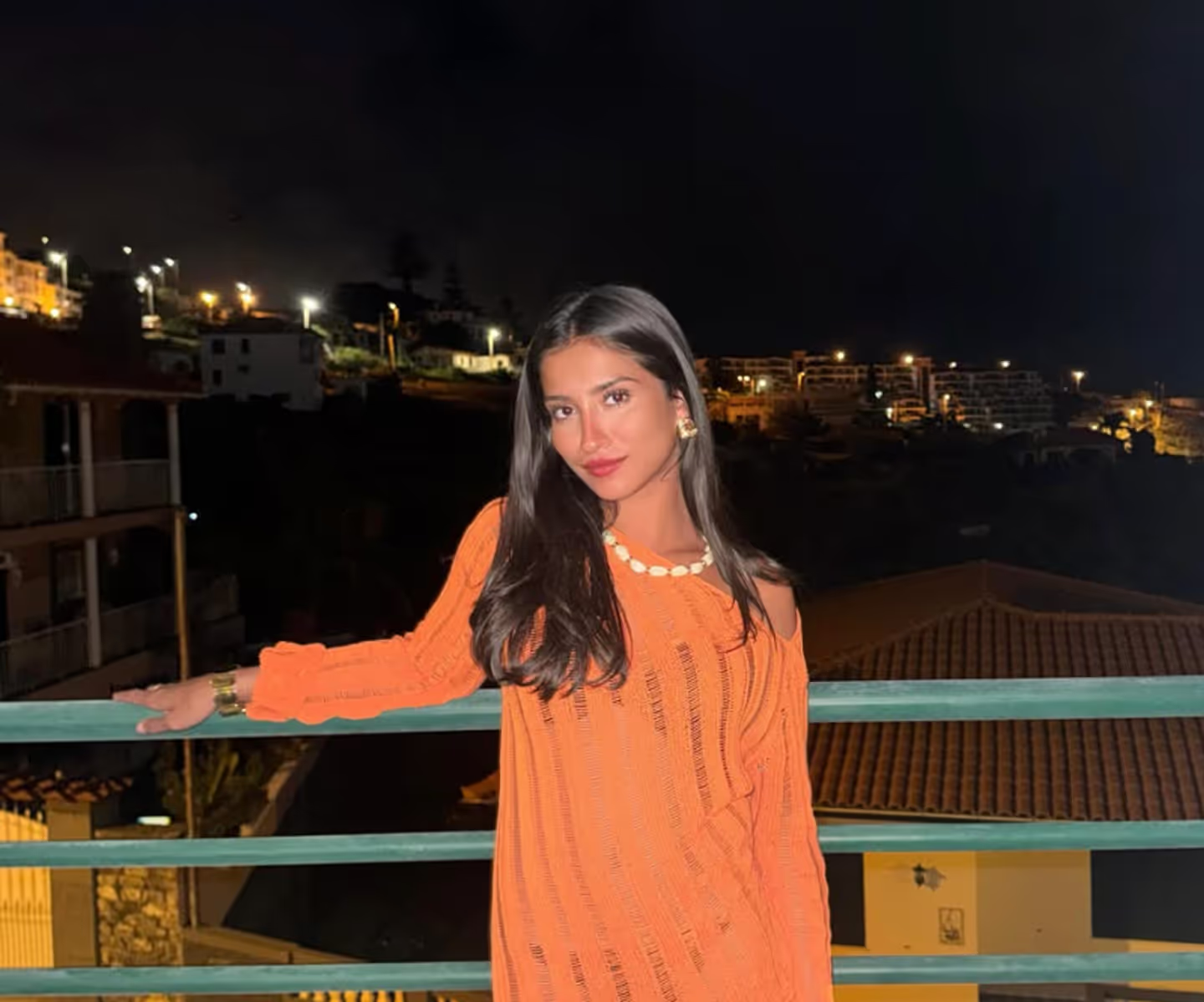
Victoria was from Montville, New Jersey, and was entering her junior year at the University of Tampa, where she studied finance. Several weeks before her death, she had shared photos from an internship in Portugal.

A Summer That Was Supposed to Lead Somewhere Else
Victoria had been in the Tampa area visiting friends, according to a GoFundMe created for her family by Leah Solano and cited by Daily Voice, which first reported details of the fundraiser.
College was still in progress. She was preparing for her third year at the University of Tampa and planned to spend the coming fall semester studying abroad.
Portugal had already become part of that wider life.
Weeks before the accident, Victoria posted a collection of photos from an internship there. By late July, she was back in Florida, spending time with friends before the next part of school began.
Then came July 24.
A statement shared at the request of the Zardoya family said Victoria was seriously injured while exploring Fort Dade’s historic ruins on Egmont Key. She lived for two more days before dying on July 26.
She was 20.
The details left behind were ordinary markers of a young adult life still being built: college, an internship, friends, a semester overseas waiting in the fall. After her death, those plans became the starting point for a different question for the people who loved her: what could still be done in Victoria’s name?

Her Twin Sister Was Given Part of That Answer
One answer took shape through the fundraiser.
The campaign was created for Victoria’s family by Leah Solano. Rather than describing the donations simply as money for the family, it laid out a plan for where the support would eventually go.
A charity would be chosen by Victoria’s twin sister, Alexandra.
The fundraiser said the purpose was to honor Victoria’s memory and continue the compassion associated with her. By Monday, Aug. 3, more than $11,000 had been raised.
That meant Alexandra would eventually choose an organization to receive support tied directly to her sister’s name.
Yet the fundraiser contained another detail, one that had nothing to do with the amount raised. By the time people were donating money and reading about the charity Alexandra would choose, Victoria had already given something that could not be replaced.
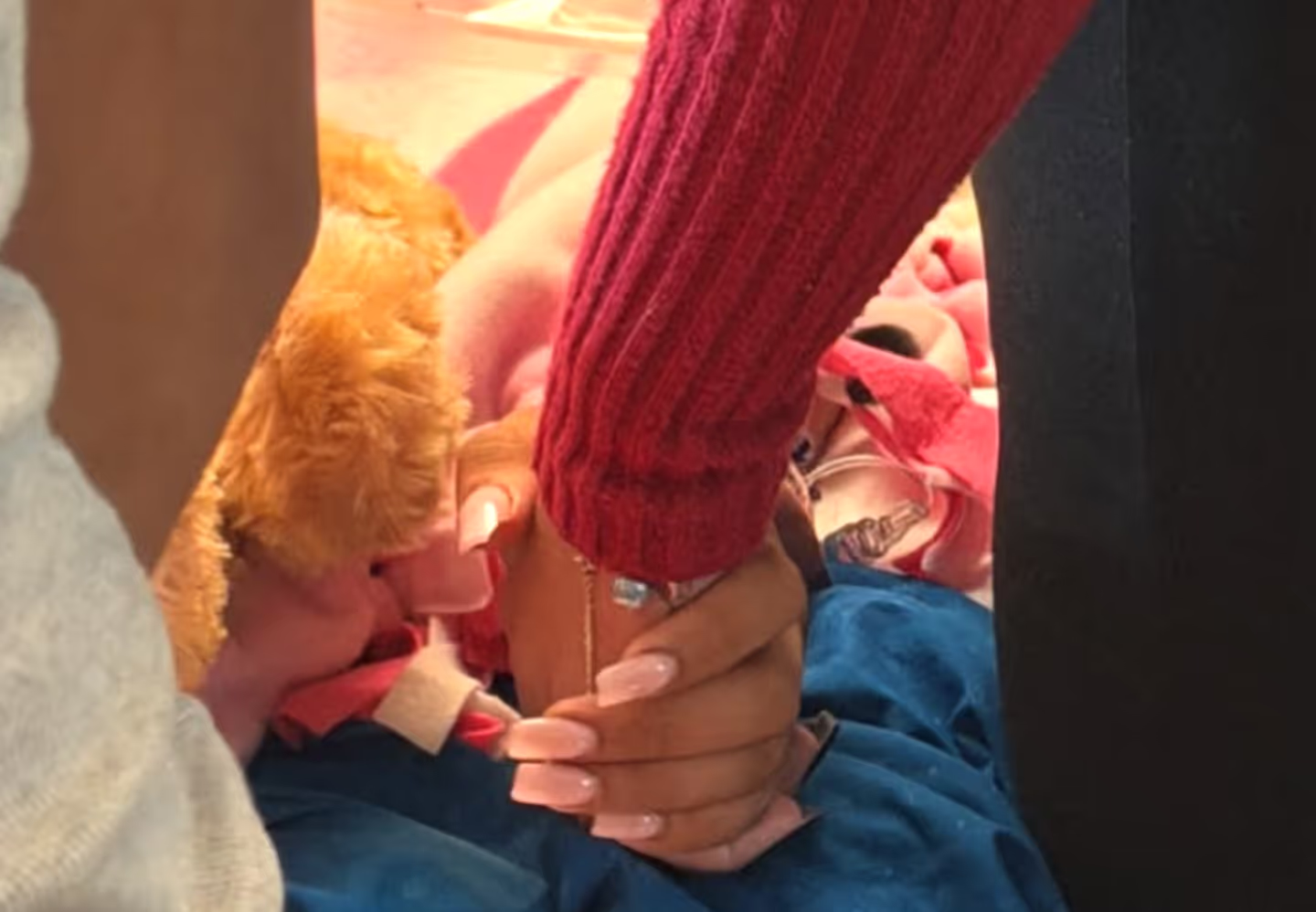
Victoria Became an Organ Donor
After her death, Victoria became an organ donor.
The fundraiser described the decision as a continuation of her generosity. It said “she gave the ultimate gift of life,” offering hope to other people during the same period in which her family was living through her death.
That single detail changed the shape of the days after July 26.
The fall at Fort Dade had ended the plans Victoria had made for herself. She would not begin the junior year she had been preparing for or leave for the fall semester abroad described in the fundraiser.
But after she died, donation meant that what happened to her body could still matter to people outside her family.
The fundraiser did not name recipients or give details about individual transplants. It did make one point clear: Victoria became a donor after her death, and the people raising money in her memory viewed that act as a source of hope for others.
It happened alongside the family’s own loss.
Within the same short span of days, they were dealing with the death of a 20-year-old daughter, sister and college student while her donation created the possibility of helping other lives.
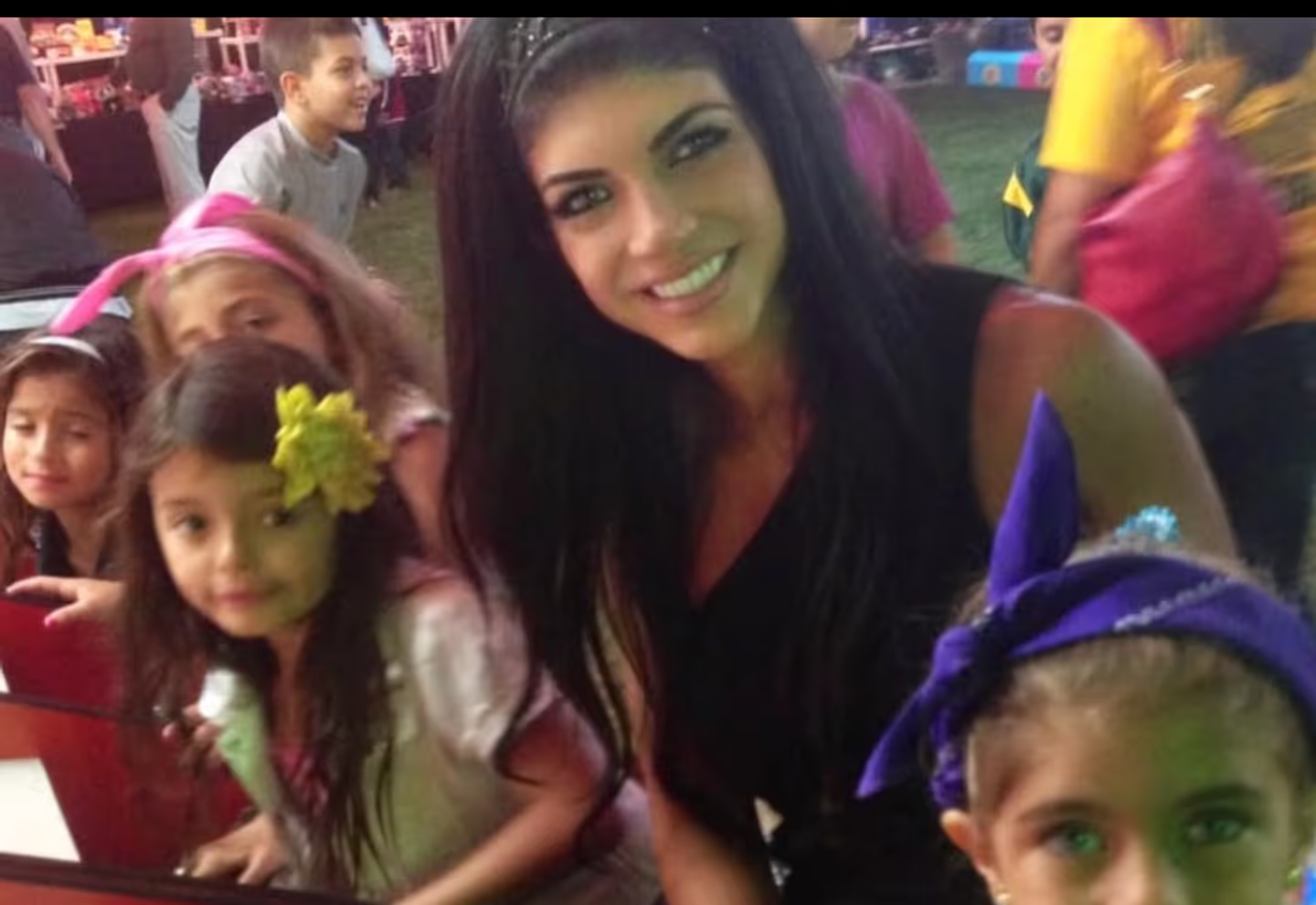
Her Name Will Keep Moving Beyond the Family
The fundraiser paired those two forms of giving.
One had already happened through Victoria’s organ donation. The other would come later, when Alexandra selected a charity to receive money raised in her twin sister’s memory.
By Aug. 3, that fund had crossed $11,000.
For anyone who knew Victoria through school, her internship or the friends she had been visiting in Tampa, the timeline was painfully short: a fall on July 24, two days of serious injuries, then her death on July 26.
Her family’s plans after that reached further ahead.
Alexandra would choose the charity. Money donated by strangers and friends would be directed there in Victoria’s name. And before that choice was even made, Victoria had already become an organ donor.
The fundraiser used seven words for what that meant: “she gave the ultimate gift of life.”
At 20, with junior year and a semester abroad still ahead of her, Victoria Zardoya died before she could return to either. Her family could not change those dates.
What remained was a donor decision already made, and a charity her twin sister would choose next.