Nepal Flood Disaster: Hundreds of Hydropower Workers Feared Trapped Inside Tunnels
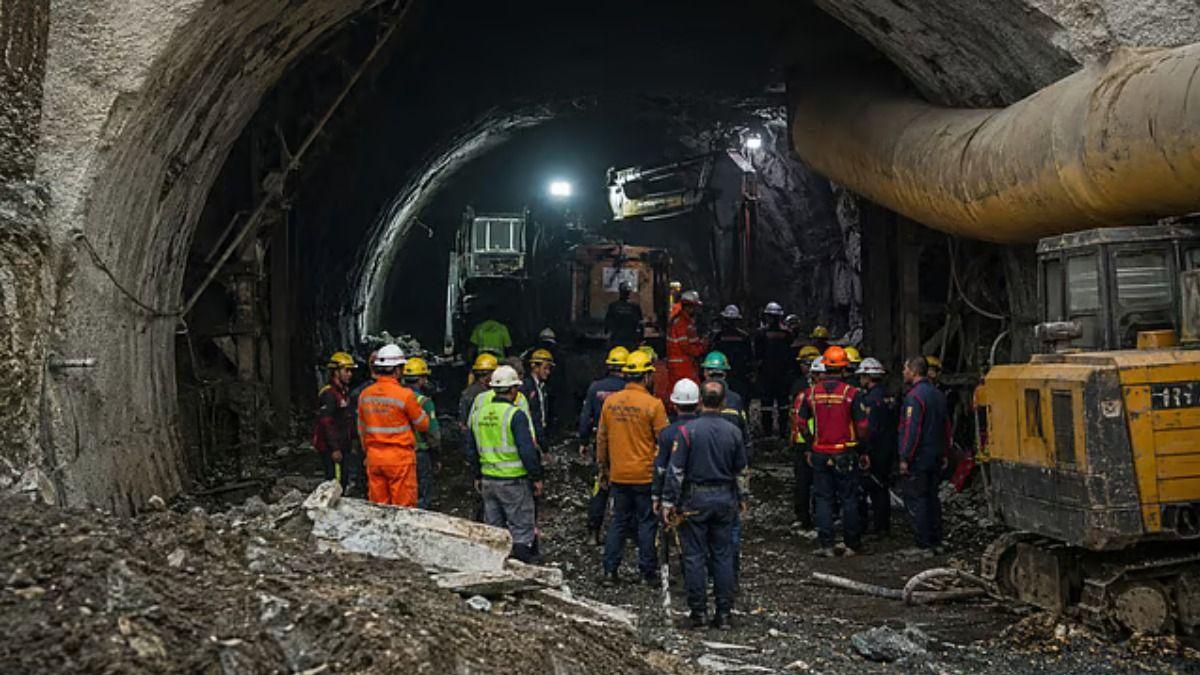
Nepal Races Against Time as Hundreds of Hydropower Workers Remain Missing After Catastrophic Floods
A desperate rescue operation is underway in Nepal as hundreds of hydropower workers remain missing after catastrophic flash floods devastated communities along the Nepal-Tibet border.
The disaster struck after a massive glacial collapse in the Himalayas triggered torrents of water, mud and debris through parts of Nepal and China. The flooding destroyed roads, bridges and infrastructure while sweeping through areas surrounding major hydropower projects.
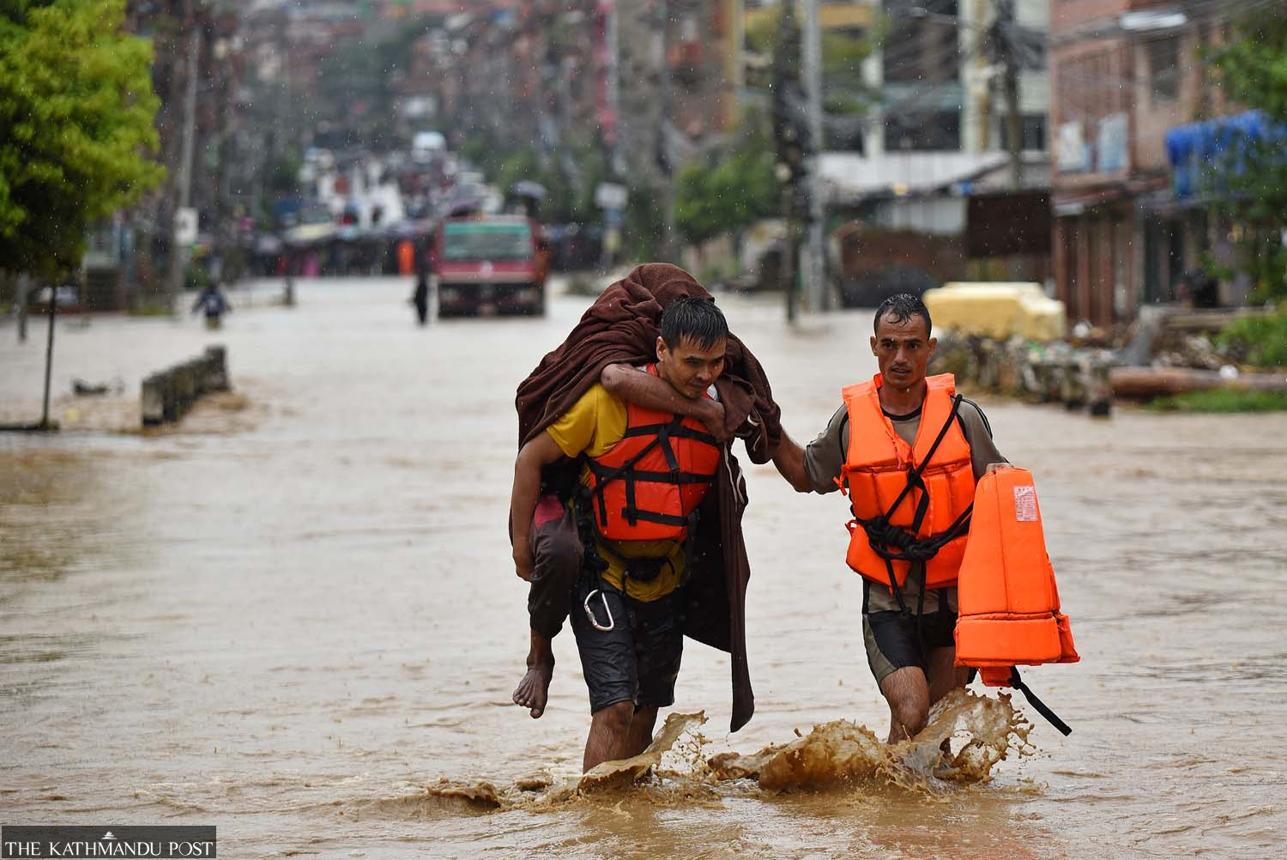
By Monday, Nepalese authorities were intensifying efforts to reach workers believed to be trapped inside underground tunnels. More than 900 workers across several hydropower sites were reported missing or unaccounted for, with hundreds believed to have been inside tunnel systems when the floods hit.
Some tunnels are enormous enough to accommodate trucks, raising hopes that people trapped underground may have access to pockets of breathable air and emergency supplies. But rescuers face enormous obstacles, including collapsed entrances, thick mud, damaged roads and unstable terrain.
At the Upper Trishuli-1 project, hundreds of people were rescued over the weekend. Rescue teams are also working at Upper Trishuli-3A and Upper Trishuli-3B, where dozens and potentially hundreds of people remain unaccounted for. Chinese, Indian and South Korean specialists have joined Nepalese rescuers as the operation expands.
The Nepal Army has already rescued hundreds of people from affected hydropower facilities. At the Upper Trishuli project alone, 350 workers and local residents were rescued after being trapped inside a tunnel. More than 100 people were initially still believed to be inside.
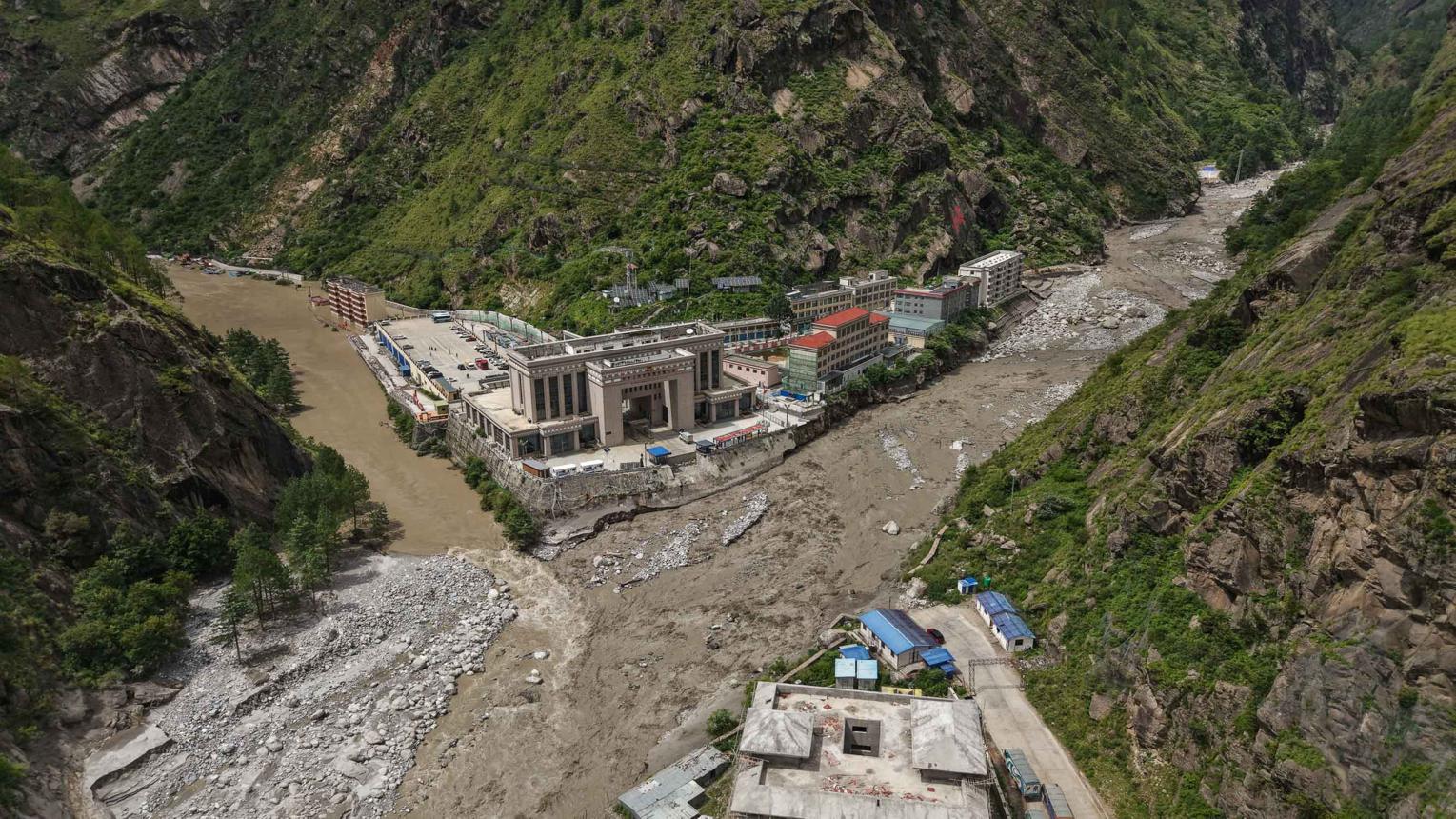
But the situation remains extremely dangerous.
Rescuers have had to clear mud and debris manually, use explosives to open blocked sections and search deep underground with specialist equipment. At some sites, rescue teams have already recovered bodies, while other tunnels remain inaccessible.
The wider disaster has become one of the most devastating natural catastrophes in the region in years. More than 950 people have been reported dead across Nepal and China, while more than 4,400 remain missing, according to the latest reports.
For families waiting outside the damaged hydropower sites, the rescue operation has become a race against time.
Every hour underground matters.
Course: NY Post