Off-Duty Lifeguard, 19, Rushed Into Rough Surf to Save an 11-Year-Old Girl After His Shift Ended
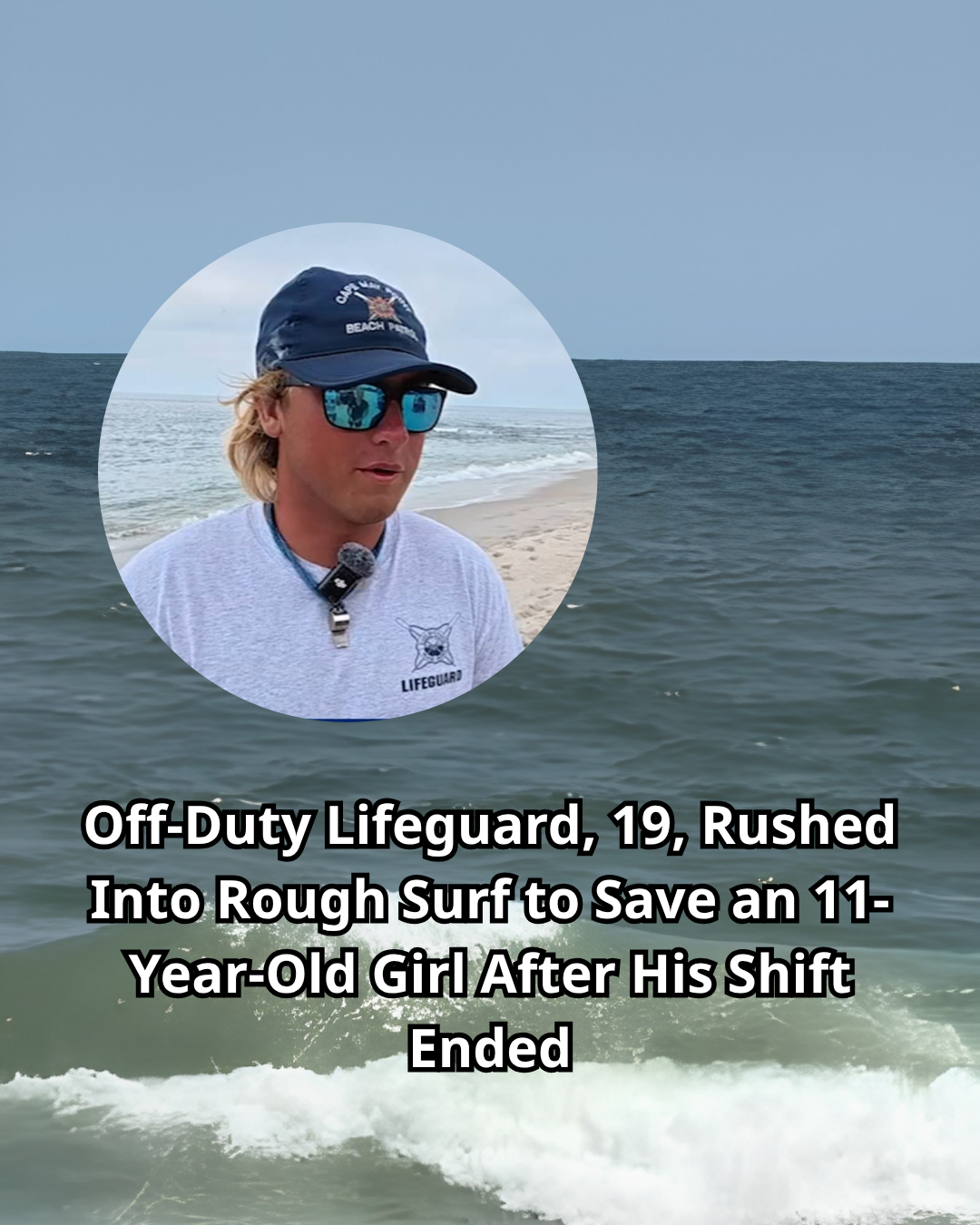
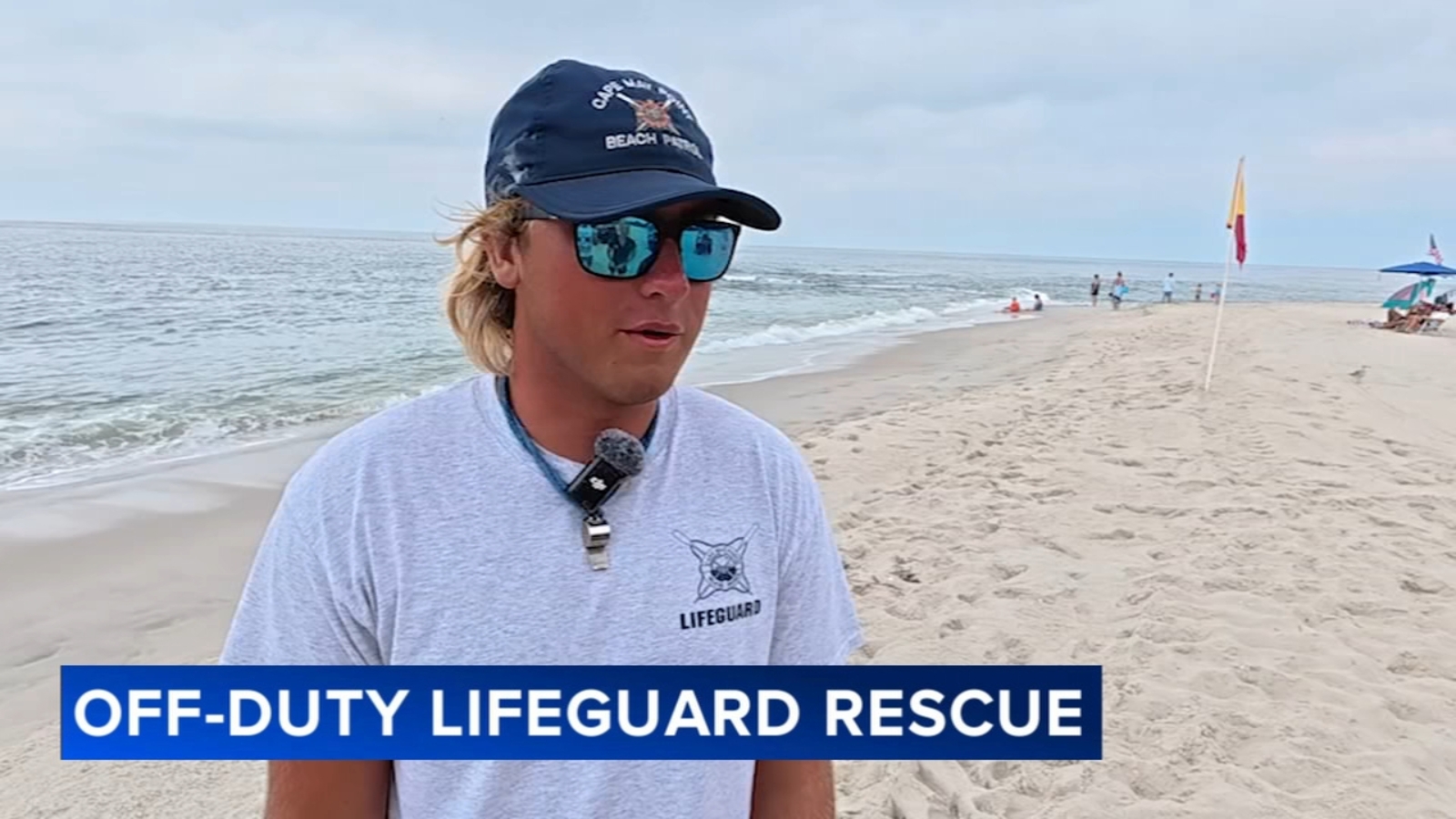
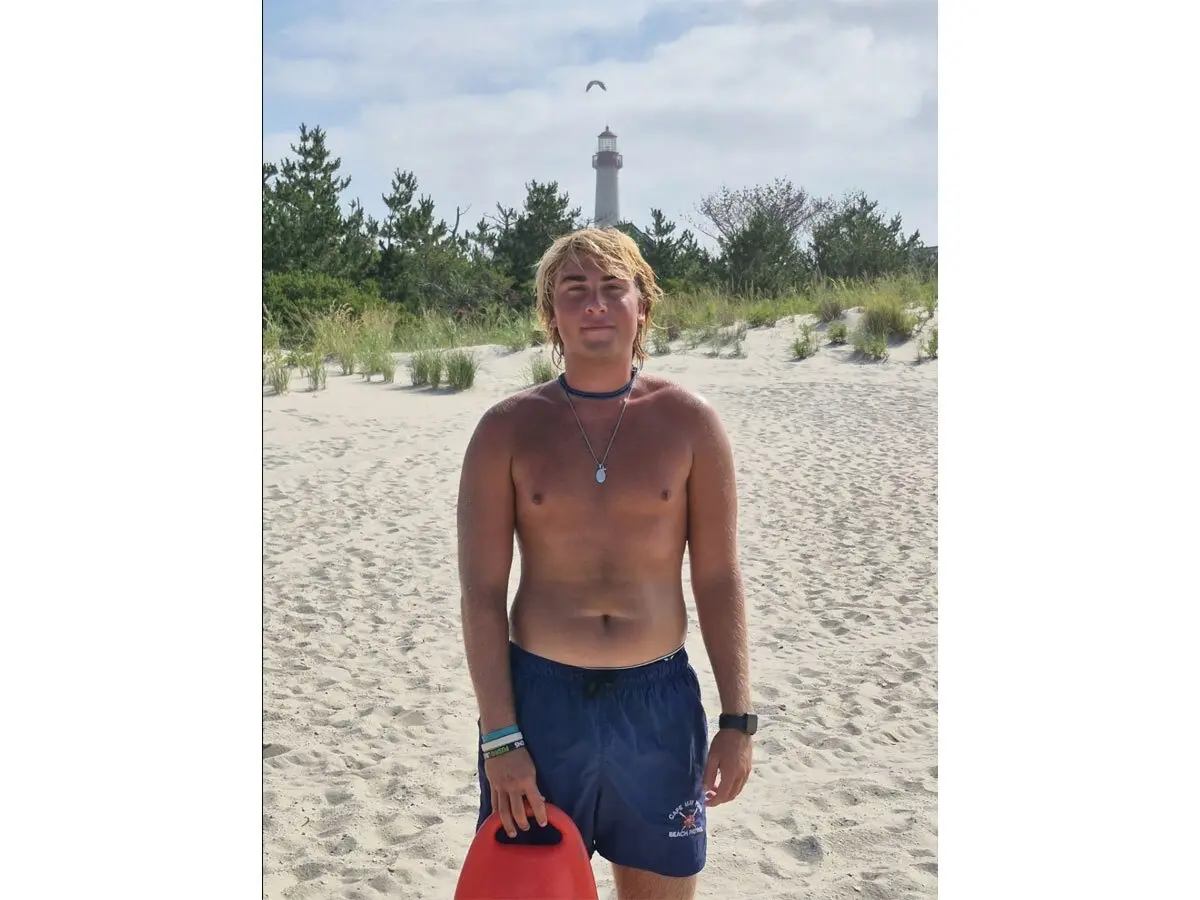
Ryan Gibson’s workday as a lifeguard was already over.
The 19-year-old had finished his shift at Cape May Point and was playing volleyball with friends on the beach when something in the ocean caught his attention.
An 11-year-old girl was in trouble.
The water was rough, the beach was no longer under regular guarded hours, and the current was strong enough to overwhelm several adults who tried to help.
Gibson did not stay on shore.
He ran toward the water and swam out.
What followed became a dramatic rescue involving the teenager, multiple Good Samaritans and two other off-duty lifeguards — all working against dangerous surf to bring the girl back safely.
The Emergency Began After Lifeguards Had Gone Off Duty
The rescue happened at about 6:33 p.m. on Aug. 12 in Cape May Point, New Jersey.
By then, Gibson had already completed his lifeguarding duties for the day.
He was spending time with friends and playing volleyball when he noticed the child struggling in the ocean.
The timing mattered.
The incident happened after normal guarded hours, meaning there was no lifeguard crew actively stationed on the beach watching swimmers when the girl was pulled into distress.
But Gibson was still nearby.
Once he understood what was happening, he immediately shifted from relaxing with friends back into rescue mode.
He entered the water and headed toward the girl.
The decision placed him directly into the same rough conditions that had already put the 11-year-old in danger.
Other Beachgoers Tried to Help — Then Needed Help Themselves
Gibson was not the only person who saw the emergency unfold.
Several people on the beach also attempted to assist.
Among them was a professional photographer.
Their instinct was the same as Gibson’s: get into the water and help the child.
But the surf quickly showed how dangerous the situation had become.
The people who entered the water were themselves overwhelmed by the conditions.
That transformed the rescue into something more complicated.
It was no longer only about reaching one child.
There were now multiple people in the surf who needed to get safely back to shore.
The rough ocean was powerful enough to make even good intentions dangerous.
Two More Off-Duty Lifeguards Heard the Call
As the situation unfolded, an emergency broadcast went out.
Two other off-duty lifeguards, Ben Swan and Matt Gibson, heard it.
They rushed to the beach to help.
Their arrival gave the rescue effort additional trained support at a critical moment.
Together, the lifeguards worked to bring the 11-year-old and the people who had gone in after her toward a nearby rock jetty.
The jetty became the point where rescuers could finally help pull people from the turbulent water and get them back to safety.
The entire episode demonstrated how quickly a single swimmer in distress can turn into a larger emergency.
One person enters to help.
Then another follows.
If the current is strong enough, rescuers can become victims themselves.
In this case, the presence of multiple trained lifeguards ultimately helped bring the situation under control.
Gibson Was Injured on the Rocks
The rescue was successful, but Gibson did not come out completely unhurt.
As he worked near the rock jetty, he suffered minor scrapes and scratches from the rocks.
The injuries were not considered serious.
For the girl, the most immediate concern was the seawater she had swallowed during the ordeal.
Emergency medical personnel treated her at the scene.
She survived the incident.
That outcome turned what could easily have become a tragedy into a rescue story — but one that also highlighted how dangerous the ocean can become within minutes.
The Danger Did Not Look Dramatic From Shore
One of the most deceptive things about rough ocean currents is that the danger is not always obvious until someone is already caught in it.
A beach can appear inviting.
The water can look manageable.
Then a swimmer suddenly realizes that moving toward shore is far more difficult than expected.
That is why the Cape May Police Department used the incident as more than an opportunity to praise Gibson.
Police also pointed to the rescue as a warning about unpredictable ocean conditions, particularly during hours when lifeguards are no longer actively stationed on the beach.
The department commended Gibson, Swan, Matt Gibson and the bystanders who tried to help.
Their actions reflected courage.
But the circumstances also showed why entering rough surf without proper training can create additional danger.
Gibson Was Off the Clock, But the Training Stayed With Him
There is something striking about the fact that Gibson was not officially working when the emergency began.
He did not have to be watching the water.
He was not sitting in a lifeguard chair.
His shift had ended.
He was simply a teenager playing volleyball with friends.
Then he saw someone who needed help.
His training took over.
That distinction is part of what made the rescue stand out.
Lifeguarding is often associated with hours spent watching swimmers from an elevated chair, blowing whistles or warning people away from unsafe areas.
But the essential part of the job is preparation for the moment when something suddenly goes wrong.
For Gibson, that moment came after he had already clocked out.
He still responded.
A Rescue That Needed More Than One Hero
Although Gibson was the first lifeguard to act, the successful outcome depended on several people.
Beachgoers entered the water because they wanted to help.
Ben Swan and Matt Gibson responded when they heard the emergency broadcast.
Emergency medical workers treated the girl after she reached shore.
The group effort mattered because the conditions were too difficult for a simple, single-person rescue.
It is also a reminder that courage and training are not the same thing.
The Good Samaritans who entered the ocean were trying to do something compassionate.
But the surf quickly overwhelmed them.
The off-duty lifeguards had both the willingness to help and the skills needed to work through the dangerous water.
Their presence prevented the emergency from escalating further.
The Girl Came Back to Shore
In the end, the detail that matters most is also the simplest.
The 11-year-old came out of the ocean alive.
She had swallowed seawater and needed medical attention, but she was returned to shore.
Gibson walked away with scratches.
The other rescuers made it back as well.
A summer evening that could have ended in devastating loss instead became a story about people noticing a stranger in danger and refusing to look away.
For Gibson, it happened only minutes after the responsibilities of his official shift had ended.
But the ocean did not care whether he was on duty.
Neither did he.
When he saw a child struggling in the rough water, Ryan Gibson stopped being a teenager playing volleyball on the beach.
He became a lifeguard again.